



This is part of Denver Home Financing Guide → [Denver Home Financing Guide] & VA Loans → [VA Loans]
Written by: Chad Cabalka
Buying a home in the Denver metro area with VA financing presents eligible veterans and military families with a pivotal choice on zero-down versus putting cash forward, where each strategy carries timing that can accelerate wealth or expose risks depending on your reserves, market conditions, and family stage. Zero down shines strategically when cash preservation fuels competition in bidding wars or covers closing surprises like appraisal gaps on $700,000-$900,000 properties, letting you claim three-bedroom ranches with yards essential for kids and pets without years of conventional saving. Yet it amplifies loan sizes and funding fees rolled into payments, potentially straining budgets amid Colorado’s heating bills and taxes if residuals run tight, while smart down payments slash those fees and build instant equity for faster refis or resale flexibility. Remote workers transitioning from service or Guard parents growing households weigh this upfront, as zero down maximizes immediate access in hot markets but smart equity upfront rewards stability seekers planning long holds with maintenance buffers. Understanding these breakpoints turns VA’s flexibility into tailored power, aligning purchases with real cash flow over generic math in Denver’s appreciating landscape.
Zero Down Wins in Cash-Tight Scenarios
Zero down proves strategic for first-time VA buyers low on liquid reserves, financing 100% of a starter townhome so savings stay earmarked for earnest money, inspections, moving trucks, or minor fixes like hail-damaged siding common after Denver springs. This preserves emergency funds during PCS transitions or job shifts to civilian remote roles, where conventional 5% down equals $35,000 hurdles on $700,000 homes that delay ownership amid rising rents. No private mortgage insurance keeps payments 20-30% below conventional peers under 20% equity, freeing monthly cash for utilities or school fees while appreciation—5-7% yearly here—builds wealth through principal paydown alone. Families competing against all-cash civilians land deals faster with clean pre-approvals, redirecting would-be down payment dollars to energy-efficient upgrades cutting Xcel bills or fenced play areas boosting immediate livability. Everyday qualifiers thrive when full entitlement clears county limits like $832,750 baselines, stretching to $862,500 in Douglas County without jumbo barriers conventional imposes on larger footprints.
This path falters less when investment returns outpace rates—stocks at 7% versus 6% mortgages—letting saved cash grow while you capture home gains, unlike tied-up conventional equity sitting idle until sales. Growing households prioritize it for space now, as IRRRL refis later drop rates without full re-qualifying, preserving flexibility conventional PMI traps lack.
Smart Down Payments Shine for Fee Savings
Putting 5-10% down strategically drops funding fees from 2.15% to 1.5% first-time or 3.3% to 1.5% subsequent—saving $6,000-$10,000 on $700,000 loans—while shrinking principal for lower interest over 30 years, suiting savers with TSP access or spouse bonuses who want equity acceleration without waiting appreciation. This instant cushion lowers loan-to-value, often unlocking lender rate tweaks and smoother underwriting on multi-unit house hacks where you occupy one post-60 days, offsetting costs legally versus conventional investment blocks. Denver families with 6+ months reserves lean here during slower seasons, as upfront equity hits 20% faster for no-fee refis, mirroring conventional perks without monthly insurance drag that lingers years. Remote parents model this for budget room against HOA dues or tax proration, ensuring payments support college savings or travel alongside home tweaks like built-in desks. Closing strengthens too, signaling commitment to sellers amid appraisal variances on older metro stock, letting personalization start sooner without thin-margin worries.
Lifetime users favor down payments on repeats to hit 1.25% fee tiers at 10% equity, capping cumulative costs below conventional PMI equivalents exceeding 10% over decades on similar deals.
Timing Determines Your Best Path Forward
Zero down makes overwhelming sense in hot markets or low-reserve phases—like fresh discharges facing $800,000 medians—where preserving cash wins bids and covers CHFA closing aid layers, but pivot to smart down payments when rates dip or equity builds, refi-ing IRRRL to reclaim benefits without retests. It falters strategically with high DTIs over 60% or thin residuals under West region charts needing $1,200-$1,500 family-of-four buffers, as maxed loans amplify payment shocks from utility hikes or repairs conventional spreads via upfront equity. Stable dual-income households or long-haul holders choose down payments for principal paydown firepower, hitting debt-free faster amid Denver’s tax realities, while zero down suits short-term flips or renters-turned-owners capturing appreciation untethered. Military families blend via zero first, then equity refis, maximizing reusability conventional restarts ignore, with local vet exemptions stacking either way.
Run lender scenarios testing both—$750,000 zero versus 10% down—revealing monthly deltas under $200 favoring upfront savings when residuals exceed guidelines 20%, ensuring homes fit lifestyles not just approvals.
Reach out to me directly about when zero down is strategic and when it isn’t, and get expert representation for optimized VA equity strategies and unbeatable buying power in the Denver metro area.
Get the full Denver Market Insights → [Market Insights]


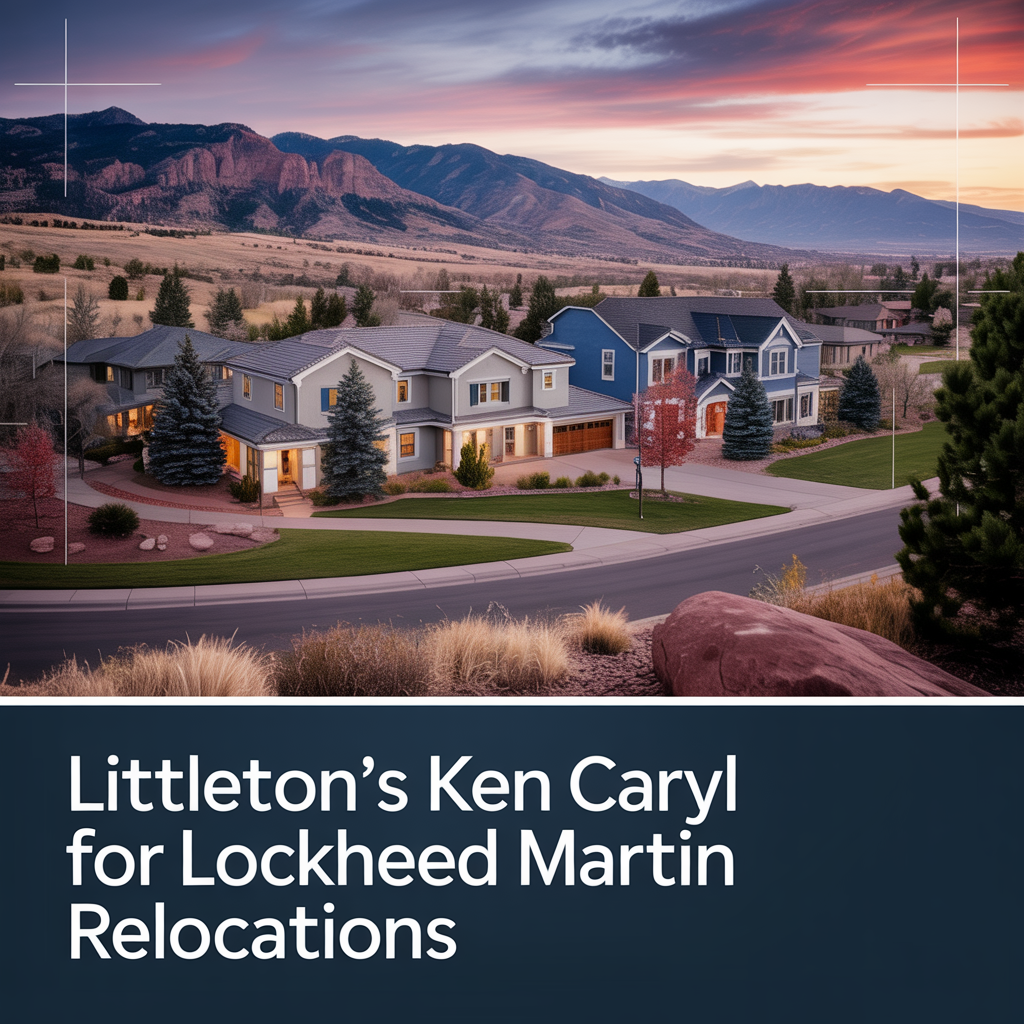
Littleton’s Ken Caryl for Lockheed Relocations
This is part of Lockheed Martin Relocation → [Lockheed Martin Relocation Hub] & the larger Denver Relocation Hub → [Denver Relocation Hub] Written by: Chad Cabalka Ken Caryl is one of the best-kept “family first” relocation options for Lockheed Martin employees who want foothills scenery, strong neighborhood appeal, and a real suburban lifestyle that still feels connected…


Centennial & Parker for Lockheed Relocations
This is part of Lockheed Martin Relocation → [Lockheed Martin Relocation Hub] & the larger Denver Relocation Hub → [Denver Relocation Hub] Written by: Chad Cabalka Centennial and Parker are two of the smartest suburban choices for Lockheed Martin employees relocating with families because they give you a strong balance of commute flexibility, good neighborhood variety, and…

Highlands Ranch for Family-Friendly Lockheed Relocations
This is part of Lockheed Martin Relocation → [Lockheed Martin Relocation Hub] & the larger Denver Relocation Hub → [Denver Relocation Hub] Written by: Chad Cabalka Highlands Ranch is one of the strongest choices for Lockheed Martin employees relocating with families because it delivers exactly what most parents want after a big move: stable neighborhoods, strong community…