


This is part of Arvada Lifestyle Hub → [Arvada Lifestyle Hub] & Arvada Real Estate Guide → [Arvada Real Estate Guide]
Written by: Chad Cabalka
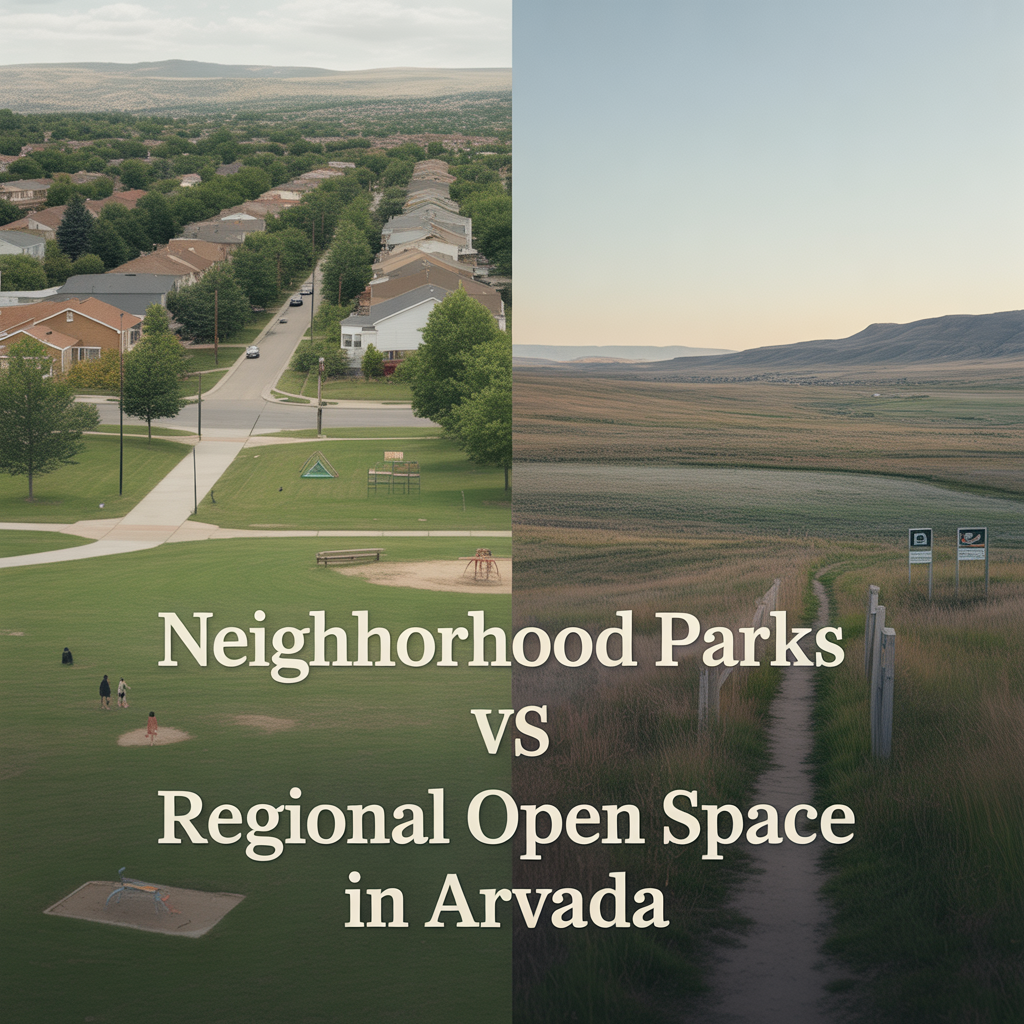
When families in Arvada talk about “parks and open space,” they’re actually describing two very different types of places, and that difference shapes not just how kids play, but how neighbors connect, how quiet or busy a street feels, and what kind of neighborhood a home is really in. For a longtime Arvada resident, the distinction between neighborhood parks and the bigger regional open spaces isn’t just about acreage; it’s about how the space fits into daily life over years. Over the years, I’ve seen how families underestimate this difference when they choose a home, and it’s worth unpacking clearly: neighborhood parks are about convenience and community, while regional open spaces are about views, activity access, and a slightly different kind of neighborhood character.
Neighborhood Parks: The Daily Rhythm of Arvada
In Arvada, you don’t need to drive far to reach a park because the city is built around a dense network of neighborhood parks — more than 90 small, local parks scattered throughout the community, with most residents living within a ten‑minute walk of one. These are the places that show up in family routines, not because they’re destinations, but because they’re easy.
What they are
Neighborhood parks in Arvada, things like Allendale Park, Victory Park, Britton Park, and the many small parks in subdivisions like Leyden Rock or Westar, are usually 1–10 acres in size. They’re designed for convenience: a playground, picnic tables, a small open lawn, maybe a shelter, and sometimes a basketball court, batting cage, or splash pad. They’re not meant to be all‑day adventures; they’re meant to be a five‑minute walk from home where kids can ride bikes, run around, and parents can relax while keeping a close eye.
How they shape daily life
When families choose a home near a neighborhood park, they’re choosing a rhythm where:
- Kids can walk or bike to the playground with friends.
- Parents can take a quick toddler walk after school.
- Families can host small parties, holiday picnics, or casual get‑togethers without a long drive.
- The block feels slightly more public and connected, with more foot traffic and neighbor interaction.
For families with young children, this proximity is a quiet but powerful part of feeling settled. It’s what makes a street feel like a neighborhood instead of just a collection of houses. It’s also a factor in resale, because families moving in with kids almost always look at how close a home is to a playground and shelter they can reserve.
Trade‑offs to understand
Living within a block of a well‑used neighborhood park has a few realities that matter over time:
- There can be more foot and bike traffic, which some families enjoy (more eyes on the street, more familiar faces) and others find a bit too exposed.
- Reserving a shelter or a field can be competitive, especially in the warmer months, so families often need to book a few months in advance for weekends.
- The noise level is slightly higher — kids yelling, occasional sports or events, and people using the park at all hours of light — which is a good thing for families who want activity, but a consideration for those who value a very quiet, isolated street.
Regional Open Space: Bigger Landscape, Different Lifestyle
Regional open space in Arvada is a different category: larger, less intensely developed parks and natural areas that are built around trails, creeks, foothill views, and a more expansive sense of outdoors. These are things like Van Bibber Open Space, Ralston Creek corridor, Majestic View Park, and the larger Arvada portion of Two Ponds National Wildlife Refuge. They’re not the default after‑school park drop‑off; they’re the places families plan for, the kind of outing that feels like a short escape into a greener, more natural side of the city.
What they are
These spaces are often 50–500 acres or more, with a focus on trails, habitat, and recreation rather than playgrounds. They have:
- Miles of multi‑use and natural trails for walking, running, and biking.
- Wildlife, creeks, and seasonal wetlands, especially around Van Bibber and Two Ponds.
- Connectors to regional trail systems (Ralston Creek Trail, Ralston Valley, foothill trails).
- Views of the foothills, Standley Lake, and open hillsides, especially in the western and northern parts of Arvada.
They’re not designed to be a five‑minute walk for a toddler; they’re designed to feel like a short hike, a long run, or a quiet retreat that still feels accessible from home.
How they shape daily life
Families in neighborhoods that back into or border regional open space live in a subtly different rhythm:
- Daily walks, runs, and dog walks often take place on multi‑use and natural trails, not just sidewalks and neighborhood parks.
- Weekend outings are more likely to be a trail loop, a birdwatching walk, or a short hike to a viewpoint, rather than a picnic at a playground with a shelter.
- The neighborhood feels more spread‑out and slightly more private, with less emphasis on the street and more on access to open space and views.
- Homes tend to be a bit more detached, with larger lots, and there’s often a premium on homes that back to open space or sit high on a hillside with a view.
This is a lifestyle that suits families who strongly value being outside, quiet, and a slightly more “Arvada‑with‑foothills” feel, rather than the dense, walkable, neighborhood‑park density of the core.
Trade‑offs to understand
Choosing a home near regional open space also comes with practical realities:
- Trails and natural areas mean more wind, more trees, and more maintenance (leaves, branches, and possibly more wildlife).
- Views and height often mean a longer downhill commute, especially from the west side of Arvada into the core.
- These neighborhoods can feel a bit more transient for children’s social life, since kids aren’t as likely to walk to each other’s houses if they’re separated by hills and open space.
- Prices and property taxes often reflect the desirability of open space access and views, especially in the Van Bibber, Ralston Valley, and Majestic View corridors.
How Families Use Each Type in Practice
In my experience, families in Arvada tend to use neighborhood parks and regional open space in overlapping but different ways that reveal a lot about their lifestyle.
Young families with small children
These families usually prioritize access to a neighborhood park with a good playground, a shelter, and a safe, walkable block. They’re the ones who plan birthdays and holiday parties at a local park, who walk or bike there after school, and who rely on its proximity for daily life. For them, neighborhood parks are a core part of choosing a home, and they’re often willing to trade some privacy for that walkability and community feel.
Active families and outdoor enthusiasts
Families who hike, bike, and run seriously often lean toward the regional open space areas. They choose homes near Van Bibber, Ralston Creek, or foothill neighborhoods so their daily workouts can start right out the back door. They tend to value a long trail run, a bike ride to the reservoir, and a neighborhood that feels like a starting point for bigger adventures, even if it’s a longer drive into Olde Town for dinner.
Couples and empty‑nesters
Many couples and older adults without small children place a higher value on views, privacy, and a quieter, less “communal” feel. They’re often the ones who choose homes backing to open space, with a foothill or stand‑of-trees view, and a neighborhood where the dominant rhythm is walking on trails and enjoying the natural side of Arvada, not the playground and shelter circuit.
How This Affects Neighborhood Choice and Long‑Term Stability
When families choose a home in Arvada, the way they talk about “parks and open space” is usually a proxy for a bigger question: what kind of neighborhood do they want to live in?
- If a family wants a home where kids can walk to a playground, neighbors see each other regularly, and weekends often mean a party at the local park, then proximity to a well‑used neighborhood park is a top priority.
- If a family values a more private, low‑traffic street, big views, access to long trails, and a routine that revolves around outdoor activity rather than playgrounds and shelters, then regional open space and foothill neighborhoods often feel like a much better fit.
Over the years, I’ve found that the families who feel most settled in Arvada are the ones who match their park and open‑space preference with their neighborhood choice. It’s not about chasing the biggest park or the best playground; it’s about aligning a home with how the household actually lives day to day: how often they play, how they take their leisure, and how much community versus privacy they want.
A Local’s Perspective on Matching Home to Park Preference
If you’re thinking about where to live in Arvada, and especially if how you’ll use parks and open space matters to your family, I’d be glad to talk through the difference between neighborhood and regional options. I can walk through how proximity to a playground or regional trails aligns with your kids’ ages, work schedules, and long‑term goals, and how to choose a home where the parks feel like a natural extension of daily life, not a mismatch on paper. I’ve helped generations of Arvada families make this decision, and I can help you find a neighborhood that feels like a true, grounded fit for years in Arvada.
Get the full Denver Market Insights → [Market Insights]


Littleton’s Ken Caryl for Lockheed Relocations
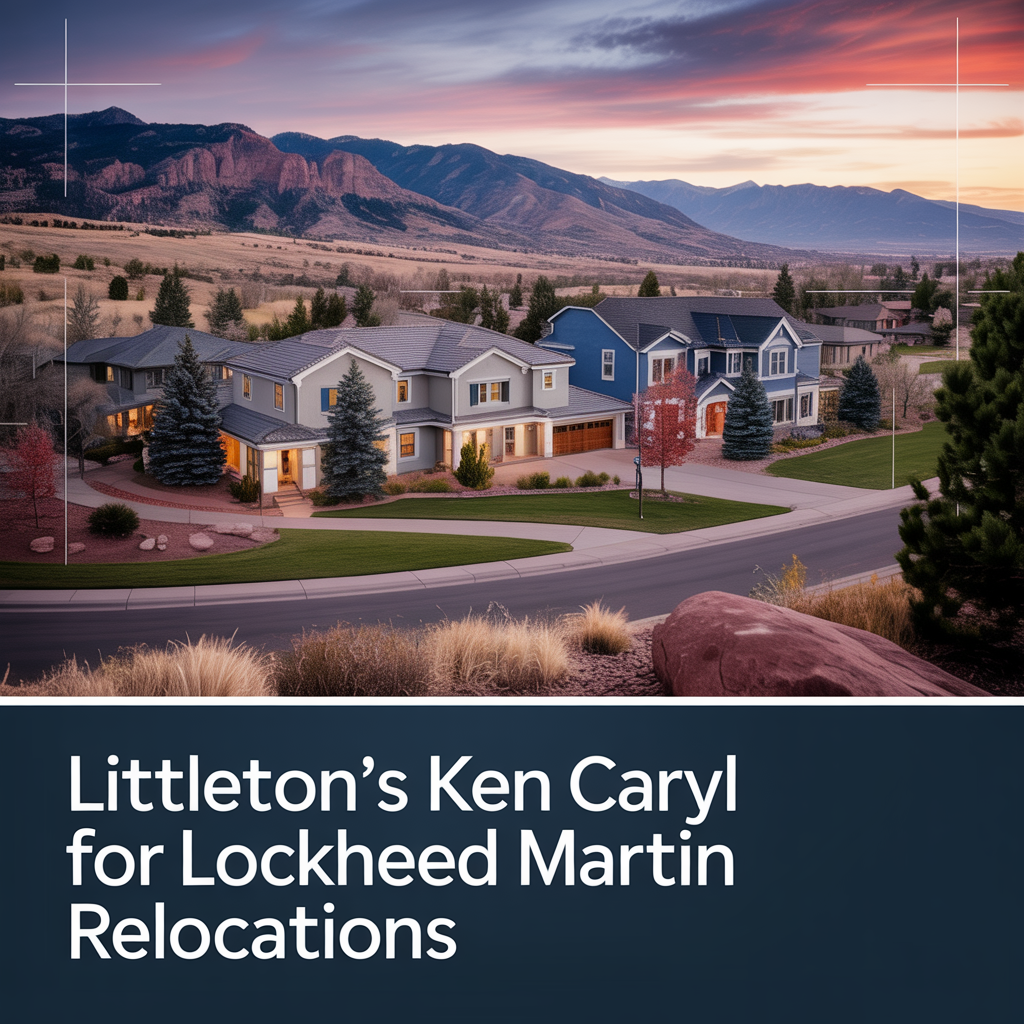
This is part of Lockheed Martin Relocation → [Lockheed Martin Relocation Hub] & the larger Denver Relocation Hub → [Denver Relocation Hub] Written by: Chad Cabalka Ken Caryl is one of the best-kept “family first” relocation options for Lockheed Martin employees who want foothills scenery, strong neighborhood appeal, and a real suburban lifestyle that still feels connected…

Centennial & Parker for Lockheed Relocations
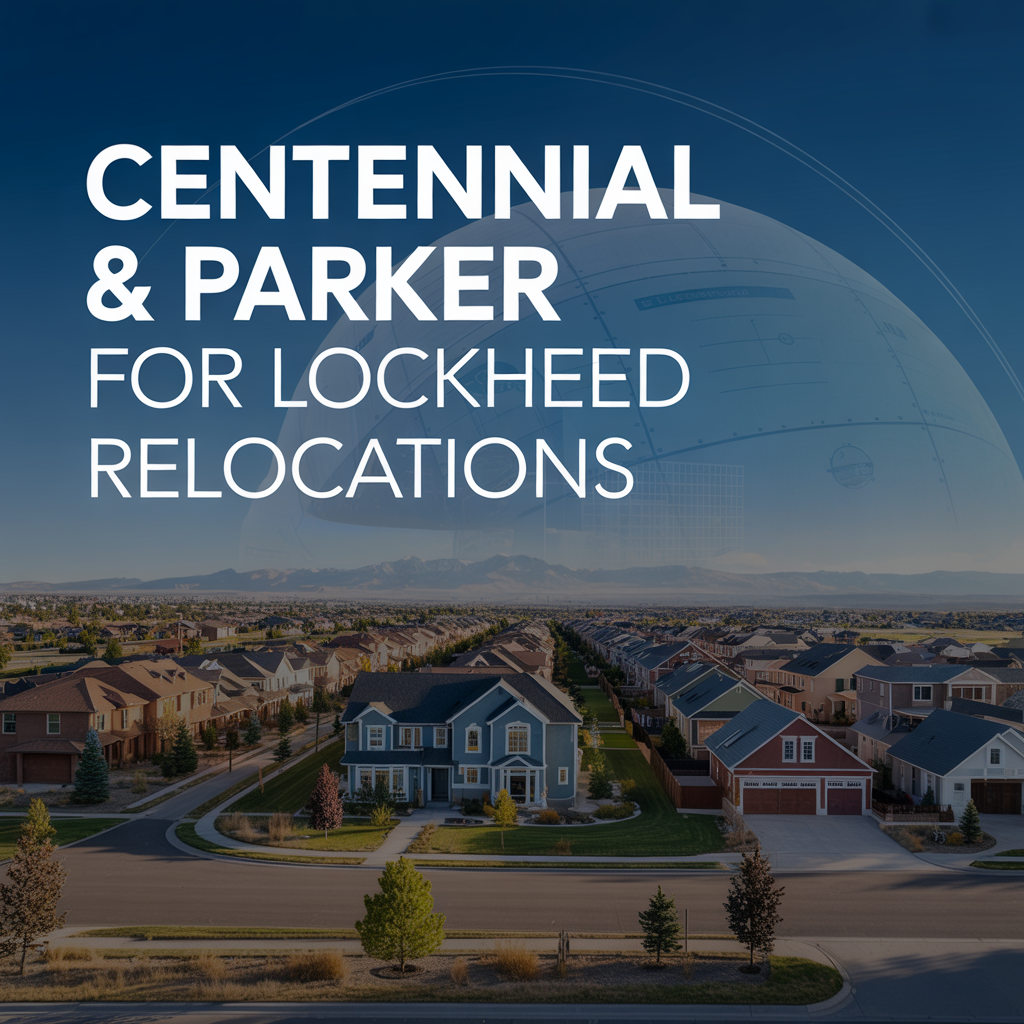
This is part of Lockheed Martin Relocation → [Lockheed Martin Relocation Hub] & the larger Denver Relocation Hub → [Denver Relocation Hub] Written by: Chad Cabalka Centennial and Parker are two of the smartest suburban choices for Lockheed Martin employees relocating with families because they give you a strong balance of commute flexibility, good neighborhood variety, and…

Highlands Ranch for Family-Friendly Lockheed Relocations
This is part of Lockheed Martin Relocation → [Lockheed Martin Relocation Hub] & the larger Denver Relocation Hub → [Denver Relocation Hub] Written by: Chad Cabalka Highlands Ranch is one of the strongest choices for Lockheed Martin employees relocating with families because it delivers exactly what most parents want after a big move: stable neighborhoods, strong community…