


This is part of Centennial Lifestyle Guide → [Centennial Lifestyle Hub] & Centennial Real Estate Guide → [Centennial Real Estate Guide]
Written by: Chad Cabalka
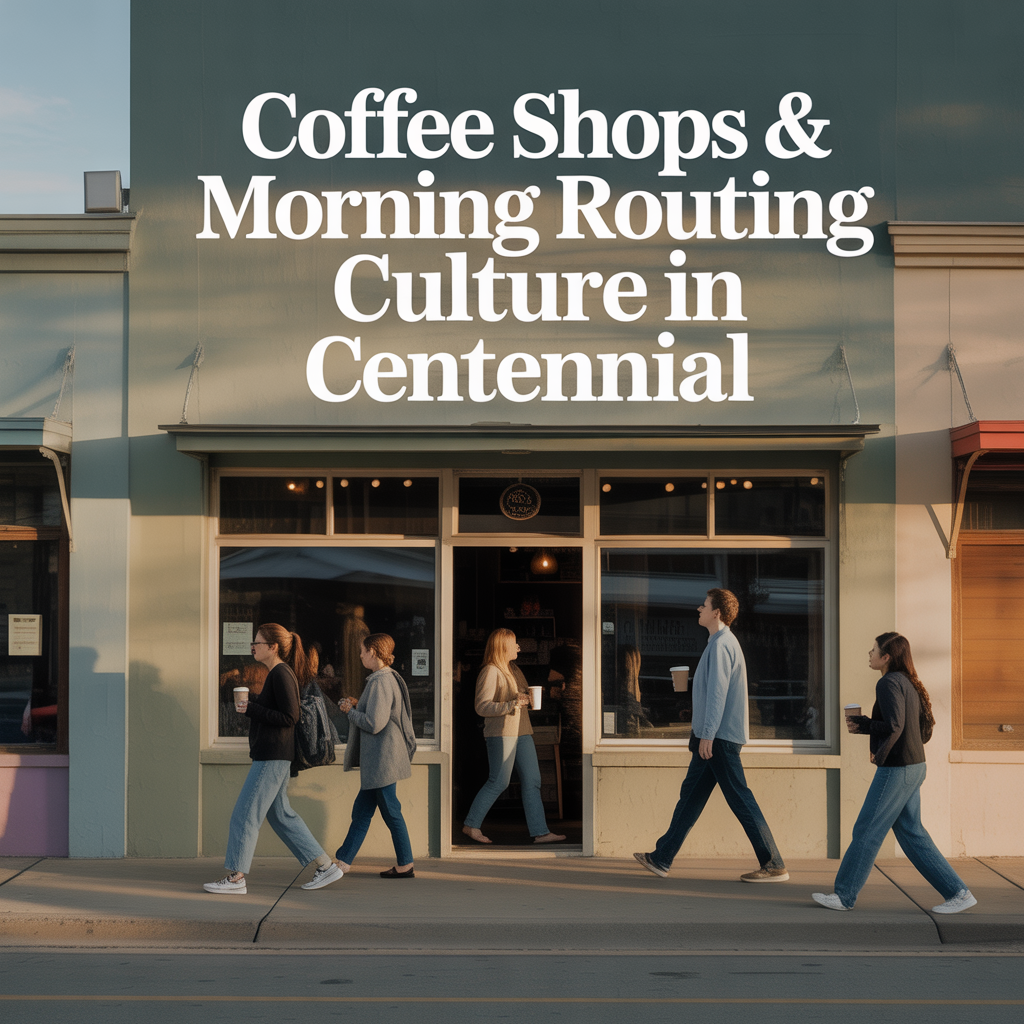
Centennial has a quieter coffee culture than some Denver neighborhoods, but it’s deeply tied to routine, commuting patterns, and the way people actually live their mornings. Over time, the spots you frequent before 9 a.m. do just as much to shape your sense of “home” as your favorite dinner places.
The Shape of a Centennial Morning
Centennial mornings run on a mix of early‑riser commuters, school drop‑offs, and remote workers settling in with laptops. Because the city is so car‑oriented, coffee culture here leans toward “on the way” as much as “destination.” You see parents grabbing lattes right after drop‑off, tech workers hitting a drive‑through before I‑25, and neighbors meeting at a local café for an every‑Tuesday catch‑up. That pattern makes coffee shops less about being “scenes” and more about consistency and predictability.
If you’ve lived here a while, you know the difference between the quick stop that saves your morning and the spot where you intentionally slow down. Centennial has both. Part of choosing a neighborhood, or re‑evaluating where you live, is understanding which kind of morning you actually want most days: one built around efficiency, one built around a slower ritual, or some blend of the two.
Local Coffee Anchors in Centennial
Over the last few years, Centennial has developed a handful of local anchors that feel distinctly south‑metro rather than downtown Denver. 303 Coffee Co., just off County Line near Park Meadows, is a good example: locally owned, close to major retail, and built to serve hand‑crafted drinks alongside breakfast burritos and gluten‑free options. It’s the kind of place that works just as well for a quick “grab it and go” as it does for a mid‑morning work session, which is exactly how many Centennial residents use it.
Another big addition to the local scene is the Huckleberry Roasters location at SouthGlenn, which took over a former Peet’s space and now serves as a neighborhood hub for the surrounding townhome and single‑family communities. It opens early and leans into the “third place” role — somewhere that isn’t home or work, but where you can meet a friend, have a planning session, or simply people‑watch while kids play in the nearby plaza.
You’ll also find smaller local spots like It’s Coffee Café off Briarwood, which caters to nearby office parks and residents with early weekday hours and a more compact, neighborly feel. The mix of these independent shops with regional chains gives Centennial a coffee landscape that’s familiar but still personal, especially compared to some suburban areas that only have big‑box options.
Cafés, Brunch Spots, and Hybrid Spaces
Centennial’s “coffee culture” also lives inside cafés and brunch spots that aren’t strictly coffeehouses but play a big role in how people start their weekends. Nationally known names like Snooze or First Watch show up on local café lists, and they function as social anchors where families and friend groups gather on Saturday and Sunday mornings. You may not go there daily, but they become part of your rhythm for birthdays, out‑of‑town visitors, or big‑kid soccer weekends.
There are also smaller café‑style places like Solid Grounds (technically just west of Centennial) that blend a community atmosphere with more traditional coffeehouse vibes — plenty of seating, a quieter environment, and regulars who treat it as a second living room. These hybrid spaces are where you see everything from Bible studies to tutoring sessions to remote workers on Zoom, all sharing the same tables over refills.
In newer mixed‑use areas, cafés blend with healthy‑food concepts — think avocado toast, juice, and espresso sharing the same menu, especially closer to the Denver Tech Center and Greenwood Village. For residents, that means your “coffee stop” can double as a light breakfast and a place to answer emails, particularly if you’re between home showings, client meetings, or remote work blocks.
Drive‑Throughs, Chains, and the Reality of Commuter Culture
It’s impossible to talk about Centennial mornings without acknowledging the drive‑through lines. Chains like Starbucks, Dutch Bros, and Black Rock have a big footprint in the south suburbs, and they’re heavily used by commuters heading to the DTC, downtown Denver, or DIA. The typical pattern is simple: you know exactly how many cars you can tolerate in line before you risk being late, and you accept that these stops are less about ambiance and more about survival.
For many homeowners, that “through‑the‑window” coffee is their Monday‑through‑Thursday routine, while local shops are reserved for Fridays and weekends. This split actually tells you a lot about the lifestyle of the area: Centennial residents juggle busy schedules and long drives, but they still carve out space for slower, more intentional coffee moments when they can. Over time, that balance often becomes a measure of how manageable your life feels in a given neighborhood.
When you’re evaluating where in Centennial to live — east versus west, near SouthGlenn versus near Park Meadows — paying attention to which coffee options you naturally gravitate toward can quietly predict whether the area will feel convenient or exhausting six months down the line.
Morning Routine Culture by Neighborhood Pattern
Centennial’s neighborhoods each have slightly different morning rhythms, and coffee shops plug into those in distinct ways. Around The Streets at SouthGlenn, the combination of Huckleberry Roasters and other cafés creates a walkable, urban‑lite morning: residents can grab coffee on foot, take kids to the library or school, and loop back through the plaza before heading home. It feels more communal and less car‑dependent, which appeals to people who want a bit of “city” in their suburban life.
Closer to County Line and I‑25, the morning culture is more transactional but intensely convenient. 303 Coffee Co. and nearby drive‑throughs serve shoppers, office workers, and homeowners who are launching straight onto the freeway. The neighborhood feel is less about lingering and more about being recognized at the counter, seeing the same faces in line, and knowing you can rely on consistent hours and quick service.
Farther east and south, you’ll find a patchwork of smaller strip‑center cafés, chains inside grocery stores, and a few independent spots that cater to people who work from home or nearby industrial parks. In these areas, coffee shops function more as “errand hubs”: you combine a latte with a grocery run, school pickup, or quick meeting. The culture isn’t flashy, but it’s dependable, and that matters a lot when your mornings involve kids, pets, and unpredictable traffic.
Why Coffee Culture Matters for Long‑Term Fit
On paper, coffee options don’t show up in a listing the way square footage or lot size does, but they play a quiet role in long‑term satisfaction. When residents tell me they “love their neighborhood,” they often mention small routines: grabbing a cappuccino after dropping the kids at Arapahoe High, meeting a friend weekly at SouthGlenn, or walking to a local café before remote work days. Those rituals anchor people to place.
If your closest coffee option always requires a 15‑minute drive and a fight through traffic, you eventually feel that friction in your day. Over time, it can make a home feel slightly less convenient than you imagined at closing. On the flip side, if you have one or two spots that fit your style within a quick drive or walk, that simple comfort can make your mornings feel smoother and your community feel more personal, even if everything else about your schedule is busy.
This is why, when clients are choosing between two similar homes in Centennial, I often ask where they imagine getting coffee on a typical Tuesday. If they can picture it clearly — the route, the parking, the atmosphere — it’s a strong sign the neighborhood will fit their real life, not just their wish list.
Building a Morning Routine That Fits Your Life
If you already live in Centennial, it can be worth intentionally testing a few different morning patterns over a couple of weeks. Try a “walkable” SouthGlenn morning, a quick 303 Coffee Co. or drive‑through stop near Park Meadows, and a sit‑down café morning farther inside the neighborhood. Notice how each version feels: Are you rushed or relaxed? Do you see familiar faces? Does parking stress you out or feel easy? Those details are often more important than the latte art.
If you’re thinking about moving within Centennial or into the area for the first time, put morning routine on the same level as commute or school district in your planning. Ask yourself: Do you want to walk to coffee? Do you care more about artisan roasters, or about having a drive‑through on your exact route to work? Are you hoping to bump into neighbors at “your” spot, or do you prefer to stay anonymous and efficient? The more honest you are about your habits, the better aligned your neighborhood choice will be.
As someone who has spent decades watching how these seemingly small patterns shape people’s satisfaction with their homes, I take coffee and morning culture seriously when I talk with clients. If you’d like to explore which parts of Centennial best match the way you actually live your mornings — whether that’s quiet, walkable, kid‑in‑tow, or laptop‑in‑hand — I’m always happy to sit down over a cup of coffee and talk it through. No scripts, no pressure, just a real conversation about how to make your everyday routine feel as comfortable and sustainable as the house you choose.
Get the full Denver Market Insights → [Market Insights]



Littleton’s Ken Caryl for Lockheed Relocations
This is part of Lockheed Martin Relocation → [Lockheed Martin Relocation Hub] & the larger Denver Relocation Hub → [Denver Relocation Hub] Written by: Chad Cabalka Ken Caryl is one of the best-kept “family first” relocation options for Lockheed Martin employees who want foothills scenery, strong neighborhood appeal, and a real suburban lifestyle that still feels connected…


Centennial & Parker for Lockheed Relocations
This is part of Lockheed Martin Relocation → [Lockheed Martin Relocation Hub] & the larger Denver Relocation Hub → [Denver Relocation Hub] Written by: Chad Cabalka Centennial and Parker are two of the smartest suburban choices for Lockheed Martin employees relocating with families because they give you a strong balance of commute flexibility, good neighborhood variety, and…

Highlands Ranch for Family-Friendly Lockheed Relocations
This is part of Lockheed Martin Relocation → [Lockheed Martin Relocation Hub] & the larger Denver Relocation Hub → [Denver Relocation Hub] Written by: Chad Cabalka Highlands Ranch is one of the strongest choices for Lockheed Martin employees relocating with families because it delivers exactly what most parents want after a big move: stable neighborhoods, strong community…