



This is part of Aurora Lifestyle Hub → [Aurora Lifestyle Hub] & Aurora Real Estate Guide → [Aurora Real Estate Guide]
Written by: Chad Cabalka
School boundaries in Aurora don’t just determine which bus your kids catch in the morning — they quietly shape where people look for homes, how long they stay in a neighborhood, and how steadily property values move over time. For Denver‑area buyers and sellers, understanding how Aurora’s school lines influence home‑search behavior is one of the most practical ways to avoid costly assumptions and build a more stable, long‑term housing strategy.
As someone who’s watched Aurora evolve from a mostly bedroom suburb into a complex, multi‑district city, I’ve seen how families increasingly treat school boundaries as filters rather than accidents of geography. That shift changes everything from commute patterns to which subdivisions feel “hot” and which feel overlooked.
How Families Use School Boundaries to Narrow Their Search
In Aurora, many buyers — especially those with school‑age children — start their home search by locking in a preferred district or even a specific school. That’s why two homes that look identical on paper can attract very different kinds of buyers depending on which attendance zone they sit in.
Aurora Public Schools’ online School Finder tool, where you enter an address to see its assigned elementary, middle, and high school, is used heavily by home shoppers. Savvy buyers will plug in prospective neighborhoods or even individual streets before ever scheduling showings, effectively using school data to eliminate entire swaths of the city.
This behavior has a ripple effect: neighborhoods feeding highly rated or well‑regarded APS schools — or those adjacent to Cherry Creek School District pockets — often see faster turnover and more competitive pricing, even if they’re not the “prettiest” subdivisions on the map.
The “Boundary Line” Effect Within Aurora
One of the most striking patterns in Aurora is how sharply demand can change just a few blocks from a school boundary. A home that feeds into a growing, well‑resourced APS school might command a noticeable premium over an otherwise similar home that feeds into a school facing enrollment decline or potential consolidation.
Aurora’s own planning work shows that enrollment is shifting eastward, with new subdivisions on the eastern edge of the district adding students while older, western corridors lose them. As the district adjusts boundaries and considers closures or magnet conversions, families respond by clustering around areas they expect will remain stable.
From a home‑search perspective, this means that buyers are often willing to trade slightly longer commutes or less “Instagram‑perfect” streetscapes for the comfort of a boundary line they believe will hold its value and reputation over the next decade.
How Choice Enrollment Changes the Game
Aurora Public Schools’ open‑enrollment and choice‑enrollment framework lets families apply to schools outside their attendance zone, but that doesn’t erase the power of boundaries — it just makes them more nuanced.
Many families still anchor their home search around a strong neighborhood school and then use choice as a backup or enhancement. Others, particularly those drawn to magnet or charter options like Vista PEAK Preparatory or Colorado Early Colleges – Aurora, will prioritize access to major arterials and light‑rail corridors over strict attendance‑zone alignment.
The practical impact is that some neighborhoods become school‑hub zones — areas where residents are more likely to drive or ride transit to a preferred school, even if it’s not the one closest to their house. Those hubs tend to attract more long‑term, family‑oriented buyers, which in turn supports neighborhood stability and slower turnover.
Why Buyers Overlook Boundary Shifts — and Pay for It Later
One of the most common missteps I see is buyers assuming that today’s school assignment will remain unchanged for the life of their ownership. In reality, Aurora Public Schools periodically adjusts boundaries to manage enrollment, close under‑utilized buildings, or create new magnet programs.
When a school is closed or re‑designated, the district redraws lines and reassigns students, sometimes moving entire neighborhoods into new attendance zones. Those shifts can quietly alter the character and demand profile of a subdivision, especially if the new school has a different reputation or program mix.
Buyers who don’t check the district’s boundary‑change history — or who rely only on a listing’s “assigned school” label — can end up surprised years later. That’s why I always recommend running any serious prospect through Aurora’s School Finder and asking your agent about recent or planned boundary adjustments.
How School Boundaries Shape Neighborhood Character Over Time
School lines don’t just influence who buys a home; they shape how long people stay and how invested they become in the community. Neighborhoods feeding stable, well‑regarded schools tend to have:
- More families with children, which supports local parks, sports leagues, and after‑school programs.
- Stronger PTA and neighborhood‑association activity, because parents are more likely to be planning to stay for multiple school transitions.
- More consistent maintenance and reinvestment, since residents expect their homes to hold value over time.
In contrast, areas feeding schools facing decline or uncertainty often see more turnover, more investor‑owned rentals, and less community cohesion. That doesn’t mean those neighborhoods are “bad” — they can be excellent for certain buyers — but they behave differently over the long term.
For Denver‑area residents considering Aurora, this is where local experience matters. A good advisor can help you read between the lines of enrollment trends, boundary maps, and neighborhood culture to see how a given area is likely to feel five or ten years down the road.
Practical Tips for Using School Boundaries in Your Search
If you’re serious about buying or selling in Aurora, it’s worth treating school boundaries as one of your primary filters — but not your only one. Here are a few concrete ways to use them without getting trapped by hype or fear:
- Start with your must‑have district or school, then let the map narrow your search. Aurora Public Schools’ School Finder and Cherry Creek’s boundary‑search tools let you verify assignments by address.
- Look at enrollment trends, not just current ratings. Aurora’s own planning documents show where enrollment is growing versus shrinking, which can hint at long‑term stability.
- Ask about boundary‑change history. Has the school feeding this neighborhood changed in the last five years? Are there proposals on the table? Your agent should be able to pull that information quickly.
- Consider commute and lifestyle trade‑offs. If you’re comfortable driving or taking transit to a preferred school, you can sometimes stretch into more affordable or less crowded neighborhoods without sacrificing educational options.
A Long‑Term, Denver‑Specific Take
For lifelong Denver residents and newcomers alike, Aurora’s school‑boundary patterns reveal something important: families are voting with their home purchases for neighborhoods they believe will stay stable, connected, and well‑served over time. That’s not about chasing rankings; it’s about trying to build a place where your kids can grow up, your neighbors will stay put, and your home will still feel like a good decision years later.
If you’d like to walk through how specific Aurora school boundaries might affect your ideal neighborhood, your commute, or your long‑term ownership plan, I’m happy to talk it through. No pressure, no pitch — just straightforward, local insight from someone who’s watched this city grow up alongside its schools.
Get the full Denver Market Insights → [Market Insights]


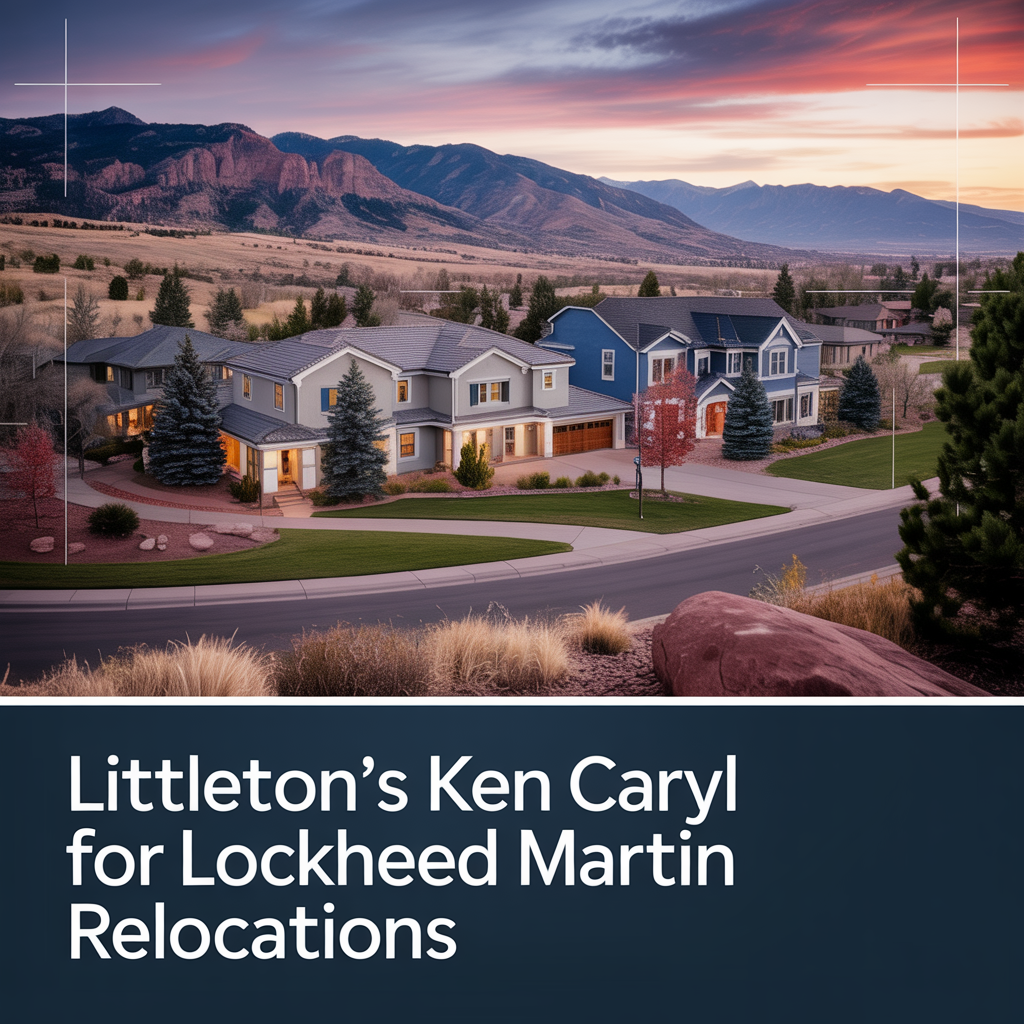
Littleton’s Ken Caryl for Lockheed Relocations
This is part of Lockheed Martin Relocation → [Lockheed Martin Relocation Hub] & the larger Denver Relocation Hub → [Denver Relocation Hub] Written by: Chad Cabalka Ken Caryl is one of the best-kept “family first” relocation options for Lockheed Martin employees who want foothills scenery, strong neighborhood appeal, and a real suburban lifestyle that still feels connected…


Centennial & Parker for Lockheed Relocations
This is part of Lockheed Martin Relocation → [Lockheed Martin Relocation Hub] & the larger Denver Relocation Hub → [Denver Relocation Hub] Written by: Chad Cabalka Centennial and Parker are two of the smartest suburban choices for Lockheed Martin employees relocating with families because they give you a strong balance of commute flexibility, good neighborhood variety, and…

Highlands Ranch for Family-Friendly Lockheed Relocations
This is part of Lockheed Martin Relocation → [Lockheed Martin Relocation Hub] & the larger Denver Relocation Hub → [Denver Relocation Hub] Written by: Chad Cabalka Highlands Ranch is one of the strongest choices for Lockheed Martin employees relocating with families because it delivers exactly what most parents want after a big move: stable neighborhoods, strong community…