


This is part of Aurora Lifestyle Hub → [Aurora Lifestyle Hub] & Aurora Real Estate Guide → [Aurora Real Estate Guide]
Written by: Chad Cabalka
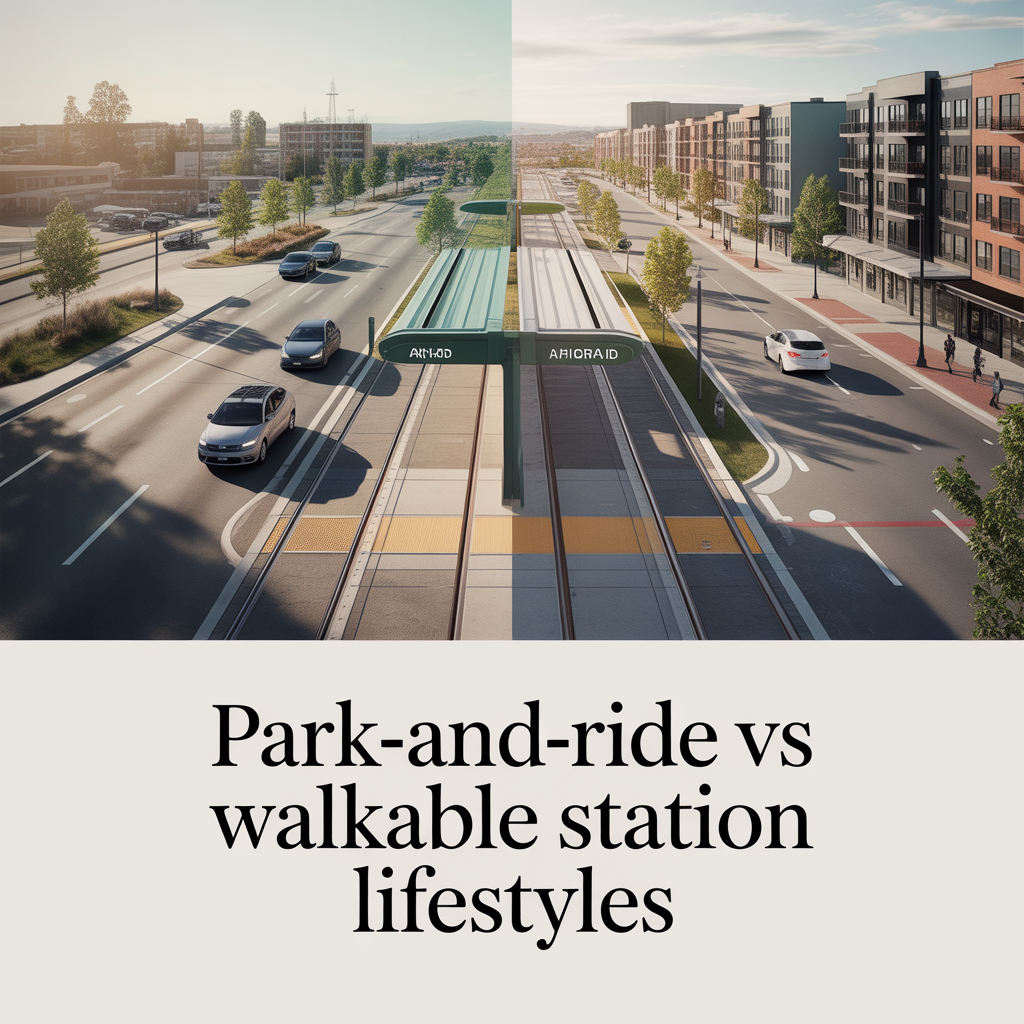
In Aurora, choosing between a park-and-ride lot or a walkable R-Line station shapes more than your morning—it defines how transit weaves into your daily life and long-term home satisfaction. Park-and-rides like Peoria or Iliff offer car-to-train efficiency for eastern and central neighborhoods, while walkable stops such as Fitzsimons or Aurora Metro Center suit those craving seamless, car-light routines. As a lifelong Denver resident with decades guiding Aurora families, I’ve seen both lifestyles thrive when matched to real needs, turning the R-Line from a backup option into a rhythm enhancer.
These choices ripple through family logistics, costs, and even resale value. A park-and-ride home might save on city living premiums but add drive time, while walkable stations demand proximity trade-offs for urban buzz. Understanding their daily feel helps you select neighborhoods that sustain ease over years, not just house-hunting appeal.
Anatomy of Aurora’s R-Line Access Points
The R-Line’s 10 Aurora stations split naturally into these lifestyles. Park-and-rides dominate at Iliff (city-managed garage, 600+ spaces), Peoria (large lot for DIA feeders), and Florida, where drivers from Heather Gardens or Southlands park once and ride. These spots charge modest fees but deliver capacity for hybrid workers parking at 7 a.m. and grabbing the A Line for airports.
Walkable stations cluster centrally: Fitzsimons (steps from UCHealth), Colfax, 13th Avenue, and 2nd Ave-Abilene, where sidewalks lead from townhomes to platforms in under 10 minutes. Aurora Metro Center bridges both, with nearby condos and surface lots. Service runs every 15-30 minutes peak, making either viable, but lifestyle dictates the win.
Over time, park-and-riders reclaim garages for storage, while walkers shed car payments entirely. Both cut I-225 stress, but their rhythms differ sharply.
Park-and-Ride Living: Convenience with a Drive
Eastern and Southern Neighborhoods That Feed the Lots
Live in Painted Prairie or Tallyn’s Reach, and Peoria Station’s lot becomes your launchpad. A five-minute drive from new builds drops you into 1,000+ spaces, boarding for Anschutz in 20 minutes total—ideal for DIA logistics families avoiding E-470 tolls. Iliff’s garage serves central Aurora like Summer Lakes, where parents park, ride to Nine Mile for school buses, and return with dry-cleaned clothes via Route 6.
This lifestyle suits car-dependent outskirts. Mornings mean a quick highway hop, no circling urban streets. Afternoons, grab the 4 p.m. train home, avoiding Havana gridlock. Families report less fatigue: one car stays parked, cutting gas by 40% yearly. Neighborhoods here offer larger lots and yards, trading walkability for space.
Winter shines here too—lots plow first, trains run on time. I’ve guided airport crews to these spots, watching them settle for the predictability that lets evenings stretch longer.
Daily Flow and Trade-Offs
Park-and-ride days start with a 10-minute buffer drive, but station hunts add stress during peaks. Fees—$1-4 daily—pile to $800 yearly for five-days-a-week users, though passes offset. Flexibility rules: late meetings mean grabbing the car, not waiting hourly off-peak.
Long-term, these homes appreciate with DIA growth, drawing commuters who value the hybrid buffer. Yet isolation creeps in—errands require returning home first, shortening free time.
Walkable Station Life: Urban Rhythm Without Keys
Central Corridors Where Feet Lead to Trains
Fitzsimons Station anchors medical pros in Del Mar Parkway condos—a three-block stroll lands you on the platform by 7:20 a.m., at UCHealth by 7:45 without parking fees. Aurora Metro Center’s shops pair with nearby rowhomes, letting you train to Colfax for coffee, walk back with bags. 2nd Ave-Abilene serves Morris Heights renters, blending mature trees with five-minute platform access.
This flow feels effortless. Mornings free hands for phones or kids’ backpacks; no lot navigation. Afternoons, hop off at 13th Avenue, grab Havana tacos, home by 5:30. Neighborhoods pack density—townhomes, apartments—with cafes and parks filling gaps cars once bridged.
Socially, it connects: bump into neighbors at rush hour, chat on packed trains. Families ditch second cars, pocketing $5,000 yearly for soccer leagues or upgrades.
Everyday Rhythm and Compromises
Walkable wins compound in snow—sidewalks clear faster than lots, trains beat stalled traffic. Groceries loop via station buses; hybrid days to Stanley Marketplace take 15 minutes total. Drawbacks hit in gear-heavy lives—strollers or bikes need lockers, and off-peak waits stretch errands.
Resale favors these spots as young pros flock in, pushing premiums 10-15%. Mature areas like Colfax hold charm, softening urban edges with quiet streets.
Comparing Lifestyles Head-to-Head
Park-and-rides suit sprawling families; walkables draw singles or downsizers. Hybrid data shows walkers log fewer miles, less wear.
Misunderstandings That Mismatch Homes
Buyers chase park-and-rides for “transit access,” ignoring walk times from lots eclipse savings. Walkable fans overlook noise—Colfax trains hum hourly. Families assume kids walk alone; reality demands buses or escorts under 12.
Parking myths persist—”always full”—but peaks pass. Off-peak walkers face dark paths; lights and apps mitigate. Resale overlooks shifts: remote work boosts park-and-rides, density lifts walkables.
Trial weeks reveal truths—many switch after living it.
Infrastructure and Future Shifts
Aurora bolsters both: Iliff garage expansions, bike shares at Fitzsimons. RTD’s 2026 tweaks sync frequencies, while TOD zoning at Metro Center adds shops. East extensions could park-and-ride more edges, but cores stay walkable kings.
Homeowners near upgrades gain equity—Iliff lots now premium.
Guidance for Your R-Line Lifestyle
Test peaks: park at Peoria rush hour, walk Fitzsimons mornings. Budget true costs—walkers save big. Families, prioritize Iliff for school hybrids. Sellers tout “3 blocks to train” or “5 min to garage.”
Winter prep: boots for walks, remote starts for lots.
Long-Term Satisfaction by Access Type
Park-and-rides build buffer lives—space and speed for growing families. Walkables foster connection, cutting costs for stability. Both outpace car-only stress, lifting tenure and values.
Finding Your R-Line Fit in Aurora
Aurora’s R-Line lifestyles—park or walk—elevate homes when they match your flow, from medical mornings to family evenings. Decades guiding locals prove the right access turns transit into time gained.
Weighing park-and-ride ease or walkable vibe for your next move? Let’s talk it through—no pitches, just tailored insight from Aurora’s streets. Reach out; we’ll align the station that powers your days.
Get the full Denver Market Insights → [Market Insights]



Littleton’s Ken Caryl for Lockheed Relocations
This is part of Lockheed Martin Relocation → [Lockheed Martin Relocation Hub] & the larger Denver Relocation Hub → [Denver Relocation Hub] Written by: Chad Cabalka Ken Caryl is one of the best-kept “family first” relocation options for Lockheed Martin employees who want foothills scenery, strong neighborhood appeal, and a real suburban lifestyle that still feels connected…


Centennial & Parker for Lockheed Relocations
This is part of Lockheed Martin Relocation → [Lockheed Martin Relocation Hub] & the larger Denver Relocation Hub → [Denver Relocation Hub] Written by: Chad Cabalka Centennial and Parker are two of the smartest suburban choices for Lockheed Martin employees relocating with families because they give you a strong balance of commute flexibility, good neighborhood variety, and…

Highlands Ranch for Family-Friendly Lockheed Relocations
This is part of Lockheed Martin Relocation → [Lockheed Martin Relocation Hub] & the larger Denver Relocation Hub → [Denver Relocation Hub] Written by: Chad Cabalka Highlands Ranch is one of the strongest choices for Lockheed Martin employees relocating with families because it delivers exactly what most parents want after a big move: stable neighborhoods, strong community…