


This is part of Parker Lifestyle Guide → [Parker Lifestyle Hub] & Parker Real Estate Guide → [Parker Real Estate Guide]
Written by: Chad Cabalka
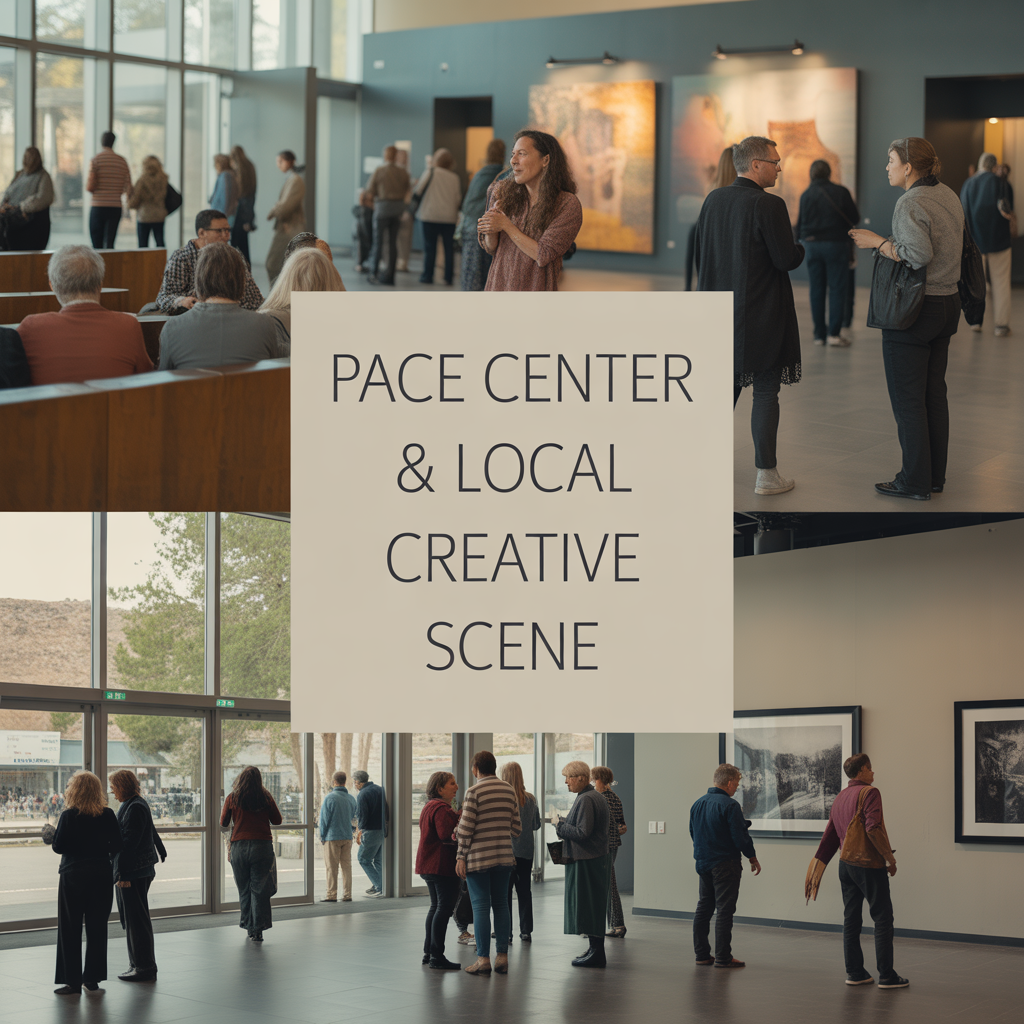
If you live in Parker, you’ve probably driven past the Parker Arts, Culture & Events (PACE) Center and noticed its clean, modern lines just off Mainstreet, but you may not realize how central it is to the town’s creative life. As a lifelong Denver‑area resident who’s watched Parker grow from a quieter bedroom community into one of the most amenity‑rich parts of the metro, I can tell you that the PACE Center isn’t just a theater; it’s the quiet engine of the town’s local arts and culture scene.
Located at 20000 Pikes Peak Avenue in downtown Parker, the PACE Center opened in 2011 as the flagship venue for Parker Arts, the town’s cultural department. It houses a 500–534‑seat Mainstage Theater, an Art Gallery, an Event Room, a Dance Studio, several smaller classrooms and labs, and an outdoor West Terrace that overlooks the Front Range. That mix of spaces makes it one of the most versatile cultural hubs in the south metro area, capable of hosting everything from touring concerts and Broadway‑style musicals to art exhibits, weddings, and community lectures.
What the PACE Center Actually Offers Residents
For Parker residents, the PACE Center functions as both a destination and a creative anchor. The Mainstage Theater regularly hosts touring performers, comedians, tribute bands, and family‑friendly shows, drawing audiences from across Douglas County and beyond. Recent seasons have included national acts, comedy nights, and full‑scale musicals such as Shrek The Musical, which have become local talking points and repeat‑visit events for families and couples.
Beyond big‑name shows, the center is home to:
- Art Gallery exhibits featuring local and regional artists, with rotating displays that change several times a year.
- Classes and camps in theater, dance, visual arts, and music, which many Parker families use as after‑school or summer enrichment.
- Community events such as holiday celebrations, lectures, and cultural showcases that tie into the town’s broader calendar.
For long‑time residents, the PACE Center has become the place where kids perform in their first plays, where teens audition for musicals, and where adults take evening classes or attend concerts without having to drive into Denver.
How the PACE Center Shapes Parker’s Creative Identity
Parker’s creative scene has always been more low‑key than downtown Denver’s, but the PACE Center gives it structure and visibility. It’s the primary venue for local theater companies, dance troupes, and music groups that might otherwise struggle to find a professional‑grade stage. Those groups, in turn, draw in volunteers, parents, and neighbors who become part of the audience and the behind‑the‑scenes community.
Over time, that creates a feedback loop: more programming attracts more attendees, which encourages more local talent to step forward. High‑school drama programs, community choirs, and youth dance studios often book time at the PACE Center for recitals and performances, turning the theater into a kind of shared stage for the whole town. That sense of ownership—“this is our theater”—is one of the reasons so many Parker families feel attached to the space even if they only attend a few shows a year.
The Role of The Schoolhouse and Broader Parker Arts
The PACE Center doesn’t operate in isolation. It’s part of a larger ecosystem called Parker Arts, which also includes The Schoolhouse, a rehabilitated historic school building that houses additional performance space, classrooms, and a heritage center. Together, these venues give the town multiple stages and classrooms where local artists, educators, and organizations can teach, rehearse, and perform.
Parker Arts also oversees public art installations, community events, and outreach programs that bring creativity into parks, schools, and neighborhood spaces. That broader reach means the local creative scene isn’t confined to the theater; it spills out into the streets, parks, and schools, reinforcing the idea that art and culture are part of everyday life in Parker, not just special‑occasion outings.
What This Means for Homeowners and Families
From a real estate and lifestyle standpoint, the PACE Center and the broader Parker Arts network add a quiet but meaningful layer of value to the town. Homes within easy walking or biking distance of downtown Parker—near Mainstreet, Discovery Park, or the PACE Center itself—offer residents the convenience of attending shows, classes, and events without a long drive.
For families, that proximity can make a real difference in how often kids participate in the arts. A short drive or bike ride to a rehearsal or performance lowers the barrier to involvement, which can translate into more consistent engagement over the years. For empty‑nesters and remote workers, the center offers evening and weekend options that feel more cultural and less commercial than a typical suburban entertainment strip.
A Conversation About Your Parker Lifestyle
The PACE Center and Parker’s local creative scene are more than just amenities; they’re part of what gives the town its character. They shape how families spend their weekends, how kids grow up, and how long‑term residents stay connected to their community. If you’re thinking about buying, selling, or simply understanding how your neighborhood fits into Parker’s larger fabric, these spaces are worth factoring into the conversation.
As a lifelong Denver‑area resident who’s watched Parker evolve, I’m always happy to talk through what these venues mean for your lifestyle and your long‑term plans. This isn’t about pushing a sale; it’s about helping you find a home and a routine that fit how you actually live — today and ten years from now.
Get the full Denver Market Insights → [Market Insights]


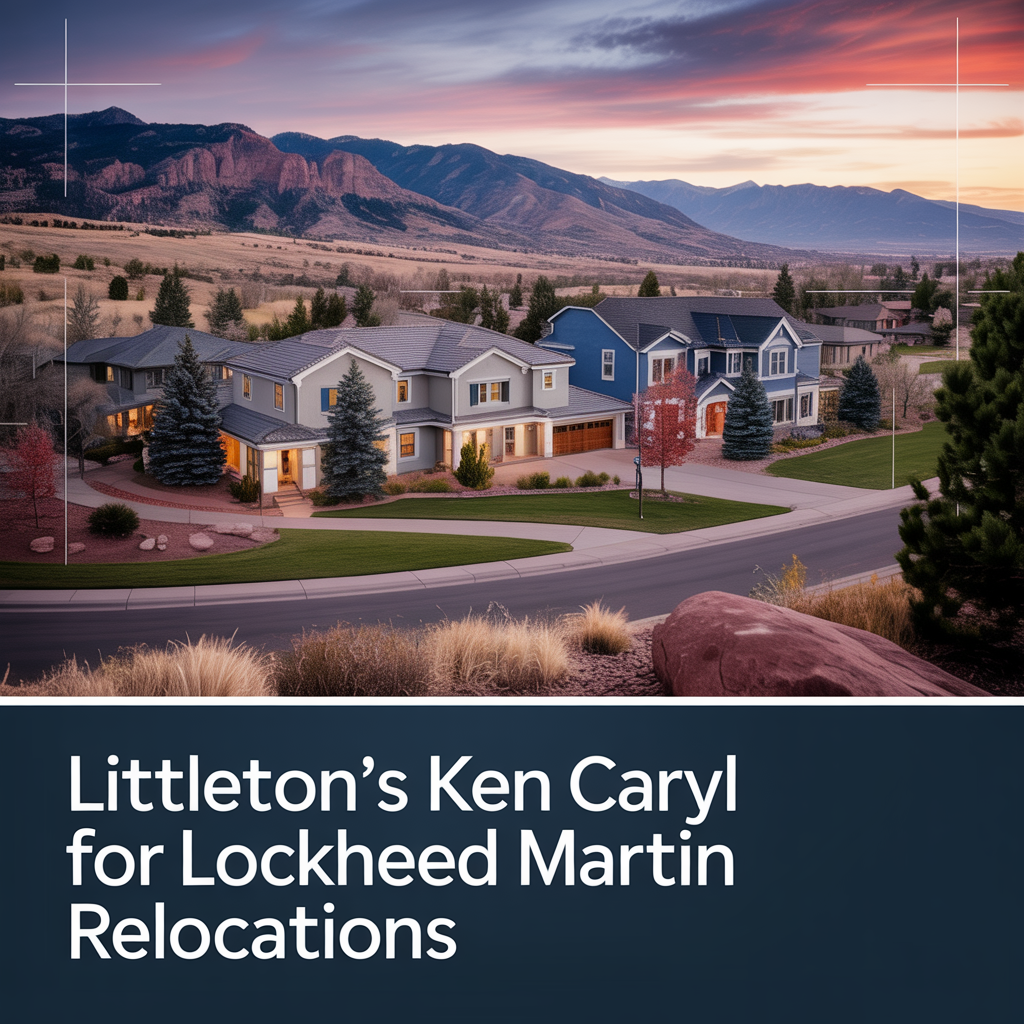
Littleton’s Ken Caryl for Lockheed Relocations
This is part of Lockheed Martin Relocation → [Lockheed Martin Relocation Hub] & the larger Denver Relocation Hub → [Denver Relocation Hub] Written by: Chad Cabalka Ken Caryl is one of the best-kept “family first” relocation options for Lockheed Martin employees who want foothills scenery, strong neighborhood appeal, and a real suburban lifestyle that still feels connected…

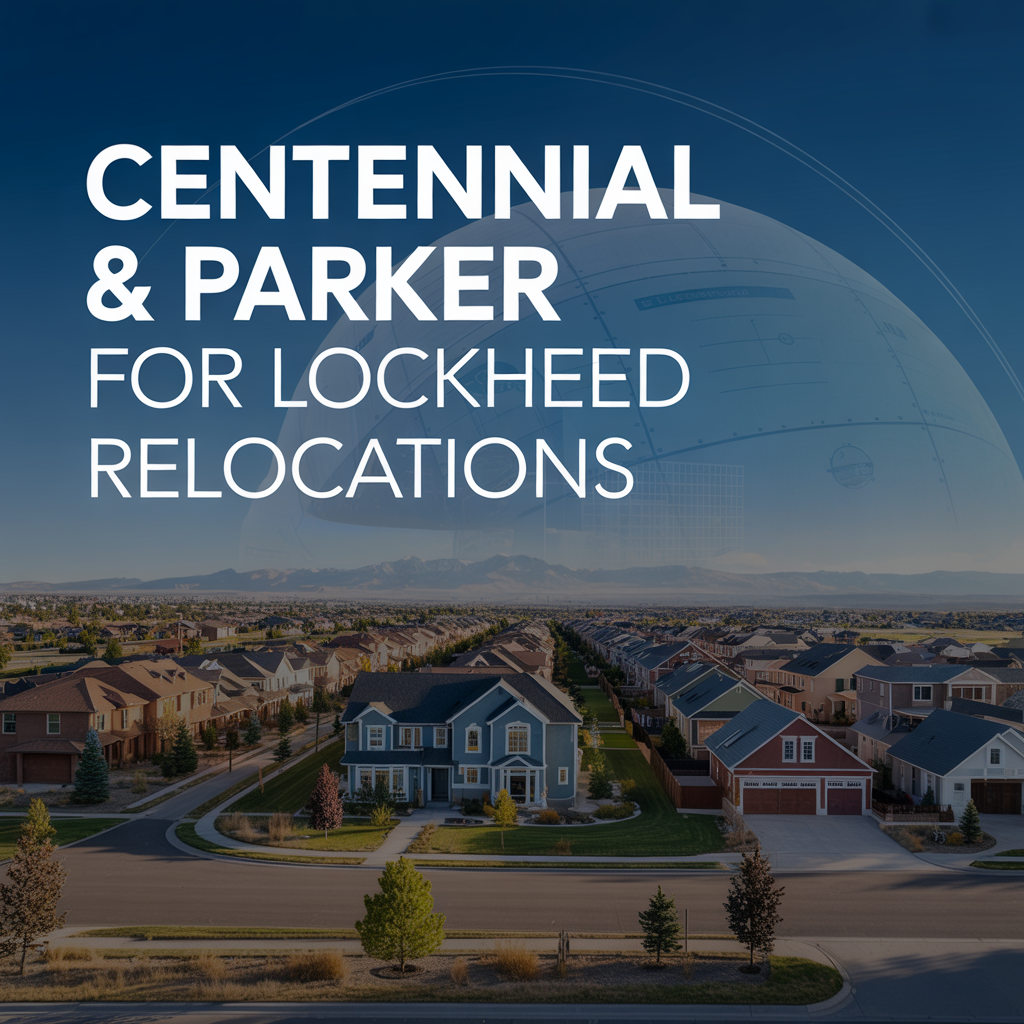
Centennial & Parker for Lockheed Relocations
This is part of Lockheed Martin Relocation → [Lockheed Martin Relocation Hub] & the larger Denver Relocation Hub → [Denver Relocation Hub] Written by: Chad Cabalka Centennial and Parker are two of the smartest suburban choices for Lockheed Martin employees relocating with families because they give you a strong balance of commute flexibility, good neighborhood variety, and…

Highlands Ranch for Family-Friendly Lockheed Relocations
This is part of Lockheed Martin Relocation → [Lockheed Martin Relocation Hub] & the larger Denver Relocation Hub → [Denver Relocation Hub] Written by: Chad Cabalka Highlands Ranch is one of the strongest choices for Lockheed Martin employees relocating with families because it delivers exactly what most parents want after a big move: stable neighborhoods, strong community…