



This is part of Parker Lifestyle Guide → [Parker Lifestyle Hub] & Parker Real Estate Guide → [Parker Real Estate Guide]
Written by: Chad Cabalka
In Parker, conversations about schools inevitably split into two rough paths: the neighborhood (DCSD or charter) route and the private school route. Families wrestle with the same question everywhere, but in our community, the math, the commute, and the daily rhythm are especially tied to that decision.
For a homebuyer, this isn’t just about academic quality or test scores; it’s about how the choice shapes the family’s calendar, the parents’ careers, and the practical details of living in a Parker neighborhood day after day, year after year.
When I help families think through this, I encourage them to look at it not just as an education decision, but as a lifestyle decision — one that can quietly shape the value of their home, their monthly budget, and how much they enjoy living in Parker over the long haul.
The Public School Landscape in Parker: Stability and Scale
Most families in Parker choose public education, whether in Douglas County School District (DCSD) or one of the respected charter schools that operate here. The DCSD feeder pattern we’ve discussed — Chaparral, Legend, Ponderosa clusters — gives families a stable, predictable path from elementary through high school, which is deeply appealing to families who value continuity and neighborhood roots.
Those schools are large, well‑resourced, and integrated into the fabric of the community. They offer full sports programs, strong academics, arts, and a wide range of extracurriculars. For many families, the social side is just as important as the academic side: kids grow up with the same neighborhood friends, attend school events together, and often stay in the same social circles from elementary through high school.
That social fabric is a big part of what makes Parker feel like a home. It’s visible in the Friday night football games, the packed PTO meetings, and the backyard birthday parties where half the class shows up. For families who want that kind of embedded community, the public school path is a natural fit not just for school, but for real estate.
The Day‑to‑Day Realities of Public School Life
Choosing a public or charter school in Parker usually means a daily schedule that’s anchored to the DCSD bell times: early morning start (around 7:45–8:00 a.m.), mid‑afternoon dismissal (around 2:15–3:15 p.m.), and occasional early dismissals or late‑start Wednesdays.
This rhythm is predictable, but it does require coordination. Many dual‑income families rely on YMCA, school‑run programs, or other local before‑ and after‑school care to bridge the gap between school hours and work hours. Homes that are close to both the school and the nearest quality care option tend to feel more convenient, especially if one or both parents work outside the immediate area.
The commute is also a factor. Many families in Legend, Chaparral, or Ponderosa feeders live within a 10‑ to 15‑minute drive of the school, which keeps the daily round‑trip manageable. In neighborhoods where streets are narrow and school drop‑off/pickup is heavy, families tend to weigh congestion and noise as part of their lifestyle comfort, not just as a one‑time decision.
For homebuyers, the takeaway is that the most satisfying public school experience in Parker is often not just about test scores, but about a neighborhood that supports the routine: walkable or short‑drive access to school, good after‑school options nearby, and a community that feels cohesive and stable.
The Private School Path: More Choice, More Complexity
In Parker, a smaller but meaningful percentage of families opt for private education. These schools are typically smaller, faith‑based or specialized (Montessori, Christian, classical, etc.), and offer a different kind of classroom experience: smaller class sizes, more individualized attention, and a strong sense of mission or culture.
For some families, that environment is exactly what they’re looking for: more structure, a tighter community, or a values‑based education that aligns with how they want to raise their children. The smaller size can also mean closer relationships with teachers and a highly engaged parent body.
But private school comes with a different set of lifestyle trade‑offs that are important to acknowledge. Tuition is a permanent line item in the household budget, and it often climbs each year. Families also need to plan for transportation, since most private schools are not located in the same neighborhood pattern as DCSD schools. That can mean a longer morning and afternoon commute, which adds time and complexity to the daily schedule.
How Private School Shapes the Daily Routine
The biggest practical difference for Parker families on the private school path is the commute. Most of the private schools in the Parker area are concentrated in specific locations (like 800 Colorado Blvd for some or pockets along Jordan Road), so families might be driving children from Stonegate, The Pinery, or Idyllwilde to the same central campus each day.
That consistent drive shapes the household rhythm differently. Breakfast has to be earlier, there’s less time for spontaneous neighborhood play after school, and the flexibility to attend school events or parent meetings can be harder to manage if parents are in jobs that don’t bend easily around a mid‑day school event.
Many families respond to this by organizing carpools or adjusting work schedules, but it still adds a layer of complexity. For families considering private school, it’s worth sitting down with a calendar and mapping out not just the financial cost, but the time cost — how many hours per week are spent in the car, and how that affects evenings, weekends, and long‑term job flexibility.
Lifestyle Balance: What Most Families Actually Prioritize
After decades of working with families in Parker, one clear pattern stands out: the happiest long‑term homeowners are rarely the ones who chose the “most prestigious” school, but the ones who chose a school that fits their actual daily life.
For many, that means:
- A neighborhood that supports the school schedule (shorter commute, good after‑school options).
- A choice that aligns with the family’s values and routine, not just a glossy brochure.
- A home that feels comfortable and stable, not just on paper, but in how evenings and weekends actually unfold.
In Parker, the public school path often wins on scale and convenience; it’s designed to serve large numbers of families with a predictable, neighborhood‑based routine. The private school path often wins on philosophy and culture, but it typically requires more time, more planning, and a tighter budget.
The most balanced families I see are the ones who make that choice deliberately, knowing what they’re trading off, and then build a home and neighborhood that support that decision for years to come.
Long‑Term Impact on Home Value and Resale
From a real estate perspective, the school choice also influences how a home is perceived on the market over time. Homes in desirable DCSD feeder patterns (like Chaparral, Legend, and Ponderosa) tend to attract a broad pool of buyers who are familiar with the Douglas County system and want that neighborhood‑based continuity.
Private school families are a smaller niche, so homes that are obviously tied to a private school path (for example, far from DCSD schools but very close to a private campus) can be a bit more specialized in the resale market. That’s not a bad thing, but it’s important to know that the next buyer is more likely to be another private school family, not a mainstream DCSD feeder buyer.
For long‑term value, homes that successfully blend strong neighborhood schools with access to good private or charter options tend to hold the most appeal. They offer flexibility: a family can start with a neighborhood school, later explore choice or charter, and still have a home that feels connected to the community, wherever their school path leads.
A Local’s Perspective on Making a Sustainable Choice
The best advice I give families in Parker is this: treat the school decision as part of the overall housing and lifestyle picture.
Ask yourself:
- How does this school schedule feel for a family with our work hours and commute patterns?
- What does the neighborhood feel like at 7:30 a.m. and 3:00 p.m. on a typical school day?
- How will this choice feel in five or ten years, when the kids are in middle and high school, and the neighborhood routine is well established?
In a town like Parker, where so much of life is built around the rhythms of school, the right fit between education and neighborhood can make a home feel like a true anchor for decades. I’m not here to sell a school or a listing; I’m here to help families make a clear, calm, long‑term decision about where they’ll be most comfortable for years after closing.
If you’re weighing public vs. private in Parker and want to talk through how each path might play out in your specific situation, I’d be happy to walk through it with you — no pressure, just a straightforward conversation about what will really matter once you’re unpacking the boxes.
Get the full Denver Market Insights → [Market Insights]


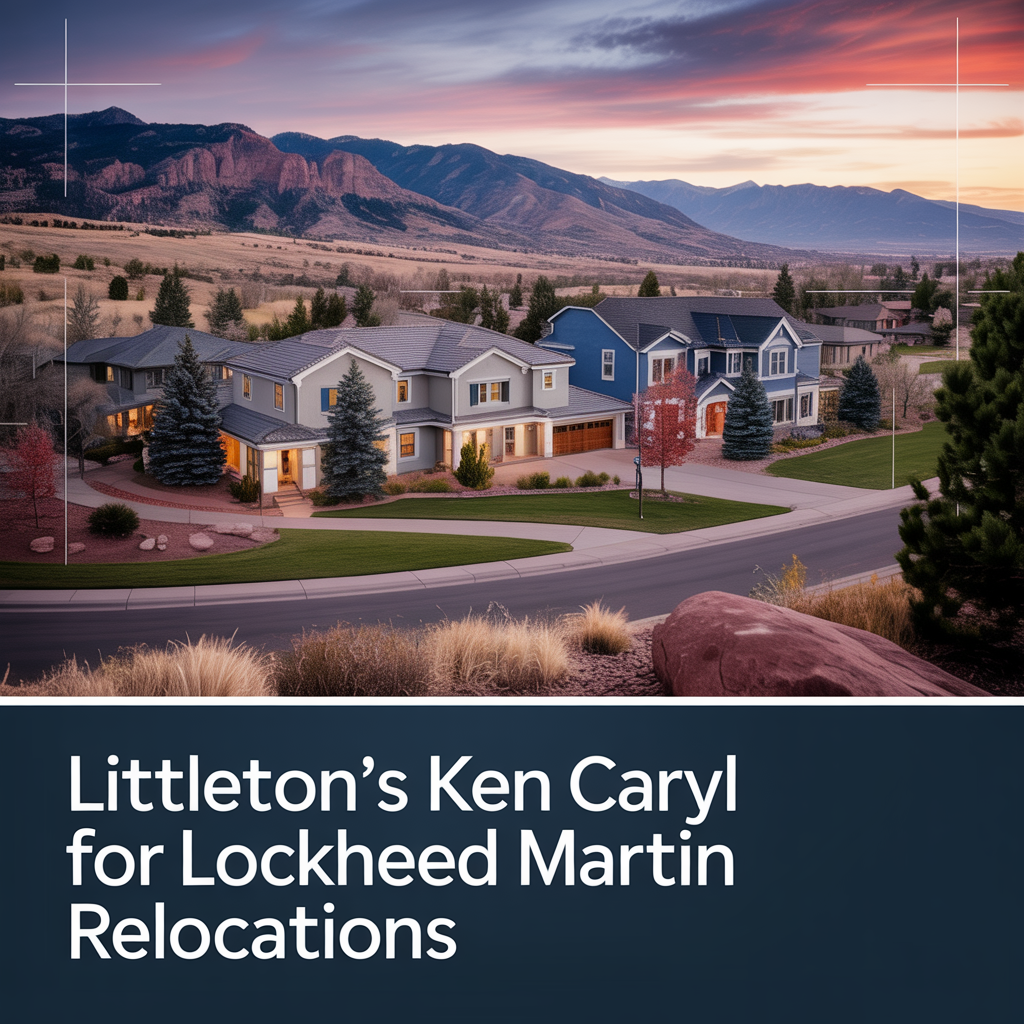
Littleton’s Ken Caryl for Lockheed Relocations
This is part of Lockheed Martin Relocation → [Lockheed Martin Relocation Hub] & the larger Denver Relocation Hub → [Denver Relocation Hub] Written by: Chad Cabalka Ken Caryl is one of the best-kept “family first” relocation options for Lockheed Martin employees who want foothills scenery, strong neighborhood appeal, and a real suburban lifestyle that still feels connected…

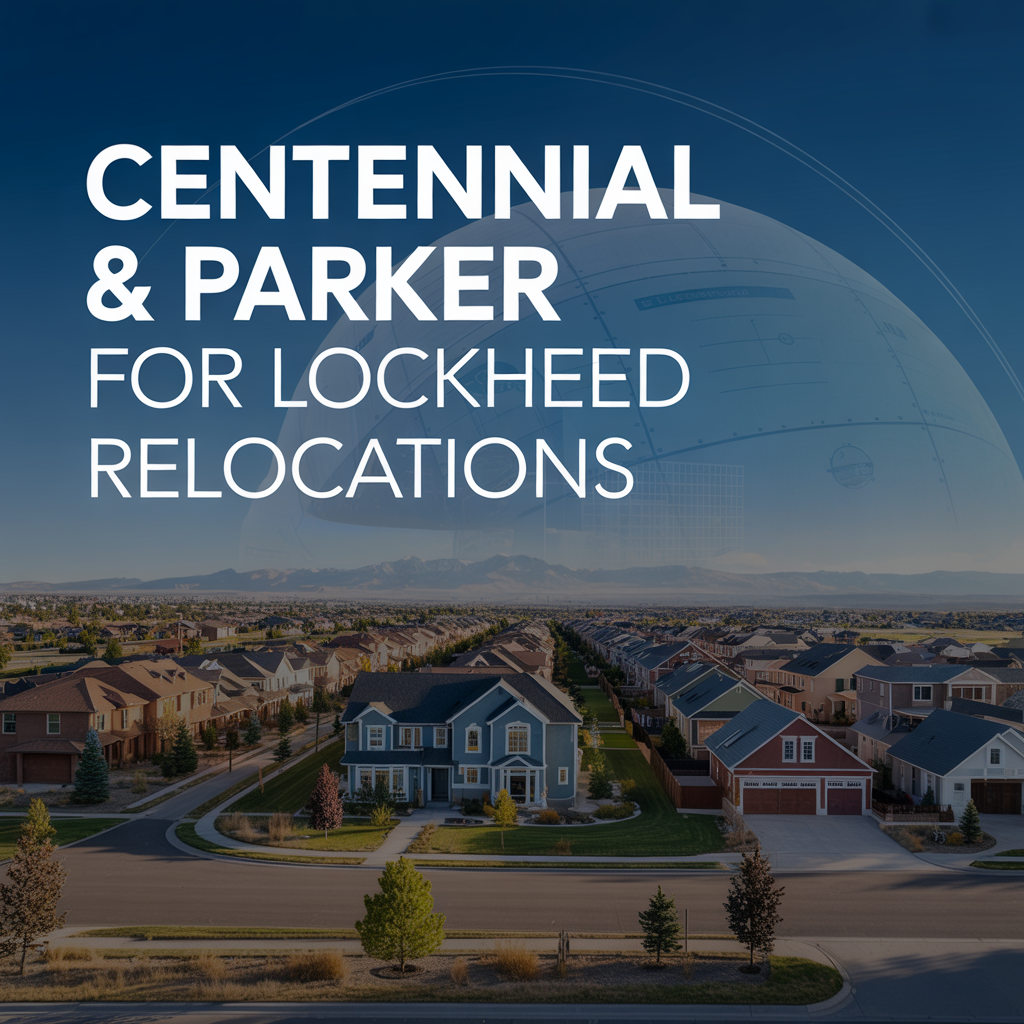
Centennial & Parker for Lockheed Relocations
This is part of Lockheed Martin Relocation → [Lockheed Martin Relocation Hub] & the larger Denver Relocation Hub → [Denver Relocation Hub] Written by: Chad Cabalka Centennial and Parker are two of the smartest suburban choices for Lockheed Martin employees relocating with families because they give you a strong balance of commute flexibility, good neighborhood variety, and…

Highlands Ranch for Family-Friendly Lockheed Relocations
This is part of Lockheed Martin Relocation → [Lockheed Martin Relocation Hub] & the larger Denver Relocation Hub → [Denver Relocation Hub] Written by: Chad Cabalka Highlands Ranch is one of the strongest choices for Lockheed Martin employees relocating with families because it delivers exactly what most parents want after a big move: stable neighborhoods, strong community…