


Financing a Home in Denver → [Denver Home Financing Guide] & For more info on Buying in the Denver Metro Area → [Denver Metro Home Buying Process]
Written by: Chad Cabalka
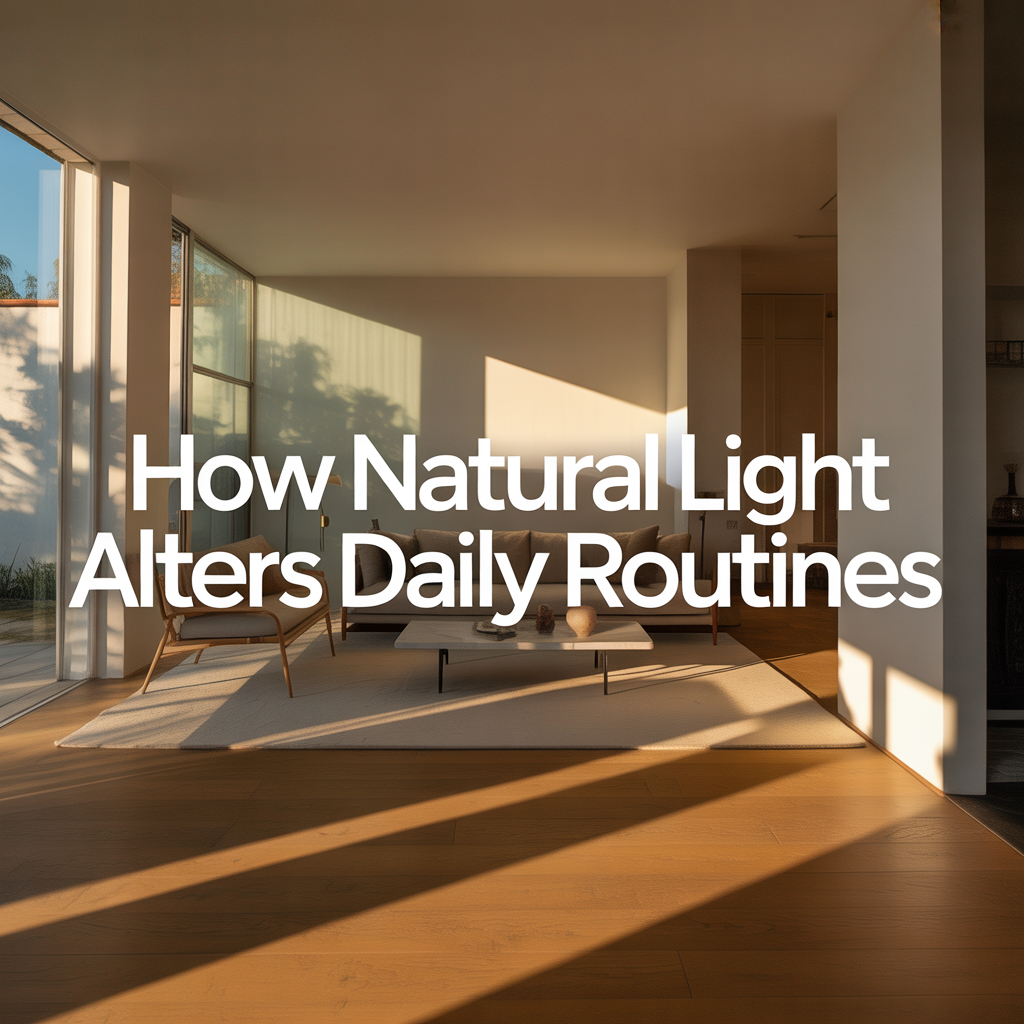
In Denver, where we get around 300 days of sunshine a year, natural light is more than a nice bonus — it quietly shapes how people live in a home, how alert they feel through the day, and even how their sleep and mood cycle over time. After 15 years helping buyers choose homes, I’ve seen how light changes more than just a home’s “feel”; it changes the hourly rhythm of cooking, working, relaxing, and winding down, in a way that adds up to a very different quality of life over months and years.
How Morning Light Sets the Daily Tone
In homes with good morning light — especially in windows that catch the east- and south-facing light in the first 60–90 minutes after sunrise — people tend to wake up more easily, with less need for multiple alarms or a long slog to get going. That early light helps set the body’s internal clock, or circadian rhythm, which supports deeper sleep at night and more steady energy through the day.
In Denver, where so many people work hybrid schedules or run small businesses from home, this matters. A home with a bright primary bedroom or a kitchen that catches that morning sun often feels like a home where the days start smoothly, not in a blur. That small advantage in alertness adds up over weeks, especially in our high-altitude, sometimes demanding lifestyle.
Conversely, a home where the main living areas face north or are shaded by trees or nearby buildings can feel darker and sleepier in the morning, even with a bright sky outside. That often means more reliance on harsh overhead lights, extra caffeine, and a slower transition into the day, which many long-term residents notice as a subtle source of fatigue.
How Work & Focus Depend on Light Quality
For anyone who works from home, the quality and direction of natural light is a big deal. Light that’s steady and coming from the side (through large windows to the side of a desk) tends to support better focus and reduce eye strain, compared to relying on ceiling lights alone or a workspace in a dim corner.
In Denver homes, this shows up clearly in:
- A dining or nook area that also serves as a workspace; if it’s well lit, it’s more sustainable for hours of work.
- A basement or rec room that’s used as a secondary office; if it’s low on windows or artificial light, it can feel draining over time, even if it’s quiet and free of distractions.
I’ve worked with many buyers who end up paying more for a home simply because the main living area gets strong, consistent light and the natural light plan supports a long-term hybrid work routine. That’s not just about comfort; it’s about preserving mental energy and avoiding the kind of fatigue that creeps in when a home feels like it’s always dim, even on a bright day.
How Afternoon and Evening Light Changes Mood
Afternoon light in Denver can be especially powerful — bright, clear, and often coming in at a low angle that warms up rooms and makes the home feel more generous.
A home with a big living area or a kitchen that catches that west- or south-facing midday and afternoon light often feels more “social” and inviting in the late afternoon and early evening. That’s when people are coming home, cooking, and winding down; a well-lit space tends to feel more relaxed and less tense, which many families find meaningful after a busy week.
On the flip side, homes that are shaded in the afternoon tend to feel like they’re always in “evening mode,” even at 3–4 p.m. That can make the house feel cozier, but also a bit sleepy or even slightly depressing in winter, especially if the artificial lights aren’t thoughtfully layered. Many buyers in sun-loving Denver neighborhoods end up valuing that long afternoon light as much as square footage, because it supports a more positive mood through the day.
How Light Influences Sleep and Nighttime Routines
Natural light is also one of the biggest factors in how well people sleep, and that flows directly into their daily routine.
A home that’s bright during the day, especially in the morning and midday, helps the body produce melatonin at the right time in the evening, which makes it easier to fall asleep and stay asleep. That’s especially helpful in Denver, where so many people are active, and the drive to do more can sometimes push bedtime later.
When the same home has a bedroom that’s a bit darker or more shielded from street and screen light, and the living areas aren’t so open that the TV or kitchen lights are always visible from the bed, the transition to sleep tends to be smoother. That small difference in light quality can make a home feel more like a refuge, not just a place to pass out.
Conversely, a home that’s bright all day but has a bedroom that’s also the main TV and screen zone, or one that’s exposed to strong streetlight at night, often feels more disruptive over time. That’s where buyers start talking about “needing to fix the blinds” or “building a true retreat,” and those fixes are often more about restoring healthy light rhythms than about aesthetics.
How Light Shapes Family Flow and Household Habits
In households with kids, pets, and a busy schedule, light also changes where people naturally gather and how the home is used through the day.
A bright, well-lit kitchen-living area tends to be the de facto hub — where kids do homework, people cook and eat, and the family reconnects after work and school. That’s usually a good thing, but it can also create a sense of being “always on” if there’s no lower-light, quieter place to retreat.
Homes with a mix of light zones — a bright main area, and a lower-lit nook, den, or basement room that can be a “cozy corner” — often feel more balanced. That’s where people can read, watch a show, or work on a hobby without the whole house feeling like it’s living under a spotlight.
I’ve seen many families choose a home not because it’s the largest, but because the light plan supports the way they actually live: a bright, open kitchen for mornings and homework, and a quieter, softer-lit space for decompressing in the evening.
How Buyers Use Light When Choosing a Home
In today’s Denver market, serious buyers are more intentional about light than they used to be. They’re not just checking for big windows; they’re noticing:
- When the sun hits the main living area and how it moves through the day.
- Whether the primary bedroom gets real morning light.
- How much task light is needed in the kitchen, and whether artificial light feels like a substitute rather than a supplement.
For people who are in a home decades, that light plan becomes part of the backstory of their daily life: it shapes when they’re alert, when they’re tired, and how much daily stress is added or subtracted just by the way the house handles light.
A Practical Takeaway
When you’re looking at a home, it’s worth asking, not just “Is it bright?” but “How does this light pattern fit our hours?”
- Does the main living area feel like it supports morning energy and afternoon decompression?
- Is there a true “dim zone” where the family can unwind without feeling like the house is always lit up?
- How does the light feel in the rooms that will be used for work, school, and sleep?
For sellers, it’s about showing how the home supports a realistic, busy Denver life — not just a well-lit photo, but a home where light guides the daily rhythm in a calm, thoughtful way.
If it would be helpful, I’d be glad to walk through how light and layout play out in your neighborhood or a specific home, and how to choose a floor plan that feels like it supports a grounded, sustainable routine in today’s Denver market.
Get the full Denver Market Insights → [Market Insights]



Aurora Southlands Living For Aerospace And Defense Families
This is part of Lockheed Martin Relocation → [Lockheed Martin Relocation Hub] & the larger Denver Relocation Hub → [Denver Relocation Hub] Written by: Chad Cabalka Relocating to Denver for Lockheed Martin changes the home search fast, because Waterton Canyon is not the kind of campus you casually “figure out later.” The southwest metro drives the whole…


Best Neighborhoods For Buckley Space Force Base Commuters
This is part of Lockheed Martin Relocation → [Lockheed Martin Relocation Hub] & the larger Denver Relocation Hub → [Denver Relocation Hub] Written by: Chad Cabalka If Buckley Space Force Base is the anchor of your move, the best neighborhoods are usually in east and southeast Aurora, with the strongest practical options around Southlands, Murphy Creek, East…

C-470 Commuting Strategy For South Denver Aerospace Workers
This is part of Lockheed Martin Relocation → [Lockheed Martin Relocation Hub] & the larger Denver Relocation Hub → [Denver Relocation Hub] Written by: Chad Cabalka If you work at Waterton, split time between Waterton and the DTC, or live anywhere in the south metro with a Lockheed Martin paycheck attached to it, C-470 is the corridor…