



Financing a Home in Denver → [Denver Home Financing Guide] & For more info on Buying in the Denver Metro Area → [Denver Metro Home Buying Process]
Written by: Chad Cabalka
Want to understand how a home’s age will actually affect your monthly bills, taxes, and repair budget in the Denver area? Click the contact link, send me a message there, call, or shoot me an email — let’s walk through how age really changes ownership costs, so you can choose a home that feels comfortable now and in ten years.
Home age is one of the biggest drivers of true ownership cost in the Front Range, and it’s something that many Denver buyers underestimate when they fall in love with a classic bungalow, a 1920s Park Hill charmer, or a 1980s suburban build. The purchase price is just the starting point; the real difference shows up in property taxes, insurance, maintenance, and how often you’ll be paying for big-ticket items. Older homes aren’t “bad” — they’re often more character-filled and well-located — but they do tend to cost more to own and maintain than newer builds, especially in our harsh Colorado climate.
How Age Affects Annual Maintenance and Repairs
The rule of thumb is simple: older homes usually cost more to maintain, and that cost grows over time if major systems aren’t updated. In Denver, where hail, hard freezes, and strong sun degrade roofs, paint, windows, and siding, this is amplified.
- Newer homes (built in the last 10–15 years) typically have newer roofs, windows, siding, and mechanical systems, so their annual maintenance is often more predictable and lower. Many have known timelines: the roof is 10–12 years old, HVAC is 4–6 years old, and the water heater is 3–5 years in, so you know roughly when big items will need replacement.
- Mid-age homes (1980s–early 2000s) are often in a “sweet spot” for many Denver buyers: they’re in solid neighborhoods, but many are starting to need a roof, windows, a water heater, or a furnace. This tier often has average maintenance that’s higher than a new build, but not as high as a very old home.
- Older homes (pre‑1980, especially pre‑1960) in Denver neighborhoods like Park Hill, Park Hill, Hilltop, and Hill East can be great values, but they come with higher ongoing costs. Roofs, furnaces, water heaters, electrical panels, plumbing, and foundations are often at or near end of life, and maintenance is more frequent and more expensive because of the age, materials, and lack of modern standards.
Buyers who expect maintenance costs similar to a new build often end up stretched when they’re hit by a roof replacement, full plumbing update, or foundation work within a few years of closing.
How Age Drives Property Taxes
In the Denver metro area, property taxes are based on the assessed value of the home, which is heavily influenced by recent sales of similar homes, including newer, more improved properties.
- Newer homes are often priced at a premium for their condition, updates, and energy efficiency, which means they have higher tax bills even if they’re not dramatically larger.
- Older homes in the same neighborhood may have a lower purchase price, but if they’re in a desirable area or have been significantly updated, they can be assessed at a high value, producing a higher-than-expected tax bill.
- Homes that are older and in need of repairs sometimes have a lower immediate tax, but when they’re updated, expanded, or when the county reassesses, the tax bill can jump significantly, which can strain the household budget.
In practice, age doesn’t directly set the tax, but it strongly influences the home’s market value, and that drives the tax bill.
How Age Impacts Insurance Costs
Homeowners insurance in Colorado is sensitive to the condition, age, and location of the home, and older homes often face higher premiums and more limited options.
- Roof age and material. In Denver, a 15–20+ year old roof, especially one that’s taken hail hits, can be a red flag for insurers. Many carriers charge more, impose higher deductibles, or even refuse to write a policy if the roof is too old or in poor condition.
- Mechanical systems. A furnace, water heater, or electrical panel that’s 20–30+ years old can be seen as a higher risk, which can push premiums up or require replacement as a condition of coverage.
- Foundation and structure. Older homes in Denver may have older foundations, slab systems, or older framing, which can be more vulnerable to freeze-thaw cracking and other weather‑related damage, leading to higher risk and higher premiums.
Buyers used to explaining an older home to a lender can also find themselves explaining it to an insurance company, which can result in a quote that’s hundreds of dollars more per month than expected.
How HOA and City/County Fees Can Add Up
In many Denver neighborhoods, especially in older areas, age can mean:
- No HOA, but more responsibility. Older homes in Park Hill, Hilltop, and parts of the Hill East are often in non‑HOA areas, so the owner pays for their own snow removal, landscaping, and exterior maintenance, which can add up to a large portion of the monthly budget.
- HOA with older common areas. Some older townhome and condo complexes have HOAs that may under‑reserve for maintenance, and when the roof, siding, or underground systems finally fail, the community imposes a big special assessment. That’s a huge, one‑time cost that can catch new buyers off guard.
- Municipal fees and special districts. Older areas may be in older water and sewer districts or have other special assessments that don’t affect newer developments, adding another layer of cost.
How Age Changes the “Cost to Carry” in Denver
For families in Denver, the real cost to own a home isn’t just the mortgage; it’s:
- Monthly payment (P&I plus taxes and insurance in escrow),
- Utility bills (electric, gas, water, trash),
- HOA (if applicable),
- Real maintenance and repairs (lawn, snow, HVAC, waterproofing, etc.).
Age tilts almost all of these line items upward:
- Newer builds usually have lower maintenance, more efficient systems, better insulation, and newer components, so the total cost to carry feels more predictable and often lower relative to the price.
- Older homes in good condition can be a great value, but they often come with a larger maintenance budget, higher utilities, and more frequent big‑ticket replacements, which can make the home feel more expensive to live in than a newer build at a similar price.
The smartest buyers in Denver don’t just compare purchase price; they compare the true cost to carry, adjusted for the home’s age, systems, and expected replacement schedule.
How to Make Age Work in Your Favor
Age doesn’t have to be a deal‑breaker; it just needs to be priced and planned for correctly. Buyers who do this well in the Denver area:
- Treat age as a maintenance and replacement timeline, not just a style choice. They get a clear picture of roof age, furnace, water heater, windows, electrical, plumbing, and foundation, then build a realistic 5–10 year plan for what’s likely to be replaced.
- Budget for 1–2% of the home’s value per year for maintenance and repairs. For older homes, they often lean toward 2% or more, especially if they’re in hail‑prone areas or have a lot of yard work.
- Compare total cost to carry, not just the mortgage. They look at taxes, insurance, utilities, HOA, and maintenance, then ask: “Can I afford this for 10–15 years, even with likely increases in taxes, insurance, and a big roof or furnace bill?”
- Use age and condition to negotiate. They’re more willing to offer a strong price on a newer or updated home, and to ask for concessions on an older home that clearly needs updates, so the purchase price reflects the future work needed.
If you’re deciding between an older charmer and a newer build in the Denver area and want to see how age will actually affect your taxes, insurance, maintenance, and long‑term budget, click the contact link, send me a message there, give me a call, or shoot me an email. Let’s go over a realistic, local picture of what ownership will really cost you in each scenario, so you can choose a home that feels right for your life, not just for the moment.
Get the full Denver Market Insights → [Market Insights]


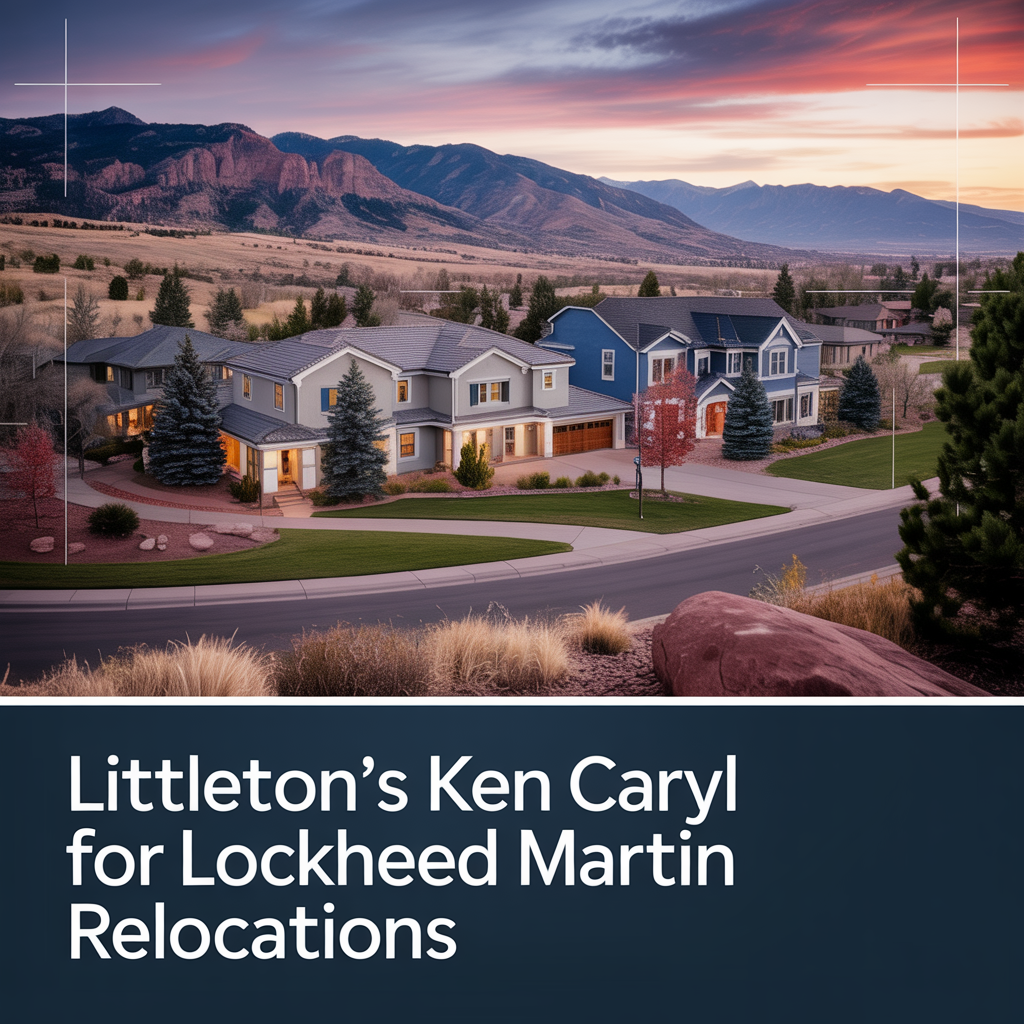
Littleton’s Ken Caryl for Lockheed Relocations
This is part of Lockheed Martin Relocation → [Lockheed Martin Relocation Hub] & the larger Denver Relocation Hub → [Denver Relocation Hub] Written by: Chad Cabalka Ken Caryl is one of the best-kept “family first” relocation options for Lockheed Martin employees who want foothills scenery, strong neighborhood appeal, and a real suburban lifestyle that still feels connected…


Centennial & Parker for Lockheed Relocations
This is part of Lockheed Martin Relocation → [Lockheed Martin Relocation Hub] & the larger Denver Relocation Hub → [Denver Relocation Hub] Written by: Chad Cabalka Centennial and Parker are two of the smartest suburban choices for Lockheed Martin employees relocating with families because they give you a strong balance of commute flexibility, good neighborhood variety, and…

Highlands Ranch for Family-Friendly Lockheed Relocations
This is part of Lockheed Martin Relocation → [Lockheed Martin Relocation Hub] & the larger Denver Relocation Hub → [Denver Relocation Hub] Written by: Chad Cabalka Highlands Ranch is one of the strongest choices for Lockheed Martin employees relocating with families because it delivers exactly what most parents want after a big move: stable neighborhoods, strong community…