



Financing a Home in Denver → [Denver Home Financing Guide] & For more info on Buying in the Denver Metro Area → [Denver Metro Home Buying Process]
Written by: Chad Cabalka
Buying a home in Denver often comes down to one gut feeling: whether the market feels “safe” enough to move forward. That sense of safety isn’t usually about having perfect timing or nailing the lowest price; it’s about whether the decision feels grounded, predictable, and aligned with the way life actually unfolds in this city.
For families here, some neighborhoods, price points, and market conditions simply feel more stable and predictable than others, and that’s where long‑term confidence grows. Understanding what creates that feeling — and what’s just noise — helps buyers make decisions that feel like thoughtful choices, not panic reactions.
Geography and Supply Create Real Stability
In Denver, the “safest” markets are usually the ones where the available supply is more predictable and the boundaries are more defined. These aren’t always the cheapest or most hyped areas, but they’re the neighborhoods where inventory doesn’t swing wildly from one month to the next, and where homes are more likely to be owner‑occupied and well‑maintained.
Areas like parts of the central Denver neighborhoods, West Denver, and many of the family‑oriented foothills communities fall into this pattern. They have a limited number of homes, many already in the 1950s–1990s era, and relatively little capacity for massive new infill or redevelopment. That naturally limits how wildly prices can spike or crash, which makes the market feel more like a steady, gradual trend than a rollercoaster.
In practical terms, a home in a neighborhood that’s built out, with strong streets, mature trees, and a clear sense of character, tends to feel more “safe” over time than one in a newer, more speculative corridor where the next wave of townhomes can dramatically change the block.
Strong Schools Build Predictable Demand
One of the most powerful reasons some parts of Denver feel more stable is that they’re tied to strong, consistent school districts. Neighborhoods in Cherry Creek, Douglas County, and the better pockets of Jeffco and Adams 12 often feel more like a “safe” market because there’s a steady base of family demand, regardless of whether the national narrative is about a “crash” or a “boom.”
Buyers who value stability often end up feeling more at ease in these areas because:
- The schools tend to attract owner‑occupant families, not just investors and short‑term renters.
- The neighborhoods tend to feel more stable over time, with fewer sudden shifts in noise, traffic, and turnover.
- The long‑term demand tends to be more predictable, which supports more gradual appreciation and less extreme volatility.
For many families, that predictability — knowing the neighborhood will still feel like a good place for kids and a reasonable place to live 10–15 years later — is what makes the market feel “safe,” even if the prices are not the lowest.
Transportation and Infrastructure Support Long-Term Value
In Denver, the neighborhoods that feel more “safe” are often those that are well‑connected to key employment centers, light rail, and major roads, but not so close to the heaviest corridors that they become overwhelming in terms of noise and traffic.
Homes that are:
- Within a reliable commute to downtown, the DTC, or major foothills employers,
- Near or within a reasonable walk to parks, trails, and everyday essentials,
- Positioned relative to transit lines and planned BRT corridors, but just off the noisiest stretches,
tend to feel more stable and less at the mercy of a single market, rate, or price swing.
That doesn’t mean the “safest” homes are always central Denver condos; it often means well‑located suburbs and mixed‑use nodes where people can live, work, and play with less total stress. Buyers who feel comfortable in those areas often describe the market as “more predictable” because there’s a balance of convenience and livability.
Density and Neighborhood Character Influence the “Vibe”
Another reason some markets feel safer is the way density and neighborhood character evolve over time.
In Denver, some neighborhoods are already dense and walkable: near Union Station, in RiNo, and along the main corridors into the city. These areas feel more “safe” for buyers who:
- Value walkability, dining, and transit,
- Are comfortable with a more urban, higher‑density lifestyle,
- Prefer to be in a neighborhood that’s relatively built out and not expecting massive new changes.
Other areas feel “safe” in a more suburban sense:
- Lower turnover,
- More owner‑occupants,
- Quieter blocks,
- More family‑focused schools and parks.
Buyers who prioritize those qualities often feel more at ease in those neighborhoods, even if the prices are a bit higher, because they’re choosing against constant change and in favor of a neighborhood that feels grounded.
How the Insurance and Tax Burden Affects Perceived Safety
In Colorado, the rising cost of homeowners insurance and property taxes can make certain parts of the market feel less “safe,” even if the home price itself seems affordable.
Buyers often feel more stable in markets where:
- The insurance premiums are known and predictable, not dramatically higher than the metro average.
- The property tax burden is in line with the neighborhood’s quality and schools, not wildly out of step with the area.
- There aren’t major, looming assessments (e.g., from a special district) that could spike the monthly cost of ownership.
When a home’s payment is sustainable after taxes and insurance, and those costs are relatively predictable, the market feels more like a stable, long‑term base and less like a gamble on affordability.
When “Safer” Doesn’t Mean “Cheapest”
It’s important to acknowledge that the “safest” markets aren’t always the cheapest, and sometimes they’re not the fastest‑appreciating. A home in a quieter, more established neighborhood with good schools, moderate density, and a stable character may not have the same headline‑grabbing appreciation as a trendy, high‑turnover zone, but it often feels more reliable over time.
For families who are planning to stay for many years, that reliability is usually more valuable than short‑term hype. They care less about chasing a 10% annual gain and more about avoiding the kind of neighborhood that feels overwhelmed by construction, traffic, noise, or instability.
How to Judge Whether a Market Feels Safe for Your Life
If a home or neighborhood is being considered now, a practical way to assess whether the market feels “safe” is to ask:
- How predictable is inventory in this area over the last 3–5 years?
- Is the neighborhood dominated by long‑term, owner‑occupant families, or is it more investor‑ and rental‑heavy?
- Are the schools consistently strong, and does the district support stable demand?
- How does the commute actually feel at 8 a.m. and on a busy school day?
- How will rising taxes and insurance impact the payment over time?
When those answers are clear, the decision stops being about reacting to the latest rate or price trend and starts being about choosing a home in a place that feels like a stable, predictable base for the next 10–15 years.
If it would help to talk through how a specific neighborhood, school district, or price range feels in today’s Denver market — whether it’s more volatile or more stable, and how it fits into the overall plan for the family — I’d be glad to walk through it in a calm, no‑pressure conversation. Let’s focus on what will still feel like the right place, ten years from now.
Get the full Denver Market Insights → [Market Insights]



Aurora Southlands Living For Aerospace And Defense Families
This is part of Lockheed Martin Relocation → [Lockheed Martin Relocation Hub] & the larger Denver Relocation Hub → [Denver Relocation Hub] Written by: Chad Cabalka Relocating to Denver for Lockheed Martin changes the home search fast, because Waterton Canyon is not the kind of campus you casually “figure out later.” The southwest metro drives the whole…

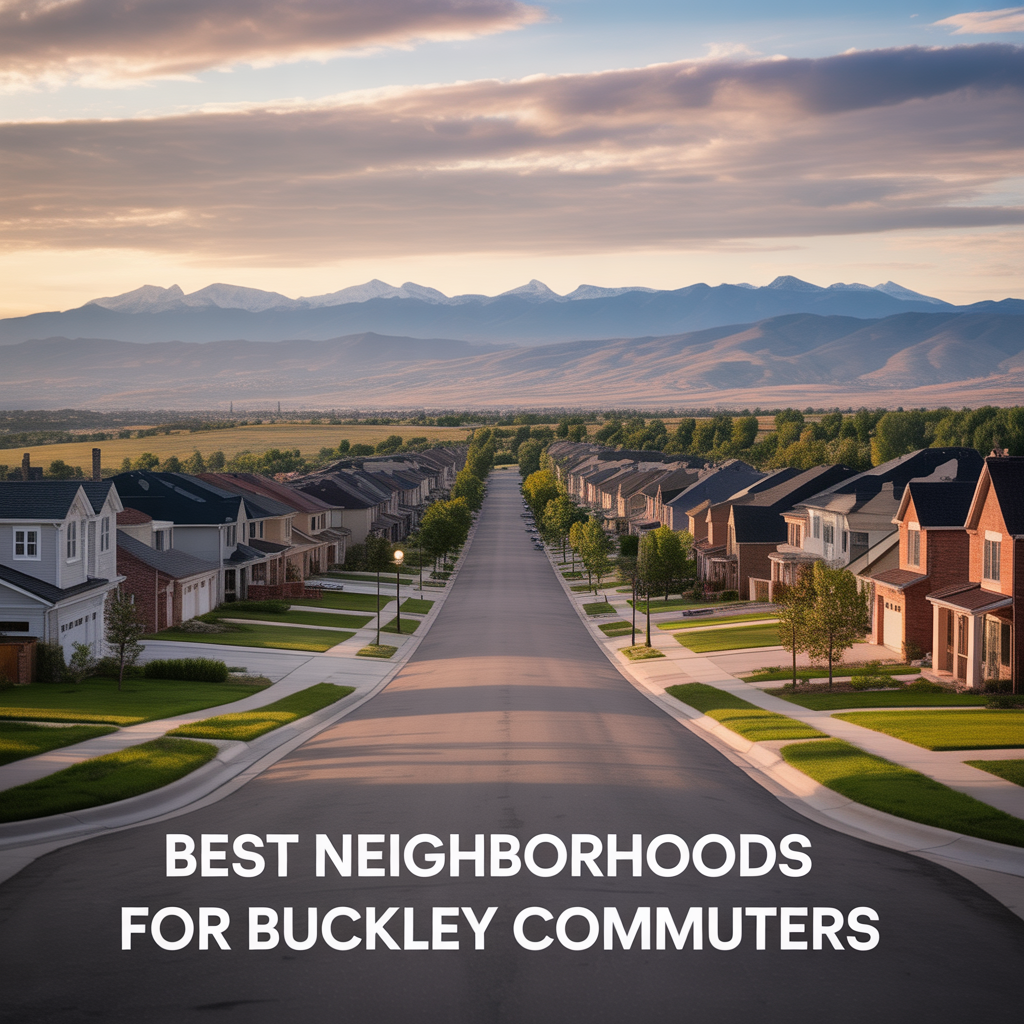
Best Neighborhoods For Buckley Space Force Base Commuters
This is part of Lockheed Martin Relocation → [Lockheed Martin Relocation Hub] & the larger Denver Relocation Hub → [Denver Relocation Hub] Written by: Chad Cabalka If Buckley Space Force Base is the anchor of your move, the best neighborhoods are usually in east and southeast Aurora, with the strongest practical options around Southlands, Murphy Creek, East…
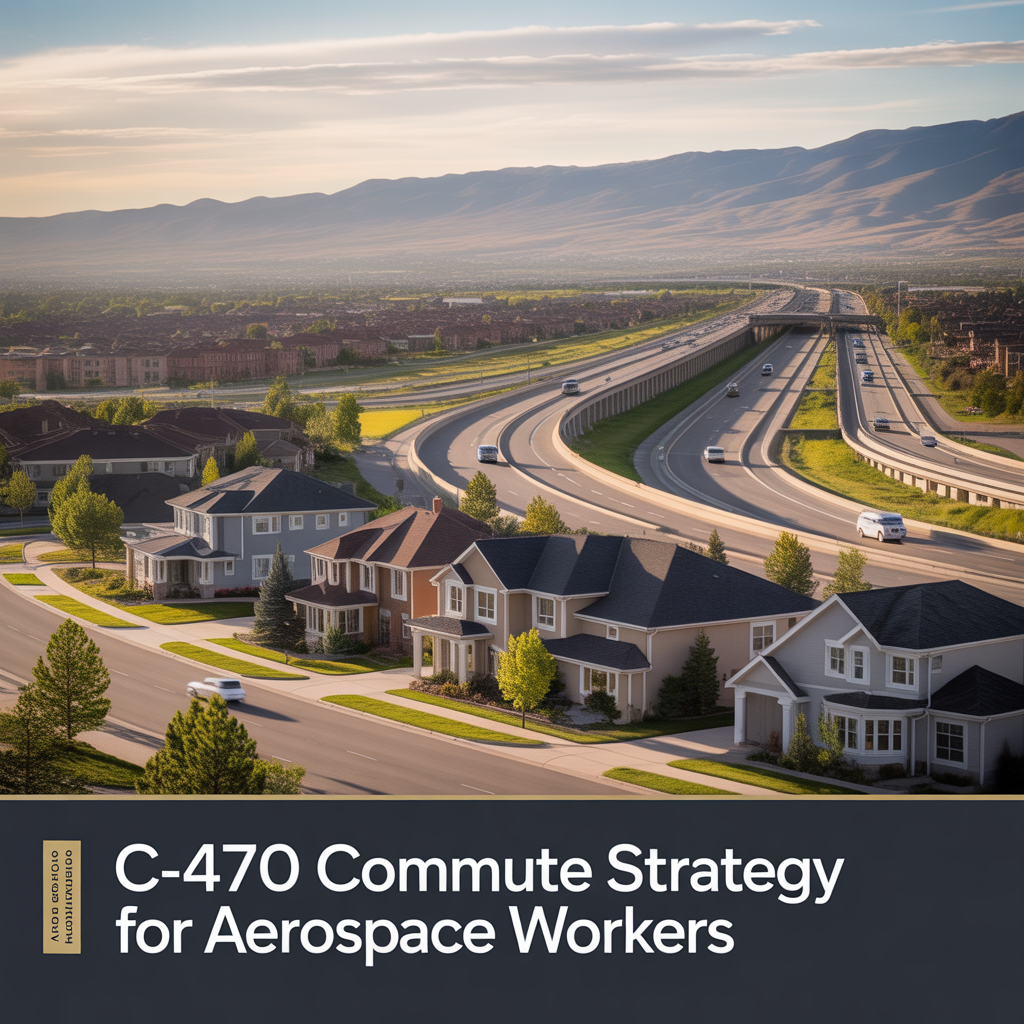
C-470 Commuting Strategy For South Denver Aerospace Workers
This is part of Lockheed Martin Relocation → [Lockheed Martin Relocation Hub] & the larger Denver Relocation Hub → [Denver Relocation Hub] Written by: Chad Cabalka If you work at Waterton, split time between Waterton and the DTC, or live anywhere in the south metro with a Lockheed Martin paycheck attached to it, C-470 is the corridor…