


This is part of Denver Home Financing Guide → [Denver Home Financing Guide] & Financial Readiness Guide → [Financial Readiness Guide]
Written by: Chad Cabalka
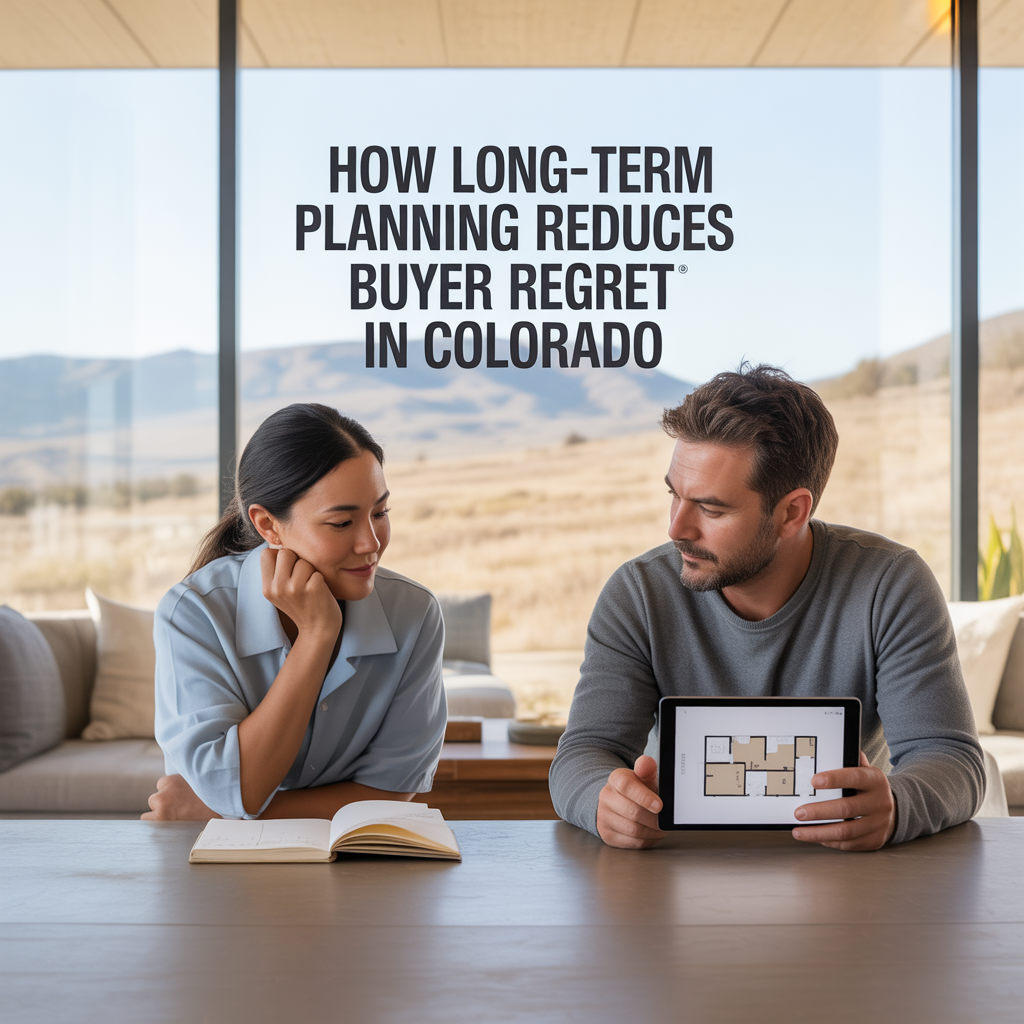
When I look back at the buyers I’ve worked with in the Denver area over the years, the ones who report the fewest regrets are rarely the ones who bought at the absolute lowest price or predicted the perfect timing. They’re the ones who took their time, planned ahead, and treated the home like a long‑term companion, not just a short‑term number on a statement. In today’s Colorado market, where prices are high, rates are higher than many hoped, and neighborhoods are more specialized than ever, the difference between a purchase that feels confident and one that feels like a mistake almost always comes down to how much thought went into it before the offer was written.
How Short‑Term Urgency Creates Long‑Term Regret
A lot of buyer regret in the Front Range traces back to acting too quickly, often out of fear or a sense that the market is moving without them. In fast markets, this shows up as:
- Buying a home that’s “good enough” to get into before prices go higher, but that’s too far from work, doesn’t suit the family’s school preferences, or feels isolated and hard to live in.
- Stretching the budget to the absolute limit, only to feel stressed within a year or two when property taxes, insurance, and maintenance rise, and there’s little cushion.
- Overlooking repair needs, older systems, or HOA issues because another offer was already in, then spending years and thousands of dollars catching up on deferred work.
In the end, the cost of that urgency isn’t just a slightly higher payment; it’s a home that never quite fits, a sense of being “stuck,” and the pressure to move again prematurely, often at a worse time and a higher cost than a calmer timeline would have allowed.
How Long‑Term Planning Protects the Buyer
Long‑term planning isn’t about predicting the absolute bottom of the market; it’s about building a clear, realistic foundation so that the home is still a good fit when life changes. In the Denver area, I’ve seen planning make the biggest difference in a few key areas:
- Lifestyle and neighborhood fit
The families who stay the longest are the ones who took time to really live in the neighborhood: walk the streets, visit nearby parks, test the commute, and get a feel for the schools. They didn’t rush to pick the “cheapest” area; they picked the place that felt right for how they wanted to live now and for the next 10–15 years. - Realistic budgeting that includes taxes, insurance, and maintenance
Buyers who looked beyond just the mortgage and planned for property taxes, rising insurance, and a 1–2% annual maintenance budget gave themselves room to absorb changes without feeling squeezed. That cushion is what makes a home feel manageable, not stressful, when the tax bill jumps or a major system needs replacement. - Credit and debt management before applying
Taking 6–12 months to improve credit, pay down card balances, and clean up collections gave many buyers in the Front Range access to a better rate and a lower monthly payment, which compounded into tens of thousands saved over the life of the loan and a much more comfortable monthly budget. - Understanding how long they expect to stay
Buyers who treated ownership as a 10–30‑year relationship didn’t feel pressured to buy when they really should have kept renting. They understood that, in a stable market like 2026, forcing a purchase too soon often meant paying more later if they ended up moving again quickly. - Preparing for life changes, not just today’s income
Thinking ahead about job changes, kids, aging parents, or a career shift helped buyers choose homes that were flexible enough to support those changes, rather than ones that worked only for today’s exact situation.
How to Build a Long‑Term Roadmap
For a buyer in the Denver metro, Arvada, Lakewood, or the surrounding suburbs, a thoughtful plan looks like this:
- Clarify your life goals
Ask yourself:- How long do you realistically expect to stay in this area?
- How important are commute time, schools, and nearby amenities?
- Are you planning for kids, a career change, or a potential move later in life?
- Get your finances in order
- Build a realistic budget that includes mortgage, taxes, insurance, HOA, and a maintenance fund.
- Improve your credit and reduce debt before applying, so you qualify for the best rate, not just any rate.
- Save for a down payment and closing costs, and keep a strong emergency fund so the home doesn’t drain your savings.
- Map out a timeline that fits your life
- A 12–18‑month timeline is often ideal: it gives you time to improve credit, save, and really get to know neighborhoods, rather than acting out of fear.
- If you’re closer than 6–8 months, focus on fine‑tuning and stabilization, not dramatic changes.
- Visit and experience the neighborhoods you’re considering
- Spend time in the community at different times of day, see how you feel about the streets, schools, and commute, and talk to residents if possible.
- A neighborhood that feels right after weeks of casual visits is more likely to feel like home years later.
- Define your “no‑regret” home
- What are the must‑haves in location, condition, and price range?
- What are the trade‑offs that you’re comfortable with (for example, smaller yard, older home, or slightly higher HOA) and what deal‑breakers would make the home a poor long‑term fit?
How This Changes the Buying Experience
When buyers plan for the long run, the home search feels less like a race and more like a project that supports their life. That shift in mindset changes everything:
- They’re less likely to get emotionally whipsawed by market fluctuations.
- They’re more decisive when they find the right home, because they’ve already done the work of narrowing what matters.
- They’re more likely to stay in the home longer, which is where real equity and stability build, not where short‑term flips or market timing dominate.
In the Denver area, I’ve seen many clients who waited a year or two longer than they initially wanted, only to buy in a slightly calmer market, at a price and payment they could truly manage, and in a home that still feels like a good fit five, ten, even twenty years later. That’s the kind of outcome that long‑term planning is designed to produce.
A Conversation That Protects Your Future
If you’re thinking about buying a home in Colorado and want to build a realistic, long‑term plan that reduces the risk of buyer regret, I’m always happy to talk. That conversation should be grounded in your life, your timeline, your neighborhood priorities, and what would actually feel like a home you can live in for years, not just a transaction.
When you’re ready to plan for the long run, not just for closing, I’m here for that.
Get the full Denver Market Insights → [Market Insights]


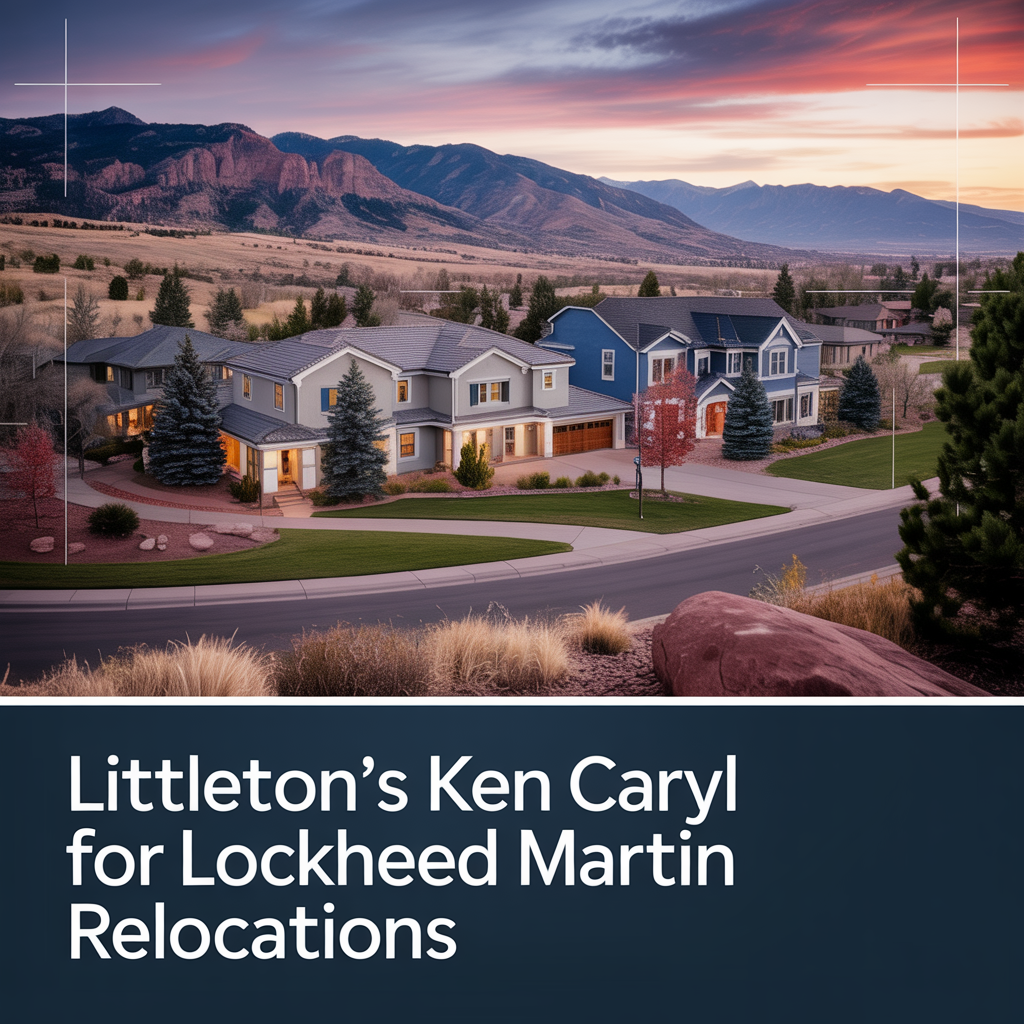
Littleton’s Ken Caryl for Lockheed Relocations
This is part of Lockheed Martin Relocation → [Lockheed Martin Relocation Hub] & the larger Denver Relocation Hub → [Denver Relocation Hub] Written by: Chad Cabalka Ken Caryl is one of the best-kept “family first” relocation options for Lockheed Martin employees who want foothills scenery, strong neighborhood appeal, and a real suburban lifestyle that still feels connected…


Centennial & Parker for Lockheed Relocations
This is part of Lockheed Martin Relocation → [Lockheed Martin Relocation Hub] & the larger Denver Relocation Hub → [Denver Relocation Hub] Written by: Chad Cabalka Centennial and Parker are two of the smartest suburban choices for Lockheed Martin employees relocating with families because they give you a strong balance of commute flexibility, good neighborhood variety, and…

Highlands Ranch for Family-Friendly Lockheed Relocations
This is part of Lockheed Martin Relocation → [Lockheed Martin Relocation Hub] & the larger Denver Relocation Hub → [Denver Relocation Hub] Written by: Chad Cabalka Highlands Ranch is one of the strongest choices for Lockheed Martin employees relocating with families because it delivers exactly what most parents want after a big move: stable neighborhoods, strong community…