



This is part of Denver Home Financing Guide → [Denver Home Financing Guide] & Financial Readiness Guide → [Financial Readiness Guide]
Written by: Chad Cabalka
In the Denver area, a home is not just a structure and a price—it’s a place inside a neighborhood, and the neighborhood itself is always moving, even if you don’t notice it day to day. I’ve watched families in Hilltop, the Highlands, Park Hill, and the newer communities along the Front Range buy homes that felt right at the time, only to be surprised years later by how much the area changed. In 2026, the difference between a home that feels like a sound, long-term decision and one that starts to feel like a mistake often comes down to how much the buyer understood the direction their neighborhood, and the city, were headed, not just the condition of the house.
How Neighborhoods Change Gradually, Not All at Once
Most people expect big shifts to feel dramatic: a new development, a closure, a spike in crime. But in reality, the most meaningful changes in Denver and its suburbs are usually quiet and steady. They show up as:
- A few more restaurants, coffee shops, or small businesses opening on a main street, making the neighborhood more walkable and livable.
- Incremental upgrades to streets, sidewalks, parks, and transit, which slowly raise the desirability of a particular area.
- Shifting school quality, whether through changes in leadership, funding, or boundaries, which can significantly influence where families choose to live.
Buyers who look only at today’s restaurants, schools, and traffic often miss the fact that the thing that makes a neighborhood attractive—and valuable—over decades is its long-term trajectory: Is it becoming more stable, more connected, more family-friendly, and more in-demand? Or is it showing signs of stagnation, deferred maintenance, or a mismatch between housing and how people actually live?
Major Forces Shaping Denver’s Neighborhood Trajectories
In 2026, the Denver metro isn’t changing by accident; it’s being reshaped by a few large forces that affect different neighborhoods in different ways.
One of the biggest is downtown and near-downtown reinvestment. The city is prioritizing expanded housing, public safety, and green infrastructure, with a focus on filling office and retail space and improving livability in the core. Neighborhoods like LoDo, the River North Arts District, and the immediate surrounding areas benefit from this because they’re close to the energy, jobs, and amenities that drive demand. At the same time, areas that remain disconnected or feel neglected—side streets with limited access to transit, parks, or services—can plateau or even decline, even if they’re physically close in distance.
Another major driver is infrastructure and transit connectivity. Neighborhoods that are well-served by light rail, major bus routes, or thoroughfares that make commutes manageable tend to see more stability and often more appreciation over time. In contrast, areas that feel isolated or require long, congested drives to reach work, schools, or shopping tend to be more vulnerable when gas prices rise, the remote-work pendulum swings, or buyer preferences shift.
New and planned development also plays a big role. Projects like the River Mile, Denargo Market, and Cherry Creek West aren’t just about adding luxury towers and shops; they’re about redefining districts, drawing more people downtown, and increasing the value of nearby neighborhoods like Five Points, the Highlands, and parts of the Westside. When a large mixed-use project is coming in, it doesn’t just change the skyline—it changes school enrollment patterns, commercial options, and how much people are willing to pay to live close by.
How School and School Zones Shift the Math
In the Front Range, school quality is often the single biggest factor in neighborhood trajectory, and it’s one that many buyers don’t track closely enough.
Schools don’t just affect families with kids; they affect the entire demand curve. A neighborhood that has strong, consistent public schools tends to attract more families, more stability, and more competitive pricing, even if other parts of the city are more intensively developed. In 2026, neighborhoods like parts of Cherry Creek, the Hill neighborhoods, and certain areas of Boulder County are seeing strong interest because of their school systems, which act as a long-term anchor and draw.
But school zones can change over time due to:
- Redistricting and changing boundaries, which can move a home in or out of a highly rated or lower‑performing zone.
- Shifts in neighborhood demographics, which can affect funding, program availability, and the overall character of the schools.
- Changes in leadership, curriculum, or facilities, which can gradually raise or lower a district’s reputation.
Buyers who simply look at today’s rating, without asking how stable the school zone is or how it correlates with neighborhood trends, can end up in a home that feels much less desirable five or ten years later, even if nothing about the house itself has changed.
How Different Types of Housing Affect a Neighborhood’s Future
In Denver and its suburbs, the mix of housing stock also shapes trajectory. Neighborhoods that are dominated by one type of home—like older, 1970s single‑family homes with large lots, or aging townhomes and condos with high HOA fees—can become less attractive if the market is moving toward more walkable, efficient, or low‑maintenance options.
New development and redevelopment matter here. When a neighborhood has a steady pipeline of:
- New infill houses and townhomes designed for modern families (open floor plans, dedicated offices, outdoor space).
- Thoughtful renovation of older homes that maintain character but add modern systems.
- Mixed-use and vertical development that brings retail, dining, and services into walkable clusters.
…it tends to stay in demand and resilient. Neighborhoods that resist change, or that are dominated by homes that are too large, too expensive, or too outdated for today’s typical buyer, can start to feel stagnant, even if they’re geographically close to the city core.
How Crime and Safety Perceptions Influence Long‑Term Appeal
Perception of safety is as important as statistics, and in the Front Range, neighborhoods that are widely perceived as safe, walkable, and family‑friendly tend to hold their value and stay in demand over time. That doesn’t mean crime‑free, but it does mean:
- A strong sense of community, visible maintenance, and active use of parks and streets.
- Law enforcement and city services that are engaged and accessible.
- A feeling that the area is stable and improving, not deteriorating.
Neighborhoods that frequently appear in local news for crime, blight, or long‑running code issues can lose their momentum quickly, even if they’re affordable and have good bones. On the flip side, areas that are successfully revitalizing—like parts of Five Points, Northeast Park Hill, and certain corridors in Arvada and Lakewood—can see their desirability and pricing climb steadily as safety, cleanliness, and investment improve.
How to Read a Neighborhood’s Trajectory Before Buying
For a buyer in the Denver metro, the goal isn’t to predict every change, but to get a realistic sense of where a neighborhood is likely to be in 5–10 years, not just where it is today.
Here are a few practical steps:
- Visit at different times and in different conditions.
Go in the early morning, mid‑afternoon, and evening. Walk the streets, see where people gather, and notice the condition of homes, yards, and sidewalks. A neighborhood that feels lively and maintained at different times of day is more likely to have positive momentum. - Talk to locals and long‑term residents.
Ask: How long have they lived there? How has the area changed? What improvements or concerns are people talking about? Residents often know the real story before the official data shows it. - Check city plans, projects, and zoning.
Many neighborhoods in the Denver area have publicly available plans for infrastructure, parks, school upgrades, or new development. These documents can tell you whether a main street is being pedestrian‑friendly, whether new housing is coming in, or whether a nearby area is being revitalized. - Pay attention to school boundaries and district strategy.
Look at changes in enrollment, redistricting plans, and any major capital improvements (new schools, renovations, program expansions) in nearby districts. A stable or improving school system is a big sign of long‑term strength. - Monitor job access and transit options.
How easy is it to get to major employment centers, downtown, and downtown adjacent nodes? How reliable and safe is the transit? Neighborhoods with better access tend to be more resilient over time.
Why This Matters for Long‑Term Comfort
In 2026, appreciation is more modest than in previous years, and transaction costs are high, so “buying just to flip in a few years” is a riskier strategy. Instead, many of the strongest decisions are being made by buyers who accept that they’re likely to stay in the home for 10–15 years, and that the home’s long-term value depends as much on the neighborhood’s trajectory as on the house itself.
A home in a neighborhood with positive momentum—more walkability, better schools, strong safety, and thoughtful development—tends to:
- Feel more stable and less stressful to own.
- Stay in higher demand, so you have more options if you do move.
- Provide more equity and flexibility over time, simply because demand remains strong.
Buying into a neighborhood that’s clearly on a positive, stable trajectory is one of the most reliable ways to reduce regret and increase long‑term comfort, far more than chasing the absolute lowest price per square foot in an area that’s already on the edge of the market.
A Decision That Fits the Long Run
If you’re thinking about buying in the Front Range and want to talk through how a specific neighborhood’s trajectory—its schools, safety, development plans, and access to jobs and amenities—fits your long‑term life, I’m always happy to help. That conversation should be local, realistic, and grounded in how you actually want to live, not just in a list of schools or a spreadsheet of prices.
When you’re ready to buy a home that’s as much about the neighborhood’s future as its today, I’m here for that.
Get the full Denver Market Insights → [Market Insights]


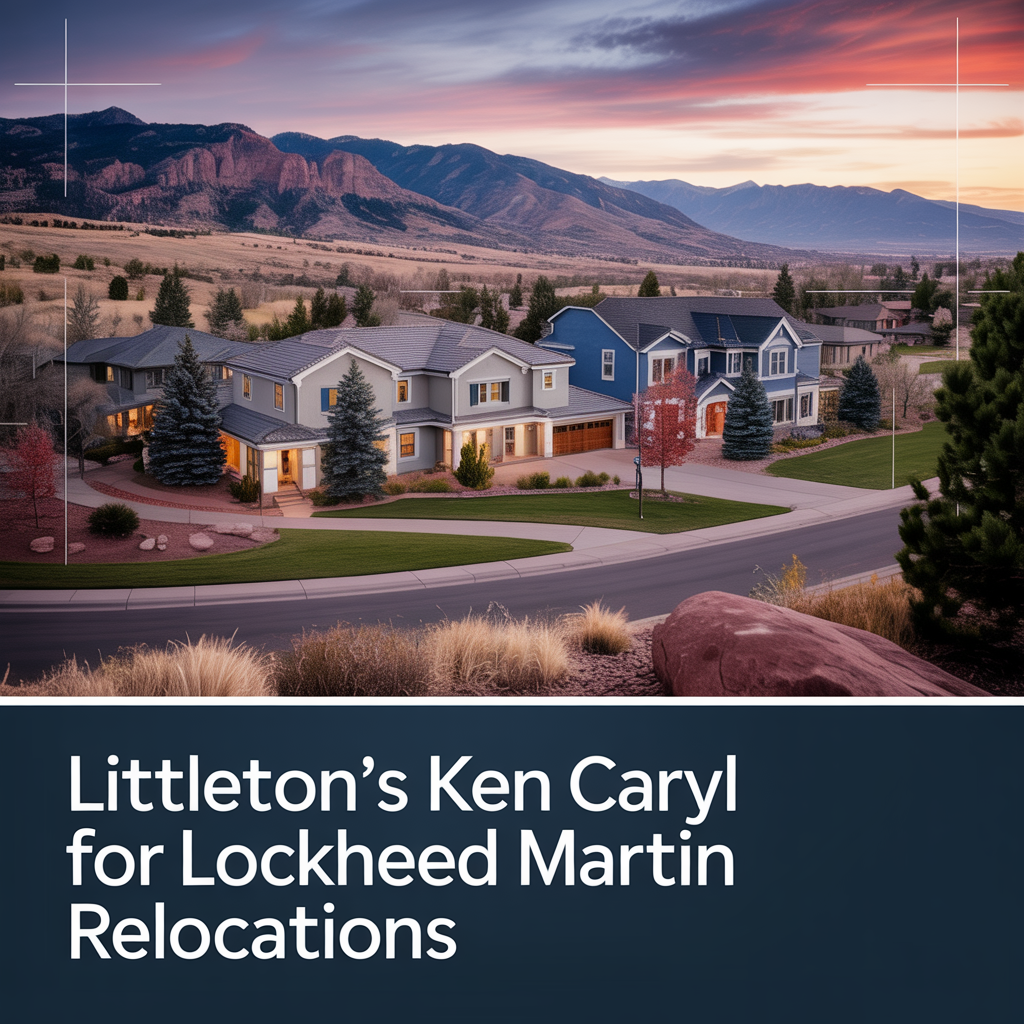
Littleton’s Ken Caryl for Lockheed Relocations
This is part of Lockheed Martin Relocation → [Lockheed Martin Relocation Hub] & the larger Denver Relocation Hub → [Denver Relocation Hub] Written by: Chad Cabalka Ken Caryl is one of the best-kept “family first” relocation options for Lockheed Martin employees who want foothills scenery, strong neighborhood appeal, and a real suburban lifestyle that still feels connected…


Centennial & Parker for Lockheed Relocations
This is part of Lockheed Martin Relocation → [Lockheed Martin Relocation Hub] & the larger Denver Relocation Hub → [Denver Relocation Hub] Written by: Chad Cabalka Centennial and Parker are two of the smartest suburban choices for Lockheed Martin employees relocating with families because they give you a strong balance of commute flexibility, good neighborhood variety, and…

Highlands Ranch for Family-Friendly Lockheed Relocations
This is part of Lockheed Martin Relocation → [Lockheed Martin Relocation Hub] & the larger Denver Relocation Hub → [Denver Relocation Hub] Written by: Chad Cabalka Highlands Ranch is one of the strongest choices for Lockheed Martin employees relocating with families because it delivers exactly what most parents want after a big move: stable neighborhoods, strong community…