



This is part of Denver Home Financing Guide → [Denver Home Financing Guide] & Financial Readiness Guide → [Financial Readiness Guide]
Written by: Chad Cabalka
Long‑Term Affordability & Lifestyle Fit
In Colorado, the smartest home decisions are rarely about squeezing in the absolute most square footage, the lowest price per square foot, or the “hottest” neighborhood on paper. They’re about choosing a home that still feels like a good fit 10–15 years down the road, when the kids are older, the commute has changed, and the goal is stability, not just short‑term savings.
For families in Arvada and the Denver metro, long‑term affordability is not just about the mortgage and taxes; it’s about how well the home and neighborhood support the family’s actual life, how much the home can handle the next chapter without feeling like a chore, and how much breathing room is left for the rest of life — schools, childcare, cars, and the occasional surprise.
This section is about how to decide which home is truly affordable over the long run, what to watch for in neighborhood and lifestyle patterns, and how to avoid the most common regrets many buyers face years later.
How “Affordable” Really Looks Over 10–15 Years
In this region, a home that feels “affordable” at closing isn’t always the same as a home that feels sustainable over a decade, because the real cost of ownership changes over time.
True long‑term affordability depends on:
- Whether the payment stays comfortable as rates, taxes, and insurance go up
- A payment that’s already stretched at 6–7% can feel very tight if rates stay there or rise further, or if property taxes jump 3–5% per year like they have in many parts of the state.
- The safest homes are those where the payment is clearly within the family’s normal range, not right at the edge of the pre‑approval, so the home can be kept even if interest doesn’t drop or income changes.
- How much the neighborhood and block support the family’s lifestyle
- A home in a great school district, with a walkable street, near parks and trails, often feels more “affordable” because it reduces the need for a second car, cuts down on childcare waitlists, and makes everyday life simpler.
- A home in a noisier, more car‑dependent, or less walkable area may feel more expensive over time, even if the purchase price is lower, because it requires more time, cars, and mental energy just to function.
- Whether the home can handle the next chapter without becoming a project
- A house that works for two adults and no kids now may not work when there are three bedrooms full, a home office for remote work, aging parents, or a desire to age in place.
- The most affordable long‑term homes are usually the ones that feel spacious enough for the next 10–15 years, not just the first 1–2.
How Neighborhood Choice Shapes Long‑Term Comfort
In the Denver area, where the home is located matters more than how it looks on paper, because neighborhood character directly shapes how much life feels manageable or strained over the long run.
Key patterns that affect long‑term fit:
- School districts and school patterns
- In Arvada, Jefferson County, and surrounding areas, being in a stable, family‑friendly school district often makes the home feel more affordable, because:
- The commute is predictable.
- After‑school activities are local.
- The neighborhood feels stable, with fewer investor rentals and more long‑term families.
- Families who end up feeling the most satisfied are usually those who chose the neighborhood for schools first, not just for the lowest price per square foot.
- In Arvada, Jefferson County, and surrounding areas, being in a stable, family‑friendly school district often makes the home feel more affordable, because:
- Commute direction and regional access
- Two homes at the same price can feel very different depending on:
- Whether the commute is toward downtown Denver, Boulder, the DTC, or the Golden corridor.
- Proximity to highways, light rail, and bikeable streets.
- The most comfortable long‑term homes are often the ones that align with the family’s work and lifestyle, not just the cheapest one that fits the budget on paper.
- Two homes at the same price can feel very different depending on:
- Walkability and local access
- Being within a 5–10 minute walk or bike ride of:
- Coffee shops, groceries, and casual restaurants.
- Libraries, parks, and trails.
- The Arvada Center, Olde Town, and community events.
- Reduces dependence on cars, which saves money, time, and stress, making the home feel more affordable over time.
- Being within a 5–10 minute walk or bike ride of:
- HOA and attached‑home considerations
- For condos and townhomes, long‑term affordability is heavily influenced by HOA fees, rules, and special assessments.
- The safest attached homes are usually those in:
- Architecturally consistent, well‑maintained buildings.
- HOAs with strong reserves and reasonable fees.
- Neighborhoods that feel like a neighborhood, not just a rental complex.
- Buyers who regret the move later often did so because they underpriced how much HOA and rules would matter once they became an owner, not just a renter.
How Lifestyle Fit Reduces Future Regret
Many families in the metro area look back 3–5 years later and say they “bought too much house” or “bought in the wrong neighborhood,” not because the home didn’t appreciate, but because it didn’t truly fit their life.
To avoid that, long‑term affordability is about answering:
- Does this home support the life we’re actually living?
- Do most mornings and evenings revolve around school, work, and family, or around a commute to downtown?
- How many hours per week are spent in the car, and how much would that cost over 10 years?
- How often does the family leave Arvada, and for what? (school, sports, ski trips, city events, etc.)
- How much does this home limit or enable future flexibility?
- Could this home still work if:
- One parent stays home with kids?
- One income is lost or reduced?
- The family decides to age in place, not move?
- The most affordable long‑term homes are usually the ones that provide a reasonable payment and enough flexibility to handle life’s changes, not the ones that feel like a stretch from day one.
- Could this home still work if:
- How much of life still feels within reach after the mortgage?
- Is there still enough for:
- Childcare, 529s, and after‑school activities?
- A decent buffer for repairs, car issues, and medical events?
- Time off, local events, and the kind of life the family values?
- The home that feels truly affordable is the one where the family can say “yes” to the life they want, not just “yes” to the bank.
- Is there still enough for:
How to Choose a Home That Feels Affordable for 10–15 Years
A practical way to decide which home is the right long‑term fit is to ask:
- If nothing amazing happens with refinance rates, would this payment still feel okay?
- If the answer is yes, the home is likely in a comfortable range.
- If the answer is “no, we’re counting on refinancing to save $100–200/month,” the home is probably too expensive for long‑term comfort.
- Given the commute, schools, and neighborhood, would this still feel like “our kind of place” in 5–10 years?
- Are the block, parks, and local amenities places the family will still enjoy as the kids get older?
- Is the neighborhood more owner‑occupied, with families, or heavily investor‑rental, which can feel noisier and less stable?
- Does the home actually fit the next chapter, not just the first few years?
- Are there enough bedrooms and bathrooms for the family as it is, and slightly larger?
- Is there room for a home office, storage, and a little overflow, or will every inch be fought over?
- How much cushion is left after the payment, taxes, insurance, and HOA (if any)?
- A good rule of thumb is to keep the housing payment (PITI + HOA) comfortably below 30% of gross income, so the family can still save, travel, and handle life’s surprises.
A Practical Next Step: Build a Long‑Term Fit Checklist
If a home is being considered now, a simple way to test long‑term affordability is to:
- Define a realistic, comfortable payment range (not the maximum pre‑approval).
- Make a short list of 2–3 must‑have lifestyle factors (e.g., specific school, 15‑minute commute to work, walkable core, trail access, etc.).
- Create a “stress test” for each home:
- What if rates stay at 6–7% for 5–10 years?
- What if one income is reduced by 20–30%?
- Would the payment still feel reasonable, and could the family still do the things that matter?
If it would help to walk through this with a specific home price, school district, and lifestyle goal, I’d be glad to help build a long‑term affordability and fit plan that’s grounded in the family’s actual life, so the decision is about stability, not just the next 12–18 months.
Get the full Denver Market Insights → [Market Insights]


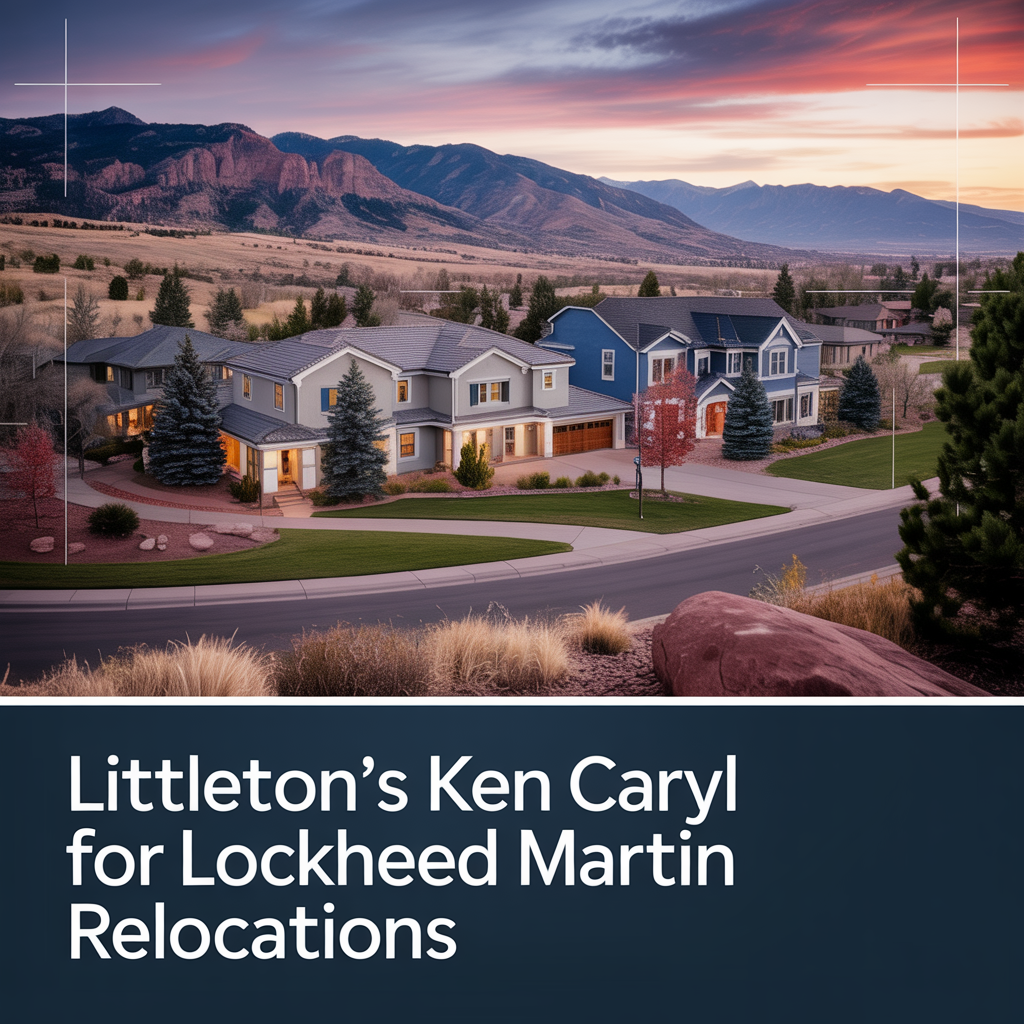
Littleton’s Ken Caryl for Lockheed Relocations
This is part of Lockheed Martin Relocation → [Lockheed Martin Relocation Hub] & the larger Denver Relocation Hub → [Denver Relocation Hub] Written by: Chad Cabalka Ken Caryl is one of the best-kept “family first” relocation options for Lockheed Martin employees who want foothills scenery, strong neighborhood appeal, and a real suburban lifestyle that still feels connected…


Centennial & Parker for Lockheed Relocations
This is part of Lockheed Martin Relocation → [Lockheed Martin Relocation Hub] & the larger Denver Relocation Hub → [Denver Relocation Hub] Written by: Chad Cabalka Centennial and Parker are two of the smartest suburban choices for Lockheed Martin employees relocating with families because they give you a strong balance of commute flexibility, good neighborhood variety, and…

Highlands Ranch for Family-Friendly Lockheed Relocations
This is part of Lockheed Martin Relocation → [Lockheed Martin Relocation Hub] & the larger Denver Relocation Hub → [Denver Relocation Hub] Written by: Chad Cabalka Highlands Ranch is one of the strongest choices for Lockheed Martin employees relocating with families because it delivers exactly what most parents want after a big move: stable neighborhoods, strong community…