



This is part of Denver Home Financing Guide → [Denver Home Financing Guide] & Financial Readiness Guide → [Financial Readiness Guide]
Written by: Chad Cabalka
In the Denver area, the “rent vs buy” question never comes down to a single calculator or a national headline. It comes down to your life: how long you plan to stay, how stable your income is, and what you’re really comparing — not just the monthly payment, but the full cost of ownership plus resale, taxes, and appreciation. For most Coloradans, the honest answer is this: buying usually only becomes clearly “worth it” if you plan to stay in the home for at least 5 to 7 years, and it really starts to pull ahead once you’re in the 8–10 year range.
The Real Cost of Buying a Home
When you buy, you’re not just paying a mortgage; you’re paying a bundle of costs that don’t change month to month but add up over time. These are the things that matter in the Denver metro, not just a generic formula:
- A substantial down payment (typically 5–20%) that comes out of savings and can’t be used for other investments.
- Upfront closing costs, which in Colorado usually run 2–5% of the loan amount and include lender fees, title, escrow, and local recording fees.
- Ongoing homeownership expenses: property taxes, homeowners insurance, and maintenance (a realistic estimate is 1–2% of the home’s value each year for repairs and upkeep).
- HOA fees, if the home is in a condo, townhome, or master‑planned community in places like the city, Lakewood, Englewood, or the foothills.
- Mortgage insurance, if the down payment is less than 20%, which can last for years on a conventional loan or for the life of an FHA loan.
All of these costs are part of your true monthly and annual housing budget. In neighborhoods like Washington Park, Highland, or the southern suburbs, these numbers can be meaningfully different from area to area, so comparisons need to be local, not just statewide.
The Hidden Cost of Selling Early
One of the biggest mistakes people make when comparing renting to buying is underestimating the cost of selling a home after just a few years. In Colorado, when you sell a home, you typically pay:
- A real estate commission (often 5–6%) that comes out of the sale price.
- Seller concessions, closing costs, and any repairs required to get the home ready for market.
On a $500,000–$600,000 home in the Denver area, that can easily add up to $30,000–$40,000 in total transaction costs. If you’ve only owned the home for 3–4 years, it’s very possible that the home hasn’t appreciated enough to cover those costs, and you may end up with little equity or even a net loss when all is said and done.
That’s why, for most buyers, true wealth building from homeownership only happens once you’re past that break‑even point — usually around year 5 to 7, when appreciation and principal paydown start to exceed the initial costs and annual carrying expenses.
The Standard Math in Today’s Denver Market
In 2026, Denver’s market is still in a range where prices are relatively high compared to rents, especially in the most desirable neighborhoods. A rough rule of thumb that’s often used is the price‑to‑rent ratio: if the home price is about 15–20 times the annual rent, buying can be competitive with renting once appreciation, leverage, and tax benefits are factored in.
Right now, many parts of the Denver metro are closer to a 20–25× ratio, which suggests that, purely on math, renting and then investing the difference in a low‑cost index fund can sometimes produce more net wealth over 10 years than buying, especially if appreciation is modest and interest rates stay in the 6–7% range. That doesn’t mean buying is a bad choice, but it does mean that the financial advantage is smaller and more sensitive to how long you hold the home.
For a typical home in the $500,000–$600,000 range, a buyer in the Denver area generally needs to stay in the home for about 5–7 years for the total cost of ownership to be roughly in line with renting. After that, the combination of principal paydown and likely appreciation usually starts to make buying the stronger long‑term choice, assuming the home is well‑maintained and located in a stable or desirable market.
When Buying Makes More Sense (Even with a High Price)
Even in a relatively expensive market, there are circumstances where buying is the clear right move, regardless of how tight the rent‑vs‑buy math looks on paper:
- If you plan to stay in the same area for eight, ten, or more years, the odds of building meaningful equity increase significantly, and the effect of leverage (buying with a mortgage) can amplify your return.
- If you have a highly stable income (a salaried job, a civil-service or teaching position, etc.) and can comfortably handle the payment with a healthy cushion, the risk of being “underwater” or losing money in a short downturn is much lower.
- If you’re looking for stability — a consistent payment, the ability to renovate and make permanent changes, and a place where you can build roots in a neighborhood, school, or community — then buying is less about pure math and more about lifestyle and security.
- If you’re a dual‑income household with a strong emergency fund, then the extra risk of a more expensive payment and higher carrying costs can be managed, and long‑term ownership becomes more attractive.
For many families in the Denver area, Arvada, and the Front Range, the decision to buy is really about stability and the long view, not just the next 5 years.
When Renting Might Be the Smarter Choice
Renting is often unfairly dismissed as “throwing money away,” but in reality, it’s a perfectly rational and often smarter strategy for certain life stages and situations:
- If you’re new to the area or still deciding where in the Front Range you want to settle long‑term, renting gives you the flexibility to move neighborhoods, school districts, or job markets without the risk and cost of selling a home.
- If your job is still evolving, you’re in a cyclical industry, or you’re not yet in a stable income bracket, renting can preserve your cash and give you room to build savings, improve credit, or gain more job security before committing to a mortgage.
- If you’re in a high‑cost neighborhood where the price‑to‑rent ratio is very high and appreciation is uncertain, renting and investing the difference in a diversified portfolio can sometimes produce better long‑term returns than buying.
- If you value flexibility — the ability to travel, change jobs, or pursue a degree without being tied to a home — renting can be a powerful tool for maintaining that freedom.
In many parts of the Denver metro, it’s possible to rent a comfortable apartment or townhome in a desirable area and still have enough left over to save aggressively, which can put you in an even stronger position to buy later, when timing and life circumstances line up.
The Year-by-Year Realism for Colorado Buyers
For someone in the Denver area thinking about buying, here’s a practical way to think about it, year by year:
- Years 1–3: You’re paying largely interest, transaction costs, and ongoing expenses. Equity builds slowly, and the home is still “paying for itself” rather than making money.
- Years 4–5: The home is starting to break even with the cost of buying, assuming modest appreciation and stable ownership costs.
- Years 6–10: Equity accelerates, rents for comparable homes continue to rise, and the mortgage payment is fixed (with a fixed‑rate loan). This is when the math really starts to favor owning, especially if the home is in a market that has held its value or appreciated modestly.
- Years 10+: Buying has a strong advantage in most cases, assuming you’ve stayed in the home, maintained it well, and avoided refinancing into a much higher balance.
Making the Choice That Fits Your Life
The question of whether owning a home is “worth it” in Colorado isn’t just about how many years — it’s about how owning will fit into your life, your career, and your family over the long term. If you’re in a stable job, plan to stay in the area, and want the security and flexibility of a home, then buying becomes a smart, long‑term investment once you’re in the 5–10 year range.
If you’re still figuring things out, need more flexibility, or are in a high‑cost neighborhood where the math clearly favors renting, then there’s no shame in continuing to rent while building a stronger financial foundation for a future purchase.
If you’re weighing rent vs buy for your specific situation — your income, your target price range, your timeline, and your neighborhood of choice — I’m always happy to talk through the numbers and the lifestyle side of the decision. This shouldn’t feel like a gamble; it should feel like a clear, confident choice for the life you’re building. When you’re ready, I’m here for that conversation.
Get the full Denver Market Insights → [Market Insights]


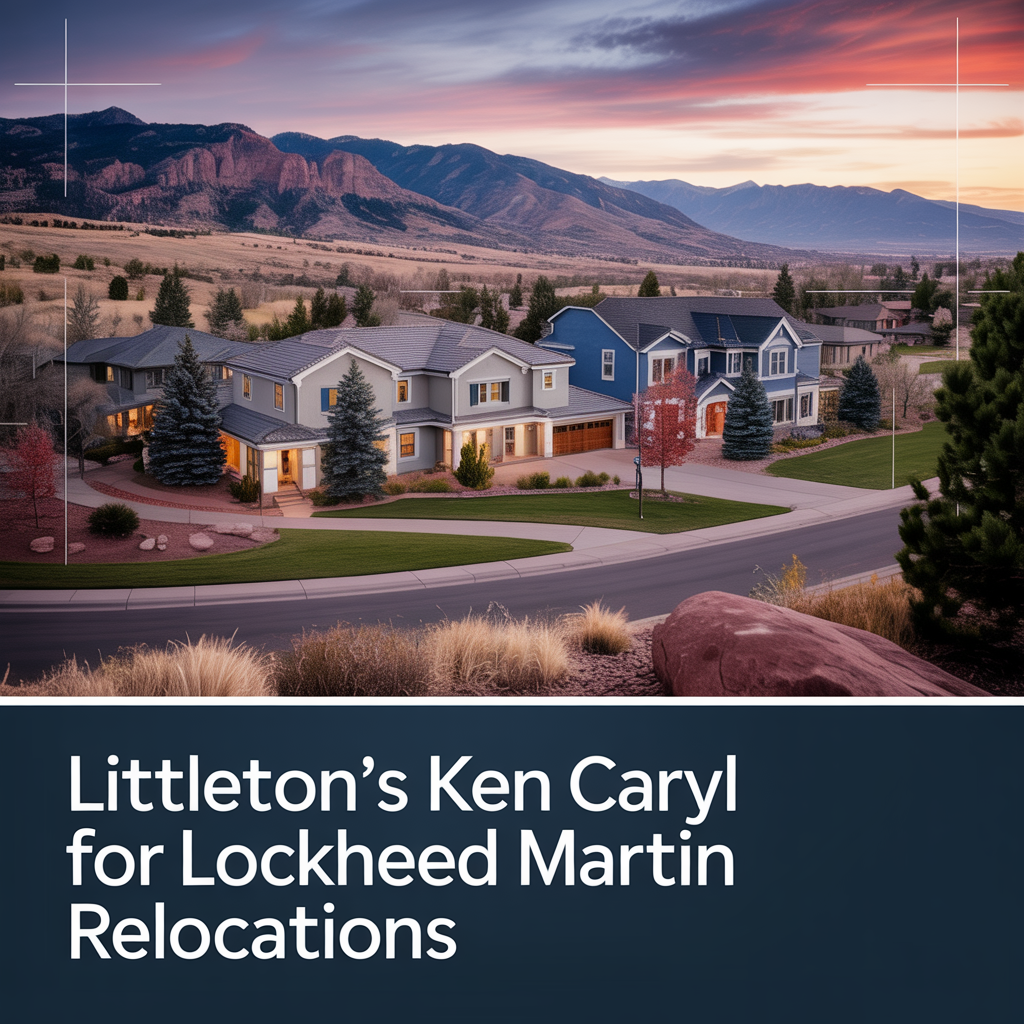
Littleton’s Ken Caryl for Lockheed Relocations
This is part of Lockheed Martin Relocation → [Lockheed Martin Relocation Hub] & the larger Denver Relocation Hub → [Denver Relocation Hub] Written by: Chad Cabalka Ken Caryl is one of the best-kept “family first” relocation options for Lockheed Martin employees who want foothills scenery, strong neighborhood appeal, and a real suburban lifestyle that still feels connected…

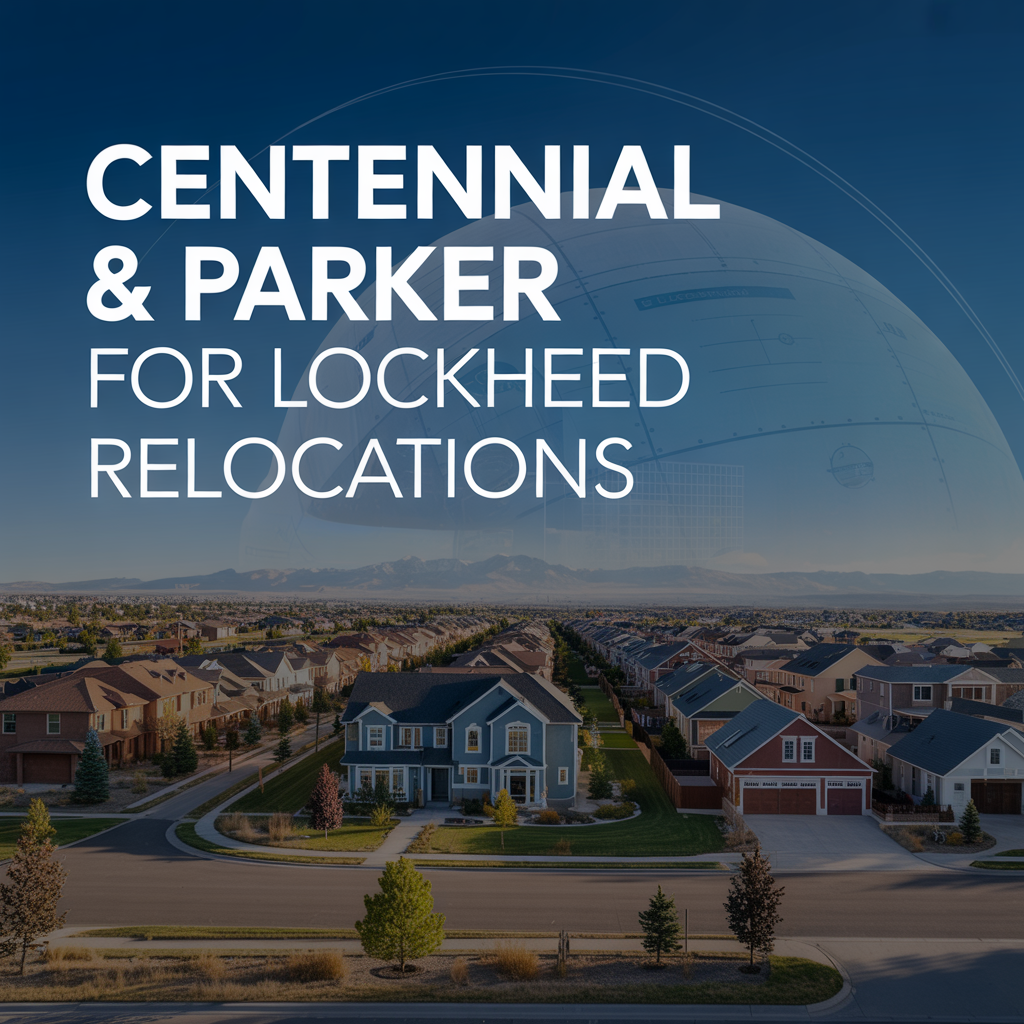
Centennial & Parker for Lockheed Relocations
This is part of Lockheed Martin Relocation → [Lockheed Martin Relocation Hub] & the larger Denver Relocation Hub → [Denver Relocation Hub] Written by: Chad Cabalka Centennial and Parker are two of the smartest suburban choices for Lockheed Martin employees relocating with families because they give you a strong balance of commute flexibility, good neighborhood variety, and…

Highlands Ranch for Family-Friendly Lockheed Relocations
This is part of Lockheed Martin Relocation → [Lockheed Martin Relocation Hub] & the larger Denver Relocation Hub → [Denver Relocation Hub] Written by: Chad Cabalka Highlands Ranch is one of the strongest choices for Lockheed Martin employees relocating with families because it delivers exactly what most parents want after a big move: stable neighborhoods, strong community…