


Mesa Lifestyle Guide → [Mesa Lifestyle Guide] & For more info on Mesa Real Estate → [Mesa Real Estate Guide]
Written by: Renee Burke
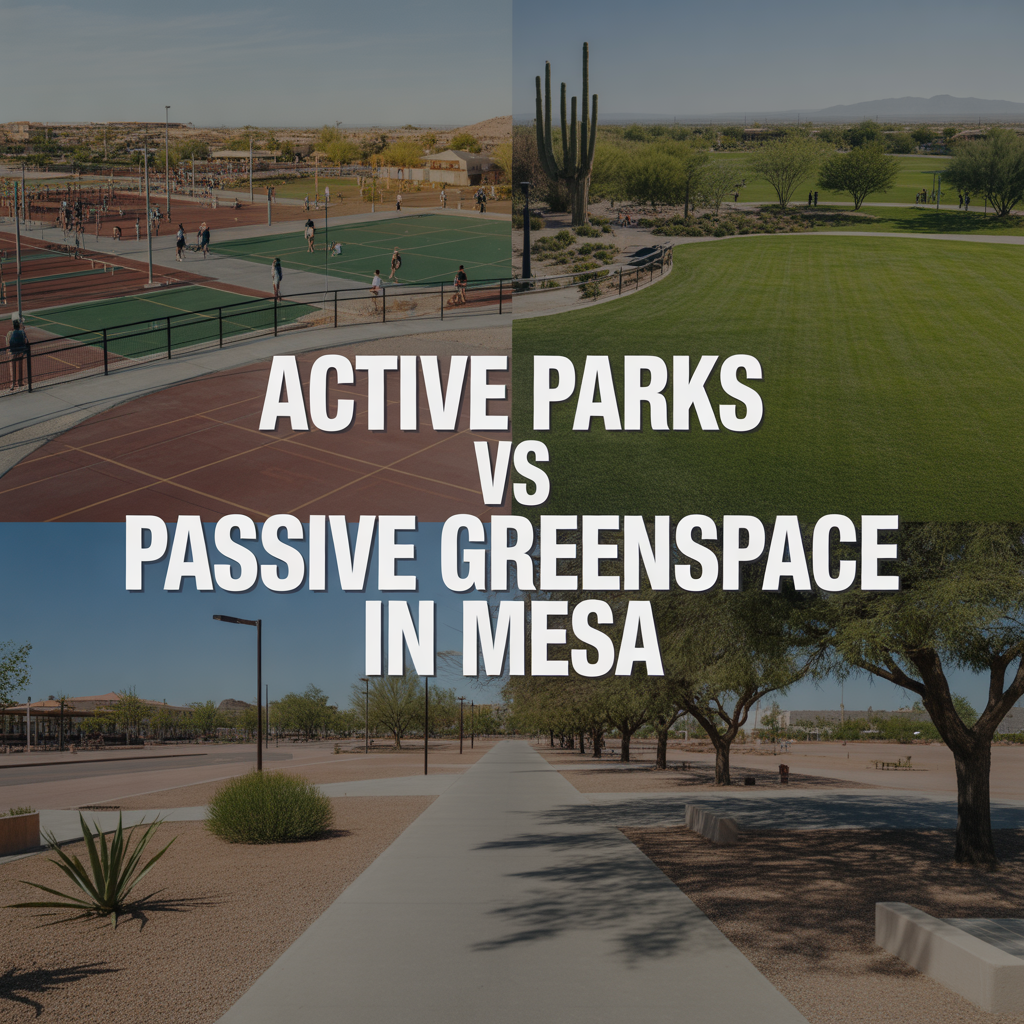
Mesa offers a thoughtful mix of parks designed for play and open spaces meant for quiet reflection, each serving families in ways that complement our East Valley lifestyle. I’ve spread picnics under ramadas at bustling playgrounds and found solace on shaded trails in serene pockets, helping clients see how these spaces shape daily joy and long-term neighborhood appeal. As someone who knows every green corner intimately, I’ll guide you through the differences — active parks buzz with energy, while passive greenspaces invite calm — so you can choose homes near the right balance for your family’s rhythm.
Both types abound across Mesa’s 2,000+ acres, but their usability varies by area, maintenance, and that subtle sense of welcome locals feel instinctively.
Active Parks: Playgrounds of Energy
Active parks pulse with purpose-built fun — splash pads, climbing structures, sports fields, and ramadas that draw families for hours of structured play. Riverview Park leads as Mesa’s premier active hub, with its 50-foot rope climbing tower, zip lines, multi-person swings, and expansive splash pad alongside fishing lakes and disc golf. Shaded picnic areas and restrooms make it a full-day anchor near Superstition Springs, where kids burn energy post-school while parents chat trailside.
Pioneer Park downtown thrives similarly — a 15-foot water wall, whimsical treehouse playground, and amphitheater host free concerts and markets, blending play with community events steps from Main Street. Red Mountain Park adds skate ramps, lighted volleyball courts, and ball fields, fueling soccer practices for Red Mountain Ranch families till dusk.
Eastmark’s neighborhood active parks like Newton or Curie sparkle with water features, fire pits, and interactive climbing — hyper-local spots where strollers roll from driveways, fostering block-party bonds in master-planned bliss. These parks shine in summer with misters and shade sails, open dawn to dusk, free and event-ready.
Passive Greenspaces: Pockets of Peace
Passive spaces prioritize natural beauty and low-key wandering — think shaded trails, open meadows, wildflower fields, and benches for birdwatching or reading, without programmed amenities. Usery Mountain Regional Park embodies this northeast, with 29 miles of hiking trails through saguaro forests, picnic groves under mesquite canopies, and viewpoints overlooking the Sonoran expanse. It’s a $10 county entry for solitude — morning walkers spot quail, evenings bring stargazing without crowds.
Countryside Park’s quieter edges offer grassy expanses and canal-side paths for unhurried strolls, while Desert Arroyo Park provides wild desert washes and ramble-ready loops near Dobson Ranch. Las Sendas greenspaces weave HOA trails with Superstition vistas — perfect for dusk dog walks or yoga mats amid boulders. These areas restore: no schedules, just nature’s gentle hum, often linking to regional paths like Rio Salado.
Tradeoffs: Energy vs Serenity
Active parks trade calm for connection — Riverview’s splash pads cool 110° days but hum with voices till 8 p.m., ideal for social families yet overwhelming for introverts. They boost resale (3-5% premiums nearby) with kid appeal but require driving in spread-out Mesa. Maintenance stays high: clean restrooms, fresh mulch.
Passive spaces flip it — Usery’s trails soothe after busy days, fostering reflection, but lack shade structures or play gear, suiting hikes over picnics. Free city greenspaces vary in upkeep (some overgrown), while county gems like Usery deliver pristine paths. Families with toddlers lean active; empty-nesters cherish passive.
| Feature | Active Parks | Passive Greenspaces |
|---|---|---|
| Main Draw | Playgrounds, splash, sports | Trails, meadows, viewpoints |
| Best For | Families, groups, events | Solitude, walks, nature |
| Daily Use | 2-4 hours, high traffic | 30-90 min, low-key |
| Amenities | Restrooms, ramadas, lighting | Benches, minimal facilities |
| Summer Viability | Shade sails, water features | Early/late hours, hydration |
Area Breakdown: Active vs Passive Balance
Downtown/Fiesta: Pioneer dominates active; Maple Grove edges offer passive benches amid murals.
Eastmark: Active neighborhood parks everywhere; passive lakeside paths at Audain for balance.
Red Mountain/Las Sendas: Red Mountain active sports; Usery and Pass Mountain trails passive escapes.
Dobson/Superstition Springs: Riverview active star; Countryside meadows passive respites.
Gateway/East: Signal Butte active fields; desert arroyos passive wanders.
Hybrids thrive — Riverview blends rope towers with serene lakes. Growth adds 2026 shaded trails, easing heat concerns across both.
Lifestyle Ties and Home Value
Active parks anchor family routines: school picnics, team practices — homes steps away sell fast in Eastmark. Passive spaces nurture wellness: trail habits combat desk life, boosting Dobson resale subtly. Balance matters — downtown lofts near Pioneer hum socially; Las Sendas estates pair active courts with passive views.
Fears of “unused space”? Active draws daily; passive blooms seasonally with wildflowers. Accessibility shines: ADA paths at Riverview, gentle grades at Usery.
Finding Your Green Harmony
Mesa’s active parks energize play-filled days, while passive greenspaces restore the soul — together weaving outdoor living into every neighborhood.
If you’re exploring Mesa homes and weighing energetic playgrounds against tranquil trails, you don’t have to figure it out alone. I’ve matched families to green spaces that fit their flow, ensuring every backyard borrows joy from the right park.
Reach out anytime — let’s find the balance that makes your East Valley days complete. Here, nature isn’t just near; it’s how we breathe.
Get the full Phoenix Market Insights → [Market Insights]


-

Designing Outdoor Living Spaces for Phoenix’s Unique Climate
-

How Pools and Shade Structures Change Backyard Living in Phoenix
-

Why Covered Patios Are One of the Most Valuable Features of Phoenix Homes
-

How Phoenix Homeowners Transform Their Outdoor Living Spaces Over Time
-
Ways Phoenix Homeowners Improve Indoor Comfort Over Time
-

How Long Cooling Seasons Influence Phoenix Home Design
-
How Phoenix Summer Heat Changes Daily Life Inside the Home
-

How Long-Term Homeowners Adjust Layouts to Fit Changing Needs
-

Converting Spare Bedrooms Into Home Offices in Phoenix Homes
-

How Life Stage Changes Affect the Way Phoenix Homes Are Used
-

When Homeowners Start Rethinking Space Inside Their Phoenix Home
-
How Phoenix Homes Adapt to Growing Families Over Time
-

How Local Parks, Restaurants, and Shops Shape Life in Phoenix Neighborhoods
-

Why Long-Term Residents Experience Neighborhoods Differently Than New Buyers
-

How Phoenix Communities Shape Everyday Life for Local Residents
-
Why Neighborhood Familiarity Improves Long-Term Home Satisfaction
-
How Living in a Phoenix Neighborhood Changes After Several Years
-
Why Desert Climate Living Changes Homeownership Expectations
-
Common Home Improvements That Make Phoenix Homes More Comfortable
-

How Extreme Summer Heat Changes the Way Phoenix Homes Are Used
-
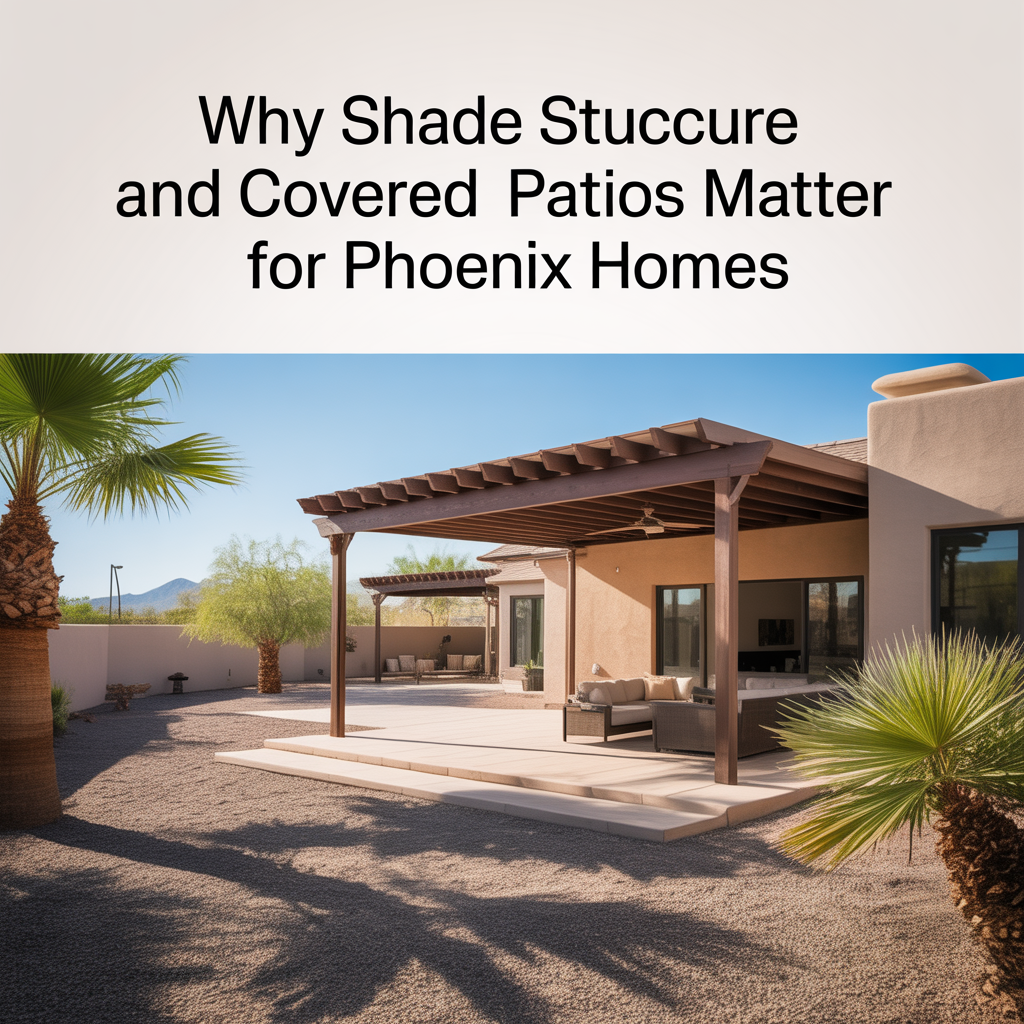
Why Shade Structures and Covered Patios Matter for Phoenix Homes
-

Cost of Living in Phoenix: Housing, Utilities, and Everyday Expenses
-

The Best Neighborhoods in Phoenix for Lifestyle, Schools, and Value
-

Homes for Sale in Phoenix Under $650K: Where Buyers Are Still Finding Deals
-

Phoenix Housing Market Forecast: Will Home Prices Rise or Fall?