



Mesa Lifestyle Guide → [Mesa Lifestyle Guide] & For more info on Mesa Real Estate → [Mesa Real Estate Guide]
Written by: Renee Burke
When you’re thinking about settling into the East Valley — that sunny stretch of Mesa, Gilbert, and Queen Creek where neighborhoods blend suburban charm with desert horizons — one of the first things families consider is how close you are to the freeways and airports that keep life moving smoothly. It’s not just about getting to work or catching a flight; it’s about how those major roads and runways shape your daily rhythm, from school drop-offs to weekend getaways. Proximity to US-60, Loop 202, and Phoenix-Mesa Gateway Airport can mean 10-minute errands or 30-minute hauls, turning potential hassles into conveniences or vice versa. As someone who’s guided families through this area for years, I’ve seen how a home five minutes from an on-ramp feels liberating for some and noisy for others — it’s all about matching your lifestyle to the layout.
The East Valley’s freeway network and dual airports (Gateway for domestic hops and Sky Harbor 20-30 minutes west) create a web of access that’s thoughtful rather than overwhelming. Freeways like US-60 and Loop 202 connect you to Phoenix without the downtown grind, while Gateway’s growth brings jobs and flights right to the edge. Let’s break it down by key Mesa areas, looking at real distances, noise levels, commute times, and how it plays into family life — no technical jargon, just the practical picture of living close or a bit farther.
Eastmark and Cadence: Loop 202 and Gateway Sweet Spot
Eastmark sits like the heart of modern East Valley access — just 2-5 minutes south on Power Road to Loop 202, the southern ring road that whisks you west to Phoenix in 20 minutes or east to Gateway Airport in 10. Homes here ($450K-$800K townhomes and singles) back right onto the freeway’s edge in spots, but sound walls and master-planned buffers keep highway hum to a whisper indoors. Morning reverse commutes eastbound glide smoothly pre-peak, perfect for BASIS charter parents dropping kids then heading to airport logistics jobs.
Phoenix-Mesa Gateway Airport (AZA) is a standout perk — 8-12 minutes north via Power, with Allegiant’s cheap domestic flights and growing cargo ops bringing employment (Boeing, Dexcom nearby). Families love the quick tubing runs to the Salt River (15 minutes east) or Sky Harbor backups avoided entirely. Tradeoffs? Planes overhead add distant roar during takeoffs (mostly daytime), but it’s milder than Sky Harbor’s constant jet wash. Walkability to Audain Great Park offsets car reliance — bike to playgrounds, drive freeways only when needed.
Cadence east mirrors it, 3 minutes to Loop 202 at Higley, blending new builds with turf fields and fishing lakes. Proximity feels empowering here — no long hauls for flights or Phoenix nights out.
Dobson Ranch and Superstition Springs: US-60 Central Hub
Central Mesa’s established pockets hug US-60 (Superstition Freeway) like old friends — Dobson Ranch homes are 1-3 minutes north via Dobson or Alma School ramps, making Tempe offices or Sky Harbor (20 minutes west) a breeze off-peak. This corridor’s your daily lifeline: school feeders like Brisas to Taylor Junior High flow right onto the freeway, Riverview Park splashes just 5 minutes south.
Gateway Airport takes 15-20 minutes east via US-60/Power, while Loop 202 south is 8 minutes at Val Vista — ideal for Chandler runs. Ranches here ($350K-$550K) offer mature trees and yards steps from Countryside Park, with freeway noise buffered by distance (most homes 0.5+ miles off). Families thrive on convenience: grocery grabs at Superstition Springs Center mid-commute, soccer fields without circling. Downsides? Peak westbound mornings (7-8:30 a.m.) crawl 20-30 minutes, but surface streets like Southern Avenue parallel smoothly.
Red Mountain Ranch and Las Sendas: Northeast Freeway Gateways
Northeast Mesa’s elevated neighborhoods position you perfectly between freeways and wilds — Ellsworth Road south 2-4 minutes to US-60, Loop 202 8-10 minutes via Higley, and Gateway Airport 12 minutes north. Las Sendas estates ($550K-$900K, gated with golf) overlook Superstition trails, freeway access feeling like a bonus rather than burden — reverse eastbound mornings to hospital shifts glide, evenings home to Usery Mountain hikes (5 minutes).
Red Mountain Ranch mirrors it, Apache Trail east to Gateway (15 minutes), US-60 west seamless pre-peak. Noise is minimal (sound barriers, elevation), planes faint overhead. Families bundle routines: Zaharis school drops to Red Mountain Park soccer, freeway hops for Phoenix dates. Tradeoff: Apache Trail monsoons flood occasionally, but views and privacy outweigh.
Downtown/Fiesta and West Mesa: Urban Freeway Edges
Downtown lofts sit 3-5 minutes from US-60 via Main Street or University Drive — quick west to Sky Harbor (25 minutes), east to Gateway (25-30). Fiesta District’s revitalization adds walkable murals to freeway jumps, Loop 202 south 10 minutes at Dobson. Homes ($300K-$500K condos) absorb light highway hum, but Pioneer Park playgrounds distract delightfully.
West Mesa (85201-85204) edges US-60 closest (1-2 minutes via Country Club), Sky Harbor 20 minutes — great for airport crews, less for quiet seekers.
Gateway Airport vs Sky Harbor: East Valley Choices
Phoenix-Mesa Gateway (AZA) anchors east access — Allegiant focus, cargo growth, 10-15 minutes from Eastmark/Las Sendas, job hubs (aviation, manufacturing). Noise: daytime takeoffs audible 2-3 miles out, fading evenings. Sky Harbor (PHX) draws west Mesa (20 minutes), full-service but busier flights.
Proximity perks: quick flights save family vacations, jobs boost dual-incomes. Cons: jet noise (faint indoors), resale steady near runways.
Tradeoffs: Convenience vs Calm
Eastmark/Loop 202 wins speed (10-min Phoenix); northeast balances trails/freeways; central US-60 suits schools. Noise fades with distance (0.5+ miles ideal), resale premiums near ramps (3-5%). Test drives: morning peaks, evening flights.
| Area | Freeway Time (US-60/202) | Airport (Gateway) | Noise/Access Fit |
|---|---|---|---|
| Eastmark/Cadence | 2-5 min Loop 202 | 8-12 min | High speed, mild planes |
| Dobson/Superstition | 1-3 min US-60 | 15-20 min | School-friendly ramps |
| Las Sendas/Red Mtn | 2-4 min US-60/Ellsworth | 12 min | Views trump hum |
| Downtown/Fiesta | 3-5 min US-60/Main | 25 min | Walkable urban jumps |
Safety high (patrols), growth widens SR 24 2026.
Proximity’s Family Flow
Airport/freeway nearness turns Mesa errands into ease — Eastmark flights for grandma visits, US-60 school loops. Balance calm with convenience.
If you’re weighing East Valley proximity for work, flights, or family drives, you dont have to figure it out alone. Ive matched homes to access that fits just right.
Reach out anytime — lets map your smooth path. Here, roads lead to richer days.
Get the full Phoenix Market Insights → [Market Insights]


-

Signs Your Phoenix Roof Needs Inspection or Repair
-

How Long Tile Roofs and Roof Underlayment Last in Phoenix
-
How Smart Thermostats Improve Cooling Efficiency in Arizona Homes
-
Why AC Systems Struggle During Extreme Phoenix Heat Waves
-
How Long Air Conditioning Units Last in Phoenix Homes
-

Warning Signs Your Air Conditioner Is About to Fail
-

How Often Phoenix AC Systems Need Maintenance
-
How Irrigation System Leaks Damage Foundations and Landscaping
-
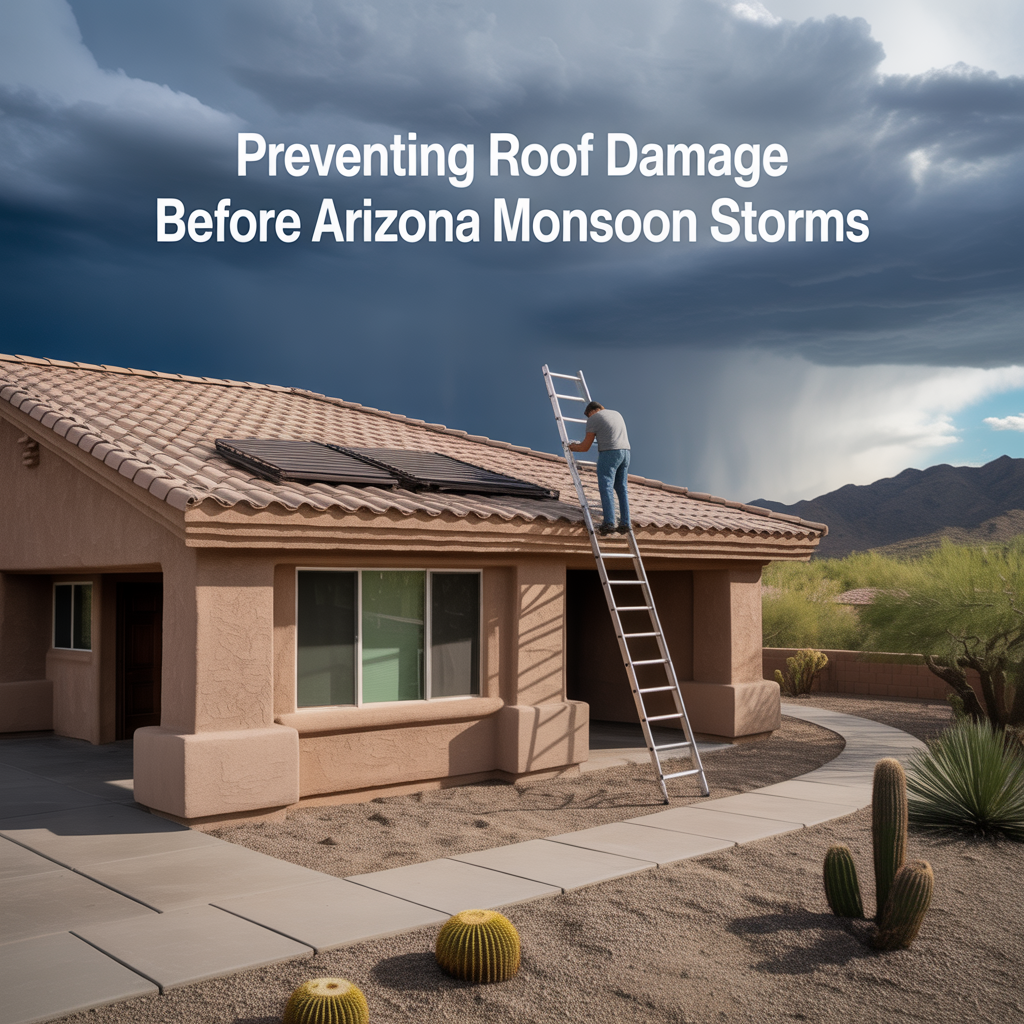
Preventing Roof Damage Before Arizona Monsoon Storms
-

Why AC Tune-Ups Are Critical for Phoenix Homes
-

What Homeowners Should Inspect Before Phoenix Summer Heat Arrives
-
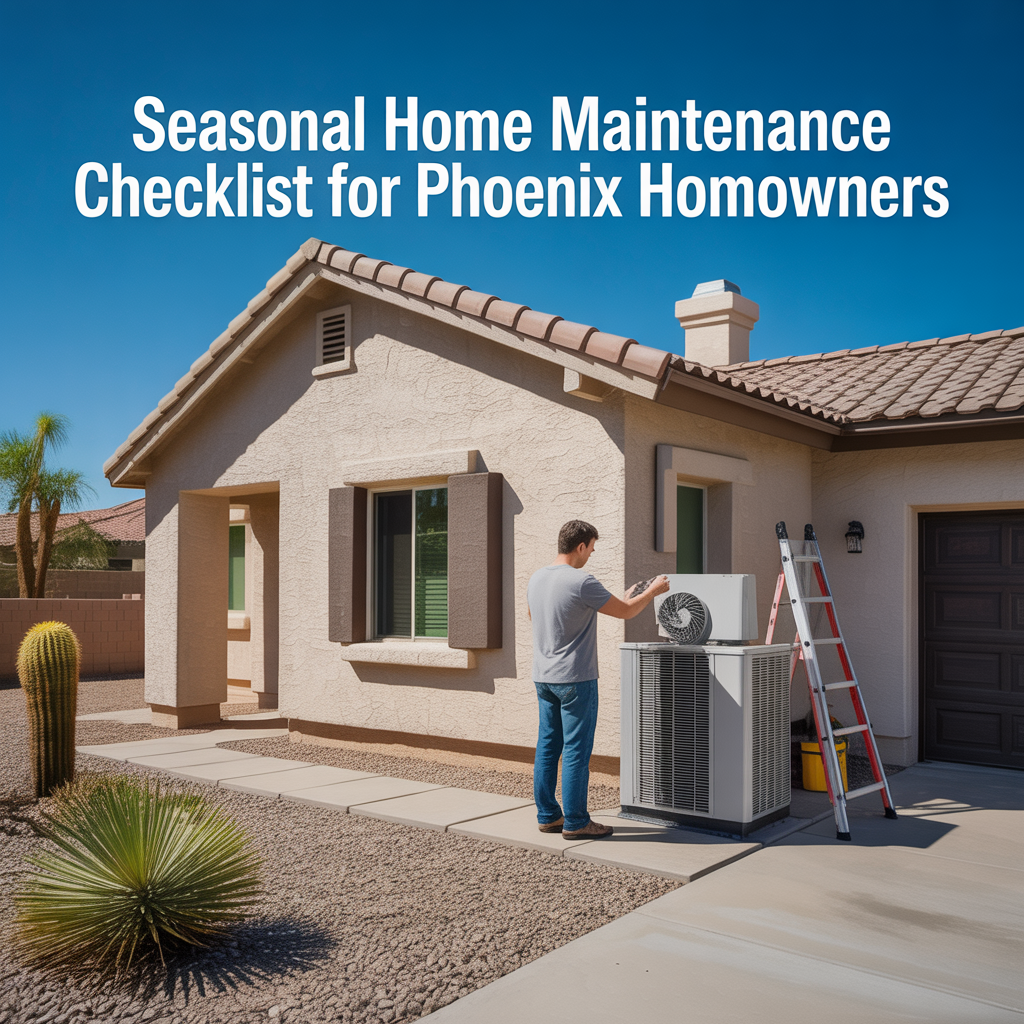
Seasonal Home Maintenance Checklist for Phoenix Homeowners
-
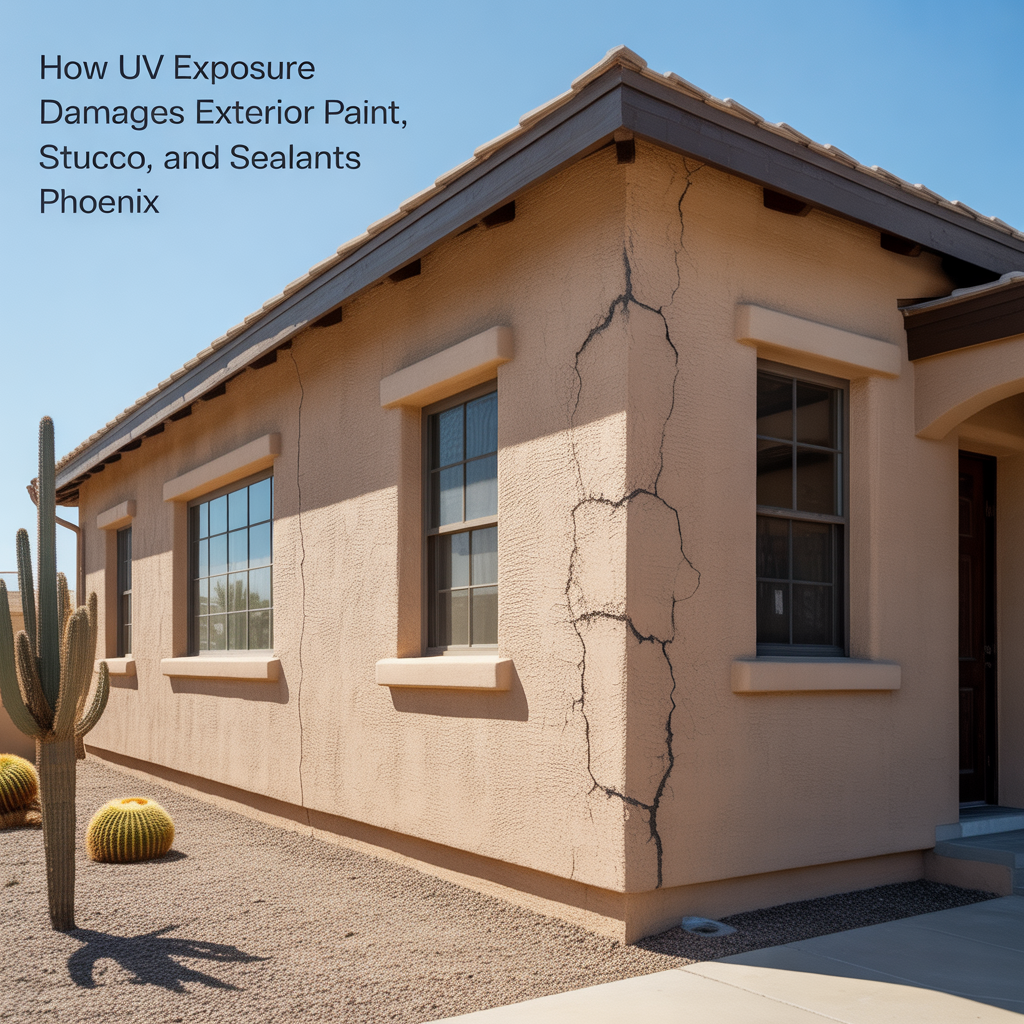
How UV Exposure Damages Exterior Paint, Stucco, and Sealants
-

How Extreme Heat Shortens the Lifespan of Home Systems
-
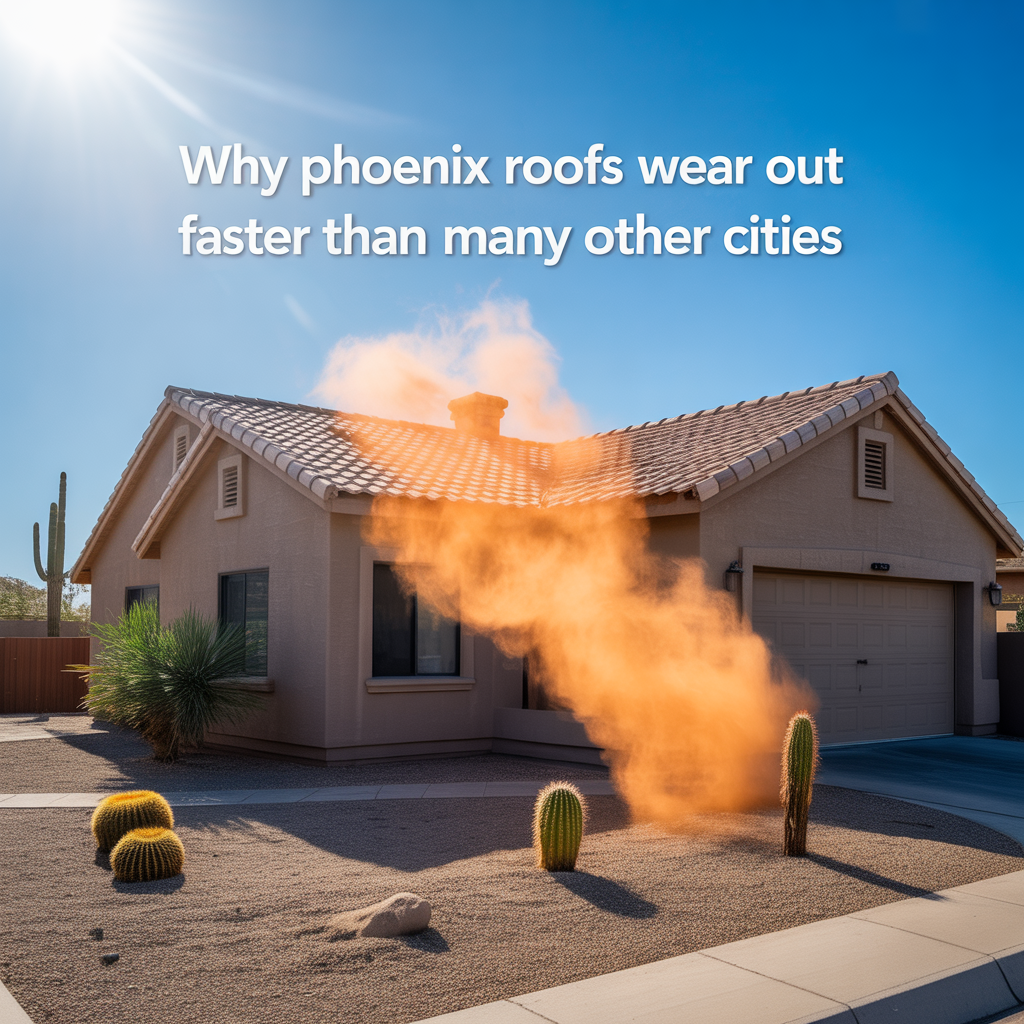
Why Phoenix Roofs Wear Out Faster Than Many Other Cities
-
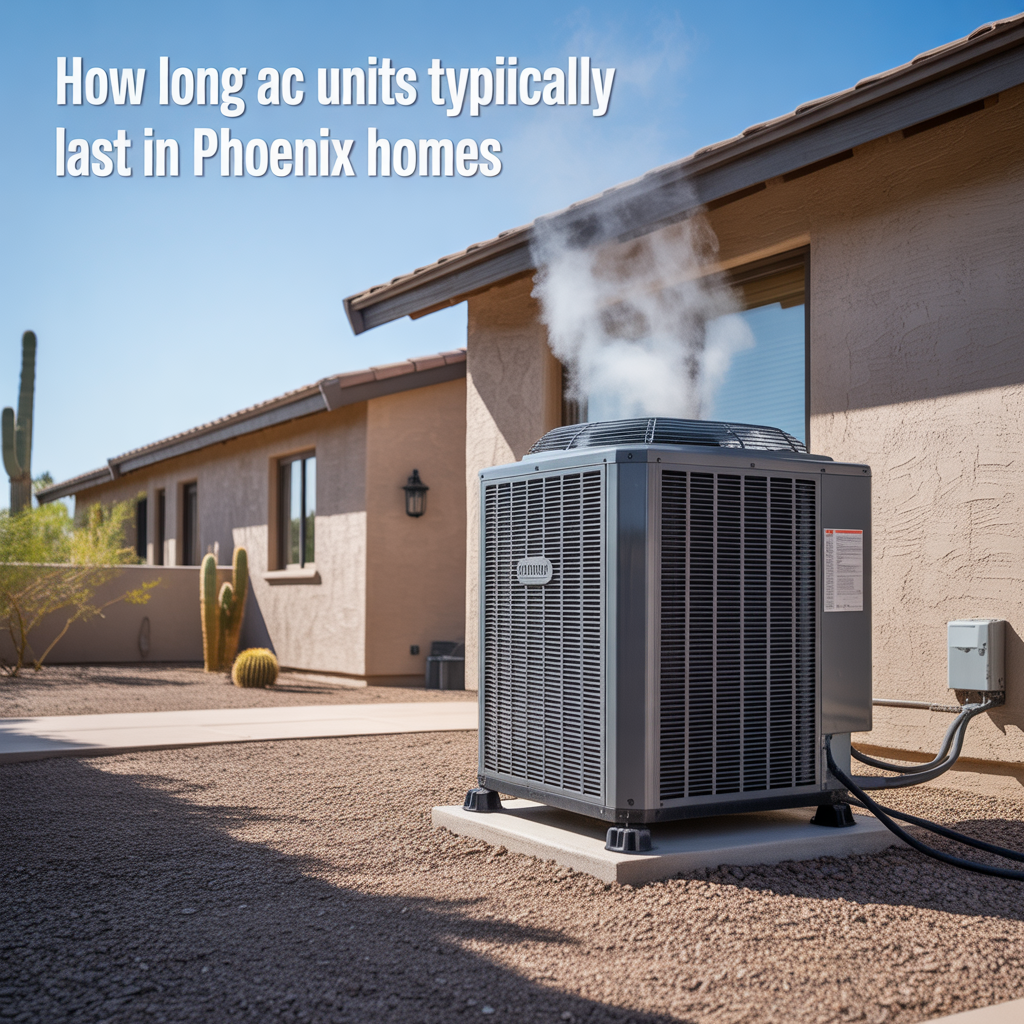
How Long AC Units Typically Last in Phoenix Homes
-
Building a Long-Term Protection Strategy
-

How Small Repairs Prevent Larger Problems
-

Protecting Older Phoenix Homes
-
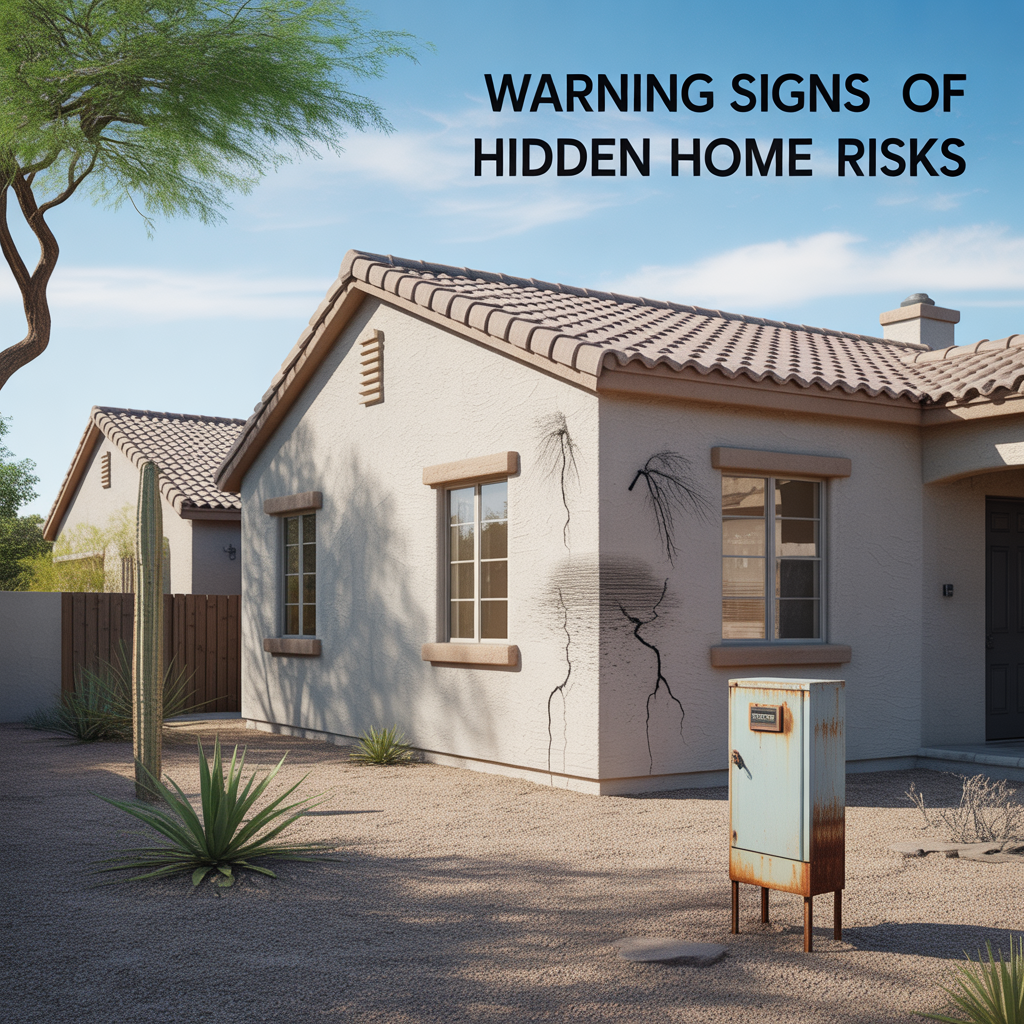
Warning Signs of Hidden Home Risks
-

Preventative Maintenance That Reduces Insurance Claims
-

Reducing Liability Exposure Around Your Property
-

Liability Coverage Limits Explained
-

When Umbrella Insurance Makes Sense
-

Protecting Yourself From Guest Injury Claims