



Mesa Lifestyle Guide → [Mesa Lifestyle Guide] & For more info on Mesa Real Estate → [Mesa Real Estate Guide]
Written by: Renee Burke
I know that sinking feeling all too well—when a simple trip across the Valley turns into an hour-long crawl, and suddenly your day feels heavier than it should. In the Phoenix metro, cross‑city trips between Mesa and neighboring areas like Chandler, Gilbert, or Tempe can test even the most patient among us. It’s not just about the distance; it’s the predictable choke points where growth meets outdated infrastructure, making everyday commutes feel burdensome.
As someone who’s navigated these roads for years—both for showings and my own errands—I see how these heavy zones quietly shape where people choose to live, work, and play. Let’s walk through them thoughtfully, so you can plan around them with confidence.
The Usual Suspects: Power Road and Beyond
Power Road stands out as one of those corridors where cross‑city travel from Mesa into Gilbert or Queen Creek starts to weigh heavy, especially during rush hours. Stretching north-south through the East Valley, it funnels traffic from residential neighborhoods toward Loop 202, but the signals at University Drive and Southern Avenue often back up for miles.
What makes it feel heavier? Rapid development around Eastmark and Superstition Springs has added families, commuters, and school runs without fully pacing the road expansions. I’ve sat in those lines myself, watching e‑bikes zip by on nearby paths, reminding me how micro‑mobility shines here while cars stack up. For trips heading west into Chandler, this stretch can add 20 minutes before you even merge onto the freeway.
It’s a common concern for buyers eyeing Mesa homes—they worry about the daily grind. But knowing it’s contained to peak times helps; early mornings or light rail pairings ease the load considerably.
Ellsworth Road: The Southeast Squeeze
If you’re crossing from southeast Mesa toward Queen Creek or the SR 24 Gateway Freeway, Ellsworth Road between Germann and Ray Road is another spot where trips feel disproportionately heavy. This arterial carries everyone from airport workers at Mesa Gateway to families heading to San Tan outlets, and the two-to-three lane setup clogs quickly with turning traffic and construction phasing.
Right now, widening projects are underway, promising three lanes each way by early 2027, but the interim means detours via Signal Butte or Meridian—roads that jam up in sympathy. I’ve advised clients relocating from central Phoenix to avoid listing showings here between 4 and 6 p.m.; the frustration shows in their faces.
Yet, this is Mesa doing what it does best: investing ahead of the curve. Once complete, it’ll breathe easier for cross‑city links, boosting appeal for neighborhoods like Las Sendas or Red Mountain Ranch.
Loop 202 and the Superstition Freeway Bottlenecks
No discussion of heavy cross‑city trips skips the Loop 202 interchange with US 60—the Superstition Freeway. Heading west from Mesa into Tempe or south toward Chandler, the ramps at Higley or Val Vista create merging nightmares, especially when events at Mesa Arts Center or ASU pull extra volume.
Peak frustration hits during the 45-minute merge from eastbound 202 to southbound 60, where semis and sedans jockey for space. Data from local traffic reports consistently flags this as a top delay zone, turning a 15‑mile hop into 45 minutes of white-knuckled patience. For sellers in Apache Junction or Gold Canyon commuting west, this is the pain point they mention first.
The good news? HOV lanes and ongoing ramp signals are mitigating some backups, and pairing with light rail at Mesa Drive station cuts the need for full freeway runs altogether.
US 60 Through the Heart of Mesa
Traveling east-west across Mesa on US 60—Baseline to Ellsworth—feels heavy when crossing into Gilbert or Chandler, particularly around Stapley Drive and Val Vista. Retail hubs, medical centers like Banner Desert, and Mesa Community College converge here, swelling midday and evening traffic with shoppers, students, and shift changes.
It’s the kind of congestion that sneaks up on you; one red light turns into a chain reaction. I remember guiding a young family last spring—they loved a home near Signal Butte but reconsidered after timing the school run. These stretches highlight why buyers now prioritize homes with secondary access via bike paths or quieter arterials like McDowell.
Infrastructure tweaks, like synchronized signals and turn lane additions, are in motion, but for now, it reinforces the value of local living over long hauls.
Why These Areas Feel Heavier Than Others
Phoenix metro growth is explosive—Mesa alone added thousands of residents yearly—but cross‑city heaviness stems from transition zones where suburban sprawl meets commercial density. Unlike smoother north-south paths in Scottsdale, these East Valley links juggle freight from the airport, booming housing, and retail without enough parallel options yet.
Heat amplifies it too; idling in 110 degrees tests air conditioning and tempers alike. And while freeways like I‑10 west of Tempe flow better post‑widening, the 202 and 60 hubs lag, creating that “stuck in Mesa’s middle” sensation for outbound trips.
Buyers often fear this erodes lifestyle, but it’s more manageable than it seems—remote work trends and Valley Metro expansions have lightened the load for many households.
Navigating with Real Estate in Mind
For home searches, these heavy zones guide smart choices. Avoid primary reliance on Power or Ellsworth if your job pulls you Chandler‑ward; instead, seek pockets like downtown Mesa with rail access or Eastmark’s path networks for hybrid commutes.
Sellers can counter perceptions by mapping “true travel times” via apps—showing how a 25‑minute car trip shrinks to 15 with micro‑mobility or HOV. I’ve closed deals this way, easing worries with personalized route walkthroughs.
| Route | Peak Delay Hotspot | Typical Added Time | Alternatives |
|---|---|---|---|
| Mesa to Gilbert | Power Rd @ University | 15-25 min | Light rail + bike |
| SE Mesa to Queen Creek | Ellsworth @ Germann | 20-30 min | Meridian Rd, SR 24 |
| Mesa to Tempe | Loop 202/US 60 ramps | 25-40 min | Main St rail corridor |
| Across Mesa E-W | US 60 @ Stapley | 10-20 min | Southern Ave paths |
This table simplifies it—use it to visualize before touring.
The Silver Lining in the Slowdown
Here’s the reassuring part: these heavy areas signal where improvements are pouring in. SR 24 expansions start late 2026, Ellsworth widens soon after, and Loop 202 tweaks continue. Mesa’s not ignoring the strain; it’s addressing it with Valley‑specific pragmatism.
Living near these zones doesn’t trap you—it positions you for appreciation as fixes land. Families I’ve helped settle in Red Mountain or Las Sendas now blend driving with e‑bikes, turning potential headaches into non‑issues. It’s about adapting thoughtfully, not avoiding entirely.
Blending Mobility into Your Lifestyle
Cross‑city heaviness fades when you layer in Mesa’s micro‑mobility strengths. From canal paths dodging Power Road backups to scooter shares near US 60, these tools reclaim time and sanity. Neighborhoods integrating them—like Fiesta District townhomes or Eastmark’s trails—offer the balance many crave.
It’s a reminder that Phoenix works best when you know its rhythms: drive the freeways wisely, lean on rail for mid‑Valley hops, and micro‑move locally. That mindset sustains both daily joy and property value.
Looking Ahead Calmly
By 2027, with road widenings and rail extensions online, today’s heavy trips will feel like distant memories. Until then, awareness arms you—no more surprises, just strategic living.
This evolution keeps Mesa desirable: connected without chaos, growing without gridlock.
Let’s Map Your Path Forward
If these cross‑city realities have you rethinking your Mesa move—or fine‑tuning where to plant roots—you don’t have to navigate it alone. I’m here as your East Valley guide, ready to plot routes, assess neighborhoods, and align infrastructure with your family’s flow.
Reach out anytime; together, we’ll make the Valley feel lighter, one informed step at a time.
Get the full Phoenix Market Insights → [Market Insights]


-

Pool Liability and Insurance in Phoenix
-

Protecting Outdoor Structures and Shade Systems
-

HVAC Failures and Insurance Coverage
-

Roof Maintenance for Phoenix Climate Conditions
-

Preventing Water Damage in Desert Landscapes
-

How Monsoon Storms Affect Phoenix Homes
-

Why Policy Structure Matters More Than Premium
-

Understanding Coverage Limits and Exclusions
-

What Personal Property Coverage Actually Includes
-

How Liability Coverage Protects Homeowners
-

Replacement Cost vs Market Value in Phoenix Insurance
-

Understanding Deductibles Before You Need Them
-

How Renovations Affect Insurance Coverage
-

When to Review Your Home Insurance Policy
-

Why Replacement Cost Matters in Phoenix Insurance Policies
-

When a House Truly Starts to Feel Like Home
-

How Phoenix Neighborhood Living Builds a Sense of Belonging
-

Why Stability Plays a Major Role in Long-Term Home Satisfaction
-

How Familiarity Changes the Experience of Living in a Home
-

Renovate or Move? Deciding What to Do When Your Phoenix Home No Longer Fits
-
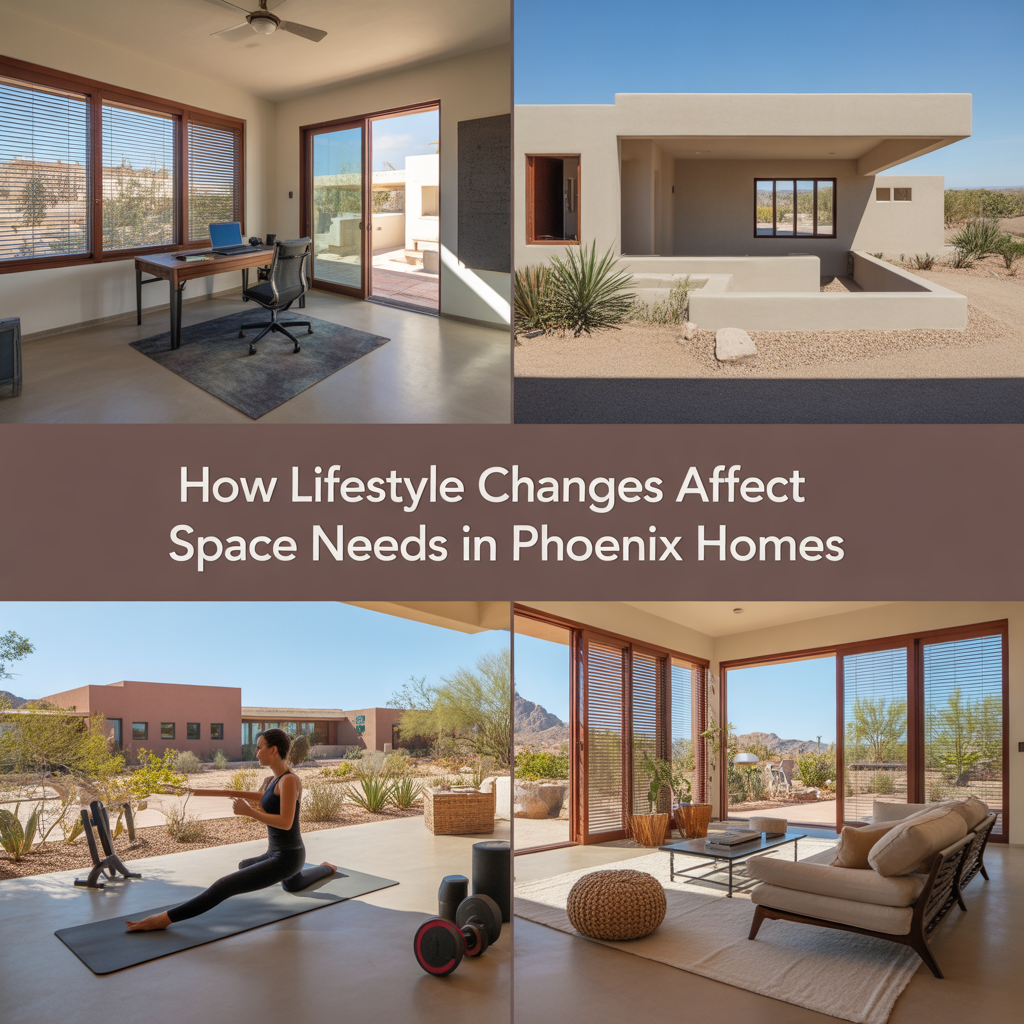
How Lifestyle Changes Affect Space Needs in Phoenix Homes
-
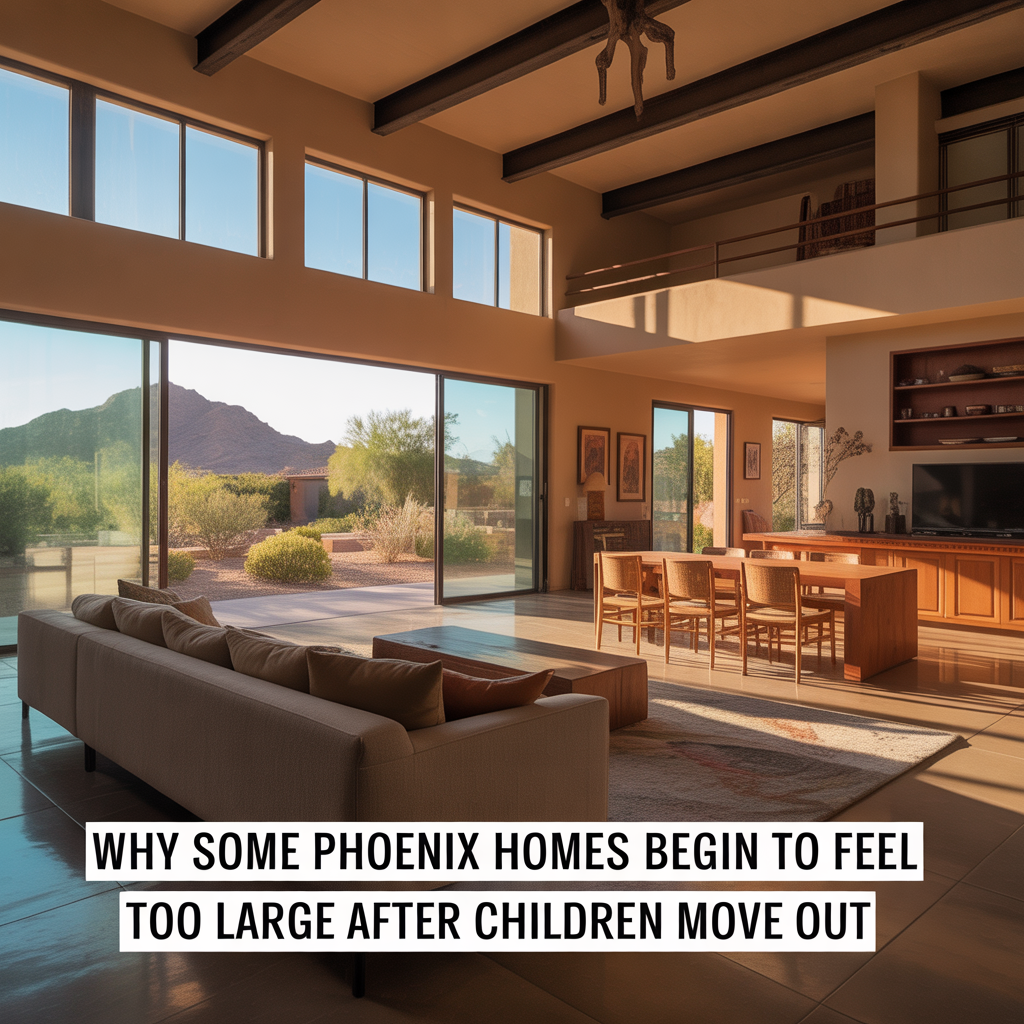
Why Some Phoenix Homes Begin to Feel Too Large After Children Move Out
-
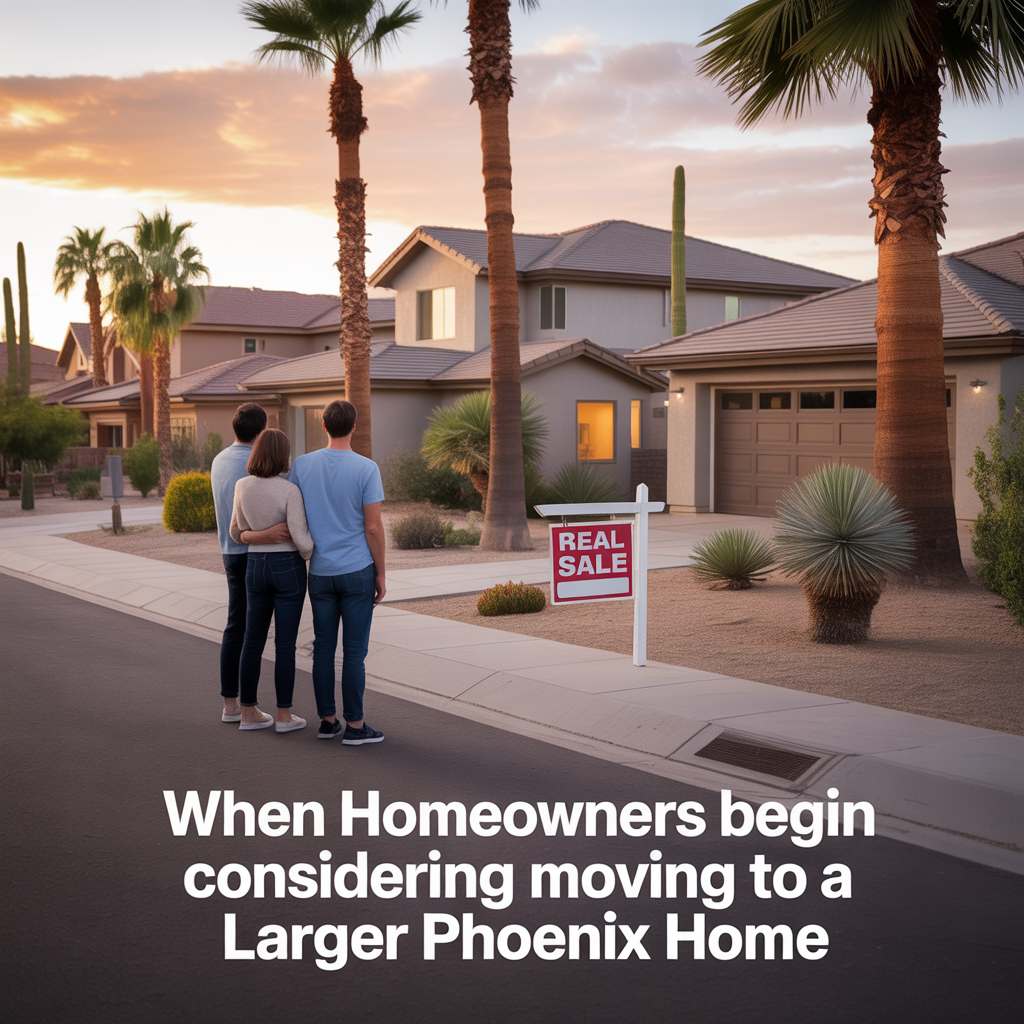
When Homeowners Begin Considering Moving to a Larger Phoenix Home
-

Signs Your Phoenix Home Is Starting to Feel Too Small for Your Family
-

How Desert Landscaping Evolves Over Years of Phoenix Homeownership