



Mesa Lifestyle Guide → [Mesa Lifestyle Guide] & For more info on Mesa Real Estate → [Mesa Real Estate Guide]
Written by: Renee Burke
If you’ve spent any time exploring homes in Mesa, you’ve probably run into the same crossroads many families face: the district versus charter school decision. It comes up over casual coffees, during weekend open houses, even mid-tour when parents glance up from a beautiful kitchen and ask, “How’s the school situation here, really?”
It’s not always a simple answer — and it shouldn’t be. Mesa is home to Arizona’s largest unified district and a wide network of charter and magnet options, each offering something distinct. As someone who lives and works in this community every day, I’ve watched families weigh these paths carefully, balancing their children’s needs with their budget, commute, and long-term goals. Let’s take a calm, honest look at what those tradeoffs really feel like here in Mesa — not in theory, but on the ground.
Understanding Mesa’s Landscape
Mesa Public Schools has deep roots. It’s the largest district in Arizona, serving over 50,000 students, with programs that span celebrated neighborhood elementary schools to competitive International Baccalaureate high schools. Alongside it, Mesa’s charter network has grown steadily over the past two decades — from long-established campuses like BASIS Mesa and Sequoia Charter, to newer personalized models such as Edkey and Heritage Academy.
This mix means that, in nearly every part of Mesa — from Dobson Ranch to Eastmark — families have genuine choices. But choice can also bring uncertainty. The right fit depends not only on test scores, but also on values, teaching style, community culture, and how well a school supports day-to-day family life.
The Steady Appeal of District Schools
For many Mesa families, district schools remain the anchor that keeps neighborhoods connected.
District campuses often offer stability — the kind that grows roots. Teachers tend to stay long-term, extracurricular programs run deep, and relationships build between families who’ve lived on the same streets for decades. Mesa Public Schools also benefit from consistent oversight and shared standards across the entire city, which can make transitions between grade levels or schools smoother.
There’s also a tangible sense of continuity. Students who start at a neighborhood elementary often progress with the same group of peers through junior high and high school. For some parents, that sense of “belonging” outweighs any academic ranking or specialized curriculum.
Mesa’s district schools have also leaned into innovation in recent years, introducing STEM academies, career and technical education pathways, and early college partnerships with Mesa Community College and ASU Polytechnic. It’s a reminder that large districts aren’t static — they evolve with their communities.
Still, size can sometimes be a double-edged sword. Bureaucracy takes time. Families looking for smaller class sizes or more customized instruction sometimes feel pulled toward something more tailored.
Why Charter Schools Catch Attention
This is where charter schools enter the conversation.
Charters often attract families seeking a sharper focus — whether academic rigor, arts integration, or individualized pacing. BASIS Mesa, for instance, has earned national recognition for advanced math and science benchmarks. Heritage Academy emphasizes character and classical studies. Others, like Imagine or Edkey, build around personalized attention or flexible learning environments that adapt for sports, arts, or unique learning needs.
Mesa’s charter campuses tend to be smaller in scale, fostering tight-knit communities where administrators know students by name. Parents often mention this as a deciding factor. Many charters emphasize direct family involvement — volunteer hours, advisory groups, campus partnerships — which can strengthen that sense of shared mission.
However, the charter model also comes with tradeoffs. Transportation is not always provided, so families must manage commutes themselves. Extracurricular offerings, while purposeful, may be more limited, and facilities might not have the same scope or athletic depth found at long-established district campuses. Admission can also be competitive or lottery-based, especially for high-performing charter networks.
The Mesa Middle Ground: Hybrid Choices
In practice, many Mesa families straddle both worlds.
A child might attend a district elementary with strong arts programs, then transfer to a charter middle school with a classical focus. Some households choose by personality — one sibling thrives in a structured charter setting, another fits better within a traditional district framework.
Mesa’s ecosystems support this flexibility. Open enrollment policies in Arizona make it relatively easy to cross boundaries, whether pursuing a magnet program or specialized charter nearby. The city’s interconnected layout — where Eastmark meets Gilbert, or Red Mountain blends toward Apache Junction — allows families to consider practical factors like commute time and extracurricular balance without giving up quality education.
For families relocating from out of state, this freedom can feel both empowering and overwhelming. Having the ability to compare schools is wonderful; but interpreting what’s right for your child and lifestyle often needs patient, local guidance — someone who understands how these choices actually play out day-to-day.
How School Choice Shapes Neighborhoods
In Mesa, school choice doesn’t just shape children’s experiences — it subtly influences how neighborhoods grow.
Areas around top-rated district schools like Mountain View or Red Mountain High often see stable demand, with buyers specifically targeting attendance zones. Nearby homes tend to hold value from consistent buyer interest and community continuity.
On the other hand, charters introduce flexibility that can boost surrounding neighborhoods as well. Eastmark, for example, was master-planned with multiple charter partnerships in mind. Parents there often point to the convenience of walking to BASIS Mesa or Sequoia Pathfinder as part of the community’s appeal. This kind of proximity keeps education integrated within lifestyle — something homebuyers here actively prioritize.
Yet, not every strong school area demands high prices. Mesa’s appeal lies partly in its range — from the established communities near Dobson Ranch to the expanding east corridors that cater to newer families balancing affordability and amenities. Understanding how local education options intersect with a home’s long-term value is where local expertise truly makes a difference.
Addressing Common Misconceptions
I often hear myths about schools in Mesa — some rooted in half-truths, others in outdated data.
One misconception is that charter automatically equals “better” or that district schools have fallen behind. In reality, both systems produce exceptional and average performers. The key difference is focus, not quality.
Another misconception is that choosing one route “locks you in.” In Arizona, mobility between schools remains remarkably open. Families can re-evaluate at transition years without penalty, giving them flexibility as their child’s learning style or family situation evolves.
Lastly, families sometimes fear that identifying with a charter or district group signals a broader identity — as though it defines parenting style or values. In Mesa, that’s rarely the case. Education here is an adaptable ecosystem, not a hierarchy. Each family carves its own path, often blending elements of both.
What to Consider When You’re Moving to Mesa
When evaluating schools alongside a home purchase, I encourage clients to think beyond a single ranking or reputation. Ask:
- What daily rhythm fits our family best — structure or flexibility?
- Do we value walkable proximity to a neighborhood school, or are we open to driving for a specific curriculum?
- How involved do we want to be on campus?
- Does this school’s community mirror the environment we want for our family?
When your real estate choices reflect your educational values, you create alignment — a smoother lifestyle and a stronger investment. I’ve seen families make decisions that seemed purely academic at first, only to discover how much they affected how connected they felt to their neighborhood later on.
Mesa rewards thoughtful choices. Its variety allows for both tradition and innovation, often within minutes of each other.
Why Balanced Insight Matters
As a local real estate professional who’s walked these school boundaries for years, I’ve learned that the decision isn’t about “better” or “worse.” It’s about fit.
District schools often offer deep community infrastructure, reliable extracurriculars, and predictable transitions — a great foundation if you value consistency. Charter schools bring innovation, niche programming, and flexible philosophies that can ignite specific passions. Mesa thrives because both coexist, giving families the freedom to build the combination that fits them best.
The smartest approach is to treat school selection as part of your overall home search strategy — not a separate chore. The right neighborhood often flows naturally from the right educational environment, and vice versa.
A Warm Invitation to Connect
If you’re exploring a move to Mesa and trying to align your home search with the right school options, you don’t have to figure it out alone. I’ve spent years guiding families through these choices, helping them weigh not only the commute times and property values, but also the rhythm that makes everyday life easier.
Mesa’s diversity of districts and charters is one of its greatest strengths, and with the right insight, you can find a neighborhood — and a school — that feel like home.
If you’re thinking about making that move in the greater Phoenix area, reach out anytime. Let’s talk about what balance looks like for your family. Because here in the East Valley, a home is never just about the property — it’s about the life you build around it.
Get the full Phoenix Market Insights → [Market Insights]


-

Signs Your Phoenix Roof Needs Inspection or Repair
-

How Long Tile Roofs and Roof Underlayment Last in Phoenix
-

How Smart Thermostats Improve Cooling Efficiency in Arizona Homes
-

Why AC Systems Struggle During Extreme Phoenix Heat Waves
-

How Long Air Conditioning Units Last in Phoenix Homes
-

Warning Signs Your Air Conditioner Is About to Fail
-

How Often Phoenix AC Systems Need Maintenance
-
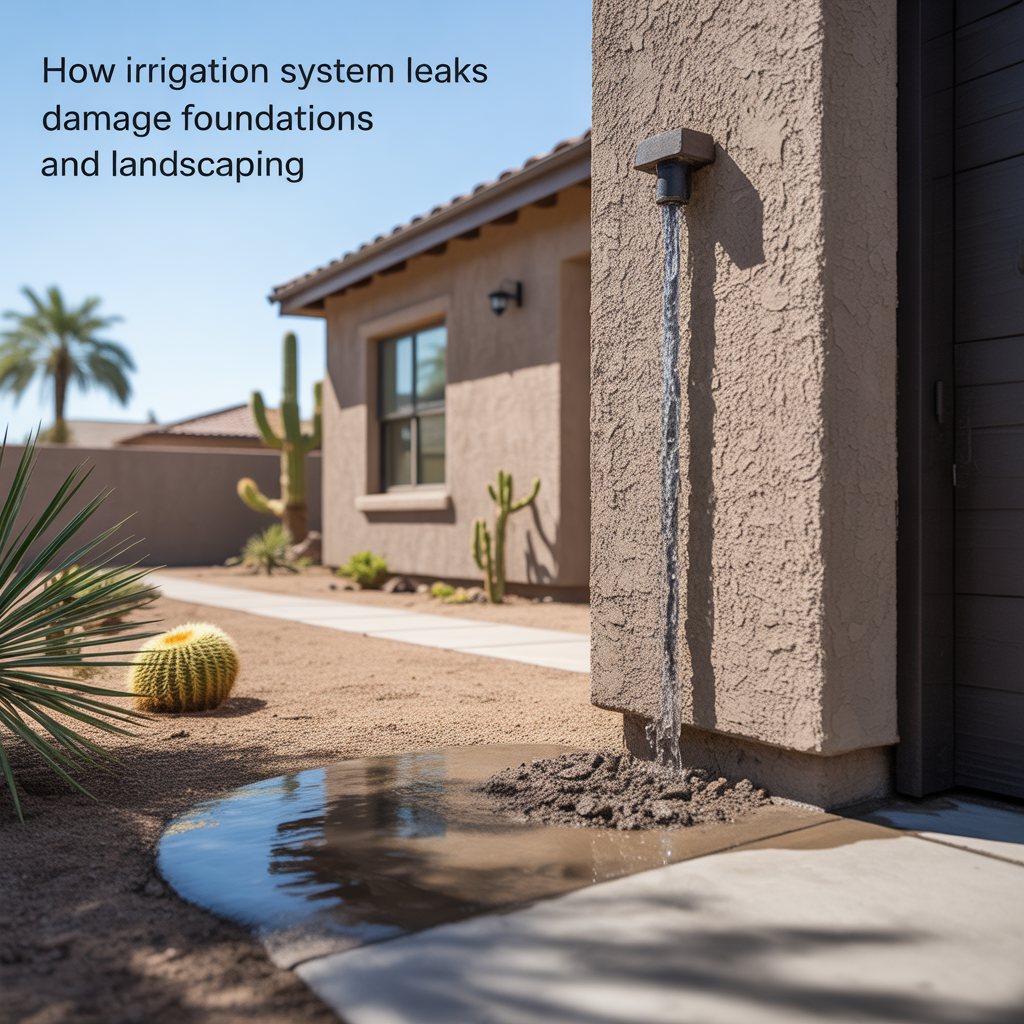
How Irrigation System Leaks Damage Foundations and Landscaping
-

Preventing Roof Damage Before Arizona Monsoon Storms
-

Why AC Tune-Ups Are Critical for Phoenix Homes
-

What Homeowners Should Inspect Before Phoenix Summer Heat Arrives
-

Seasonal Home Maintenance Checklist for Phoenix Homeowners
-

How UV Exposure Damages Exterior Paint, Stucco, and Sealants
-

How Extreme Heat Shortens the Lifespan of Home Systems
-

Why Phoenix Roofs Wear Out Faster Than Many Other Cities
-

How Long AC Units Typically Last in Phoenix Homes
-

Building a Long-Term Protection Strategy
-

How Small Repairs Prevent Larger Problems
-

Protecting Older Phoenix Homes
-

Warning Signs of Hidden Home Risks
-

Preventative Maintenance That Reduces Insurance Claims
-

Reducing Liability Exposure Around Your Property
-

Liability Coverage Limits Explained
-

When Umbrella Insurance Makes Sense
-

Protecting Yourself From Guest Injury Claims