


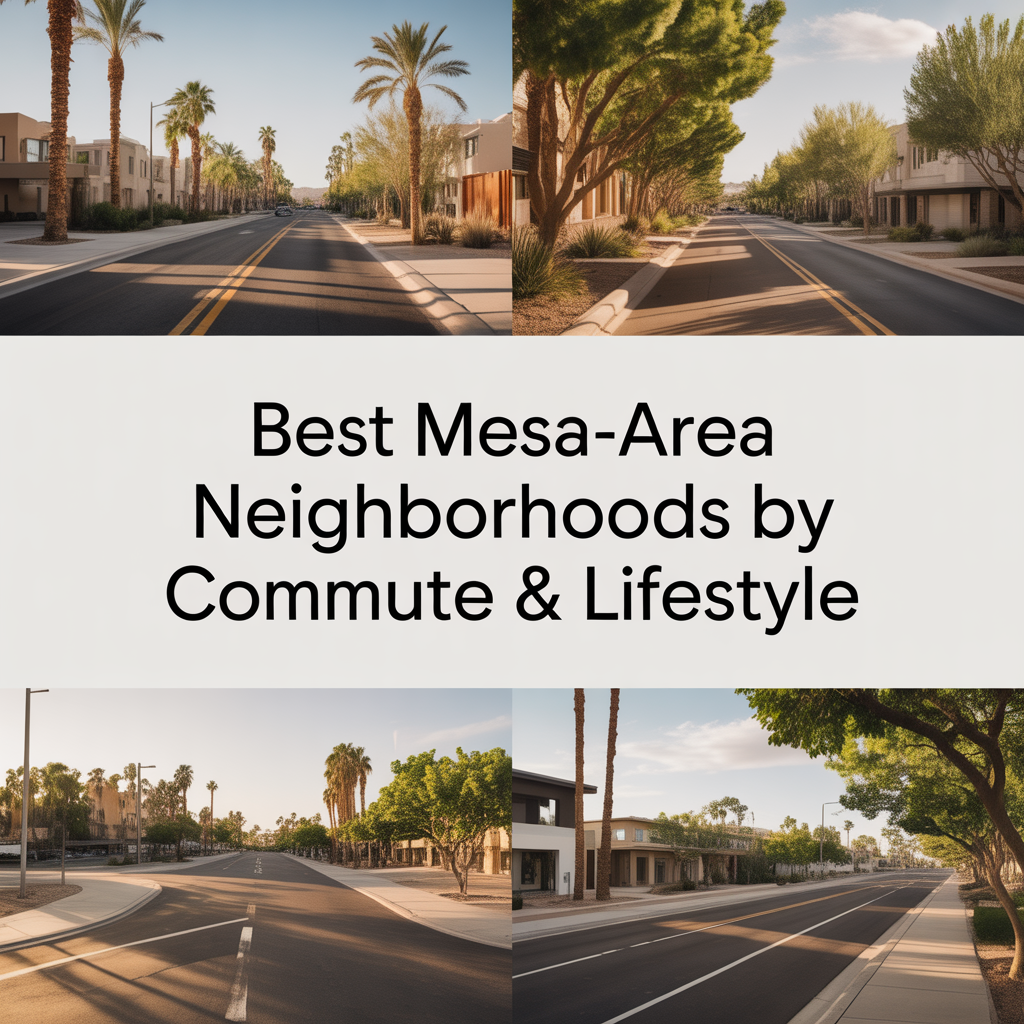
Mesa Lifestyle Guide → [Mesa Lifestyle Guide] & For more info on Mesa Real Estate → [Mesa Real Estate Guide]
Written by: Renee Burke
Downtown & West Mesa vs East & Southeast Mesa: Where Buyers See the Most Value
When Mesa buyers sit down with me, one of the first questions they ask is where they’ll get the most house for their money—without compromising on lifestyle or future growth. Our city splits naturally into West and Downtown areas versus the East and Southeast, each offering distinct value in today’s market. West Mesa and Downtown draw those seeking urban energy and entry-level prices, while East and Southeast Mesa appeal to families and professionals chasing newer builds and long-term appreciation. Let’s unpack where the real value lies for different buyers, based on how these areas perform right now.
Downtown Mesa: Urban Charm at an Entry Price
Downtown Mesa hums with revitalization—think Mesa Arts Center performances, farmers markets along Main Street, and new lofts popping up near the light rail. Median prices hover around $355,000, making it one of the most approachable spots for first-time buyers or urban enthusiasts. You get mid-century homes or modern condos, walkable to boutiques, breweries, and the amphitheater, all with quick hops to Tempe or Sky Harbor via rail or the 60.
The value here shines for young professionals or empty nesters who prioritize culture over yard space. Revitalization along Main Street is lifting values steadily—properties near the light rail have seen 5-10% annual gains as development spills over from Fiesta Mall’s rebirth. It’s not without older infrastructure or busier streets, but the lifestyle trade-off feels worth it when you’re steps from live music or a weekend market.
West Mesa: Affordable Access and Steady Upside
West Mesa stretches along the city’s western edge, home to Mesa Community College, Kleinman Park, and shopping plazas. Homes average $365,000-$400,000, often single-family or apartments in mid-century to contemporary styles. Proximity to the light rail and US-60 means 20-30 minute drives to Phoenix jobs, plus easy access to Asian markets and Chandler.
Buyers find value in the sheer affordability—fixer-uppers abound for equity builders, and revitalization from downtown is trickling west, boosting demand near the old Fiesta site. It’s central for commuters, with solid schools in pockets like Dobson Ranch (median around $402,000). The area suits budget-conscious families or investors eyeing rental potential near the college. While some streets feel dated or sketchier, established neighborhoods offer safe, walkable enclaves with parks and golf.
East Mesa: Newer Builds and Balanced Growth
Shifting east, the vibe turns suburban and fresh. East Mesa, including spots like The Groves and areas near Las Sendas, blends citrus-lined streets with million-dollar views. Prices sit higher—$400,000-$600,000—but you get more square footage, updated features, and community perks like trails and pools. It’s growing fast, with Az Grounds (once Legacy Park) drawing families to new parks and the 24 Freeway easing commutes.
Value comes from the build quality and lifestyle: think golf at Las Sendas ($605,000 median) or citrus groves in The Groves, all with mountain backdrops. Commutes to Banner Gateway or Intel run 15-25 minutes via Ellsworth, and low crime adds peace of mind. Buyers see appreciation potential here—5-8% yearly—as northeast Mesa attracts Scottsdale spill-over without the premium.
Southeast Mesa: Master-Planned Future-Proofing
Southeast Mesa, anchored by Eastmark, feels like the Valley’s next chapter. Median prices range $428,000-$550,000 for modern single-family homes or townhomes in this master-planned haven. You’re near Phoenix-Mesa Gateway Airport, Loop 202, and Usery trails, with 25-minute drives to Chandler tech or Phoenix.
The draw is comprehensive: 40 acres of parks, rec centers, events, and top schools create instant community. Eastmark’s expansion promises rising values—new phases sell out fast, and amenities like splash pads or markets keep families rooted. It’s pricier than West but delivers newer everything—energy-efficient builds, open layouts—for long-haul owners. Proximity to Queen Creek growth adds equity upside.
Price and Value Comparison at a Glance
Here’s how they stack up for a typical buyer:
| Area | Median Price | Sq Ft per $ | Key Value Driver | Best For |
|---|---|---|---|---|
| Downtown/West | $355K-$400K | $250-$280 | Urban access, fix-up potential | Young pros, investors, commuters |
| East/Southeast | $428K-$600K | $220-$260 | Newer homes, amenities, growth | Families, long-term holders |
West offers immediate affordability; East builds wealth over time.
Lifestyle and Practical Trade-Offs
Downtown and West Mesa trade space for centrality—you’re near culture, rail, and jobs, but homes skew smaller or older, with some areas needing TLC. Summers mean busier streets, yet evenings glow with arts and eats. Families might feel the school variance more here.
East and Southeast flip that: larger lots, resort-style living, and nature access, but longer drives to Phoenix core (30-40 minutes). Schools excel, especially Eastmark, and low-maintenance yards fit our desert life. Commutes favor east-side jobs like healthcare or aviation.
Buyers often fear East’s “premium”—yet newer roofs, HVAC, and warranties offset years of maintenance costs. West’s “sketchy” rep lingers unfairly; revitalization is changing narratives block by block.
Where Value Wins for You
Downtown and West Mesa deliver if affordability and urban pulse top your list—great for starters or flippers capturing downtown momentum. East and Southeast Mesa edge ahead for most buyers today: more home, stronger schools, and appreciation in a growth corridor. In our steady 2026 market, East buyers see 98-100% list-to-sale ratios and faster equity.
Value is personal—budget, family stage, commute. West saves upfront; East invests in tomorrow.
I’ve helped dozens weigh these divides, touring from Main Street lofts to Eastmark parks. Share your priorities—price range, job spot, family size—and I’ll show where value aligns for you.
If you’re thinking about making a move in Mesa—or anywhere in the Phoenix area—you don’t have to figure it out alone. I’m here when you’re ready to start that conversation.
Get the full Phoenix Market Insights → [Market Insights]


-

How the Phoenix Desert Climate Shapes Everyday Life Inside the Home
-

How Phoenix Weather Patterns Shape Everyday Home Routines
-
Why Homes Often Feel More Comfortable After the First Year of Ownership
-
How Living in Phoenix Changes the Way Homeowners Use Their Homes
-
What New Phoenix Homeowners Learn During Their First Year of Ownership
-

How Daily Life Changes After the First Year of Living in a Phoenix Home
-
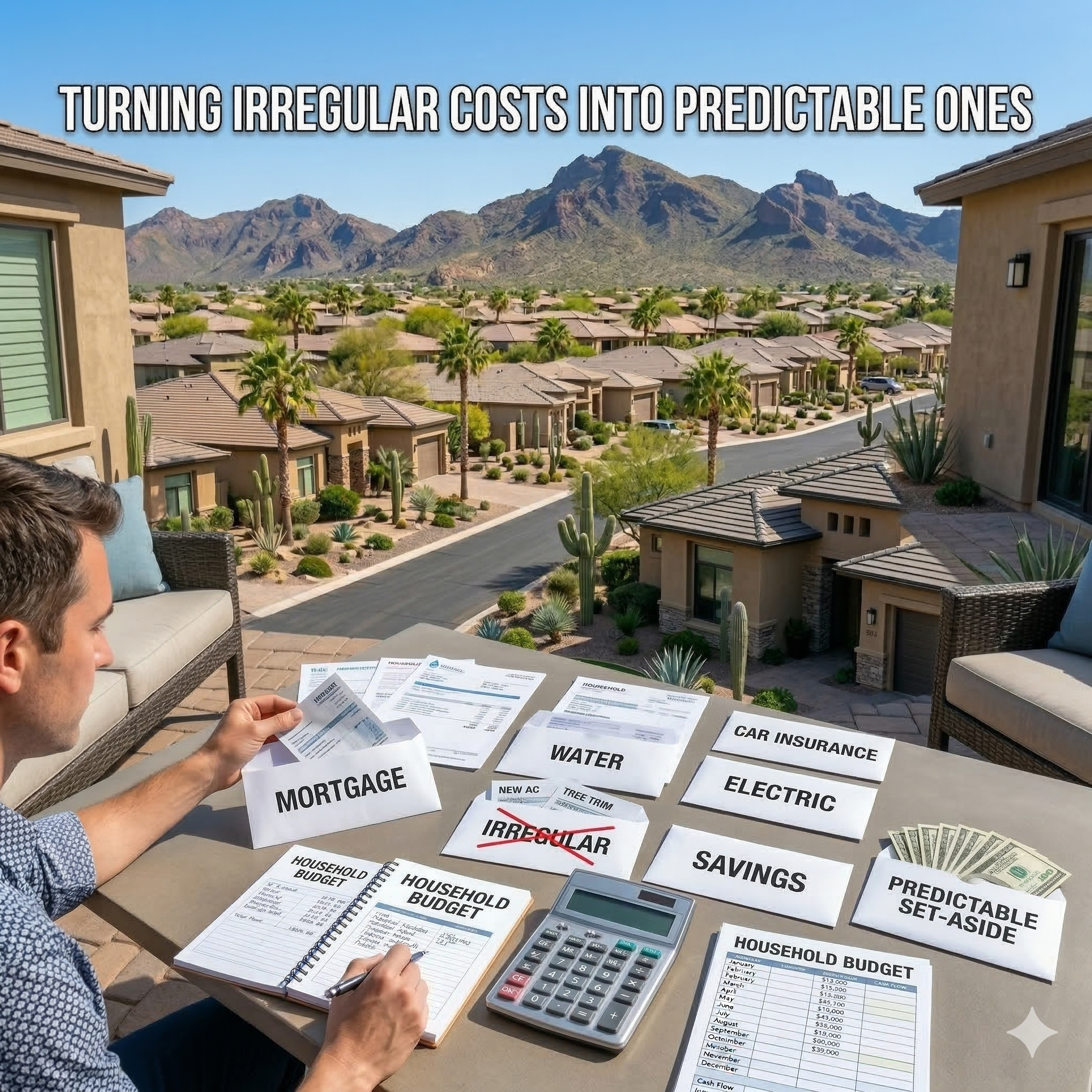
Turning Irregular Costs Into Predictable Ones
-

Budgeting for Ongoing Ownership
-
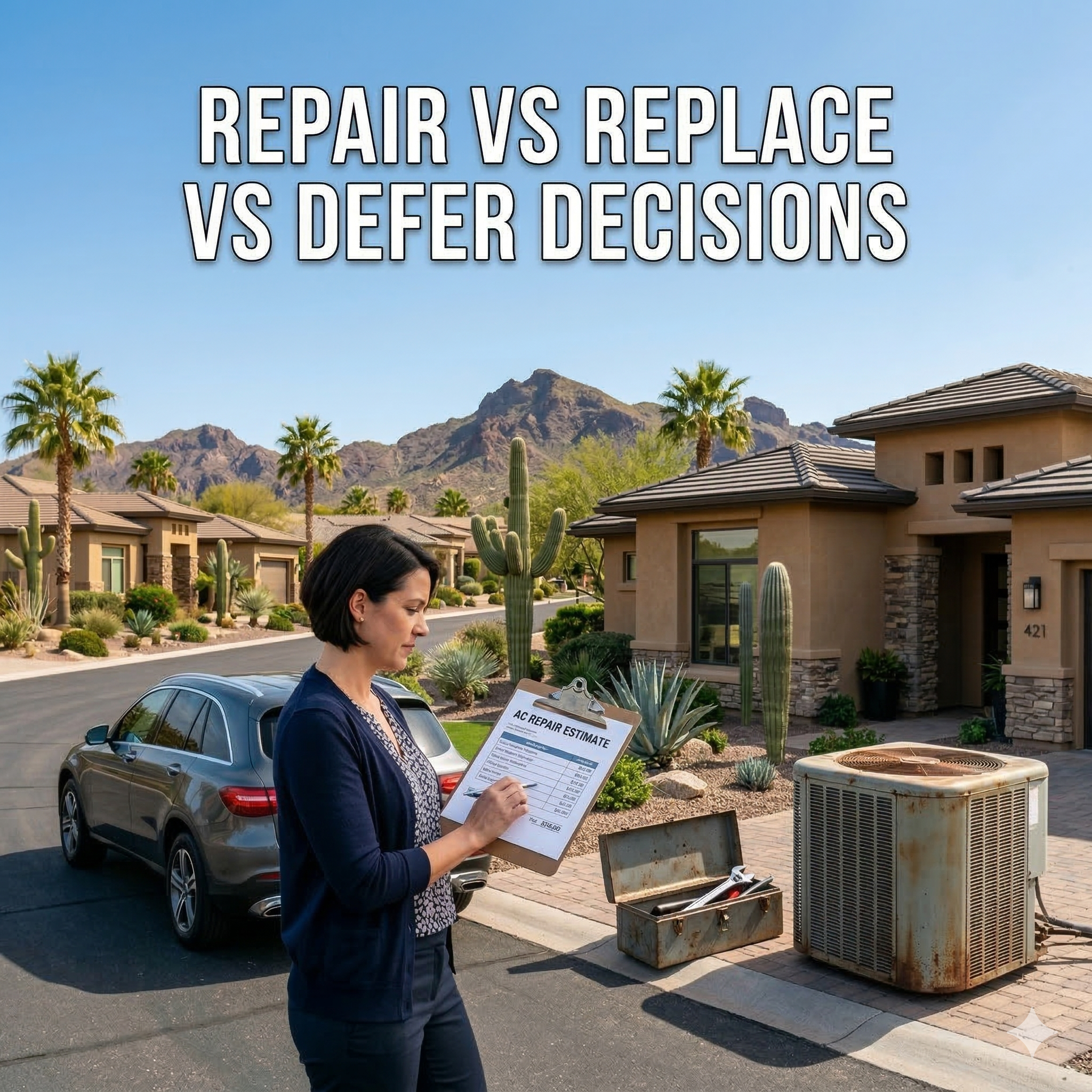
Repair vs Replace vs Defer Decisions
-

Planning Homeownership Like a Long-Term Asset
-

What Home Expenses You Can Safely Delay
-

Stopping Cost Creep Early
-

Cash Flow vs Net Worth Stress
-
Why “It’s Not That Much” Adds Up
-

Warning Signs Your Ownership Budget Is Tightening
-

The Cumulative Cost of Small Home Repairs
-
Designing Budgets Around Local Conditions
-
Utility Costs Over Time in Desert Climates
-

Insurance Increases Explained for Arizona Homeowners
-
How Inflation Impacts Phoenix Homeownership Costs
-

Avoiding Debt-Driven Homeownership Decisions
-

Replacing Systems on Your Timeline
-

Why Emergency Repairs Cost More
-

Timing Major Expenses Without Financial Shock
-
How Much to Keep in a Phoenix Home Reserve Fund