How Long Homes Take to Sell in Mesa

Written by Chad Cabalka → Meet the Expert

Written by Reneé Burke → Meet the Expert

Written by Hilary Marshall → Meet the Expert

Mesa Lifestyle Guide  [Mesa Lifestyle Guide] & For more info on Mesa Real Estate  [Mesa Real Estate Guide]

Written by: Renee Burke

Living in the East Valley, you know Mesa’s market has a rhythm all its own—steady, resilient, and shaped by our desert pace. If you’re wondering how long it might take for your home to sell here, the answer isn’t a single number but a range that depends on preparation, pricing, and the time of year. Let me walk you through what you can realistically expect, based on how our local market truly moves.

Current Market Snapshot

Right now, in early 2026, homes in Mesa are typically spending about 60-70 days on the market from list date to close of escrow. That’s a bit longer than the ultra-tight frenzy we saw a few years back, but it’s still a competitive pace—especially for well-priced properties in desirable pockets like Eastmark, Red Mountain Ranch, or near the Superstition Freeway.

In January 2026, the average days on market (DOM) hit around 31 days for actively selling homes, speeding up to pending offers. By December 2025, Redfin data showed homes averaging 62 days to sale, up slightly from 53 days the year before, with 457 homes sold that month alone. This reflects a market that’s balanced—not overheated, not stalled—giving sellers room to breathe while attracting serious buyers.

Seasonal Influences on Sell Times

Mesa’s weather and lifestyle create predictable ebbs and flows in how quickly homes move.

  • Spring (February-April): Often the fastest, with DOM dropping to 30-50 days. Snowbirds extend stays, locals upgrade before school starts, and curb appeal pops with milder temps. Homes here fly if staged right.
  • Summer (May-August): Expect 65-80 days. Heat slows in-person showings, but online searches stay strong. Families buying for school-year moves push serious offers; energy-efficient homes (solar, new AC) close quickest.
  • Fall (September-October): Around 55-70 days. Steady local demand from job relocations near Banner Health or Intel. Less competition means your home stands out.
  • Winter (November-January): 50-65 days, sometimes faster for motivated buyers. Holiday pauses happen, but December shoppers—often relocators—move decisively with fewer listings.

Across the Phoenix-Mesa-Scottsdale area, median DOM hovered around 60-70 days late 2025, per FRED data, with Mesa mirroring that closely.

Factors That Speed Up or Slow Down Your Sale

No two homes are alike, and Mesa’s diverse buyer pool—families, retirees, tech professionals—means your timeline hinges on a few key elements.

FactorImpact on DOMMesa-Specific Tip
PricingRight price: -20-30 days; Overpriced: +30+ daysAim for 98-100% list-to-sale ratio (recent avg. 99.2%). Comps from your neighborhood, like Las Sendas or Fountain of the Sun, guide this.
Condition & StagingPrepared homes: 20-40 days fasterHighlight pools, patios, low-maintenance yards. Desert-friendly staging (neutral tones, citrus trees) appeals to our buyers.
LocationHot spots (e.g., near Usery trails): 40-55 daysSlower areas (older tracts off Signal Butte): 70-90 days. Proximity to Mesa Riverview or Cubs spring training boosts speed.
Market HeatInventory 2.5 months: Steady paceAt 63 days median recently, well-marketed homes beat averages.
Hot HomesTop 10%: 30-35 daysVirtual tours, pro photos during golden hour—essentials in our sunny market.

Well-prepped homes consistently sell in half the average time. If yours has updates like foam insulation or a backyard oasis, expect quicker traction year-round.

Lifestyle Realities for Mesa Sellers

Selling here isn’t just numbers—it’s about aligning with life in the Valley. Families time moves around Apache Trail schools or Skyline Ranch; retirees eye golf-course communities like Las Palmas. A 60-day timeline gives space for inspections without rushing escrow.

Common worry: “Will summer heat kill my sale?” Not if you lean into virtual tours and evening open houses—buyers adapt, especially those relocating from colder states. Another misconception: “Longer DOM means trouble.” In Mesa’s steady growth (median prices ~$425K-$473K), it often signals picky pricing, not weak demand.

Making Your Timeline Work for You

Track your progress weekly: Week 1-2 for showings, 3-4 for offers, 30-45 to pending, then 15-30 more to close. Pre-inspect plumbing and roof—our monsoon history makes buyers cautious. Price aggressively but realistically, and you’ll likely beat the 62-day average.

In Mesa, patience pays without dragging on. Our market rewards intention over haste.

Let’s Personalize Your Timeline

Every Mesa home has its own story, and I’ve helped dozens navigate these timelines right here in the East Valley. Whether you’re upsizing near the Mesa Arts Center or downsizing to a lock-and-leave villa, the right strategy shortens the wait without stress.

If you’re curious how your home might perform—or ready to map out next steps—you don’t have to figure it out alone. Reach out; I’ll walk you through the details tailored to your neighborhood and goals.

If you’re thinking about making a move in Mesa—or anywhere in the Phoenix area—you don’t have to figure it out alone. I’m here when you’re ready to start that conversation.

Get the full Phoenix Market Insights  [Market Insights]

Button labeled 'Contact Renee directly' on a blue background.
Logo of RE/MAX featuring the text 'Signature | Renee Burke' with a smiling woman in a light blue blazer.
  • ALT TEXT Photorealistic Phoenix clay tile roof with cracked and shifted tiles while a contractor inspects from a ladder, illustrating warning signs that a Phoenix roof needs inspection or repair.

    Signs Your Phoenix Roof Needs Inspection or Repair

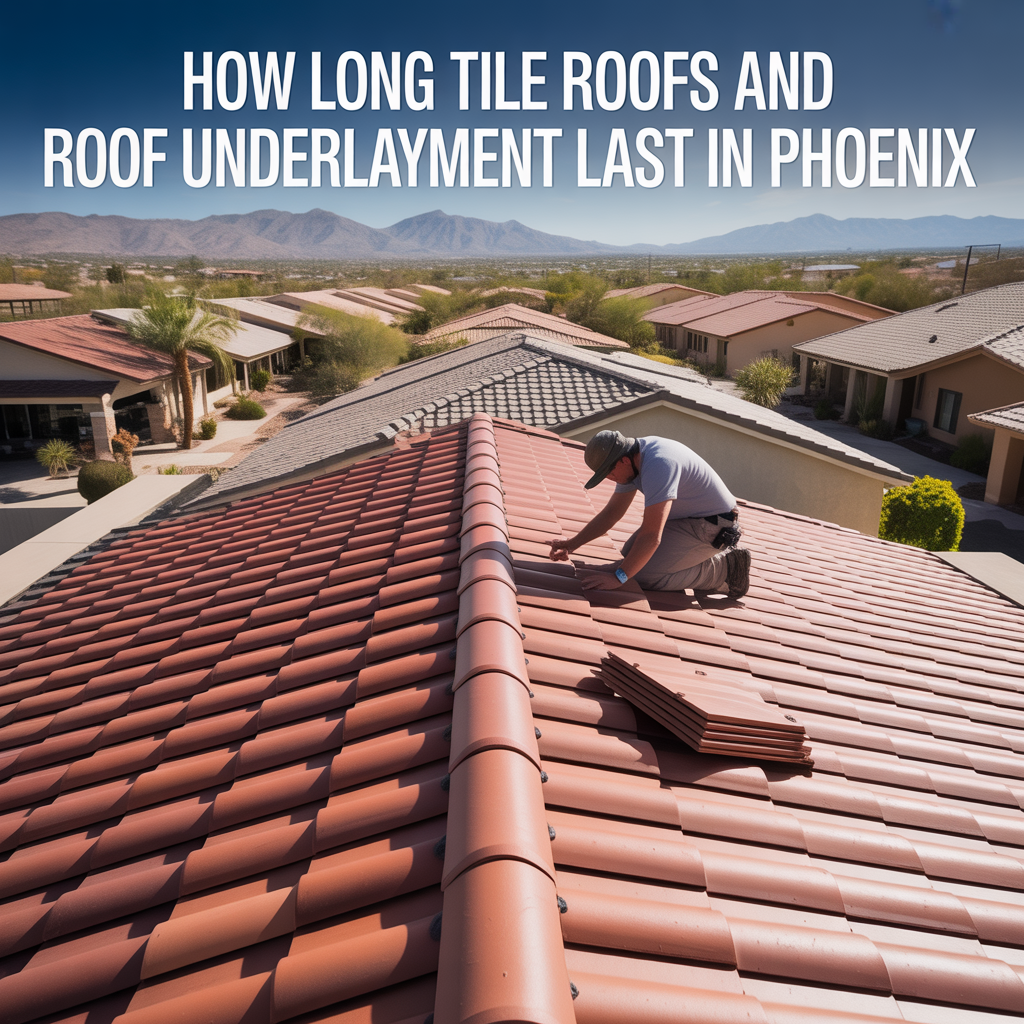
  • ALT TEXT Photorealistic Phoenix clay tile roof with lifted tiles exposing the underlayment during a roof inspection, illustrating how long tile roofs and roof underlayment last in Phoenix homes.

    How Long Tile Roofs and Roof Underlayment Last in Phoenix

  • ALT TEXT Photorealistic Phoenix home interior showing a smart thermostat being controlled from a smartphone, illustrating how smart thermostats improve cooling efficiency in Arizona homes.

    How Smart Thermostats Improve Cooling Efficiency in Arizona Homes

  • ALT TEXT Photorealistic Phoenix neighborhood during extreme summer heat with a temperature display showing 118°F and heat waves rising from rooftops, illustrating why AC systems struggle during Phoenix heat waves.

    Why AC Systems Struggle During Extreme Phoenix Heat Waves

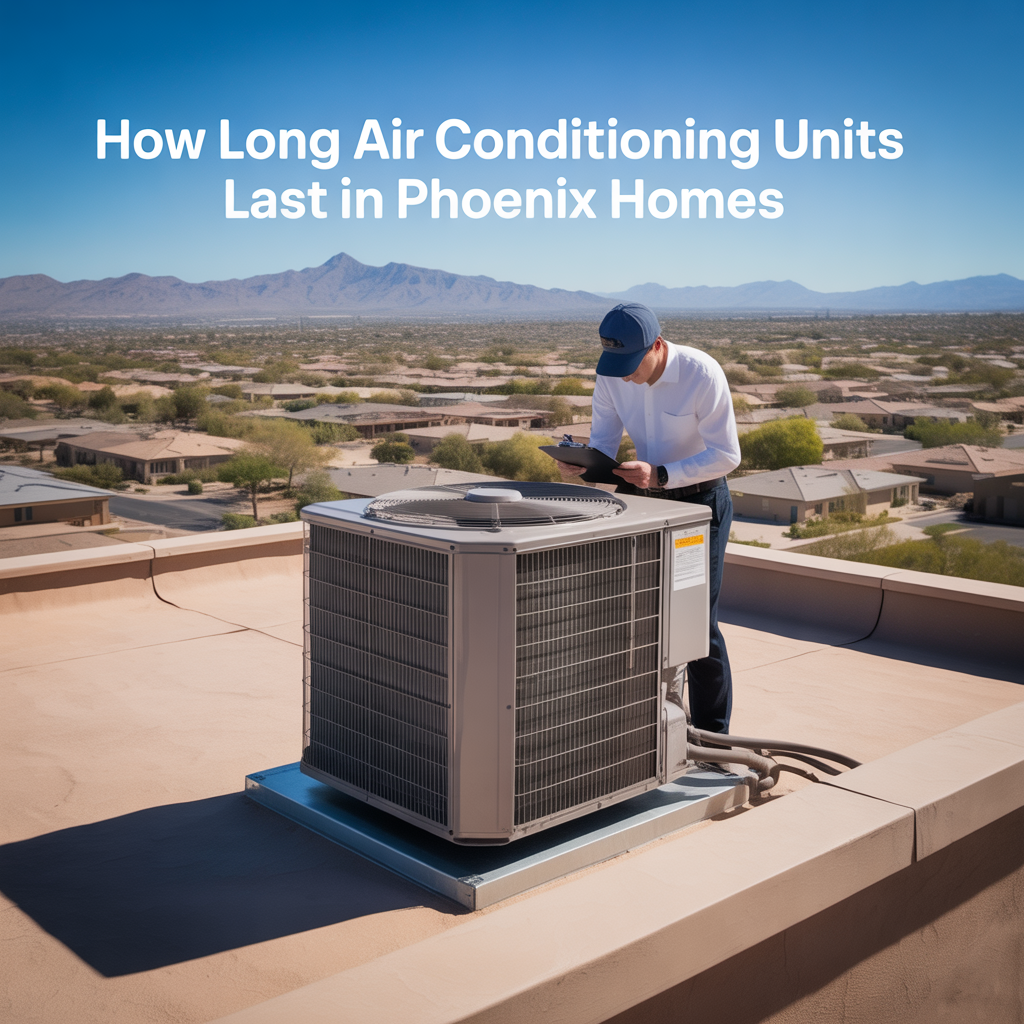
  • ALT TEXT Photorealistic rooftop HVAC unit being inspected on a Phoenix home under intense desert sunlight, illustrating the typical lifespan of air conditioning systems in Phoenix homes.

    How Long Air Conditioning Units Last in Phoenix Homes

  • ALT TEXT Photorealistic Phoenix homeowner inspecting an outdoor air conditioning condenser beside a stucco home under intense desert sun, representing warning signs an air conditioner may be about to fail.

    Warning Signs Your Air Conditioner Is About to Fail

  • ALT TEXT Photorealistic HVAC technician servicing an outdoor air conditioning condenser beside a Phoenix stucco home under bright desert sun, illustrating how often Phoenix AC systems need maintenance.

    How Often Phoenix AC Systems Need Maintenance

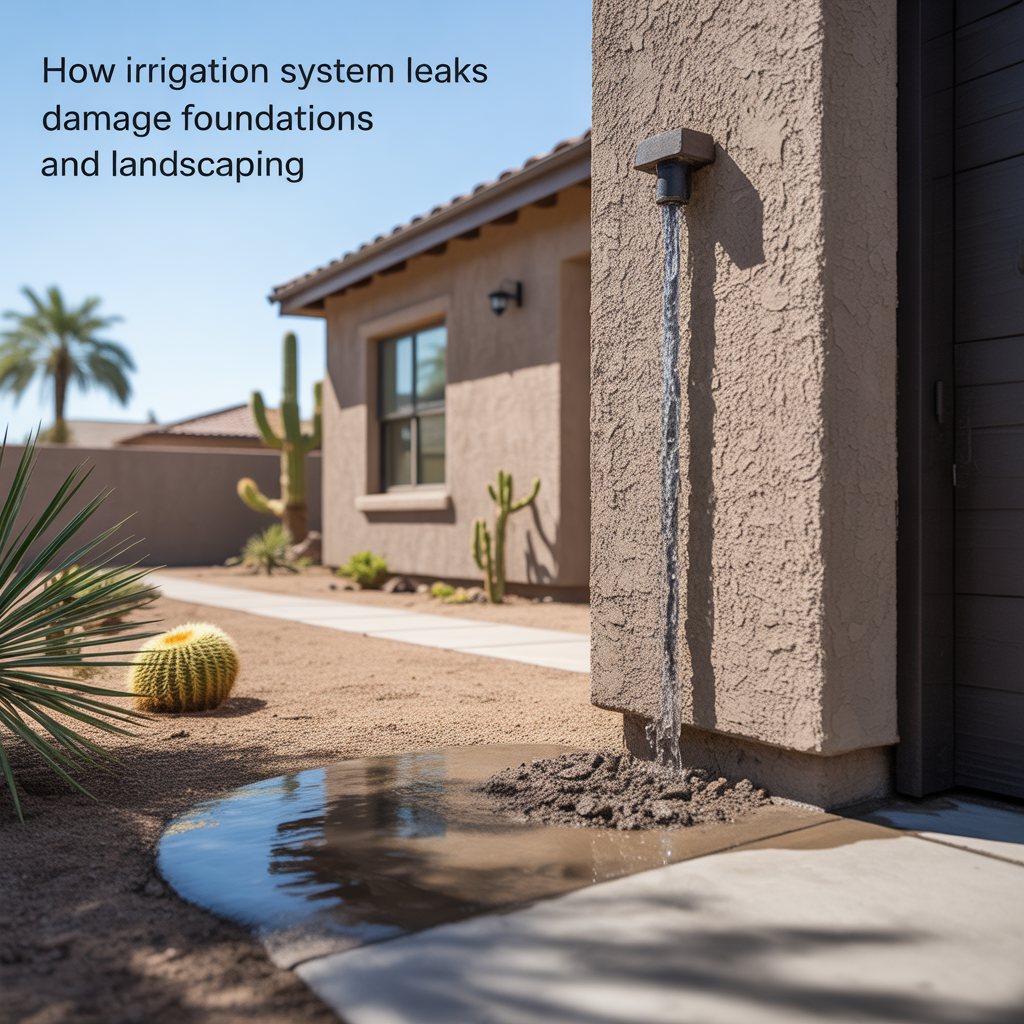
  • ALT TEXT Photorealistic Phoenix home with a leaking irrigation drip line soaking soil near the foundation and desert landscaping, illustrating how irrigation leaks can damage foundations and landscaping in Arizona homes.

    How Irrigation System Leaks Damage Foundations and Landscaping

  • ALT TEXT Photorealistic Phoenix homeowner inspecting a clay tile roof with monsoon storm clouds forming in the background, illustrating how homeowners can prevent roof damage before Arizona monsoon storms.

    Preventing Roof Damage Before Arizona Monsoon Storms

  • ALT TEXT Photorealistic HVAC technician servicing an outdoor air conditioning condenser beside a Phoenix stucco home in bright desert sunlight, illustrating why AC tune-ups are critical for Phoenix homes.

    Why AC Tune-Ups Are Critical for Phoenix Homes

  • ALT TEXT Photorealistic Phoenix homeowner inspecting an outdoor HVAC unit and roof tiles beside a stucco home in bright desert sunlight, representing preparing a home before Phoenix summer heat arrives.

    What Homeowners Should Inspect Before Phoenix Summer Heat Arrives

  • ALT TEXT Photorealistic Phoenix home with a homeowner inspecting an HVAC unit and roof under bright desert sunlight, representing a seasonal home maintenance checklist for Phoenix homeowners.

    Seasonal Home Maintenance Checklist for Phoenix Homeowners

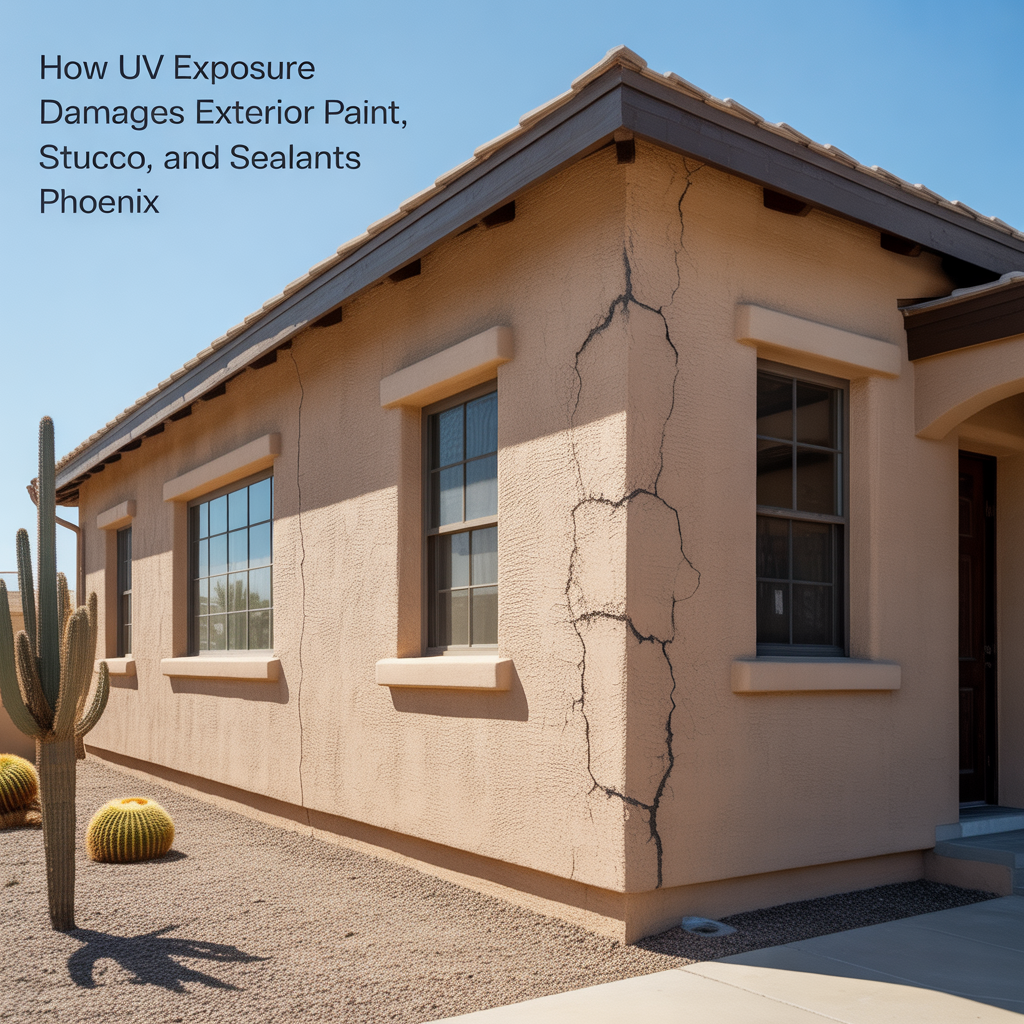
  • ALT TEXT Photorealistic Phoenix stucco home with faded paint and cracked sealant around windows under intense desert sunlight, illustrating how UV exposure damages exterior paint, stucco, and caulking in Arizona homes.

    How UV Exposure Damages Exterior Paint, Stucco, and Sealants

  • ALT TEXT Photorealistic Phoenix home with rooftop heat shimmer and air conditioning condenser running under intense desert sun, illustrating how extreme Arizona heat shortens the lifespan of home systems.

    How Extreme Heat Shortens the Lifespan of Home Systems

  • ALT TEXT Photorealistic Phoenix home with a clay tile roof under intense desert sun and heat shimmer, illustrating how extreme Arizona heat and UV exposure cause roofs to wear out faster than in other cities.

    Why Phoenix Roofs Wear Out Faster Than Many Other Cities

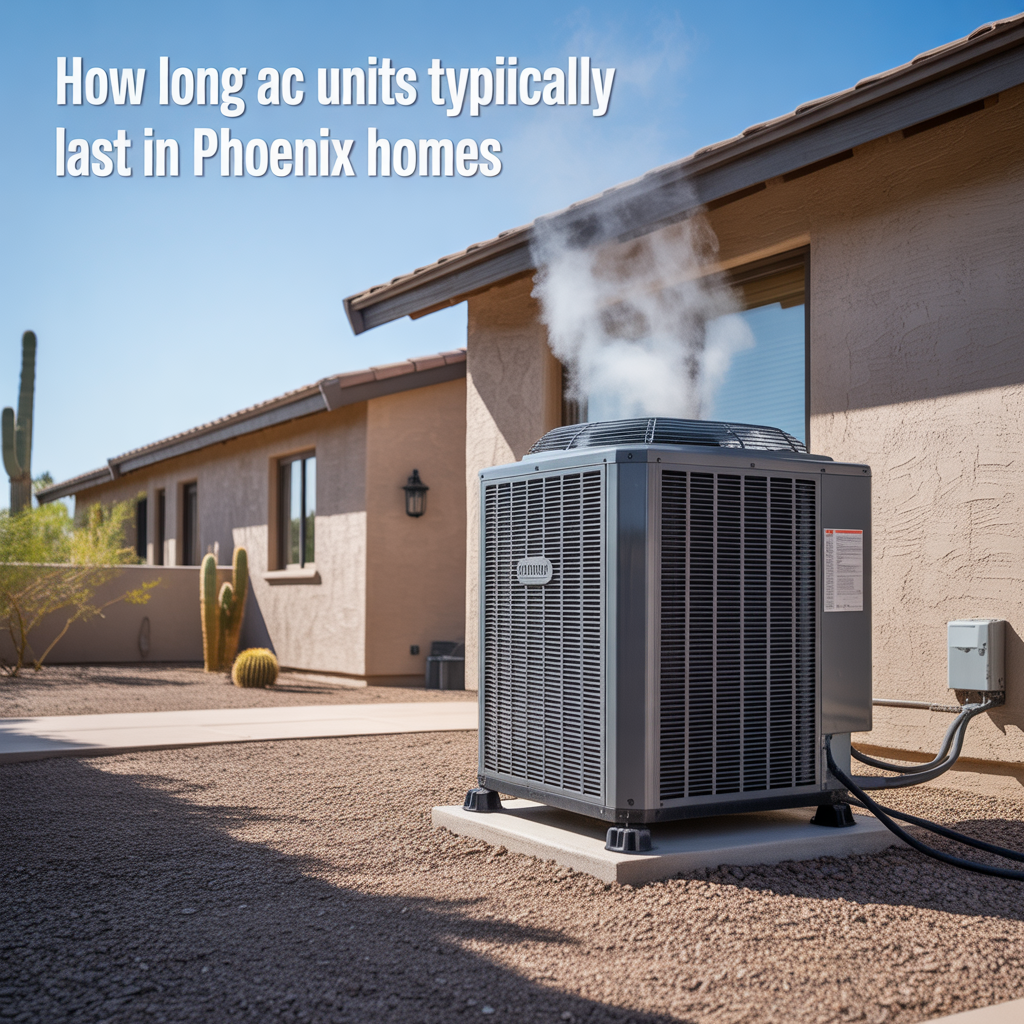
  • ALT TEXT Photorealistic image of a residential air conditioning condenser next to a stucco home in Phoenix with desert landscaping and bright sun, representing the lifespan of AC units in extreme Arizona heat.

    How Long AC Units Typically Last in Phoenix Homes

  • Alt Text: Photorealistic Phoenix Arizona homeowner standing in the driveway holding a clipboard while looking at a stucco home, representing a long-term strategy to protect and maintain the property.

    Building a Long-Term Protection Strategy

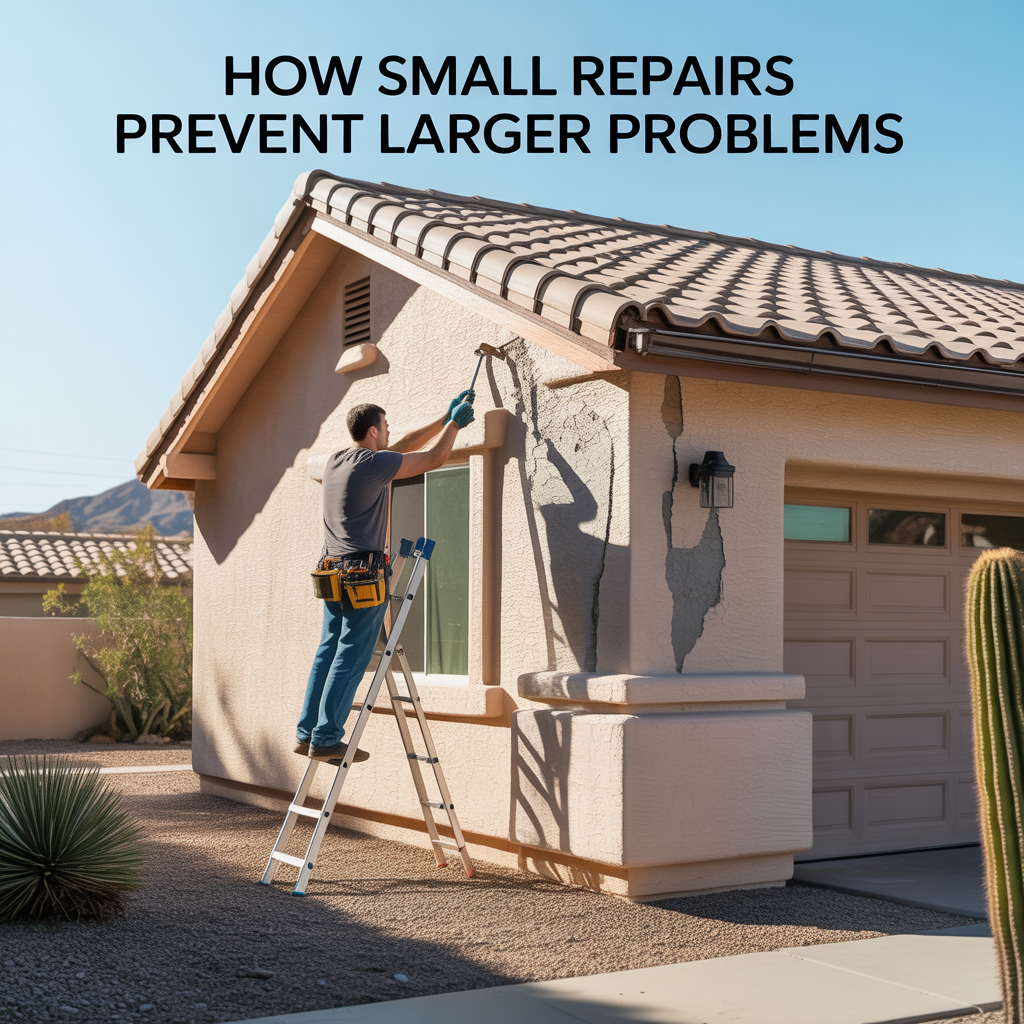
  • Alt Text: Photorealistic Phoenix Arizona homeowner repairing a small roof tile on a stucco home, illustrating how minor home maintenance prevents larger repair problems.

    How Small Repairs Prevent Larger Problems

  • Alt Text: Photorealistic older Phoenix Arizona stucco ranch-style home with mature desert landscaping and visible aging details representing maintenance and protection of older homes.

    Protecting Older Phoenix Homes

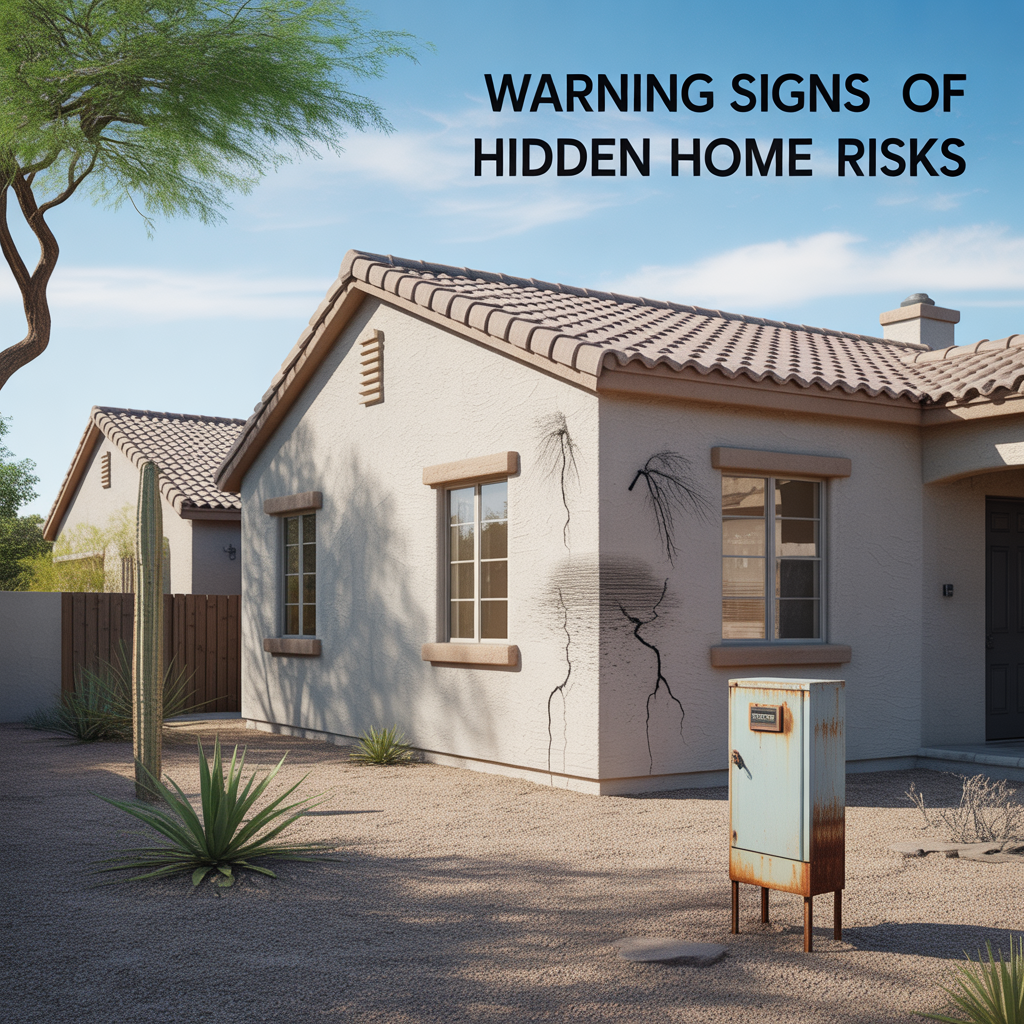
  • Alt Text: Photorealistic Phoenix Arizona stucco home with subtle warning signs like roof tile damage, small foundation crack, and water stains representing hidden risks homeowners may overlook.

    Warning Signs of Hidden Home Risks

  • Alt Text Phoenix homeowner inspecting roof tiles and clearing drainage areas around a desert landscaped home to perform preventative maintenance and reduce insurance claim risks.

    Preventative Maintenance That Reduces Insurance Claims

  • Alt Text Phoenix homeowner and insurance advisor inspecting pool fencing, walkways, and patio steps around a desert landscaped property to reduce liability risks.

    Reducing Liability Exposure Around Your Property

  • Alt Text Phoenix homeowner reviewing liability coverage limits with an insurance advisor using documents and a tablet inside a sunlit living room with desert landscaping outside.

    Liability Coverage Limits Explained

  • Alt Text Phoenix homeowner meeting with an insurance advisor in a bright home office reviewing umbrella insurance coverage documents and liability protection options.

    When Umbrella Insurance Makes Sense

  • Alt Text Phoenix backyard gathering where a homeowner reviews liability insurance paperwork with an advisor while guests socialize on a patio with a pool and desert landscaping.

    Protecting Yourself From Guest Injury Claims

More from Denver

Most recent posts
    Loading…

    Discover more from Lairio — Real Estate Intelligence

    Subscribe now to keep reading and get access to the full archive.

    Continue reading