



Mesa Lifestyle Guide → [Mesa Lifestyle Guide] & For more info on Mesa Real Estate → [Mesa Real Estate Guide]
Written by: Renee Burke
Lot size, zoning, and layout form the backbone of investment flexibility in Mesa, dictating everything from rental tweaks to major pivots like ADUs, subdivisions, or flips. Larger westside lots offer expansion dreams—casitas for multi-gen rents or RV parking boosting yields—while eastside compact parcels lock you into HOA rigidity, limiting cash flow plays. Zoning overlays (R1-6 to RU-43) and quirky 1970s layouts either unlock value or cap it, especially in our balanced market where 3–6% appreciation rewards adaptability over rigidity.
I’ve seen flexible properties turn modest buys into portfolios; rigid ones stall even in hot zones.
Lot Size: Space Equals Options
Mesa’s median 7,850 sq ft lots shine for flexibility—westside gems like Lehi (1+ acre) allow duplex zoning potential, horse setups, or workshops renting $500/month extra. Dobson Ranch 8K–10K parcels fit ADUs (Mesa permits 800 sq ft accessory units), adding 20–30% income without subdivision hassles. Contrast eastside Eastmark’s 4–6K tight lots: no room for additions, resale tied to uniform appeal.
Big lots flex across strategies—appreciation-first holds for subdivision (if RU-190 zoning aligns), cash-flow-first via garages or pools. Small ones? Predictable but capped, resale 5–10% slower if neighbors expand.
Zoning: The Rulebook for Reinvention
Mesa’s zoning (check Mesa2050 plan) unlocks or handcuffs: Single-family R1-7 (west/central) permits minor density bumps like casitas; eastside PD-M (planned) mandates CC&Rs blocking changes—no granny flats in Mountain Bridge. Flexible RU zones near Gateway allow commercial flips or multi-family rezoning, juicing returns 15–25% via 1031s.
Tradeoff from our investing chat: Appreciation zones (Las Sendas) often overlay historic or flood rules, stalling ADUs; cash-flow westside (85204) offers variances easier. Recent 60-acre SE rezonings signal growth—Mesa’s pro-development stance favors investors eyeing infill.
Layout: Flow Drives Tenant and Buyer Dollars
1970s west ranches with split plans flex into offices or rentals—open great rooms rent 10% higher to families. Choppy eastside townhomes echo for remote work, capping long-term leases. Flexible layouts (3/2 + den) refill vacancies under 30 days; rigid ones churn in 5% market vacancy.
Post-renovation: Island kitchens boost comps 15%, but over-improvement (per our chat) flops without zoning/lot match.
| Factor | Flexible Example (High Impact) | Rigid Example (Low Impact) | Investment Flex Score |
|---|---|---|---|
| Lot Size | Lehi 1+ acre (ADU, subdivide) | Eastmark 5K (no room) | High/Low |
| Zoning | RU-43 west (duplex potential) | PD-M east (HOA locked) | High/Low |
| Layout | Ranch w/ den (multi-use) | Townhome echo (family only) | High/Low |
Synergy and Real-World Plays
Combo winners: Lehi’s big lot + flexible zoning + open layout = 7% yields + 5% appreciation. Rigid eastside? Steady 3–4% holds. Maintenance flexes too—large lots spread pool/AC costs; small ones concentrate them. 2050 Plan pushes density, favoring flexible westside for flips to multi-family.
Risks: Flood zones near washes limit builds; historic overlays (downtown) freeze changes.
Maximizing Your Mesa Edge
Flexible combos turn $400K buys into $100K equity engines—prioritize before purchase.
If you’re thinking about making a move in Mesa, you don’t have to figure it out alone. Let’s audit lot/zoning/layout for your goals, unlocking flexibility that lasts. I’m here as your East Valley guide, ready to shape smart, adaptable investments.
Get the full Phoenix Market Insights → [Market Insights]


-
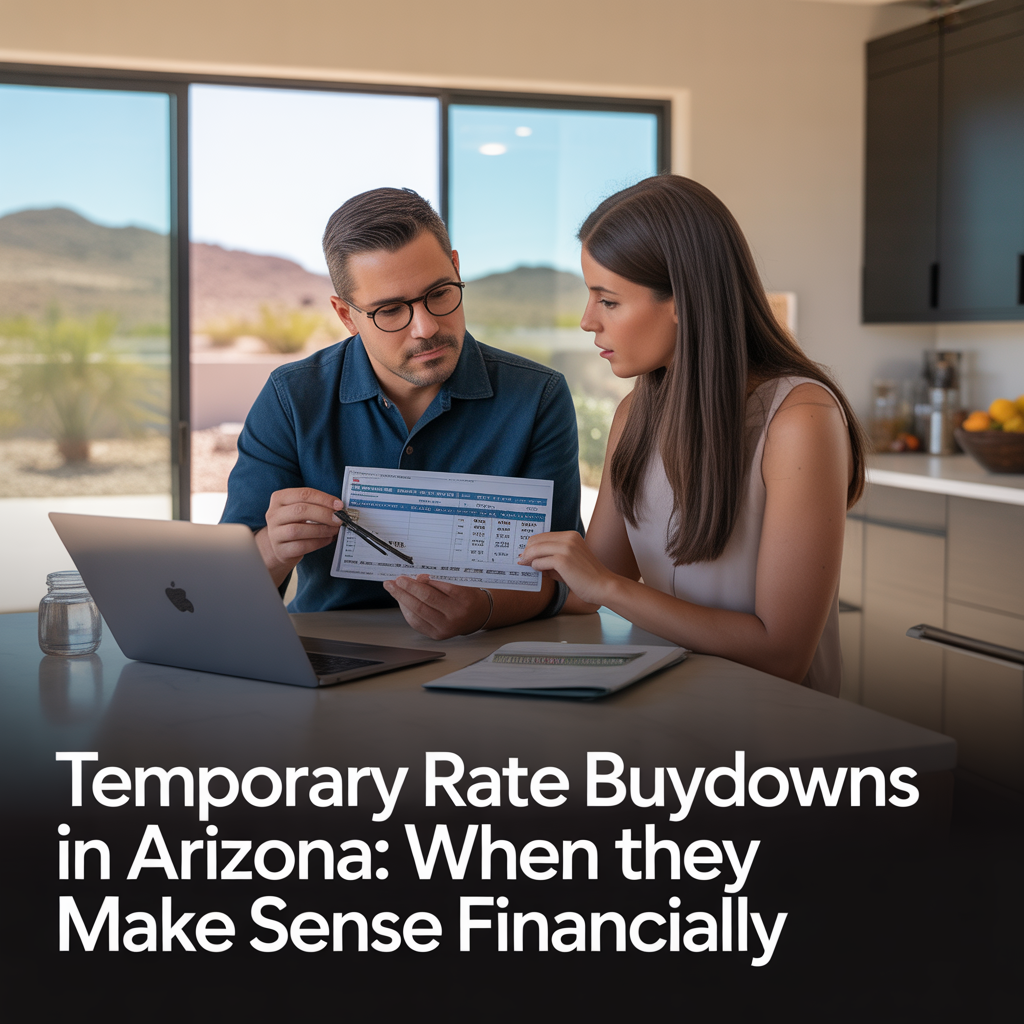
Temporary Rate Buydowns In Arizona: When They Make Sense Financially
-

Loan Types Commonly Used In Phoenix: FHA Loans Vs VA Loans Vs Conventional Loans Vs Jumbo Loans
-

How Lenders Evaluate Income For Self-Employed Buyers In Arizona
-

Closing Costs In Phoenix: A Realistic Breakdown For Buyers And Sellers
-

Debt-To-Income Ratios Explained For Arizona Mortgage Approval
-

How Interest Rates Impact Buying Power In The Phoenix Real Estate Market
-

Phoenix Mortgage Pre-Approval Vs Pre-Qualification: What Arizona Buyers Should Know
-

What If I’m Buying At The Wrong Financial Moment?
-

What If Property Taxes, Insurance, Or HOA Costs Shift My Budget?
-

What If The Buyer’s Mortgage Falls Apart Late?
-

What If Underwriting Delays My Loan Approval?
-

What If My Monthly Payment Is Higher Than Expected?
-

What If Interest Rates Change Before Closing?
-

Long-Term Thinking Over Short-Term Momentum to Create a Phoenix Real Estate Portfolio
-

Understanding Buyer Psychology And Lifestyle Demand in Phoenix
-

Structural Alignment With Phoenix Growth Patterns in Investment Markets
-
Why A Steady, Disciplined Approach Often Outperforms Aggressive Growth Strategies
-

Understanding HOA Dynamics And Community Expectations
-

Balancing Livability And Financial Metrics In Asset Selection
-

Evaluating Exit Strategy Before Purchasing A Phoenix Investment Property
-

Respecting Seasonal Market Rhythms Instead Of Chasing Speed
-
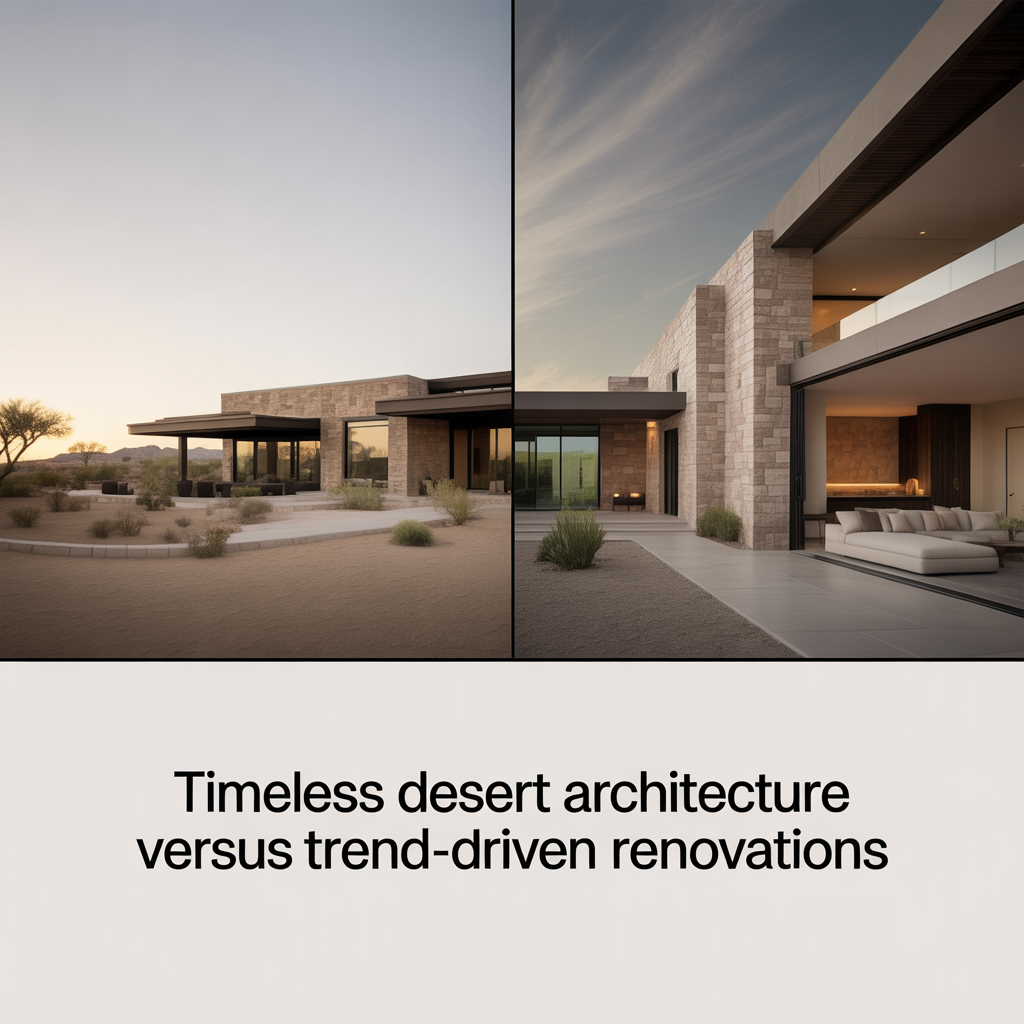
Timeless Desert Architecture Versus Trend-Driven Renovations
-

Why Lifestyle-Focused Communities Maintain Stronger Demand Over Time
-
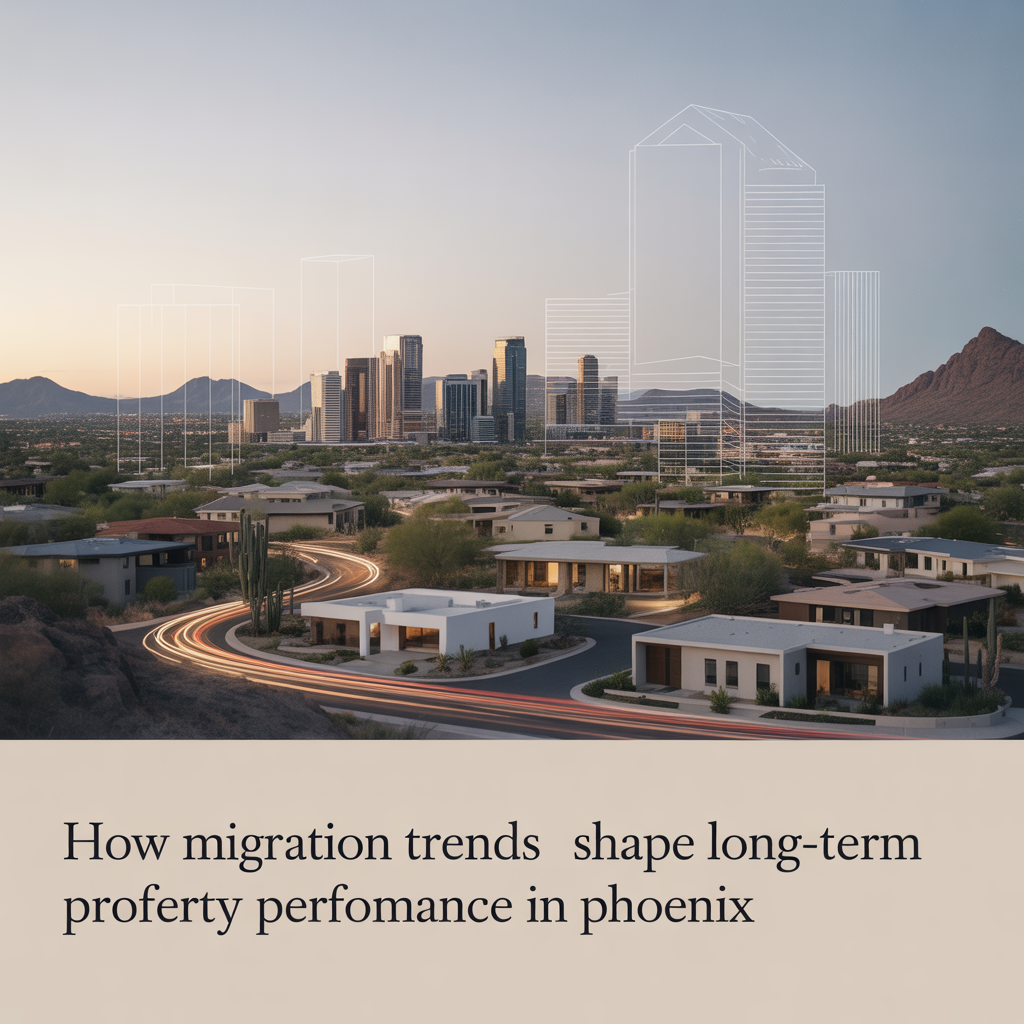
How Migration Trends Shape Long-Term Property Performance In Phoenix
-

Designing Homes For Daily Comfort During Extreme Summer Conditions