



Mesa Lifestyle Guide → [Mesa Lifestyle Guide] & For more info on Mesa Real Estate → [Mesa Real Estate Guide]
Written by: Renee Burke
Lot size, zoning, and layout form the backbone of investment flexibility in Mesa, dictating everything from rental tweaks to major pivots like ADUs, subdivisions, or flips. Larger westside lots offer expansion dreams—casitas for multi-gen rents or RV parking boosting yields—while eastside compact parcels lock you into HOA rigidity, limiting cash flow plays. Zoning overlays (R1-6 to RU-43) and quirky 1970s layouts either unlock value or cap it, especially in our balanced market where 3–6% appreciation rewards adaptability over rigidity.
I’ve seen flexible properties turn modest buys into portfolios; rigid ones stall even in hot zones.
Lot Size: Space Equals Options
Mesa’s median 7,850 sq ft lots shine for flexibility—westside gems like Lehi (1+ acre) allow duplex zoning potential, horse setups, or workshops renting $500/month extra. Dobson Ranch 8K–10K parcels fit ADUs (Mesa permits 800 sq ft accessory units), adding 20–30% income without subdivision hassles. Contrast eastside Eastmark’s 4–6K tight lots: no room for additions, resale tied to uniform appeal.
Big lots flex across strategies—appreciation-first holds for subdivision (if RU-190 zoning aligns), cash-flow-first via garages or pools. Small ones? Predictable but capped, resale 5–10% slower if neighbors expand.
Zoning: The Rulebook for Reinvention
Mesa’s zoning (check Mesa2050 plan) unlocks or handcuffs: Single-family R1-7 (west/central) permits minor density bumps like casitas; eastside PD-M (planned) mandates CC&Rs blocking changes—no granny flats in Mountain Bridge. Flexible RU zones near Gateway allow commercial flips or multi-family rezoning, juicing returns 15–25% via 1031s.
Tradeoff from our investing chat: Appreciation zones (Las Sendas) often overlay historic or flood rules, stalling ADUs; cash-flow westside (85204) offers variances easier. Recent 60-acre SE rezonings signal growth—Mesa’s pro-development stance favors investors eyeing infill.
Layout: Flow Drives Tenant and Buyer Dollars
1970s west ranches with split plans flex into offices or rentals—open great rooms rent 10% higher to families. Choppy eastside townhomes echo for remote work, capping long-term leases. Flexible layouts (3/2 + den) refill vacancies under 30 days; rigid ones churn in 5% market vacancy.
Post-renovation: Island kitchens boost comps 15%, but over-improvement (per our chat) flops without zoning/lot match.
| Factor | Flexible Example (High Impact) | Rigid Example (Low Impact) | Investment Flex Score |
|---|---|---|---|
| Lot Size | Lehi 1+ acre (ADU, subdivide) | Eastmark 5K (no room) | High/Low |
| Zoning | RU-43 west (duplex potential) | PD-M east (HOA locked) | High/Low |
| Layout | Ranch w/ den (multi-use) | Townhome echo (family only) | High/Low |
Synergy and Real-World Plays
Combo winners: Lehi’s big lot + flexible zoning + open layout = 7% yields + 5% appreciation. Rigid eastside? Steady 3–4% holds. Maintenance flexes too—large lots spread pool/AC costs; small ones concentrate them. 2050 Plan pushes density, favoring flexible westside for flips to multi-family.
Risks: Flood zones near washes limit builds; historic overlays (downtown) freeze changes.
Maximizing Your Mesa Edge
Flexible combos turn $400K buys into $100K equity engines—prioritize before purchase.
If you’re thinking about making a move in Mesa, you don’t have to figure it out alone. Let’s audit lot/zoning/layout for your goals, unlocking flexibility that lasts. I’m here as your East Valley guide, ready to shape smart, adaptable investments.
Get the full Phoenix Market Insights → [Market Insights]


-
Separating Lifestyle Spending From Homeownership Costs
-
How Usage Changes Monthly Ownership Costs
-

Planning Around Utility Cost Volatility
-
Why Variable Expenses Drive Most Budget Stress
-
Fixed Costs That Aren’t Actually Fixed
-
Budgeting for the House You’ll Own in Five Years
-

Why Ownership Cash Flow Feels Tighter Over Time
-
How Escrow Masks Long-Term Cost Growth
-
Why Your Mortgage Payment Isn’t Your True Housing Cost
-

Cross-Valley Trips: When They Feel Easy vs Heavy
-

Remote-Work Friendly Pockets in Glendale
-

School-Run Congestion Zones and Timing
-

Arterial Routing and “Daily Loop” Efficiency
-

State Farm Stadium and it’s Effect on Life and Property Value
-

Freeway Access as a Lifestyle Multiplier in Glendale
-

Event-Night Traffic Impacts and Avoidance Strategies
-
Weekday Commute Direction Tradeoffs From Glendale
-

Season Shifts in Outdoor Time in Glendale
-

Shade, Tree Cover, and Neighborhood Comfort
-

Dog and Kid Friendly Outdoor Routines
-

Trail Access That Feels Routine-Friendly
-

Sports Parks and Family Recreation Patterns
-
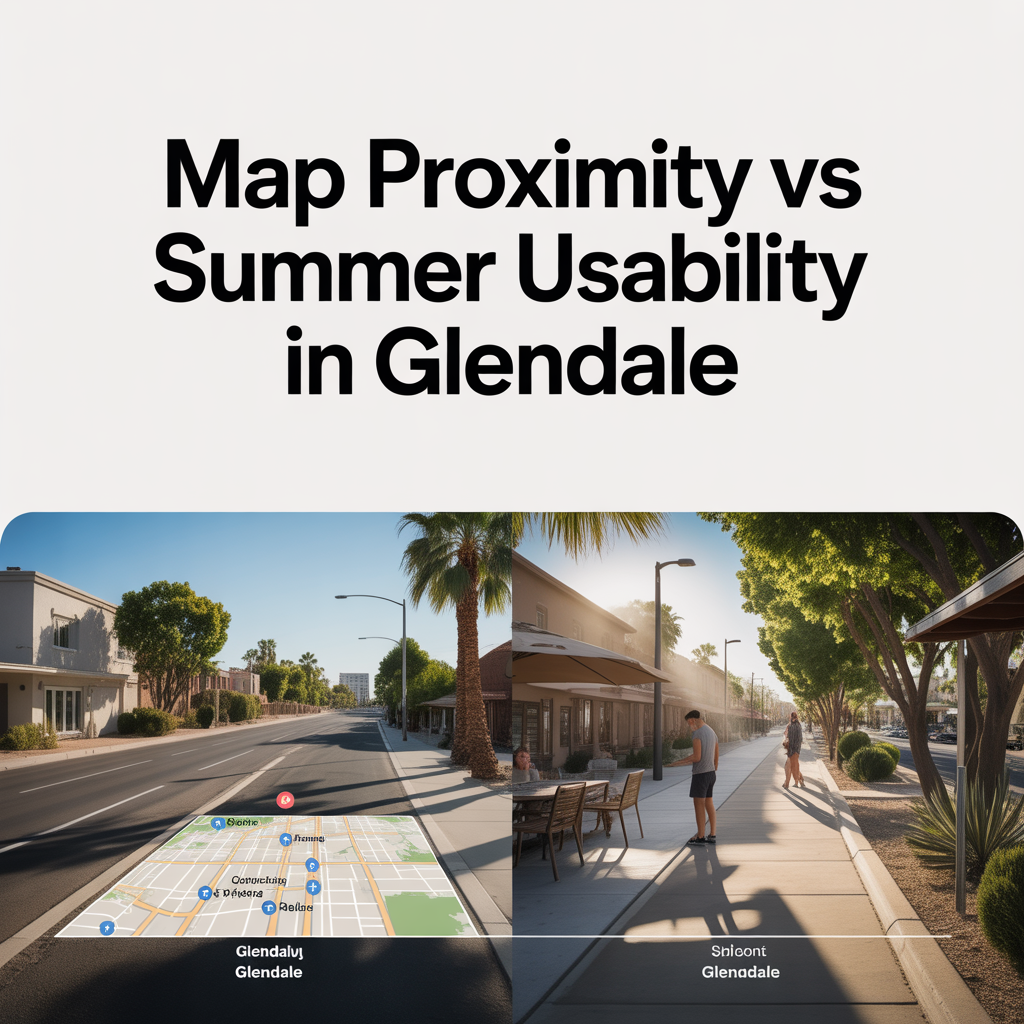
Map Proximity vs Summer Usability in Glendale
-

Daily-Use Parks vs Weekend Outdoor Trips
-

Top 10 “Date Night Out” Spots in Glendale