



Mesa Lifestyle Guide → [Mesa Lifestyle Guide] & For more info on Mesa Real Estate → [Mesa Real Estate Guide]
Written by: Renee Burke
I know this question sits heavy when you’re dreaming about settling into the East Valley. It’s not just numbers on a page—it’s about picturing your family around the kitchen island, or that backyard where mornings feel endless under the desert sun. As someone who’s guided so many through this very step right here in the Phoenix metro, let me walk you gently through how affordability really works in Mesa today. We’ll keep it real, practical, and tailored to what life costs here, so you can step forward with quiet confidence.
Mesa’s steady market—those mid-$460,000s median prices we’ve talked about—means opportunity if your finances align. But affordability isn’t one-size-fits-all. It hinges on your income, debts, down payment, and how much buffer you want for life’s little extras, like date nights on Main Street or trail fees at Usery. I always say: aim for a home payment that lets you thrive, not just survive. Let’s break it down step by step, using Mesa-specific realities from early 2026.
The Foundation: Your Income and Debt-to-Income Ratio
Lenders look at your debt-to-income (DTI) ratio first—how much of your gross monthly income goes to debts, including a potential mortgage. Here in Maricopa County, conservative wisdom keeps total DTI under 36%, with front-end DTI (just housing) around 28%. For a single income of $100,000 a year—that’s $8,333 a month gross—you could comfortably support about $2,333 in housing costs. Dual incomes at $150,000 combined open up closer to $3,500 monthly. Mesa’s median household income sits around $65,000 to $70,000, but the buyers I work with often earn more—$90,000 or above—thanks to steady jobs at Banner Health, Boeing, or ASU Polytechnic. Don’t forget to subtract existing debts like car payments or student loans first; that shows your true housing room.
Building Your Monthly Payment Breakdown
A full house payment in Mesa includes principal, interest, taxes, insurance (PITI), and often HOA or PMI. With mortgage rates around 6.5% and Maricopa’s property tax rate at a light 0.51%, let’s look at a realistic snapshot for that $465,000 median home. Principal and interest on a 20% down payment ($372,000 loan over 30 years) runs about $2,350 a month. Add property taxes at roughly $197 monthly, homeowners insurance around $150 for desert-specific coverage like monsoons and heat damage, and PMI if you put less than 20% down—another $100 to $150 until you build equity. In East Mesa neighborhoods with community pools or landscaping, HOA might add $50 to $150. All told, you’re looking at $2,850 to $3,200 a month. That’s manageable on $120,000 or more annually, leaving space for Mesa’s summer AC bills that can hit $250 to $350 at their peak, plus everyday groceries and gas for the 60 or Loop 202.
Real-Life Affordability Scenarios for Mesa Buyers
To make this feel more personal, think about the families and professionals I’ve helped close deals with recently, adjusted for today’s numbers. On an $80,000 household income—about $6,667 a month gross—your max housing at 28% DTI is $1,867, which supports a $300,000 to $330,000 home. That lands you comfortably in West Mesa condos or townhomes, or a sweet starter in Dobson Ranch with a small yard and proximity to the light rail. Step up to $120,000 annually ($10,000 monthly), and $2,800 in housing opens $440,000 to $470,000—perfect for a central Mesa ranch with three bedrooms or an Eastmark townhome near great schools and parks. At $160,000 combined ($13,333 a month), you’re in the $580,000 to $620,000 range, where Northeast Mesa luxury homes or single-families in Las Sendas come into view with golf course access and those stunning Superstition mountain backdrops. For $200,000 or higher earners, $720,000 and beyond unlocks gated communities or Red Rock view properties that feel like a forever retreat. These ranges deliver real value here: a $450,000 home often means 2,000 to 2,500 square feet, three or four bedrooms, a garage, and a low-maintenance desert yard—space you simply can’t match at the same price just a few miles west in Gilbert.
Mesa-Specific Costs That Shape Your Budget
Beyond the mortgage, Mesa life adds thoughtful layers to your budget. Utilities are a big one—electricity surges from June through September as air conditioning becomes your lifeline, averaging $200 a month yearly but climbing to $250 or $400 for a 2,000-square-foot home during peak heat. Maintenance in our desert climate means budgeting $2,000 to $5,000 every decade or so for roofs and AC replacements, though newer East Mesa builds with modern efficiencies keep that lower. Transportation adds up too: gas for commutes along the Superstition Freeway or Loop 202, or a light rail pass at about $64 a month if you’re near the line—figure $200 to $300 overall. Then there are the joyful extras, like farmers markets or stops along the Fresh Foodie Trail, which might run $100 to $200 monthly without feeling indulgent. The good news? Arizona’s flat 2.5% income tax, no tax on Social Security, and homestead exemptions up to $4,000 off your assessed value all stretch your dollars further than you’d find in coastal markets.
Smart Strategies to Stretch Your Buying Power
Over the years, I’ve seen simple moves unlock dream homes for so many clients. Arizona@Home programs offer up to 5% down payment grants for first-timers, with income limits around $140,000 for households. Seller-paid rate buydowns can shave half a percent off your interest rate, saving $150 a month right away. Shopping local Mesa lenders often trims closing costs by $5,000 to $10,000 compared to big banks. Focusing on single-story ranches—so abundant here—avoids stairs and can lower insurance premiums. And always build in a 10 to 20% equity buffer: if calculators say $500,000 max, target $450,000. That cushion handles surprises like a pre-summer HVAC tune-up, and positions you to refinance if rates dip to 5.5% later this year.
Common Pitfalls I Help Clients Avoid
It’s tempting to overreach for those Eastmark pools or mountain views, but I always guide folks to watch a few key traps. Summer utility realities can blindside—test a home’s efficiency on tours by checking insulation and pool covers. Older West Mesa properties charm with price but may hide plumbing or roof refreshes; a thorough inspection is non-negotiable. Lifestyle creep sneaks in too—don’t let visions of weekend getaways erase your maintenance fund. And timing matters: inventory swells as snowbirds list post-winter, but family homes move quickest in cooler months. Run every scenario conservatively, and you’ll buy with peace, not pressure.
My Gentle Advice from Years in the East Valley
Start by running your own numbers with a trusted calculator, then layer in a pre-approval from a local lender—it sharpens your focus and strengthens offers. Drive Mesa’s neighborhoods at different times: sunrise in Eastmark, evenings in Dobson Ranch. Feel how the light shifts, how traffic flows. Above all, remember affordability is as much heart as math—a home should lift your days, not weigh them down. I’ve walked this path with families who started stretched and ended thriving, and it never fails to remind me why I love this work.
If you’re thinking about making a move in the Phoenix area, you don’t have to figure it out alone. I’m here with the local insight, the patient ear, and the experience to help you find exactly the right fit—whether it’s Mesa or somewhere nearby. Reach out when you’re ready; let’s chat about your story and make your next chapter feel just right.
Get the full Phoenix Market Insights → [Market Insights]


-

Signs Your Phoenix Roof Needs Inspection or Repair
-
How Long Tile Roofs and Roof Underlayment Last in Phoenix
-

How Smart Thermostats Improve Cooling Efficiency in Arizona Homes
-

Why AC Systems Struggle During Extreme Phoenix Heat Waves
-
How Long Air Conditioning Units Last in Phoenix Homes
-

Warning Signs Your Air Conditioner Is About to Fail
-

How Often Phoenix AC Systems Need Maintenance
-
How Irrigation System Leaks Damage Foundations and Landscaping
-

Preventing Roof Damage Before Arizona Monsoon Storms
-

Why AC Tune-Ups Are Critical for Phoenix Homes
-

What Homeowners Should Inspect Before Phoenix Summer Heat Arrives
-
Seasonal Home Maintenance Checklist for Phoenix Homeowners
-
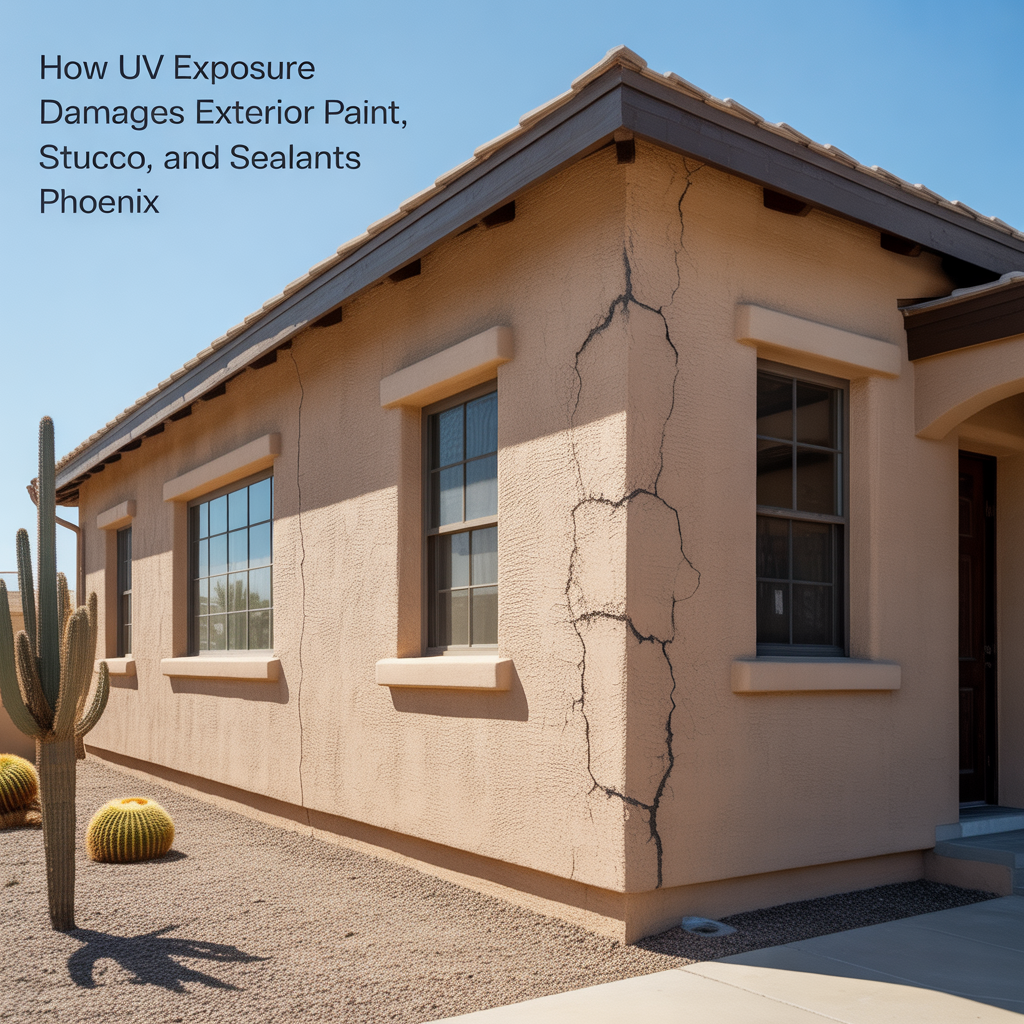
How UV Exposure Damages Exterior Paint, Stucco, and Sealants
-

How Extreme Heat Shortens the Lifespan of Home Systems
-

Why Phoenix Roofs Wear Out Faster Than Many Other Cities
-
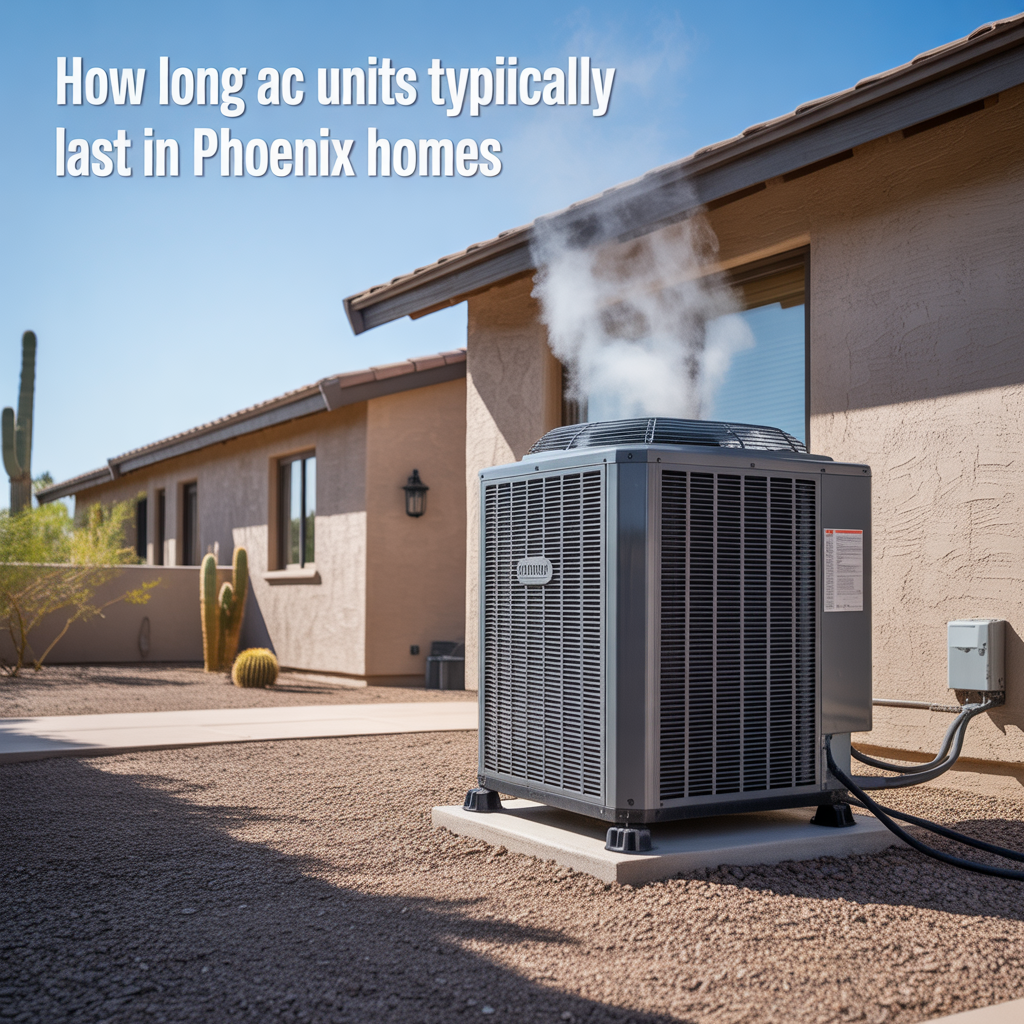
How Long AC Units Typically Last in Phoenix Homes
-

Building a Long-Term Protection Strategy
-

How Small Repairs Prevent Larger Problems
-

Protecting Older Phoenix Homes
-

Warning Signs of Hidden Home Risks
-

Preventative Maintenance That Reduces Insurance Claims
-

Reducing Liability Exposure Around Your Property
-

Liability Coverage Limits Explained
-

When Umbrella Insurance Makes Sense
-

Protecting Yourself From Guest Injury Claims