



Mesa Lifestyle Guide → [Mesa Lifestyle Guide] & For more info on Mesa Real Estate → [Mesa Real Estate Guide]
Written by: Renee Burke
Pricing your Mesa home correctly is one of the most important decisions you’ll make when you sell—and it’s where a lot of good people unintentionally leave money on the table or sit on the market too long. In our current East Valley market, the right price isn’t just a number; it’s a strategy that reflects real data, neighborhood nuance, and how buyers are actually behaving right now.
You and I can walk through this gently and thoughtfully, so you feel clear and in control instead of guessing.
Start With What Mesa’s Market Is Really Doing
Mesa today is not the frenzied market we saw a few years ago, but it’s also not weak. It’s more sensitive and more honest: buyers respond quickly to well-priced homes and quietly pass over the ones that miss the mark.
- The median sale price in Mesa has been hovering in the mid‑$400s to high‑$400s, with recent data showing around $425,000–$473,000, depending on the month and segment.
- In late 2025, one East Valley report showed a median sales price of $499,000 in Mesa, but with homes taking longer—about 79 days on market and an average sale‑to‑list price around 98%.
- Another snapshot shows 57–62 days on market on average and a slight softening in price per square foot, which tells us buyers are choosy and looking for value.
In plain language: Mesa is a price‑sensitive market right now. A thoughtful, data‑driven price will invite offers. An emotional or “wishful thinking” price will cost you time and negotiating power.
Understand the “Real” Price Range for Your Home
Every Mesa home lives inside a price band, not a single magic number. To find that band, we look at several layers.
- Median and typical values: Overall, typical home values in Mesa sit around $427,000–$430,000, with variations by zip code; for example, 85213 averages closer to $545,000.
- Neighborhood micro‑markets: A home in Eastmark, Las Sendas, or near the Riverview area may justify a higher per‑square‑foot price than an older tract farther east, even at the same size.
- Price‑per‑square‑foot trends: Mesa’s median sold price per square foot sits in the mid‑$250s, recently around $254–$258, and has slipped a bit year over year.
From there, we narrow your band using three main tools:
- True comparable sales (not just Zestimates).
We focus on recent closed sales within about a half‑mile, similar square footage, age, and condition. If most homes like yours are closing between, say, $440,000 and $460,000, that’s your honest range. - Active and pending competition.
If the active listings in your price bracket are sitting 60+ days and showing price reductions, it’s a sign that buyers think they’re high. Pending listings (under contract) show where buyers are actually saying “yes” right now. - Condition and features.
Updated kitchen, modern HVAC, pool, or a beautifully done backyard in Mesa can lift you toward the top of that range. Original finishes or deferred maintenance will pull you toward the lower end.
The goal is to know, with calm certainty, “Here is where my home fits in today’s market,” not where last year’s headlines or neighbors’ stories say it should.
Use List‑to‑Sale Ratios to Your Advantage
A quiet but powerful statistic is the sale‑to‑list price ratio—how close sellers actually get to their asking price.
- Mesa’s recent numbers show homes selling for about 98–99% of list price on average.
- Around 58% of sales are closing under list price, while only about 15–16% sell over list, which confirms that aggressive overpricing rarely pays off right now.
What that means for you:
- If you price correctly, you can reasonably expect to land within 1–3% of your asking price.
- If you price too high “to leave room to negotiate,” you risk losing the strongest buyers in your first 2–3 weeks on market and ending up with a lower final sale price after reductions.
A healthy strategy in today’s Mesa market is to price right at the heart of your true value band—not at the very top—and let buyers compete over a home that feels fairly priced and well presented.
Balance Online Estimates With Local Reality
Most sellers peek at online estimates first, and that’s completely normal. Just remember what those tools are—and what they’re not.
- Zillow’s data shows typical Mesa home values around $427,000, with a slight year‑over‑year decline of about 3%, and homes going pending in roughly 33–37 days in some metrics.
- These numbers are useful for a broad picture, but they can’t see your upgraded tile, your mountain peek‑a‑boo views, or your worn‑out roof.
Think of online values as a “temperature check,” not a final diagnosis. We layer in:
- Your home’s upgrades and age of big systems (roof, AC, water heater).
- Floor plan appeal—open concept, split bedrooms, single‑level vs. two‑story.
- Micro‑location bonuses: cul‑de‑sac, corner lot, proximity to freeways or parks.
That’s where a human, local eye makes all the difference.
Pricing Strategies That Work in Mesa Right Now
Once we understand your numbers, we choose a pricing approach that matches both the market and your goals.
1. Market‑Value Pricing (the safest route)
List your home right in line with the best recent comps—often the strategy that yields the strongest pool of buyers and the least stress. In a somewhat balanced Mesa market, this usually means:
- Fewer lowball offers, because buyers see the logic in your price.
- Good traffic in the first two weeks, which is when your strongest buyers tend to appear.
2. Slightly Below Market (to spark urgency)
If you want to move quickly or your area has a lot of similar inventory, pricing just a touch under market—often 1–3%—can create a sense of value and invite multiple offers. This works well when:
- Your home presents beautifully and is move‑in ready.
- Nearby listings seem a little “stale” or overpriced, so you immediately stand out.
3. Aspirational Pricing (use with caution)
Listing significantly above what the data supports is almost never your friend in today’s Mesa. With buyers watching days‑on‑market and price reductions closely, aspirational pricing tends to lead to:
- Longer market times—57+ days or more.
- One or more public price drops, which can invite bargain‑hunters and push your final price below where you could have started.
If you’re tempted to try this, it’s important we agree on a very clear, early timeline for adjustments.
Watch Your First 2–3 Weeks Carefully
In Mesa’s current environment, the market gives you feedback quickly.
You and I would pay close attention to:
- Showings and online views: A solidly priced home should see steady showings in the first 10–14 days. If traffic is weak compared to similar listings, price may be the issue.
- Agent comments: Feedback about being “a bit high for condition” or “buyers choosing newer homes at the same price” is valuable, not personal.
- Offers—or lack of them: If you’re getting no offers or only very low ones while similar homes are going under contract, the market is telling us something.
A modest, early adjustment is usually much more effective—and emotionally easier—than waiting 60 days and making a larger, reactive cut.
You Don’t Have to Guess Your Price
Pricing a Mesa home correctly is part math, part intuition, and part understanding how our community really lives—how families move around school calendars, how retirees prioritize low‑maintenance living, and how buyers balance budget with the lifestyle they want in the East Valley.
You don’t need to carry all of that on your own shoulders. That’s what I’m here for.
If you’re thinking about selling—this season or even later in the year—I’m happy to sit down with you, walk through your home, and build a clear, honest pricing picture together. No pressure, no scripts. Just real numbers, local context, and a plan that feels right for you and your family.
If you’re thinking about making a move in Mesa—or anywhere in the Phoenix area—you don’t have to figure it out alone. I’m here when you’re ready to start that conversation.
Get the full Phoenix Market Insights → [Market Insights]


-

Pool Liability and Insurance in Phoenix
-

Protecting Outdoor Structures and Shade Systems
-

HVAC Failures and Insurance Coverage
-

Roof Maintenance for Phoenix Climate Conditions
-

Preventing Water Damage in Desert Landscapes
-

How Monsoon Storms Affect Phoenix Homes
-

Why Policy Structure Matters More Than Premium
-

Understanding Coverage Limits and Exclusions
-

What Personal Property Coverage Actually Includes
-

How Liability Coverage Protects Homeowners
-

Replacement Cost vs Market Value in Phoenix Insurance
-

Understanding Deductibles Before You Need Them
-

How Renovations Affect Insurance Coverage
-

When to Review Your Home Insurance Policy
-

Why Replacement Cost Matters in Phoenix Insurance Policies
-

When a House Truly Starts to Feel Like Home
-

How Phoenix Neighborhood Living Builds a Sense of Belonging
-

Why Stability Plays a Major Role in Long-Term Home Satisfaction
-

How Familiarity Changes the Experience of Living in a Home
-

Renovate or Move? Deciding What to Do When Your Phoenix Home No Longer Fits
-

How Lifestyle Changes Affect Space Needs in Phoenix Homes
-
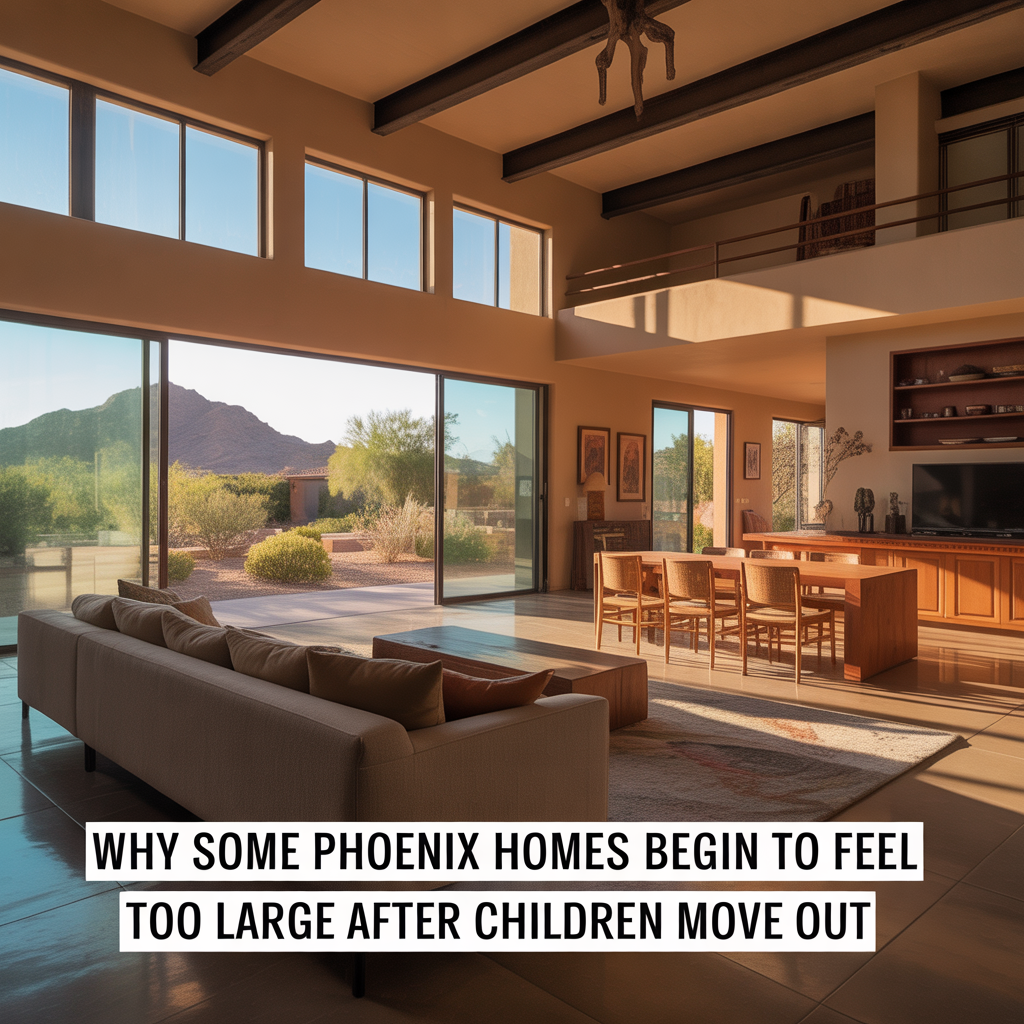
Why Some Phoenix Homes Begin to Feel Too Large After Children Move Out
-
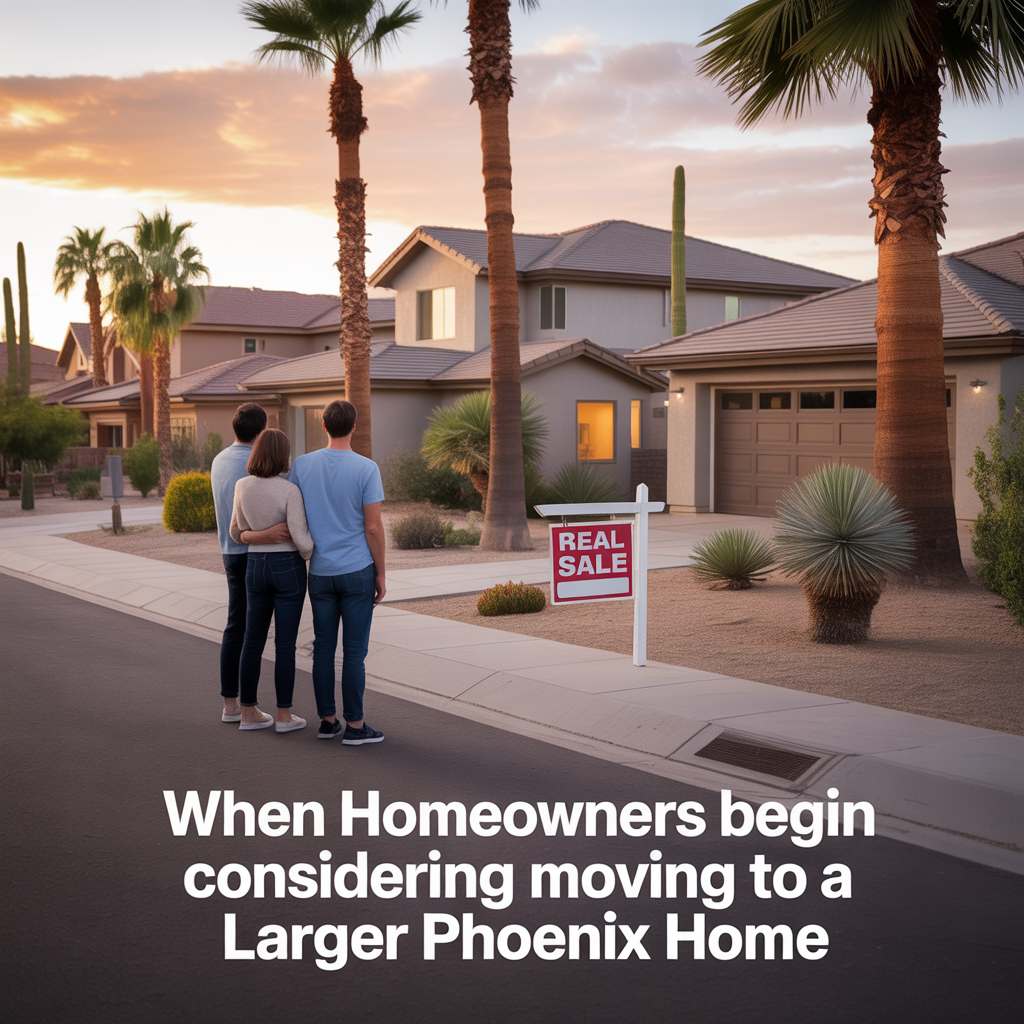
When Homeowners Begin Considering Moving to a Larger Phoenix Home
-

Signs Your Phoenix Home Is Starting to Feel Too Small for Your Family
-

How Desert Landscaping Evolves Over Years of Phoenix Homeownership