



Mesa Lifestyle Guide → [Mesa Lifestyle Guide] & For more info on Mesa Real Estate → [Mesa Real Estate Guide]
Written by: Renee Burke
Mesa has this quiet strength that makes it stand out in the Phoenix metro, especially when you’re thinking about where to place your money for the next 10, 20, or even 30 years. It’s not flashy like Scottsdale or booming like Queen Creek, but that’s exactly why savvy investors—and families planning to stay put—keep circling back to it. With steady job growth, population influx, and a lifestyle that draws people from across the country, Mesa real estate checks the boxes for long-term reliability without the wild swings.
Let me share why I believe it’s one of the smartest bets in the East Valley right now, based on patterns I’ve watched unfold over decades.
Steady Appreciation and Market Resilience
Mesa’s home values have climbed consistently, even through ups and downs. Median prices sit around $450,000–$480,000 as of late 2025, with forecasts pointing to stable 3–6% annual growth through 2026 and beyond. This isn’t speculative hype; it’s driven by fundamentals like the Phoenix-Mesa-Chandler metro’s expansion into tech, logistics, and healthcare—think Banner Health hubs and the airport’s growth spurring jobs.
Older neighborhoods like Dobson Ranch or west Mesa offer entry points where you can buy below median, renovate, and capture equity as revitalization pushes values up. Newer areas like Eastmark or The Groves hold premium pricing but deliver predictable appreciation thanks to master-planned appeal and top schools. Unlike coastal markets prone to bubbles, Mesa’s growth feels measured—about 3–5% statewide projection for Arizona, with suburban spots like ours often edging higher.
What reassures me most: inventory is balancing out at 3–3.2 months’ supply, homes linger 40–60 days on market (faster than national averages), and demand from in-migrants keeps pressure steady. No crash risks here—just sustainable climbs that build wealth quietly.
Rental Demand Fuels Cash Flow
For investors, Mesa shines as a rental powerhouse. With low unemployment (around 3–4% in Maricopa County) and folks flocking for our 300 sunny days, vacancy rates hover under 5%. Yields average 4–6% in places like Lehi or Red Mountain Ranch, where larger lots attract families willing to pay $2,500–$4,000 monthly.
Eastside growth near the Gateway corridor means short-term rentals thrive too—think airport workers or spring training visitors boosting Airbnbs in Mulberry. Long-term, Arizona’s population boom (projected 1–2% yearly) ensures tenants stick around, covering mortgages while you stack equity. It’s low-risk cash flow that feels secure, especially with property taxes at just 0.49% effective rate keeping ownership costs tame.
Lifestyle and Infrastructure Edge
Investing isn’t just numbers; it’s about what pulls people to stay. Mesa bridges urban perks (light rail to Tempe, downtown arts revival) with suburban ease (Usery trails, Superstition Springs shopping). New freeway expansions, like Loop 202 improvements, shave commute times to Phoenix, while parks and events foster community stickiness—reducing turnover.
Underrated spots like Desert Uplands offer luxury views at mid-range prices, poised for spillover from pricier neighbors. As Phoenix metro grows (already top-10 U.S.), Mesa’s central East Valley spot positions it for spillover demand without the overbuild frenzy. Schools in zip 85212 or The Groves districts draw families, locking in multigenerational value.
Risks and How to Navigate Them
No market’s perfect, and I’d be remiss not to address worries head-on. Higher mortgage rates (holding 6–7% into 2026) cool flips but favor holders—the patient win here. New construction in southeast Mesa could pressure older inventory short-term, but limited land and mature infrastructure protect classics like central Mesa.
HOA fees in newer builds ($100–300/month) add up, so I steer folks toward no-HOA gems like Lehi for flexibility. Wildfires or summer heat? Minimal in most spots, with insurance stable at $1,200–$2,000/year. Biggest pitfall: overleveraging on hype zones—stick to value plays like Dobson Ranch for resilience.
Mitigate with diversification: mix rentals in growing eastside with flips in revitalizing west. Arizona’s tax caps (1% annual hikes max) and senior exemptions sweeten long holds.
Neighborhood Investment Sweet Spots
Here’s where long-term shines brightest, blending our prior chats:
These picks balance risk—older for income, newer for appreciation—across Mesa’s evolution.
The Big Picture for Your Future
Mesa real estate rewards patience: equity from appreciation, income from rentals, and tax efficiency create a portfolio that grows with you. It’s not get-rich-quick; it’s build-wealth-slowly, backed by jobs, sun, and space that keep drawing newcomers. In a balanced 2025–2026 market (stable prices, healthy inventory), now’s prime for positioning ahead.
If you’re thinking about making a move in Mesa—or turning property into your legacy—you don’t have to figure it out alone. Let’s map your goals, whether it’s a single rental or a neighborhood portfolio, with the local insight that spots opportunities early. I’m here as your East Valley guide, ready to make investing feel straightforward and promising.
Get the full Phoenix Market Insights → [Market Insights]


-

Pool Liability and Insurance in Phoenix
-

Protecting Outdoor Structures and Shade Systems
-

HVAC Failures and Insurance Coverage
-

Roof Maintenance for Phoenix Climate Conditions
-

Preventing Water Damage in Desert Landscapes
-

How Monsoon Storms Affect Phoenix Homes
-

Why Policy Structure Matters More Than Premium
-

Understanding Coverage Limits and Exclusions
-

What Personal Property Coverage Actually Includes
-

How Liability Coverage Protects Homeowners
-

Replacement Cost vs Market Value in Phoenix Insurance
-

Understanding Deductibles Before You Need Them
-

How Renovations Affect Insurance Coverage
-

When to Review Your Home Insurance Policy
-

Why Replacement Cost Matters in Phoenix Insurance Policies
-

When a House Truly Starts to Feel Like Home
-

How Phoenix Neighborhood Living Builds a Sense of Belonging
-

Why Stability Plays a Major Role in Long-Term Home Satisfaction
-

How Familiarity Changes the Experience of Living in a Home
-

Renovate or Move? Deciding What to Do When Your Phoenix Home No Longer Fits
-

How Lifestyle Changes Affect Space Needs in Phoenix Homes
-
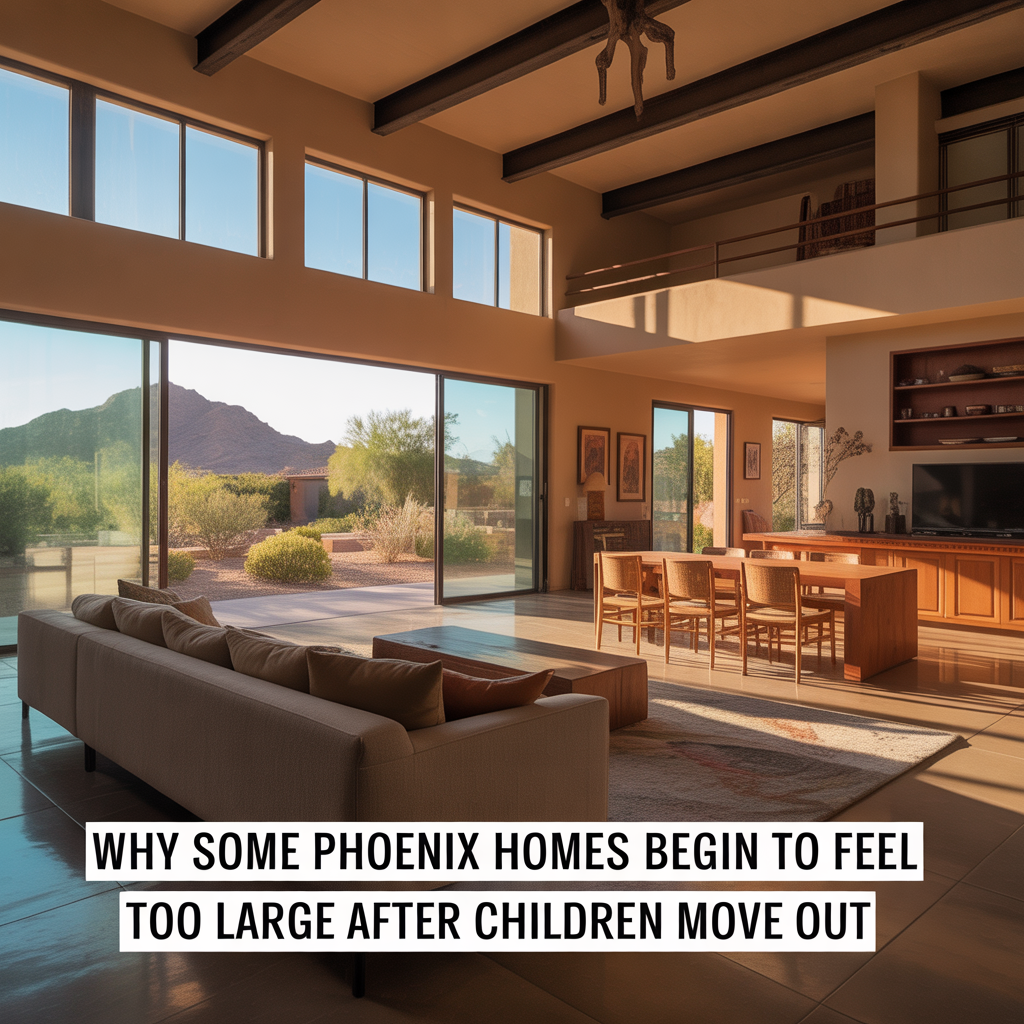
Why Some Phoenix Homes Begin to Feel Too Large After Children Move Out
-

When Homeowners Begin Considering Moving to a Larger Phoenix Home
-

Signs Your Phoenix Home Is Starting to Feel Too Small for Your Family
-

How Desert Landscaping Evolves Over Years of Phoenix Homeownership