


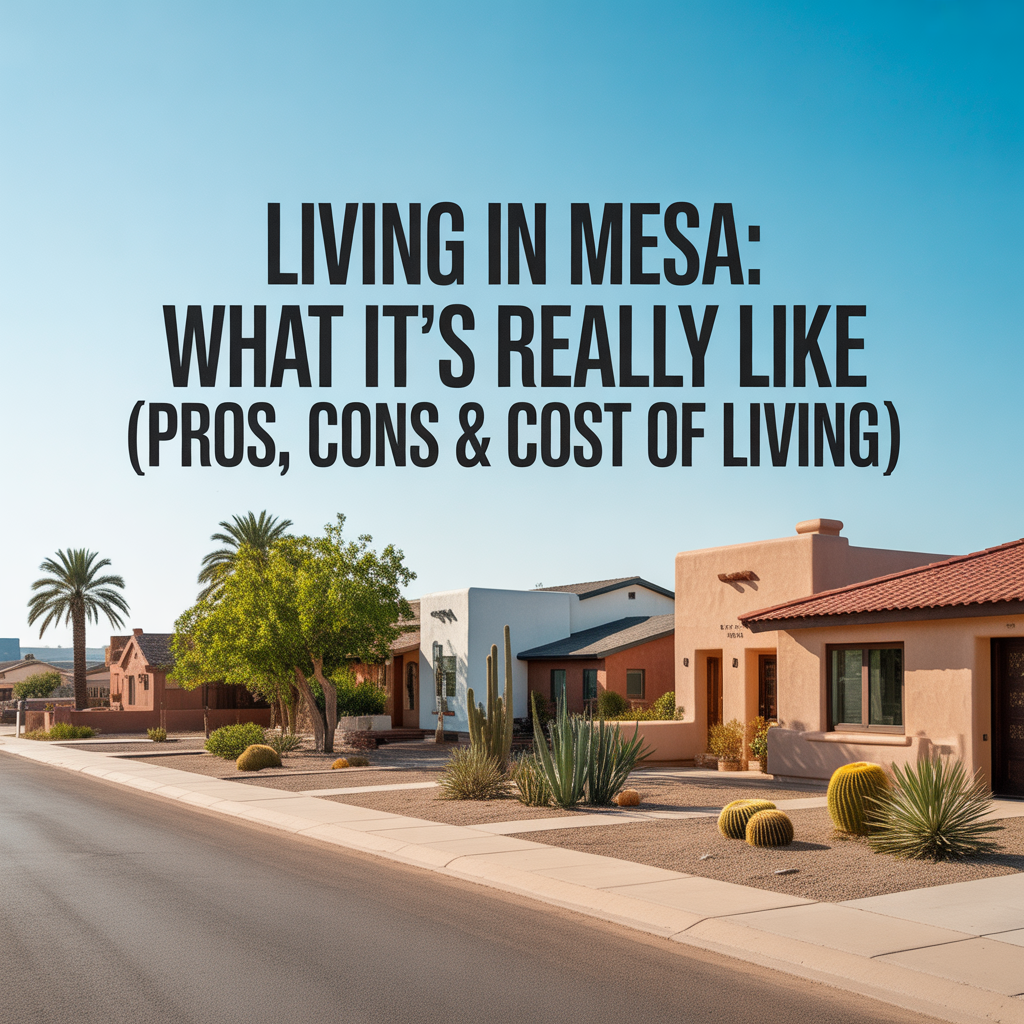
Mesa Lifestyle Guide → [Mesa Lifestyle Guide] & For more info on Mesa Real Estate → [Mesa Real Estate Guide]
Written by: Renee Burke
When you start exploring life in the Phoenix metro, Mesa often quietly surprises people. It doesn’t have the glitz of Scottsdale or the trendy downtown buzz of Tempe, but it offers something many home seekers crave — space, sunshine, community, and a sense of everyday Arizona life that actually feels livable.
Mesa is the third largest city in Arizona, but it doesn’t always feel that way. It strikes a rare balance: large enough to have options, small enough that you can still get to know your neighbors. Living here means desert vistas at sunrise, a short drive to the Superstition Mountains, and a strong sense of tradition mixed with steady growth that keeps the city moving forward.
The Feel of Everyday Life in Mesa
People often describe Mesa as calm, accessible, and family-oriented — a place that moves at a comfortable pace without ever feeling sleepy. The city’s character is rooted in long-standing neighborhoods, wide streets lined with mature palms, and schools that have been mainstays for generations.
You’ll notice life in Mesa runs a touch quieter than in the west or north Valley. There’s a grounded energy here — the kind that favors backyard barbecues, youth baseball games, and evenings spent outdoors as the temperature finally starts to dip. Yet, Mesa also has its moments of vibrancy: outdoor concerts at the Mesa Amphitheatre, the cultural pulse of the Mesa Arts Center, and the walkable nightlife emerging around Main Street after years of thoughtful revitalization.
Downtown Mesa in particular has transformed into a charming, creative pocket — filled with local coffee roasters, craft breweries, and farm-to-table diners that blend seamlessly with new light rail access and art murals that bring color to every block.
The Geography and Layout
Mesa stretches much farther east than most newcomers realize. It borders Tempe and Chandler to the west but extends all the way to Desert Uplands near the Usery Mountains. That eastward sprawl gives you a wide range of living experiences:
- West Mesa: More established neighborhoods, often with mid-century ranch homes, mature trees, and close proximity to the light rail and highways.
- Central Mesa: The historic heart — where the old citrus groves once stood — now an eclectic mix of older homes, adaptive re-use retail, and the downtown corridor near Main Street.
- East Mesa: Newer subdivisions, roomier lots, and beautiful views of the Superstitions. Suburban comfort meets desert edge here; great schools and parks define daily life.
- Northeast Mesa: A favorite for those seeking scenic luxury — golf course communities, gated enclaves, and hiking trail access all blend with that elevated, quiet desert backdrop.
Each area has its personality. For many families, choosing Mesa isn’t about chasing trendiness — it’s about value, space, and a slower kind of Arizona lifestyle that still connects you to everything the Valley offers.
The Pros of Living in Mesa
- Affordability Compared to Other East Valley Cities: The biggest draw. Mesa’s median home prices often sit lower than in Gilbert or Chandler, giving buyers more square footage and land for their money. This is especially appealing for first-time buyers or growing families who want strong schools without stretching their budget too thin.
- Outdoor Living and Natural Beauty: The Usery Mountain Regional Park, Salt River tubing, and endless trailheads are all nearby. You don’t have to drive far to feel worlds away from suburban life.
- Cultural and Community Roots: Mesa’s community calendar stays full — art walks, Fresh Foodie Trail stops, and local farmer’s markets create a connection that feels authentic and homegrown.
- Transportation Access: With the expansion of the Valley Metro light rail and major highways like the 60, 101, and 202, Mesa makes the rest of the Valley surprisingly accessible.
- Strong Local Economy and Job Access: Boeing, Banner Health, and Mesa Public Schools remain major employers, while ASU’s Polytechnic campus and Mesa Community College bring consistent innovation and energy.
The Cons (or Realities to Know)
No location is perfect — and Mesa’s charm comes with its own considerations.
- Summer Heat Hits Harder Here: Mesa tends to sit slightly warmer than the western parts of the Valley due to elevation and distance from the breeze corridors. You learn to plan life around the afternoons.
- Commuting Can Be Lengthy: While Mesa’s infrastructure is improving, travel times to central Phoenix or Scottsdale can stretch, especially during rush hours. Good planning and telecommuting options help.
- Older Home Stock in West/Central Mesa: Many properties built before the 1990s need updates — HVAC, plumbing, and insulation upgrades can become part of your homeownership journey here.
- Public Transportation Is Limited Beyond the Light Rail Corridor: Outside that core, Mesa remains largely car-dependent.
For most residents, though, these aren’t deal breakers — they’re simply the trade-offs that come with enjoying more space and affordability east of the main metro core.
Cost of Living in Mesa
Mesa’s cost of living continues to outshine its neighbors. While Arizona overall has seen real estate prices climb substantially in recent years, Mesa remains one of the more attainable corners of the East Valley.
Housing:
As of early 2026, median single-family home prices in Mesa hover around the mid-$400,000s — well below Scottsdale’s average and comparable to, or slightly less than, Gilbert. Townhomes and condos can still be found under $350,000 in many areas, though newer builds toward Eastmark and Las Sendas often command higher prices.
Rent:
Typical rent for a one-bedroom apartment falls in the $1,400–$1,700 range, depending on amenities and location. East Mesa’s newer complexes trend higher, while older offerings near Country Club and Baseline stay more affordable.
Utilities and Daily Expenses:
Electricity naturally spikes in the summer; air conditioning is your lifeline. Expect higher bills from June through September (averages can range $200–$300 per month for a single-family home). Water costs remain moderate but can creep up in neighborhoods with expansive landscaping. Groceries and services, meanwhile, align closely with Phoenix metro averages.
Taxes:
Mesa’s property tax rates stay comfortably middle-of-the-road for Maricopa County. That balance appeals to buyers comparing the East Valley cities side by side.
Overall, Mesa delivers strong home value relative to square footage and neighborhood quality — it’s one reason I often guide budget-conscious clients eastward when they begin comparing homes across the metro.
Who Mesa Appeals To
Mesa resonates most with people who value community roots and everyday comfort over flash. It’s ideal for:
- Families wanting affordability without compromising schools or safety.
- Retirees seeking golf course living or low-maintenance patio homes with views.
- Outdoor lovers drawn to trails, lakes, and green spaces on the city’s eastern edge.
- Young professionals who want options near the light rail or quick access to surrounding job hubs.
Mesa doesn’t chase trends; it maintains consistency. That steady identity has carried it through Phoenix’s growth cycles for decades, and it’s helped property values rise steadily rather than in sudden, volatile bursts.
The Real Estate Landscape
Mesa’s real estate market stays active year-round, thanks to its size and diversity of inventory. You’ll find nearly every housing style here — historic ranches, adobe-style single-levels, brand-new luxury builds, and age-restricted communities that feel more like resorts.
East Mesa continues to expand rapidly, especially around Eastmark, Cadence, and the Bell Bank Park district. These master-planned neighborhoods have become magnets for buyers who want new construction close to good schools and community amenities. Meanwhile, downtown’s resurgence is drawing young homeowners who value walkability and character.
For investors, rental demand stays strong thanks to the city’s population growth and proximity to key employment sectors. And for primary homeowners, Mesa still feels like one of the few metro areas where you can enter the market confidently and know your investment will age well.
The Heart of Mesa
What makes Mesa special isn’t just the homes or prices — it’s the rhythm of life here. On weekends, you’ll find families floating down the Salt River, couples sharing brunch on Main Street, and retirees tending to backyard citrus trees that have been growing for decades.
There’s something refreshingly authentic about Mesa. It doesn’t try too hard, and maybe that’s why so many people end up falling for it.
A Few Words of Advice
If you’re considering Mesa, give yourself time to explore it block by block. Drive from Dobson Ranch all the way out to Sossaman — the landscapes, architecture, and community vibe shift more than you’d expect. Talk to neighbors, visit the parks at sunset, and see how the city feels in motion.
You’ll begin to notice how Mesa quietly ties the metro together — connecting Phoenix’s historic roots with the direction the Valley continues to grow.
A Warm Invitation
If you’re thinking about making a move in the Phoenix area — whether it’s Mesa or another nearby community — you don’t have to figure it out alone. Finding the right home here takes more than online searches; it takes local insight, lived experience, and someone who understands how the Valley truly fits together.
I’m always here to guide you through that process, patiently and thoughtfully, so you feel confident every step of the way. When you’re ready to talk about your next chapter in the Phoenix East Valley, I’d be honored to help you begin.
Get the full Phoenix Market Insights → [Market Insights]


-
Cost of Living in Rhode Island: Housing, Taxes, Utilities, and Everyday Expenses
-

What If My Commute Becomes Worse Than Expected?
-

How Aging Home Systems Affect Property Value
-

Energy Efficiency Upgrades for Phoenix Homes
-
How to Plan for Major Home System Replacements
-

When Phoenix Homeowners Should Replace Water Heaters
-

Repair vs Replace Decisions for Phoenix HVAC Systems
-
Creating a Long-Term Home Maintenance Plan
-

How Often Phoenix Homes Should Be Professionally Inspected
-
Early Warning Signs of Major Home System Failures
-

How Preventative Maintenance Protects Phoenix Property Value
-

The Best Annual Home Maintenance Plan for Phoenix Homes
-

Electrical Safety Inspections for Older Phoenix Homes
-

Why Whole-Home Surge Protection Matters in Arizona
-

Preparing a Phoenix Home for Electric Vehicle Charging
-

Signs Your Home’s Electrical System Is Overloaded
-
When Phoenix Homes Need Electrical Panel Upgrades
-

Water Pressure Problems in Phoenix Homes Explained
-

Preventing Irrigation Leaks That Waste Water in Desert Landscapes
-

Signs of Hidden Plumbing Leaks in Phoenix Houses
-

How Long Water Heaters Last in Arizona Homes
-

How Hard Water Affects Plumbing Systems in Phoenix Homes
-

Preventing Water Damage in Phoenix Homes During Storms
-

Roof Maintenance Tips Before Phoenix Monsoon Season
-
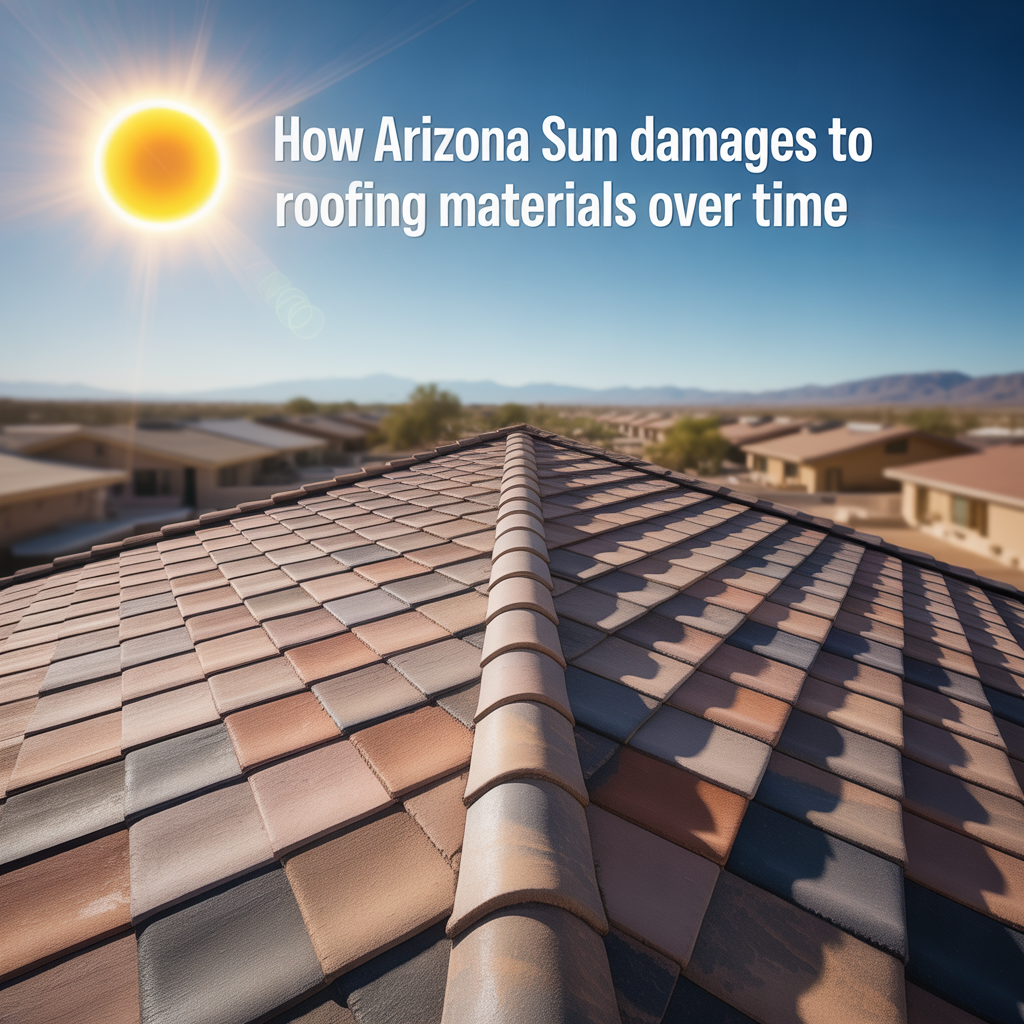
How Arizona Sun Damages Roofing Materials Over Time