


Mesa Lifestyle Guide → [Mesa Lifestyle Guide] & For more info on Mesa Real Estate → [Mesa Real Estate Guide]
Written by: Renee Burke
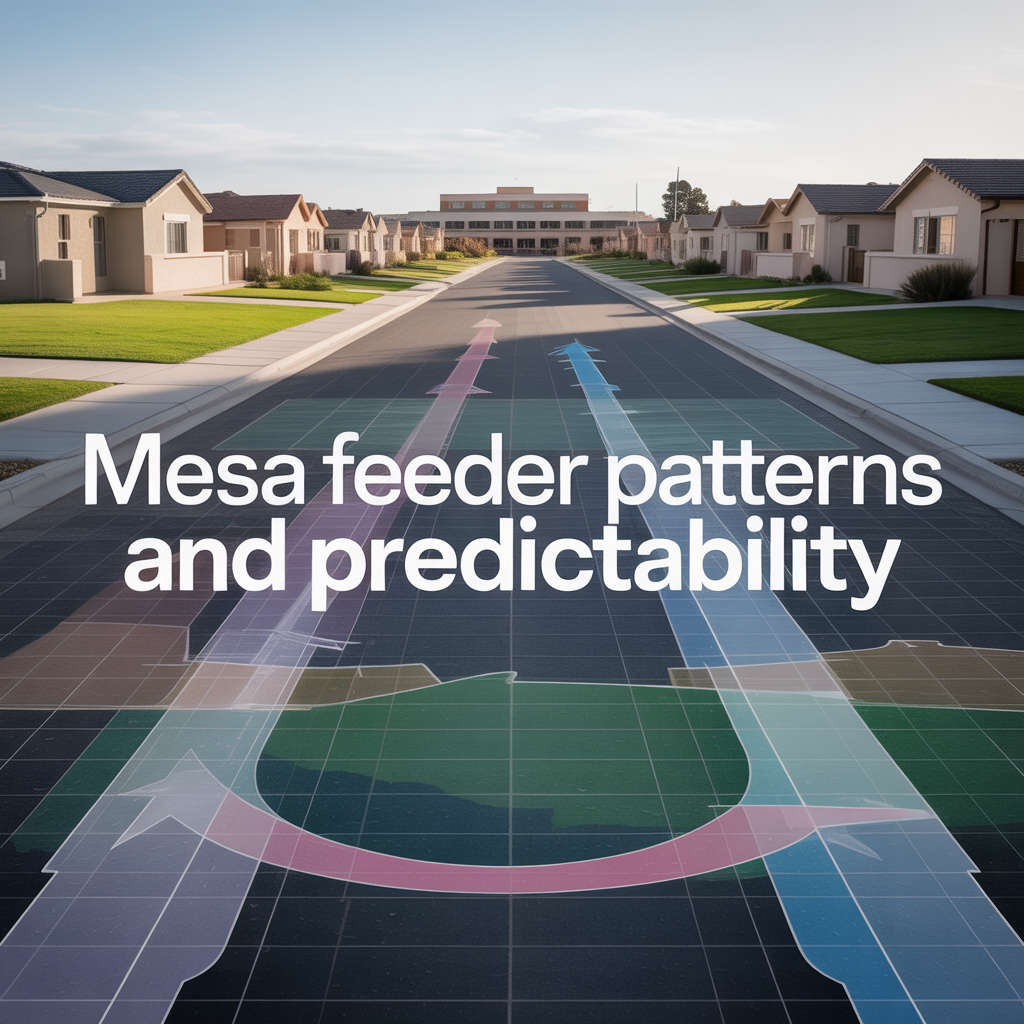
When families start looking at homes in Mesa, one of the first questions I hear is about feeder patterns — that clear path from elementary to junior high and on to high school. It’s a comfort to know where your child’s journey leads, especially in a growing city like ours where neighborhoods evolve quickly. As someone who’s navigated these patterns with countless families across the East Valley, I can tell you they offer a level of predictability that helps you plan your life here with quiet confidence.
Mesa’s systems, particularly Mesa Public Schools, are built around these feeders, creating natural pipelines that tie communities together. Let’s walk through what that looks like on the ground — the stability it brings, the surprises it can hold, and how it shapes your choices when buying a home.
The Backbone of Mesa Public Schools Feeders
Mesa Public Schools, our largest district, organizes most of its neighborhoods into straightforward feeder patterns. These aren’t just lines on a map; they’re the threads that connect families block by block.
For example, in the Red Mountain area, elementary schools like Falcon Hill, Jefferson, Las Sendas, Madison, Salk, Taft, Wilson, and Zaharis feed into Fremont Junior High. Nearby, Barbara Bush, Ramon Mendoza, Sandra Day O’Connor, and Red Mountain Ranch send students to Shepherd Junior High. Both junior highs then flow into Red Mountain High School, a campus with deep community pride and strong programs in everything from golf to STEM.
This structure repeats across Mesa. In the Dobson Ranch vicinity, schools like Brisas, Meridian, and Pomerene feed into St. Matthew or Taylor Junior Highs, which lead to Mountain View High. East side families might start at Boulder Canyon or Meridian, move to Stapley Junior High, and end at Skyline High. The pattern provides a predictable arc — your child grows up with familiar faces, shared traditions, and a sense of place that’s hard to replicate elsewhere.
Predictability in Action: What Families Gain
There’s real reassurance in knowing your home’s address locks in a full K-12 path without much guesswork. In Mesa, these feeders foster continuity that supports young families especially well.
Teachers and administrators often know students across grade levels, creating a web of support. If a child needs extra help in math at elementary, the same resources carry forward to junior high. Extracurriculars align too — a soccer player at Jefferson might seamlessly join Red Mountain’s varsity team years later. This isn’t accidental; it’s how Mesa Public Schools builds loyalty and performance, with many campuses earning A-rated labels year after year.
For homebuyers, this translates to stable neighborhoods. Homes in established feeder zones, like those near Red Mountain High, hold value because parents prioritize the certainty. You’re not just buying a house; you’re investing in a community rhythm that lasts. I’ve seen families stay put for generations because of it.
Where Other Districts Fit In
While Mesa Public Schools covers the heart of our city, portions of southeast Mesa overlap with Gilbert Public Schools, Higley Unified, and Queen Creek Unified. These districts have their own feeders, adding variety without chaos.
Gilbert, for instance, serves parts of zip code 85209 with elementaries like Weinberg and Neely feeding into junior highs like Mesquite and then Higley High. Higley and Queen Creek bring their own high-performing paths, often with “Excelling” labels from the state. These boundaries are clearly mapped online, and open enrollment lets families flex if needed — say, staying in a preferred Mesa elementary while eyeing a Gilbert high school.
The beauty here is choice within structure. No family feels trapped; instead, you get options that match your lifestyle, whether you’re near Gateway Airport or the Superstition Springs center.
Changes and How to Stay Ahead
Feeders aren’t set in stone — population growth in areas like Eastmark or Las Sendas means occasional adjustments. Mesa Public Schools updates boundaries thoughtfully, often with community input, to balance enrollment. Recent efforts include vertical alignment initiatives, strengthening ties between feeder schools and high schools for smoother transitions and better outcomes.
I always advise checking the interactive school locator on choosemesa.org or mpsaz.org — it’s the most current tool for your address. During a home search, we pull these maps right away, overlaying them with listing data to spot any shifts. One common worry is overcrowding at popular highs like Red Mountain, with over 3,300 students, but the district manages through expansions and magnets effectively.
Misconceptions linger too — like assuming feeders dictate quality. Strong patterns often correlate with great schools, but visiting campuses reveals the real story: culture, teachers, and fit matter more than any map line.
Lifestyle Ties: How Feeders Shape Daily Life
In Mesa, feeder patterns weave into everything from carpools to weekend games. Neighborhoods cluster around them, turning school events into community anchors — think Falcon Hill’s fall festival or Red Mountain’s homecoming lights up entire streets.
Commutes stay short too. Most families drive under 10 minutes to their assigned elementary, with junior highs even closer as kids get older. This frees up evenings for Superstition Springs hikes or Usery Mountain trails, keeping family time sacred. For working parents, the predictability means reliable before- and after-care pipelines.
When buying, consider the full picture. A home in the Fremont-Shepherd-Red Mountain feeder might suit a family craving athletic depth, while Stapley-Skyline appeals to arts-focused households. It’s about aligning your home with the life stage ahead.
Blending Feeders with Charters and Open Enrollment
Arizona’s open enrollment adds flexibility to these patterns. You can stay in your feeder for stability or opt into charters like BASIS Mesa, which draws from across zones without disrupting neighborhood ties. Many families hybridize — district elementary feeding into a charter middle, then back for high school sports.
This freedom eases fears of being “stuck.” If your child blooms late or shifts interests, re-enrollment is straightforward. Mesa’s size supports it all, from EVIT’s tech programs near Gateway to IB options at Skyline. It’s a system designed for real families, not rigid rules.
Long-Term Value for Homeowners
Feeders influence resale too. Buyers scour maps for Mountain View or Red Mountain zones, driving steady appreciation — often 4-6% annually in these pockets. Areas with fragmented boundaries, like southeast overlaps, can offer bargains if you’re open to Gilbert or Higley paths.
I guide clients to see feeders as assets. A predictable pattern isn’t just for kids; it’s a signal of neighborhood health, drawing families who invest in yards, block parties, and local breweries like Phantom Labs. Your home becomes part of that enduring fabric.
Guiding Your Next Steps
Mesa’s feeder patterns offer a roadmap to confident living — clear, connected, and adaptable to your family’s story. Whether you’re drawn to Red Mountain’s championship spirit or the quiet excellence of a Gilbert feeder, the structure here supports thoughtful choices that grow with you.
If you’re thinking about making a move in Mesa and want to map out feeders alongside your home search, you don’t have to figure it out alone. I’ve helped dozens of families align their address with the perfect path, ensuring every detail fits just right.
Reach out anytime — let’s chat about your family’s needs and find the neighborhood that feels like the natural next chapter. Here in the East Valley, we build homes that last, step by steady step.
Get the full Phoenix Market Insights → [Market Insights]


-

Designing Outdoor Living Spaces for Phoenix’s Unique Climate
-

How Pools and Shade Structures Change Backyard Living in Phoenix
-

Why Covered Patios Are One of the Most Valuable Features of Phoenix Homes
-

How Phoenix Homeowners Transform Their Outdoor Living Spaces Over Time
-

Ways Phoenix Homeowners Improve Indoor Comfort Over Time
-

How Long Cooling Seasons Influence Phoenix Home Design
-

How Phoenix Summer Heat Changes Daily Life Inside the Home
-

How Long-Term Homeowners Adjust Layouts to Fit Changing Needs
-

Converting Spare Bedrooms Into Home Offices in Phoenix Homes
-

How Life Stage Changes Affect the Way Phoenix Homes Are Used
-

When Homeowners Start Rethinking Space Inside Their Phoenix Home
-
How Phoenix Homes Adapt to Growing Families Over Time
-

How Local Parks, Restaurants, and Shops Shape Life in Phoenix Neighborhoods
-

Why Long-Term Residents Experience Neighborhoods Differently Than New Buyers
-

How Phoenix Communities Shape Everyday Life for Local Residents
-
Why Neighborhood Familiarity Improves Long-Term Home Satisfaction
-

How Living in a Phoenix Neighborhood Changes After Several Years
-
Why Desert Climate Living Changes Homeownership Expectations
-
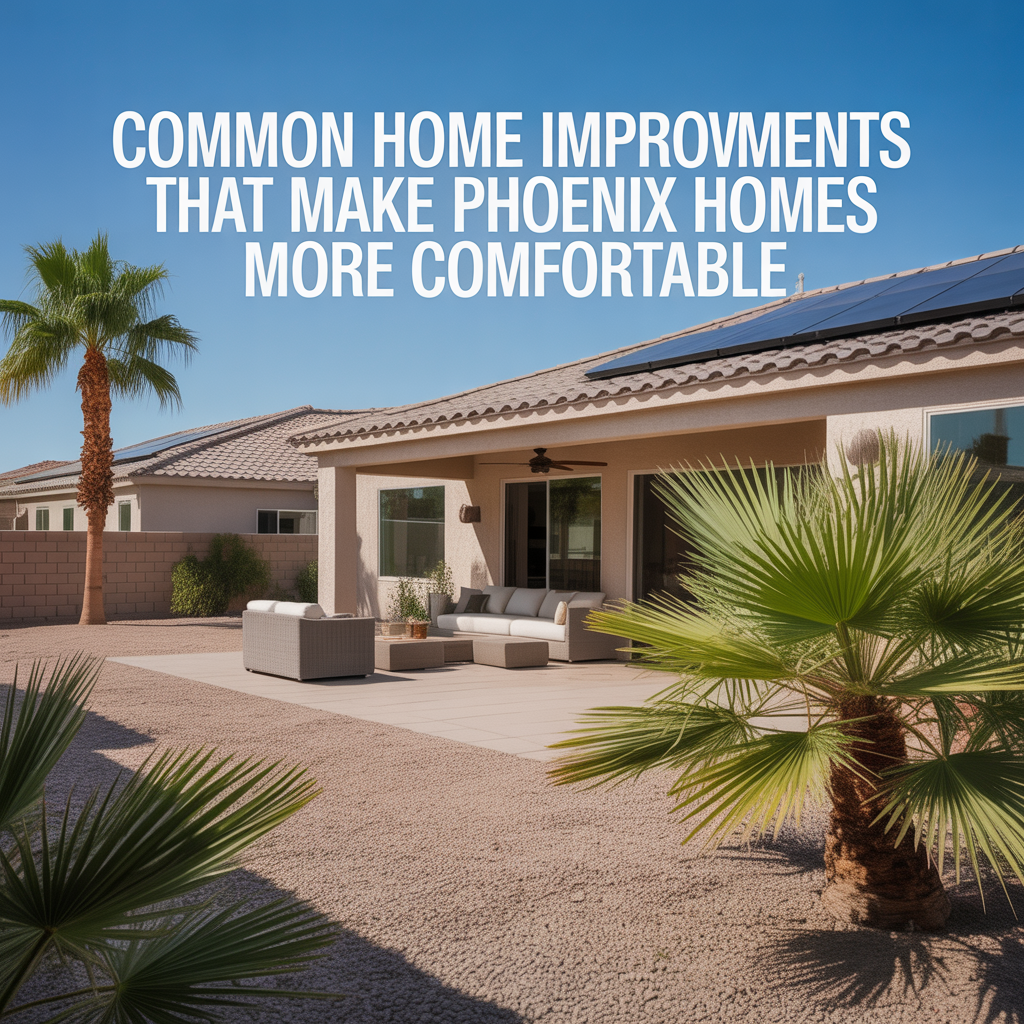
Common Home Improvements That Make Phoenix Homes More Comfortable
-

How Extreme Summer Heat Changes the Way Phoenix Homes Are Used
-

Why Shade Structures and Covered Patios Matter for Phoenix Homes
-

Cost of Living in Phoenix: Housing, Utilities, and Everyday Expenses
-

The Best Neighborhoods in Phoenix for Lifestyle, Schools, and Value
-

Homes for Sale in Phoenix Under $650K: Where Buyers Are Still Finding Deals
-

Phoenix Housing Market Forecast: Will Home Prices Rise or Fall?