


Mesa Lifestyle Guide → [Mesa Lifestyle Guide] & For more info on Mesa Real Estate → [Mesa Real Estate Guide]
Written by: Renee Burke
Absolutely — here’s a polished, in‑depth piece written in Renee’s voice, focused specifically on Micro‑Mobility Utility by Mesa Area.
Micro‑Mobility Utility by Mesa Area
By Renee Burke, Your Phoenix‑Area Real Estate Advisor
If you’ve spent any time driving around the East Valley lately, you’ve probably noticed a quiet shift happening on the streets—not in the roar of engines, but in the gentle hum of electric bikes, scooters, and even golf carts gliding along the paths. Mesa, with its wide roads, planned corridors, and growing downtown energy, has found itself at the heart of a transformation in how people move from one place to another.
This is micro‑mobility in action—small, personal modes of transportation designed for short trips. But in Mesa, it’s more than a convenience; it’s becoming an integral part of local life, reshaping how neighborhoods connect, how people commute, and even how homes are valued.
What Micro‑Mobility Means for Daily Life
Micro‑mobility covers electric scooters, e‑bikes, bicycles, and neighborhood electric vehicles (NEVs) that thrive on shorter, more localized travel. For Mesa residents, this shift aligns beautifully with the city’s layout—broad arterial streets, extensive bike lanes, and a growing network of shared‑use paths that knit together parks, schools, and community hubs.
Whether it’s riding an e‑bike from a home in Eastmark to a nearby coffee shop, or catching a scooter downtown for lunch at Worth Takeaway, micro‑mobility makes the in‑between moments of city life easier and more intentional. It encourages residents to explore their own neighborhoods and rediscover the local amenities that make each area unique.
For many, it also softens the edges of Phoenix’s famously hot commutes. Instead of fighting freeway congestion for every errand, people now pair short electric rides with light rail access or park‑and‑ride options, cutting both time and stress.
Why Mesa Has Become a Leader
Mesa’s geography and city planning have given it a head start in adopting micro‑mobility. The city’s efforts to develop a connected street grid, improve shade structures, and open canal path access mean that residents can safely move between major activity centers without having to rely entirely on cars.
Neighborhoods like Downtown Mesa, with its mix of local shops, light rail stations, and public art, have become incubators for the movement. The Fiesta District, anchored by Mesa Community College and Banner Desert Medical Center, is seeing similar momentum—students, healthcare workers, and residents all using compact, personal transport for quick, sustainable commutes.
Then there’s Eastmark, where community design has woven walking and biking paths right into its framework. Many families there use e‑bikes not just for recreation but for daily routines—school drop‑offs, grocery runs, or trips to the community center. These subtle lifestyle integrations tell a bigger story: Mesa isn’t waiting for the future of transportation; it’s building it, quietly and efficiently, right now.
Economic and Real‑Estate Ripples
While most people think of micro‑mobility as a transportation discussion, it’s also beginning to influence real estate in clear, measurable ways.
- Neighborhood desirability: Areas near light rail lines or along recognized bike corridors are commanding greater buyer attention. Convenient access to these networks translates to everyday ease—an appealing factor for buyers seeking a balance between comfort and sustainability.
- Property value resilience: As fuel costs fluctuate, homes that support mixed‑mode living—like those near shared paths or with secure e‑bike storage—are gaining a quiet premium.
- Community investment: Retail and dining districts connected by micro‑mobility networks often see increased foot and bike traffic, supporting vibrancy and longevity for small businesses that anchor neighborhood identity.
Simply put, as Mesa grows, buyers aren’t just asking how far something is—they’re starting to ask how accessible it feels. That subtle distinction signals maturity in the local market and awareness of a more inclusive, connected way of living.
Environmental and Lifestyle Benefits
Micro‑mobility isn’t just about saving a few dollars at the pump. It’s a lifestyle shift that fits Mesa’s pace and climate in thoughtful ways. Electric scooters and e‑bikes generate little noise, create almost no emissions, and blend naturally into community living. They allow residents to enjoy the outdoors without the hassle of parking shortages or heavy traffic.
Mesa’s trail system—the backbone of this lifestyle—is particularly well‑developed. The Consolidated Canal Path, Rio Salado Pathway, and the Eastern Canal Trail give residents safe alternatives that span miles of quiet, scenic travel. On weekends, those same routes transform into social corridors where neighbors wave, stop at farmers markets, or take the kids for a ride to nearby parks.
Families appreciate the growing safety infrastructure: clearly marked bike lanes, buffer zones, and crosswalk updates. Older adults, many of whom downsize from larger East Valley homes into lock‑and‑leave townhomes or condos, often find that a small e‑bike offers independence without the hassle of maintaining a full‑size vehicle.
A Thoughtful Look at Challenges
Of course, not everyone immediately embraces micro‑mobility, and that hesitation is understandable. Safety, heat, and infrastructure consistency remain reasonable concerns. Mesa’s summer months can make even short rides feel daunting, and some older areas still lack complete shade or dedicated lanes.
But progress is steady. Mesa’s partnership with Valley Metro and regional planning groups keeps expansion aligned with realistic daily use. New investments in shaded corridors, hydration stations, and bike‑share locations around downtown demonstrate the city’s practical approach: this isn’t a trend—it’s an adaptation to how people actually move through the Valley today.
For homeowners and buyers, that reliability matters. It signals foresight—an infrastructure that sustains both livability and long‑term investment.
The Broader East Valley Connection
What’s particularly special about Mesa’s approach is how it connects seamlessly with its East Valley neighbors. Chandler’s tech corridor, Gilbert’s Heritage District, and Tempe’s college‑town vibe are all within comfortable reach via light rail extension or well‑linked bike paths.
This kind of multi‑city accessibility is rare in the Southwest. It gives residents flexibility—live in Mesa’s family‑centric neighborhoods but enjoy a dinner in downtown Gilbert or a gallery night in Tempe—all without needing to drive every step of the way.
For those who work remotely or operate small businesses, this mobility web opens a wider radius for connection—collaboration, client meetings, and local discovery come without the burnout of long daily commutes.
How Homebuyers and Sellers Can Use This Insight
Whether you’re planning to buy or sell, understanding the micro‑mobility story helps you recognize where Mesa’s next wave of growth is building.
- Buyers can look for communities consciously integrating path access, EV charging, or distance to light rail stations. These features may feel subtle now but are increasingly shaping long‑term resale appeal.
- Sellers can highlight these same attributes when marketing a home—proximity to a canal path or a planned e‑bike route can signal convenience, sustainability, and modern appeal to today’s buyers.
This is where experienced local insight matters most. Not every block or subdivision benefits equally from Mesa’s mobility network, but understanding those nuances—how one street connects more seamlessly than another, or where the next infrastructure updates are planned—can directly influence your investment decisions.
Living the Micro‑Mobility Mindset
Beyond progress and planning, micro‑mobility represents something Mesa has always embodied at its core: community‑minded living. It’s simple, neighborly, and distinctly local. There’s a quiet joy in seeing families ride along Power Road at sunset or students glide to class on electric boards past the palm‑lined walkways near MCC.
It speaks to the idea that transportation isn’t just about distance—it’s about connection. The ability to reach friends, parks, and favorite restaurants comfortably and consciously reinforces what so many Mesa residents love about life here: a sense of balance between big‑city access and small‑town warmth.
A Gentle Word on the Future
Looking ahead, Mesa’s micro‑mobility infrastructure will continue to evolve in step with smart‑city development. Expanded bike networks, solar‑powered wayfinding, and potential e‑mobility hubs near Superstition Springs and Eastmark are already in discussion.
These initiatives don’t just serve commuters; they protect the region’s appeal for decades to come. A city that’s easy to navigate, environmentally responsible, and thoughtfully connected is one that naturally sustains home values, local commerce, and overall quality of life.
For Mesa residents, that means stability you can feel—not just in property appreciation, but in the everyday rhythm of getting around with ease and intention.
A Neighbor’s Closing Thought
If you’re thinking about where you want to be in Mesa five years from now—how you move, how you connect, and what kind of everyday life you want—it’s worth taking these trends seriously, but calmly. You don’t have to rush or reinvent your routine. Change here happens thoughtfully, one neighborhood path at a time.
And if you’re considering buying or selling in the Mesa area, I’d love to be a sounding board for your plans. You don’t have to figure it all out alone. Together, we can look at how the growing network of micro‑mobility and neighborhood accessibility might shape both your home search and your lifestyle goals.
Get the full Phoenix Market Insights → [Market Insights]


-

Pool Liability and Insurance in Phoenix
-

Protecting Outdoor Structures and Shade Systems
-

HVAC Failures and Insurance Coverage
-
Roof Maintenance for Phoenix Climate Conditions
-

Preventing Water Damage in Desert Landscapes
-

How Monsoon Storms Affect Phoenix Homes
-

Why Policy Structure Matters More Than Premium
-

Understanding Coverage Limits and Exclusions
-

What Personal Property Coverage Actually Includes
-

How Liability Coverage Protects Homeowners
-
Replacement Cost vs Market Value in Phoenix Insurance
-

Understanding Deductibles Before You Need Them
-

How Renovations Affect Insurance Coverage
-

When to Review Your Home Insurance Policy
-

Why Replacement Cost Matters in Phoenix Insurance Policies
-

When a House Truly Starts to Feel Like Home
-
How Phoenix Neighborhood Living Builds a Sense of Belonging
-

Why Stability Plays a Major Role in Long-Term Home Satisfaction
-

How Familiarity Changes the Experience of Living in a Home
-
Renovate or Move? Deciding What to Do When Your Phoenix Home No Longer Fits
-
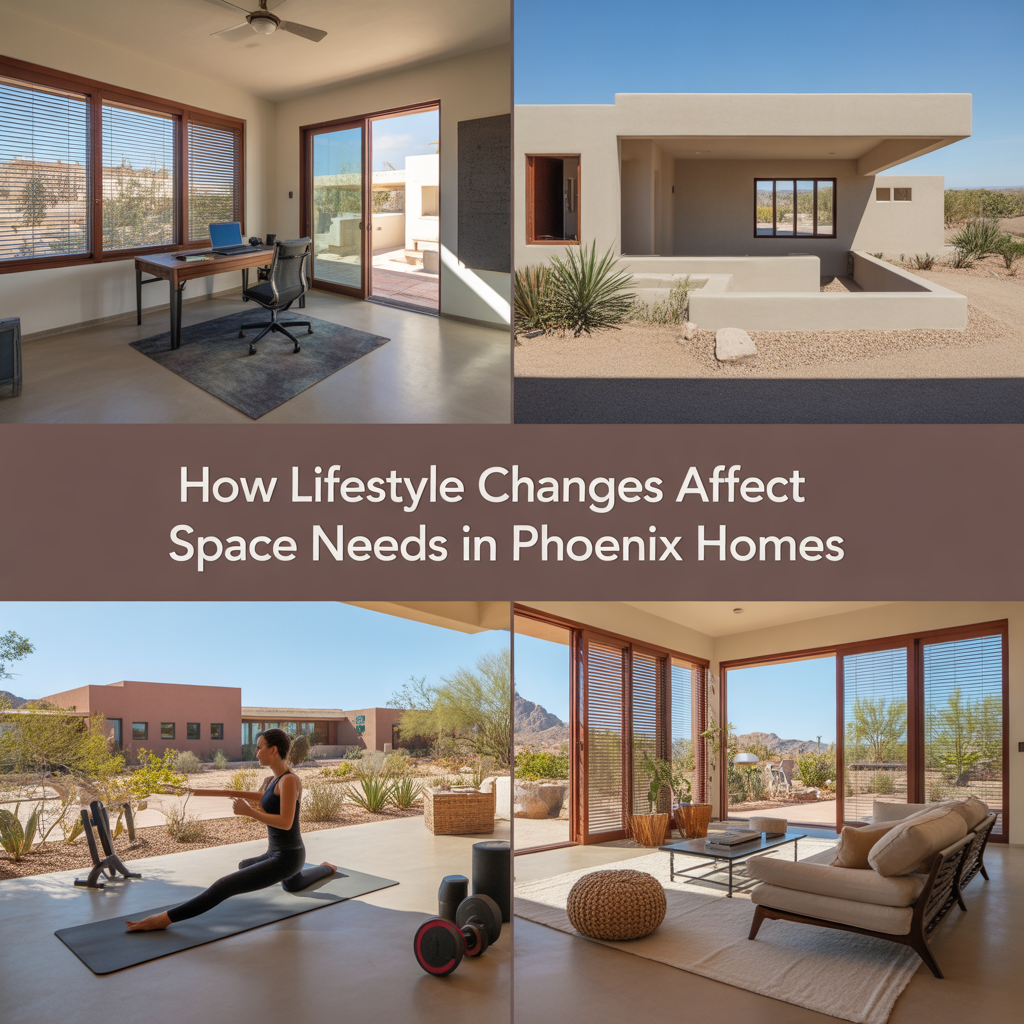
How Lifestyle Changes Affect Space Needs in Phoenix Homes
-
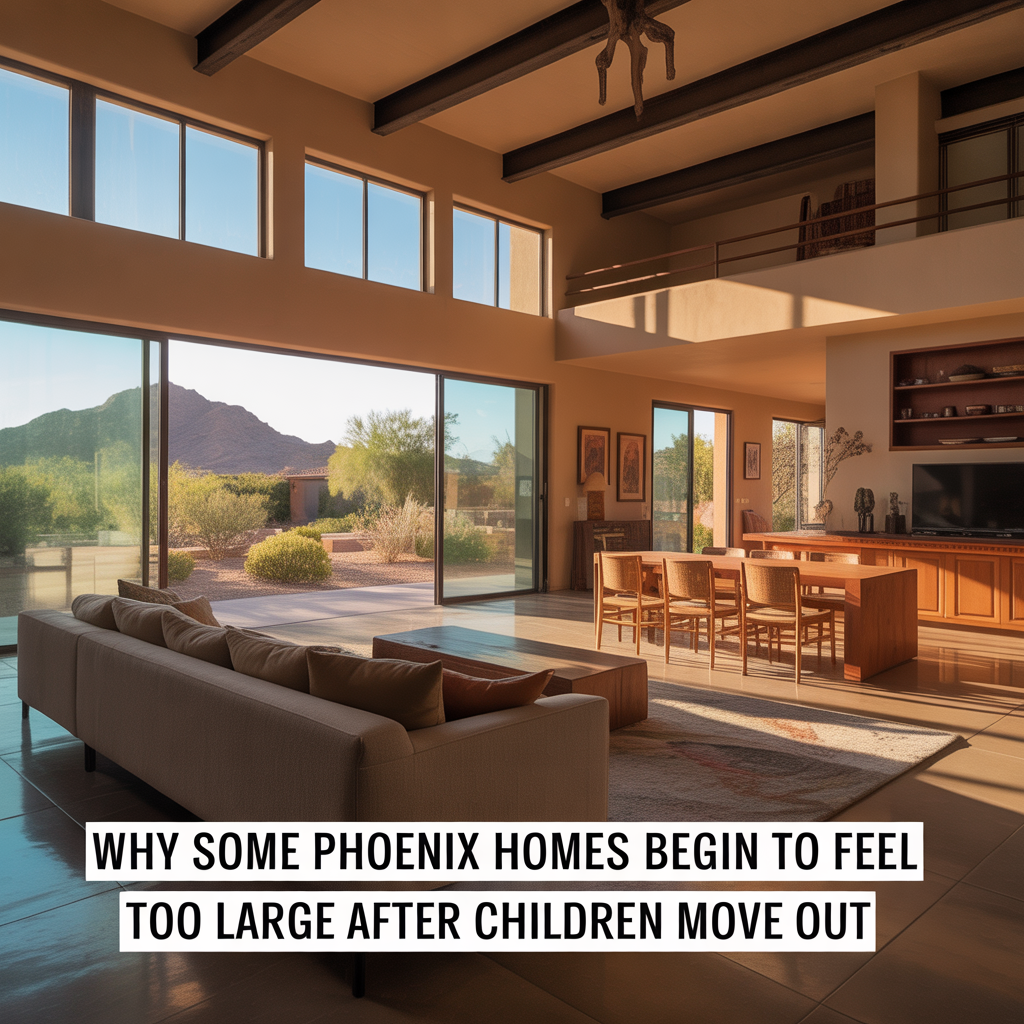
Why Some Phoenix Homes Begin to Feel Too Large After Children Move Out
-
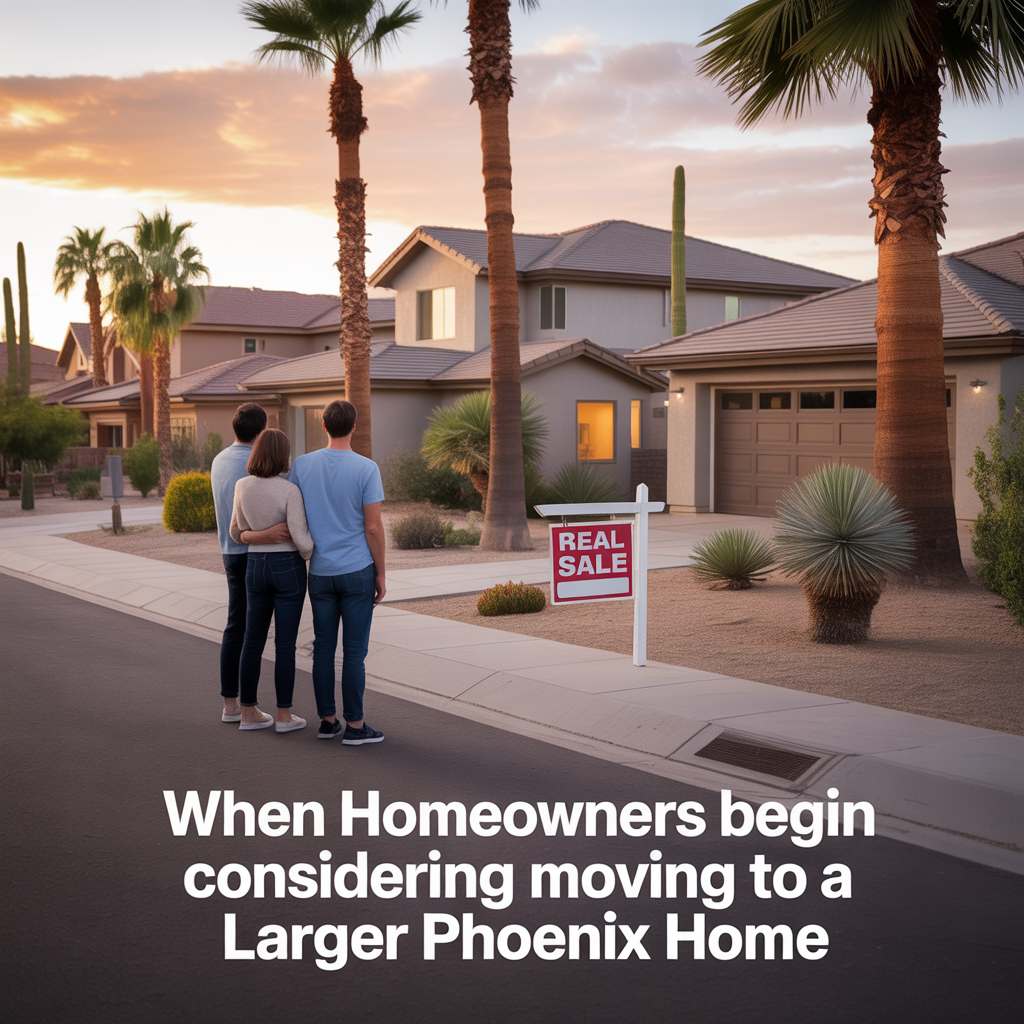
When Homeowners Begin Considering Moving to a Larger Phoenix Home
-

Signs Your Phoenix Home Is Starting to Feel Too Small for Your Family
-

How Desert Landscaping Evolves Over Years of Phoenix Homeownership