



Mesa Lifestyle Guide → [Mesa Lifestyle Guide] & For more info on Mesa Real Estate → [Mesa Real Estate Guide]
Written by: Renee Burke
Mesa has always been one of those places that surprises people once they look a little closer. It’s not simply a suburb of Phoenix—it’s a city with a deep local rhythm, shaped by decades of steady growth, changing lifestyles, and the quiet pull of the East Valley sun. When buyers start exploring Mesa seriously, one of the first questions that always comes up is: Do I want to be in the older part of town or one of the newer communities?
It’s a good question, and not an easy one to answer, because Mesa isn’t a “one-size-fits-all” city. Both the established and newer areas offer something distinctly valuable—it really comes down to lifestyle, priorities, and the way you imagine your daily life unfolding here.
The Character and Comfort of Older Mesa
Let’s start with the heart of the city—what most locals think of as “classic Mesa.” The neighborhoods closer to downtown and west of Stapley tend to have homes built anywhere from the 1950s through the 1980s. These communities have personality: mature trees that create a canopy of shade, wide streets lined with ranch-style and block homes, and yards that actually feel like yards.
Buyers drawn to these neighborhoods often talk about intangibles—space, soul, and history. They love that the streets aren’t perfectly cookie-cutter, that you can sense individual stories in the homes. A remodeled mid-century home near Evergreen Historic District or a modest ranch near Gilbert Road might look ordinary from the outside, but inside, they often have gorgeous brick fireplaces, real wood cabinets, and custom touches rarely found in newer builds.
Proximity is another appeal. Older sections of Mesa are centrally located, offering quick access to Downtown Mesa’s growing arts and entertainment scene, the light rail line that runs into Tempe and Phoenix, and a short drive to the Loop 202 or the US-60. For those who work downtown Phoenix or commute to major employment centers, it strikes a nice balance between city access and suburban quiet.
There’s also a certain freedom that comes with older homes. No HOA telling you what color your door can be, no design standards that keep every yard looking exactly the same. It’s especially appealing to creative buyers or small business owners who want to personalize their space.
That said, buyers should walk into older Mesa with eyes open. Maintenance is part of the deal—older roofs, aging plumbing, and sometimes quirky layouts. But many find that these homes offer solid bones, larger lots, and renovation potential that newer developments can’t match. In other words, if you value character and independence, you’ll feel right at home here.
The Allure of Newer Mesa Communities
Move east toward Power Road or southeast into the growing master-planned corridors near Eastmark, Cadence, and the Gateway area, and Mesa takes on another face entirely. These newer sections reflect the modern Arizona lifestyle—clean lines, energy-efficient builds, open-concept floor plans, and communities purpose-built for comfort and connection.
Buyers gravitate here for ease. Everything feels cohesive: manicured community parks, resort-style pools, splash pads, and biking paths designed for family living. Newer homes are more energy-efficient thanks to improved insulation, solar readiness, and smart home features. For many, that translates to lower utility costs and fewer surprises down the road.
There’s also a generational factor at play. Younger families and professionals often lean toward newer developments because of the schools, proximity to newer shopping centers, and a more predictable community atmosphere. The Gateway corridor, for instance, is right at the heart of southeast Mesa’s growth. With the expansion of the airport, new tech employers, and the surrounding retail boom, it’s one of the most dynamic parts of the East Valley right now.
But convenience does come with trade-offs. Lots tend to be smaller. HOA fees and community guidelines are more common, and while they keep everything pristine, they can limit individuality. The traffic patterns and overall “new build” look can feel more uniform, which some love—and others find less inspiring over time.
For buyers who want a turnkey home, a strong sense of neighborhood, and the latest in home features, newer Mesa delivers in spades. It’s suburban living at its most polished.
How Lifestyle Drives Preference
When clients tell me they’re torn between the two, I usually step back and ask one question: “How do you want to live day to day?”
If your heart lights up at the thought of a quiet backyard under mature citrus trees, a Saturday morning at the Mesa Farmers Market, or a quick drive to local music and art events downtown—you’ll likely feel more connected in the older parts of Mesa. You’re close to the community’s roots.
If you lean toward family bike rides through tree-lined trails, neighborhood block parties, and the ease of new construction under warranty, the Eastmark or Cadence areas may fit your rhythm better. These neighborhoods create that “micro-community” feeling that so many new homeowners crave.
Neither choice is right or wrong—they simply frame life differently. One leans nostalgic and individualistic; the other, structured and forward-looking. Mesa accommodates both effortlessly.
Market Trends and Value Insights
From a market perspective, the difference between older and newer sections of Mesa isn’t as much about which one is better, but which one aligns with each buyer’s financial comfort. Older neighborhoods often offer more value per square foot, especially when you consider lot size. You can usually find homes priced lower than their counterparts in newly developed areas, even if you factor in renovation costs.
Those willing to modernize a classic Mesa home frequently come out ahead long-term. Location stability, mature infrastructure, and steady demand around the downtown corridor or west Mesa neighborhoods keep prices resilient. Investors often seek these areas because they still have appreciation potential without the steep new-build price tags.
In contrast, newer communities tend to carry a pricing premium that reflects their amenities and design features. Builders include smart home technology, community pools, and green belts that appeal to today’s buyer expectations—but those conveniences are rolled into the price. Homeowners here often enjoy low maintenance and predictable utility bills, which offset the higher purchase cost in the early years.
Resale timing also plays a role. A ten-year-old home in Eastmark will likely hold strong appeal for second-wave buyers who want the modern floor plan without new-construction wait times. Meanwhile, revitalized neighborhoods near Stapley or Mesa Drive are drawing millennial homeowners and downsizers who want walkability and short commutes.
Common Buyer Misconceptions
One of the biggest misconceptions I hear is that “old” means outdated, or that newer automatically means “better built.” Both ideas miss the nuance of how Mesa’s housing stock evolved.
Homes from the mid-century decades were often built with solid masonry and wider lots—something that’s harder to find today. Many of them have been lovingly cared for by long-term owners and modernized over time. The charm of an older home isn’t in its age; it’s in its authenticity and durability.
On the flip side, new construction doesn’t necessarily guarantee low maintenance forever. Materials may be different, and while warranties cover major systems, small details still require attention. A fresh home can age quickly if not maintained, especially under Arizona’s summer heat.
That’s why I always recommend looking past the surface finishes and paying attention to fundamentals: orientation, lot placement, build quality, and community design. These matter more to your long-term comfort than whether the paint was applied in 1975 or 2025.
The Emotional Side of the Decision
What’s interesting about this discussion is that it often becomes emotional. People imagine their next phase of life when they buy a home—what mornings will feel like, who stops by on the weekends, what it’s like coming home from work.
Those drawn to older Mesa often talk about “roots.” They love the idea of being part of a real neighborhood that’s existed for decades, where you might chat with a neighbor whose parents lived there before them. There’s a sense of belonging that only time can create.
Those leaning toward newer communities are often imagining momentum—a sense of growth, community events, and neighbors at a similar life stage. For families with young children or first-time homeowners who want everything fresh and easy, that environment feels exciting and safe.
There’s no wrong answer because both paths point toward the same goal: living comfortably in a place that truly fits you.
Finding Balance in Mesa’s Evolution
The beauty of Mesa is that it bridges both worlds gracefully. As one of Arizona’s largest and oldest cities, it offers authentic mid-century neighborhoods just a few miles from state-of-the-art master-planned developments. You can enjoy arts festivals downtown on Friday night, then brunch near Superstition Springs on Saturday morning—without ever leaving city limits.
As Mesa continues to grow eastward, the balance between preservation and progress remains one of its strengths. Buyers benefit from this diversity because it means choices—a variety of price points, architectural styles, and atmospheres all within one community.
Warm Closing Call to Action
If you find yourself wondering whether the older charm or the newer comfort of Mesa fits you best, you don’t have to figure it out alone. These are personal decisions that deserve a thoughtful, experienced guide—someone who understands what’s behind the walls and what makes each neighborhood come alive.
I’ve lived and worked across the greater Phoenix area long enough to see how Mesa has evolved—street by street, family by family. Each part has something special to offer, and the best way to find your fit is by walking through it together.
If you’re thinking about making a move in Mesa, or you’re simply curious which direction makes sense for your lifestyle, let’s talk. There’s no rush, no pressure—just a friendly, informed conversation about what home really means for you here in the East Valley.
Get the full Phoenix Market Insights → [Market Insights]


-

Signs Your Phoenix Roof Needs Inspection or Repair
-
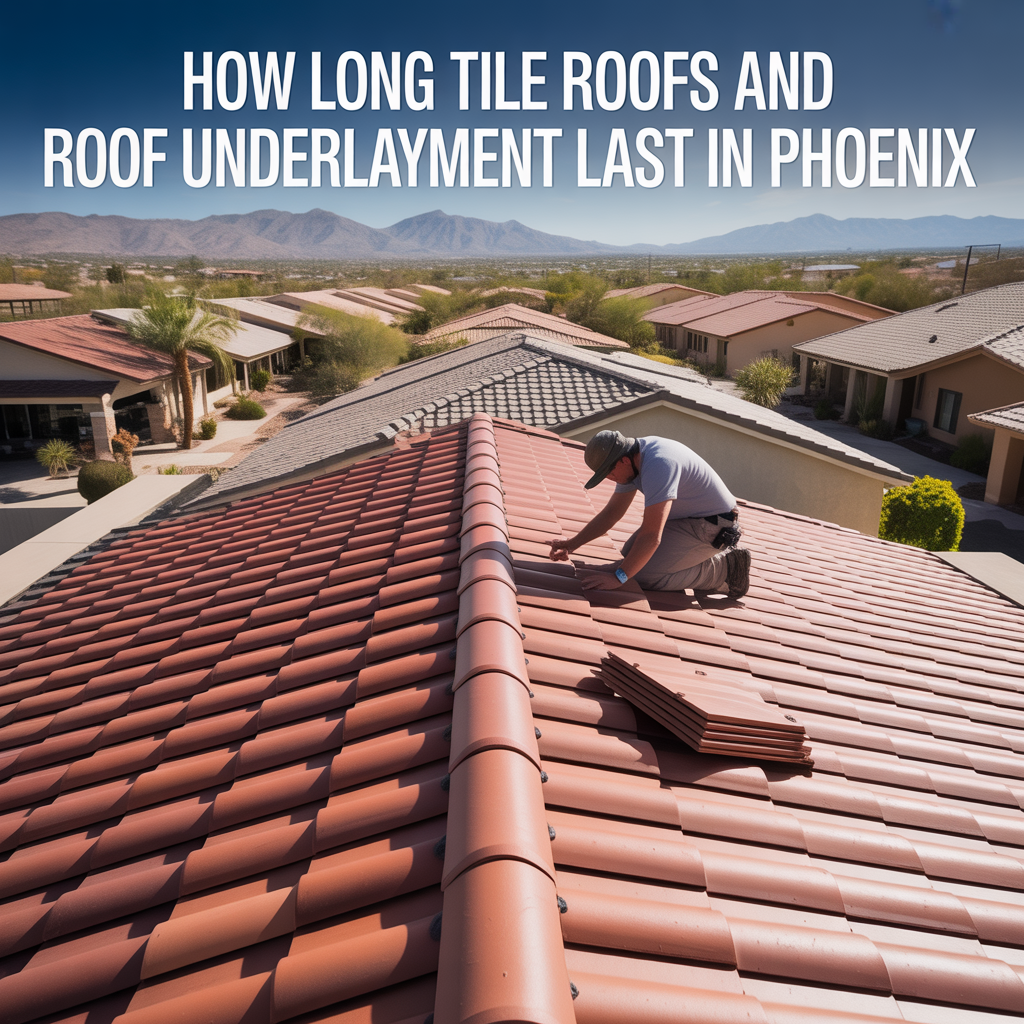
How Long Tile Roofs and Roof Underlayment Last in Phoenix
-

How Smart Thermostats Improve Cooling Efficiency in Arizona Homes
-

Why AC Systems Struggle During Extreme Phoenix Heat Waves
-

How Long Air Conditioning Units Last in Phoenix Homes
-

Warning Signs Your Air Conditioner Is About to Fail
-

How Often Phoenix AC Systems Need Maintenance
-

How Irrigation System Leaks Damage Foundations and Landscaping
-

Preventing Roof Damage Before Arizona Monsoon Storms
-

Why AC Tune-Ups Are Critical for Phoenix Homes
-

What Homeowners Should Inspect Before Phoenix Summer Heat Arrives
-

Seasonal Home Maintenance Checklist for Phoenix Homeowners
-
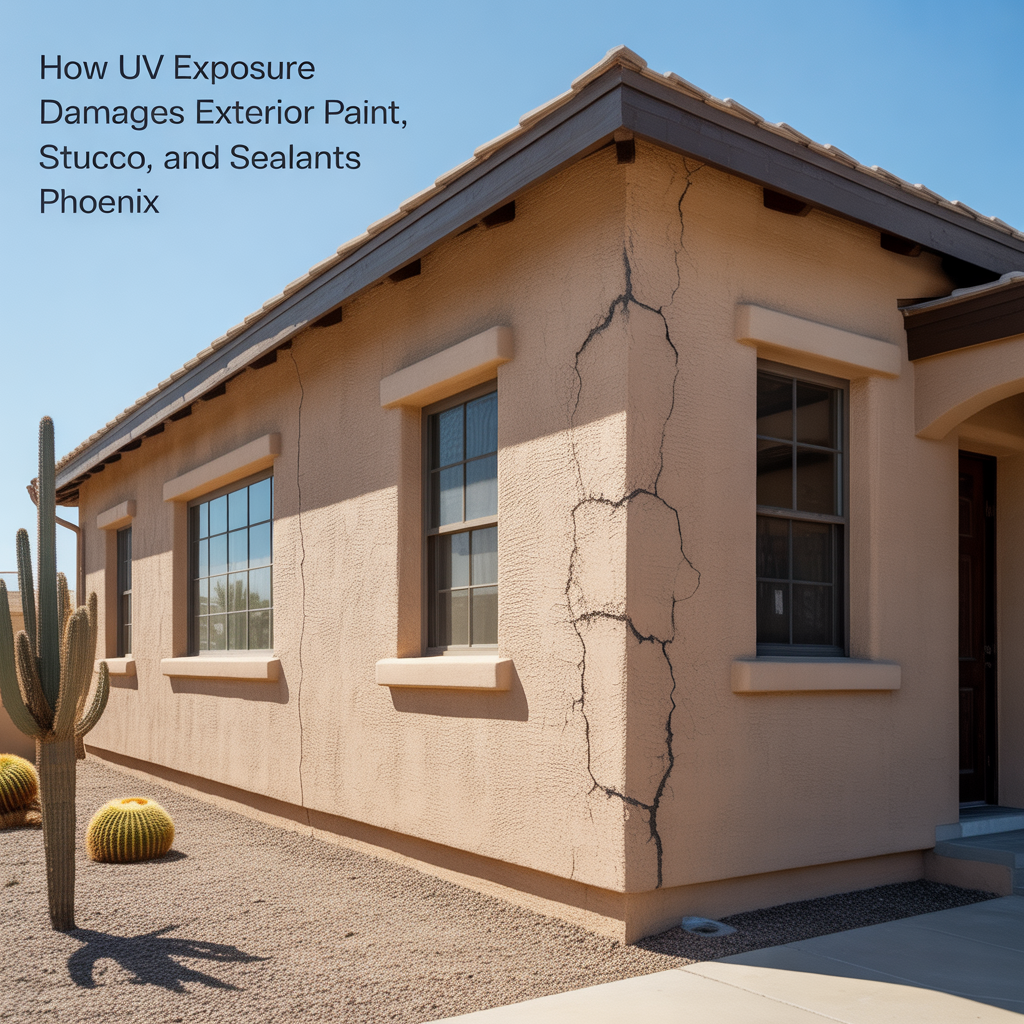
How UV Exposure Damages Exterior Paint, Stucco, and Sealants
-

How Extreme Heat Shortens the Lifespan of Home Systems
-

Why Phoenix Roofs Wear Out Faster Than Many Other Cities
-
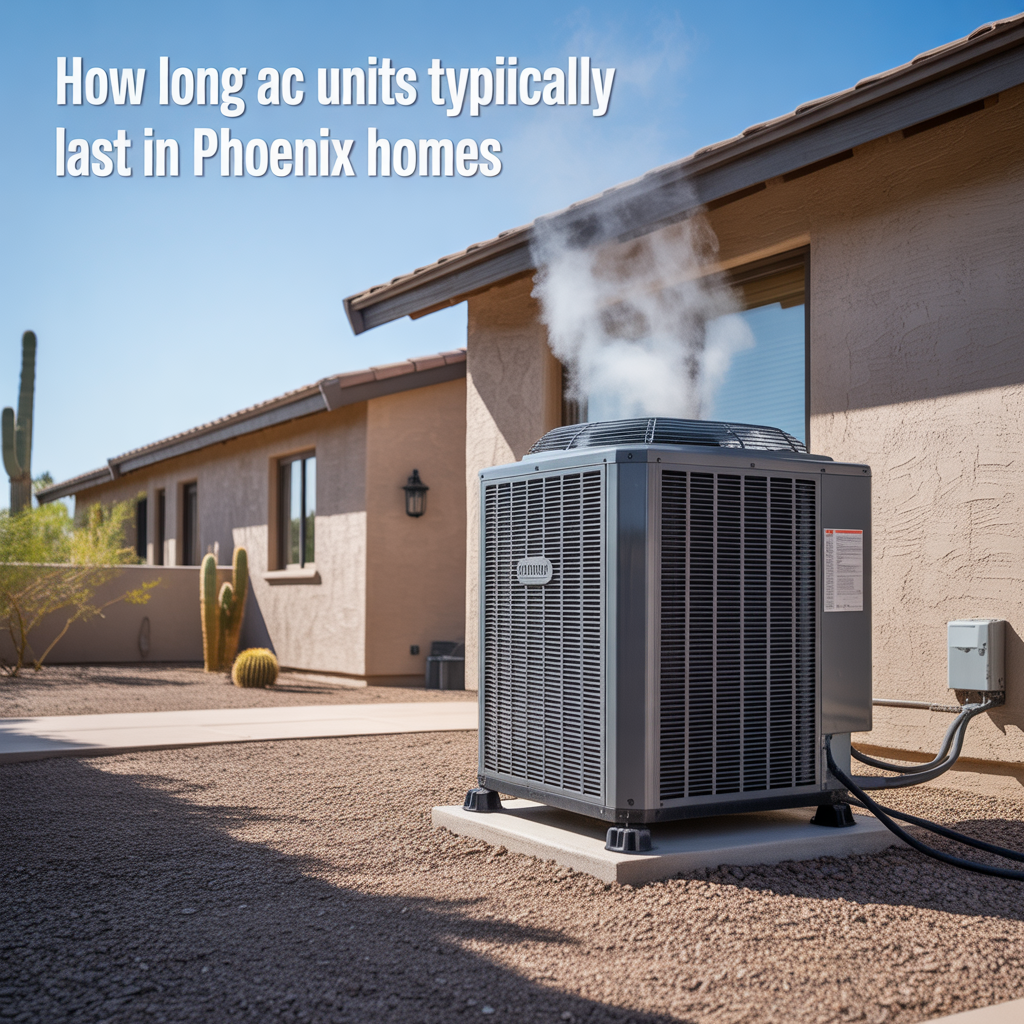
How Long AC Units Typically Last in Phoenix Homes
-

Building a Long-Term Protection Strategy
-
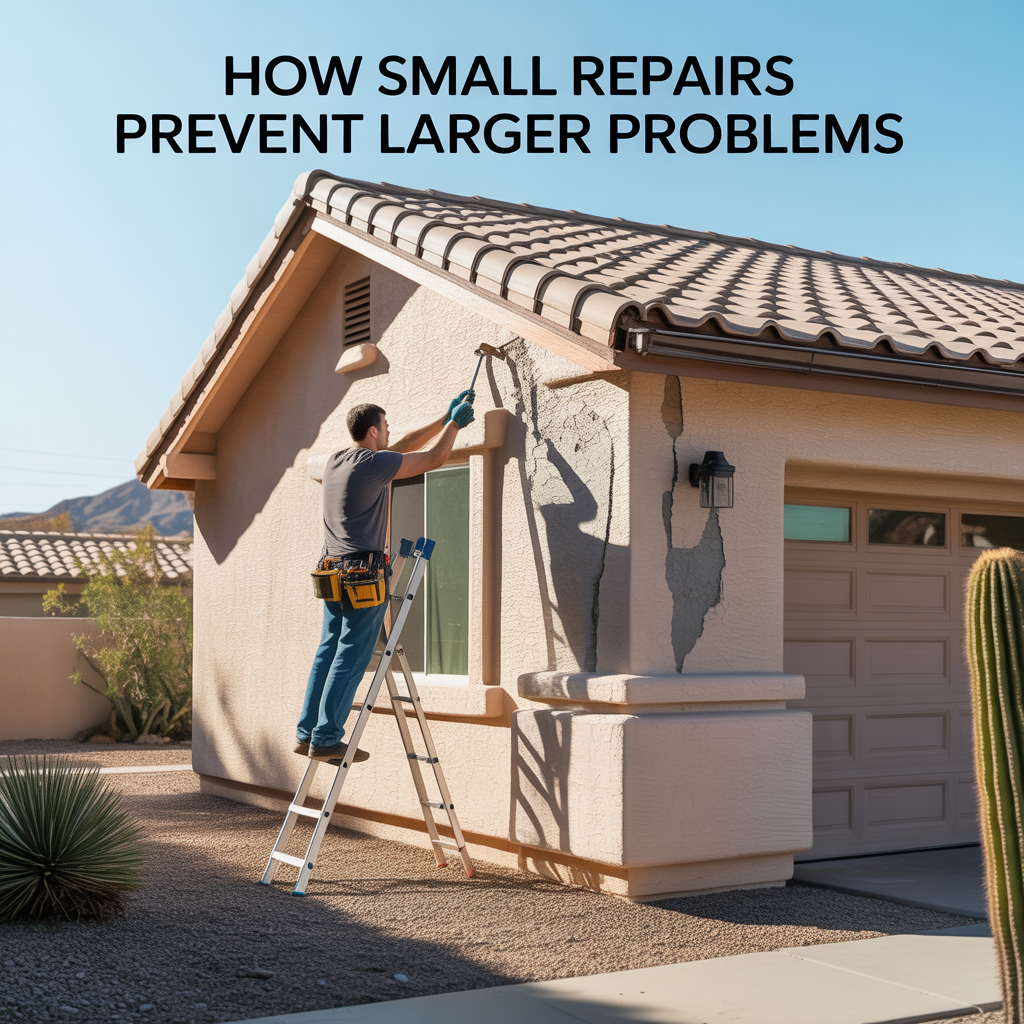
How Small Repairs Prevent Larger Problems
-

Protecting Older Phoenix Homes
-
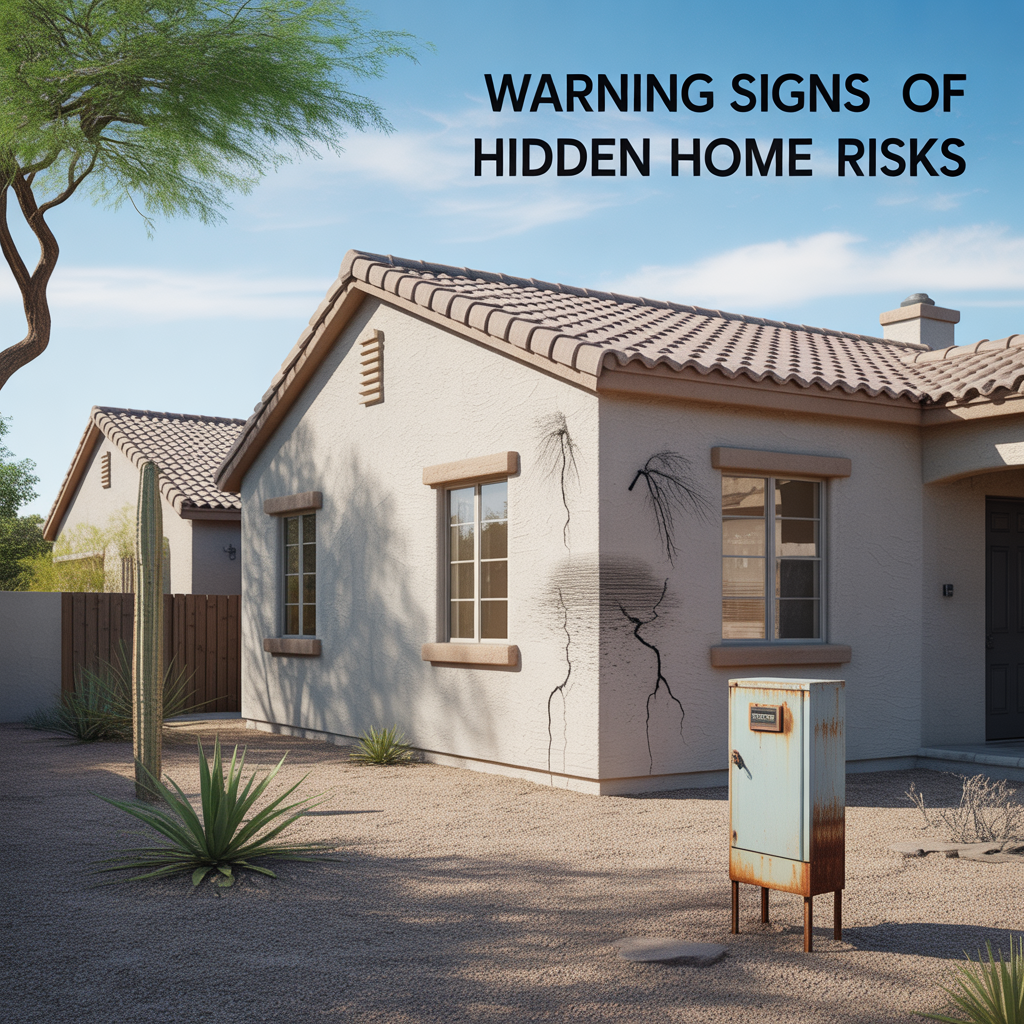
Warning Signs of Hidden Home Risks
-

Preventative Maintenance That Reduces Insurance Claims
-

Reducing Liability Exposure Around Your Property
-

Liability Coverage Limits Explained
-

When Umbrella Insurance Makes Sense
-

Protecting Yourself From Guest Injury Claims