


Mesa Lifestyle Guide → [Mesa Lifestyle Guide] & For more info on Mesa Real Estate → [Mesa Real Estate Guide]
Written by: Renee Burke
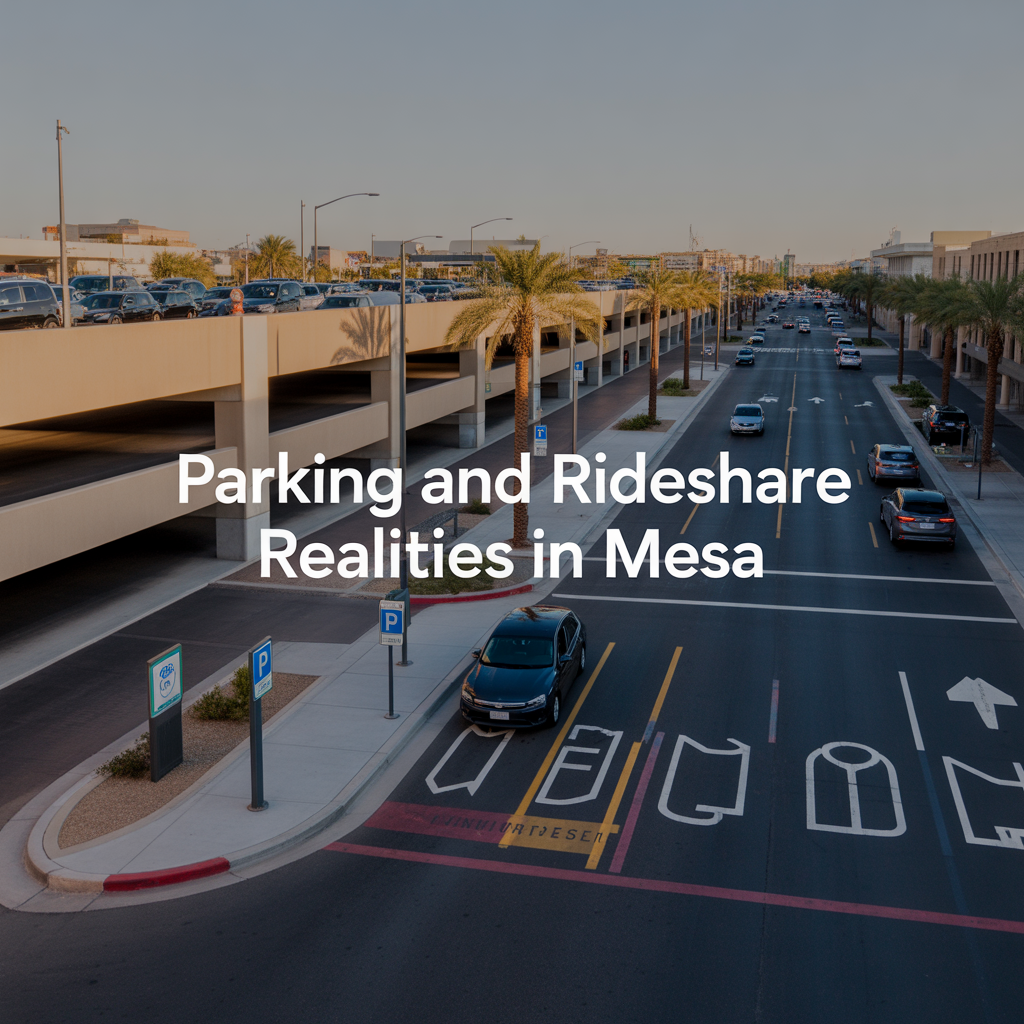
Parking and rideshare options in Mesa can make or break your day—whether you’re circling downtown for a show at the Nile Theater or waiting for an Uber after family fun at Golfland Sunsplash. I’ve navigated these realities countless times, from client showings during Arts Center events to late-night pickups in the Fiesta District, and I know the little frustrations that come with them.
The good news? Mesa’s system is thoughtfully designed for East Valley life—free garages downtown, reliable light rail ties, and growing rideshare pickup zones that keep things flowing. Let’s break it down so you can choose a home where getting around feels easy, not exhausting.
Downtown Mesa: Free Garages and Event Smarts
Downtown shines with over 5,000 free parking spaces daily, including garages at Mesa Arts Center, Convention Center, and City Hall that unlock fully after 5 p.m. weekdays and all weekend. Meters along Main and Centro cap at $2-3/hour daytime, but surface lots off Macdonald offer free two-hour windows perfect for quick lunches or gallery strolls.
Event nights—like Nile shows or First Fridays—fill garages first, so arrive 20 minutes early or use designated rideshare zones at Centro Street corners. Residential streets nearby allow 2-hour limits without permits, but employees grab monthly passes ($50-100) to avoid circling. For homes in lofts off Jefferson, it’s walkable bliss—no car needed after parking once.
Buyers here appreciate the resale edge: “downtown parking perks” signal convenience that distant suburbs can’t match.
Fiesta District and East Side: Street Savvy and Lot Access
Power Road’s Fiesta hub blends free retail lots at Superstition Springs with metered street spots near Mesa Community College—1 space per 250 sq ft retail code ensures plenty for shoppers. Roosters Country or Banner Desert visitors find overflow easy via Horne or Southern Avenue surface lots, rarely waiting over 10 minutes.
Rideshare thrives here: Uber/Lyft stages at Power-Southern corners during evening crowds, cutting wait times to 3-5 minutes. Neighborhoods south like Dobson Ranch use resident permits ($30-60/month) for streets, keeping guest spots open. Families love it—park for Jake’s Unlimited, rideshare home if tipsy from a brewery hop.
Sellers highlight “Fiesta parking flow” to ease buyer fears of suburban sprawl headaches.
Eastmark and Northeast: Planned Paths Over Pavement
Master-planned Eastmark prioritizes trails over lots—visitor parking stays ample in garages off Ray Road, with e-bike corrals dodging car crunch. Sloan Park events use dedicated shuttles and overflow fields, while Higley Road retail mandates landscaped lots (10-15% green) that feel spacious even at peak.
Rideshare pickups cluster at community centers, reliable 5-7 minute waits thanks to app-optimized zones. Quiet pockets like Red Mountain Ranch enforce overnight rules—no RVs over 3 days streetside—preserving driveway ease. It’s family gold: park for playgrounds, micro-mobility everywhere else.
Home values here lift 4-6% from “parking peace”—buyers fleeing chaotic cores seek this buffer.
Rideshare Realities: Reliable but Peak-Aware
Uber and Lyft blanket Mesa seamlessly—downtown surges hit $15-25 for 10-mile hops during Arts Center close (10-11 p.m.), but base fares stay $10-15 to Chandler or Gilbert. Light rail from Main Street station pairs perfectly: rideshare to station ($5-8), rail home free with Valley Metro passes.
Surge myths worry newcomers, but apps show real-time: Fiesta District waits average 4 minutes, East Mesa 6-8 near Local Legends. Shared rides cut costs 20-30%, and EV surges (hello, Tesla Ubers) handle heat better. For late Nile nights, pre-book via favored drivers—many locals specialize in East Valley runs.
Pro tip: neighborhoods near rail like downtown Mesa or Fiesta minimize rideshare reliance altogether.
Retail and Residential Rules: What Shapes Daily Flow
Mesa’s zoning keeps it practical—retail needs 1 spot/250 sq ft (less downtown), ADA mandates 1 accessible per 25 spaces with van aisles, and shared agreements let bars/bowls split peaks. Overnight street parking allows most residential zones (no red curbs, 20 ft from hydrants), but HOAs in Eastmark add guest rules for harmony.
Event hubs like Golfland or Slick City designate employee lots, freeing customer prime spots. Fines sting ($50+ for meters), but apps like ParkMobile simplify payments. Quiet pockets enforce thoughtfully—no chronic overflow disrupting Las Sendas evenings.
Buyers test it: park a showing during rush, feel the ease.
Parking and Rideshare Snapshot
| Area | Parking Type | Event Peak Wait | Rideshare Surge | Best Home Fit |
|---|---|---|---|---|
| Downtown | Free garages post-5pm, meters day | 10-15 min (Arts Center) | Medium ($15-25) | Lofts, pros |
| Fiesta/East Main | Retail lots, street 2hr | 5-10 min (Roosters) | Low ($10-15) | Families, townhomes |
| Eastmark NE | Planned garages, trails | 5 min (Sloan) | Low ($12-18) | Master-planned havens |
| Red Mtn/SE | Resident streets, HOA | Minimal | Medium ($15-20) | Quiet suburbs |
This matches realities to your life—stress-free.
Real Estate Ties: Convenience Drives Value
Proximity to free parking or rail zones boosts homes 5-8%—downtown condos from walkability, Eastmark from path integration. Buyers fear “no spots ever,” but test drives prove otherwise; sellers map it: “5-min to garage, rail at block’s end.”
Micro-mobility amplifies: e-bike downtown, skip parking hunts. Heat? Shaded garages and quick Ubers handle it. I’ve eased worries with custom audits—your routine, mapped perfectly.
Mesa’s Flow: Practical and Welcoming
Parking and rideshare here reflect thoughtful growth—free options downtown, reliable apps Valley-wide, blending car ease with modern mobility. It nurtures the balance families crave: fun hubs accessible, quiet nights preserved.
No big-city snags, just East Valley smarts sustaining livability.
Let’s Ease Your Mesa Move
If parking realities or rideshare rhythms have you pondering Mesa spots—or fine-tuning for seamless days—you don’t have to sort it alone. I’m here as your East Valley guide, ready to audit garages, test Ubers, and align it all with your home hunt.
Reach out when ready; together, we’ll make every arrival feel like coming home.
Get the full Phoenix Market Insights → [Market Insights]


-

Pool Liability and Insurance in Phoenix
-
Protecting Outdoor Structures and Shade Systems
-

HVAC Failures and Insurance Coverage
-
Roof Maintenance for Phoenix Climate Conditions
-

Preventing Water Damage in Desert Landscapes
-

How Monsoon Storms Affect Phoenix Homes
-

Why Policy Structure Matters More Than Premium
-

Understanding Coverage Limits and Exclusions
-

What Personal Property Coverage Actually Includes
-

How Liability Coverage Protects Homeowners
-
Replacement Cost vs Market Value in Phoenix Insurance
-

Understanding Deductibles Before You Need Them
-

How Renovations Affect Insurance Coverage
-

When to Review Your Home Insurance Policy
-

Why Replacement Cost Matters in Phoenix Insurance Policies
-

When a House Truly Starts to Feel Like Home
-
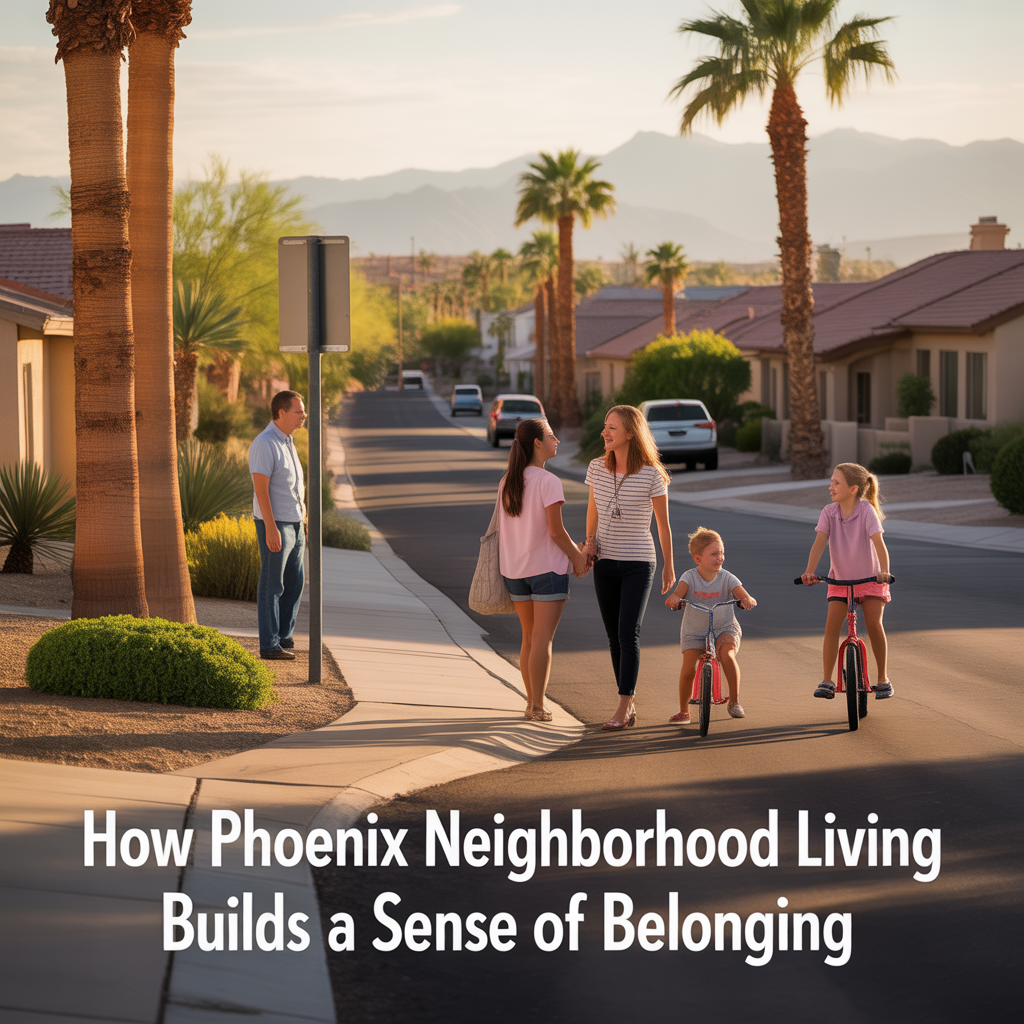
How Phoenix Neighborhood Living Builds a Sense of Belonging
-

Why Stability Plays a Major Role in Long-Term Home Satisfaction
-

How Familiarity Changes the Experience of Living in a Home
-
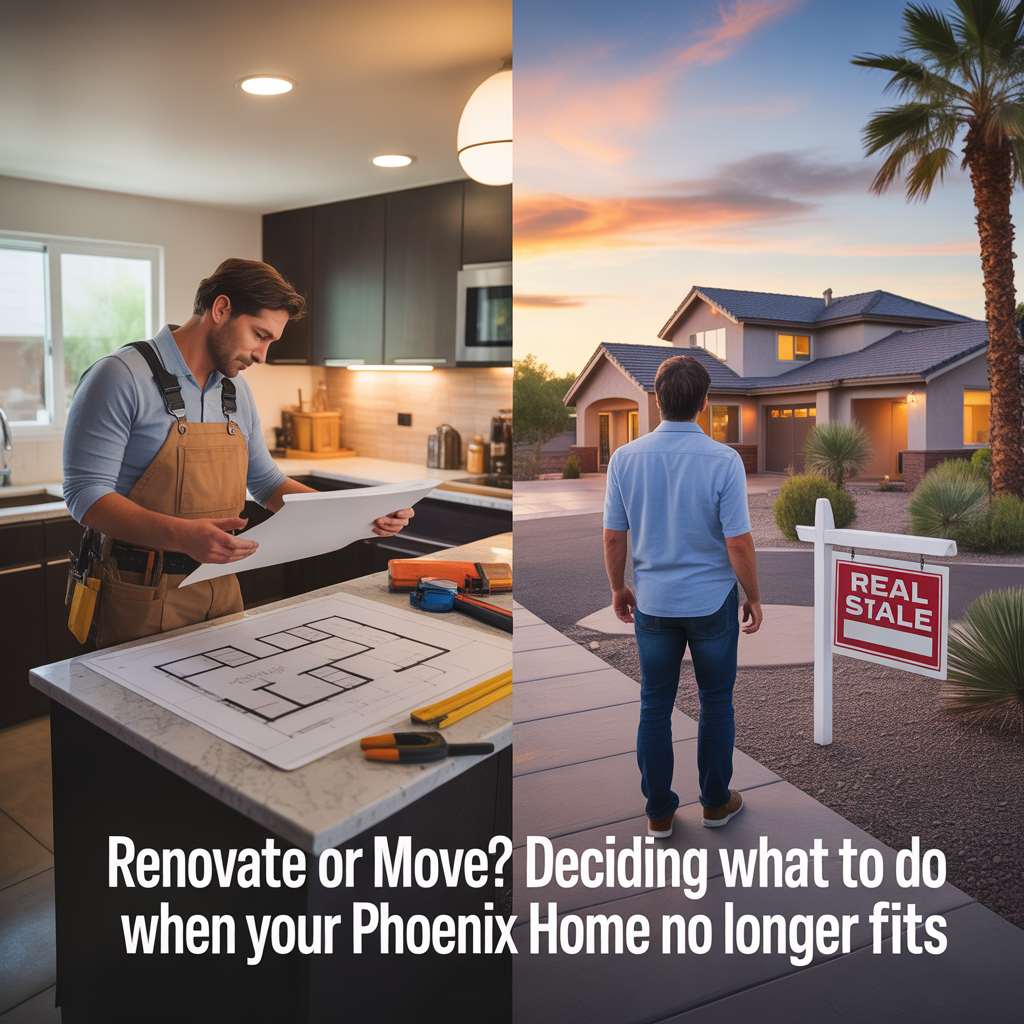
Renovate or Move? Deciding What to Do When Your Phoenix Home No Longer Fits
-
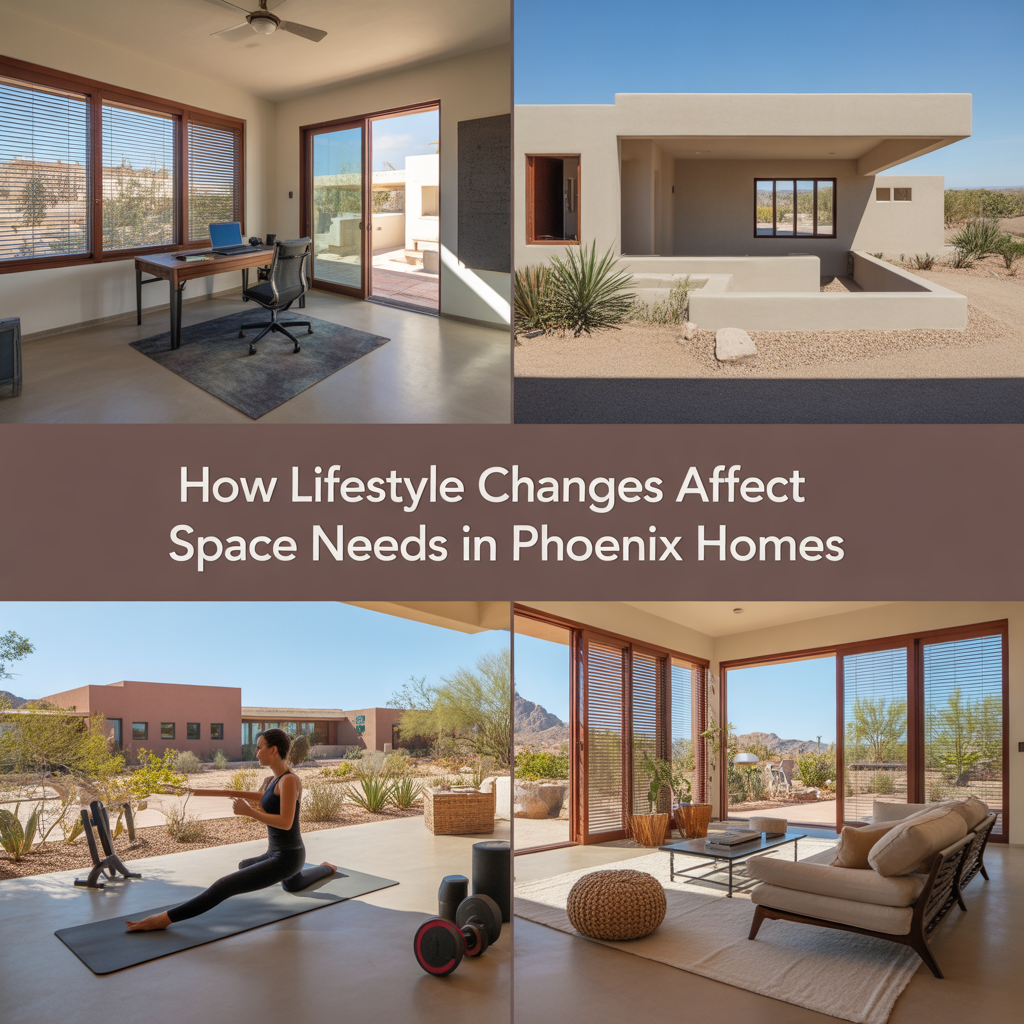
How Lifestyle Changes Affect Space Needs in Phoenix Homes
-
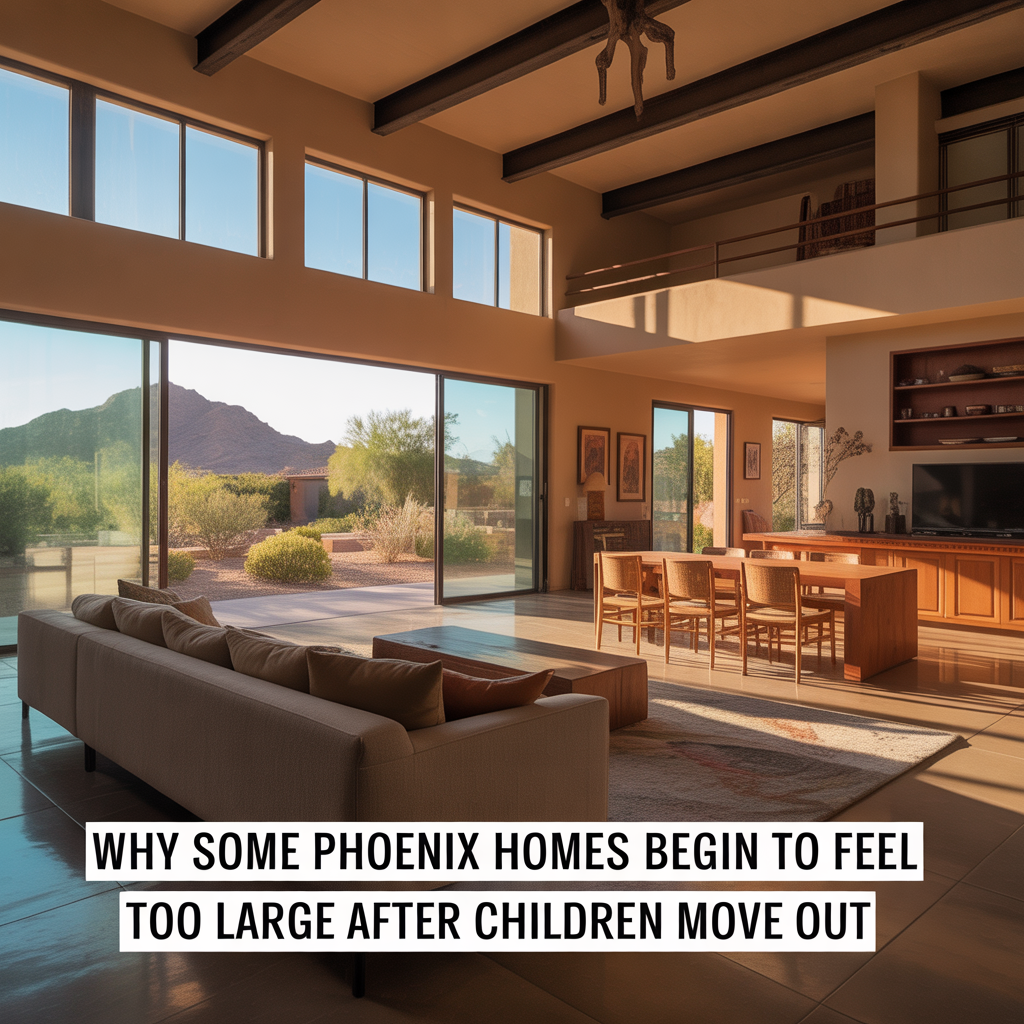
Why Some Phoenix Homes Begin to Feel Too Large After Children Move Out
-
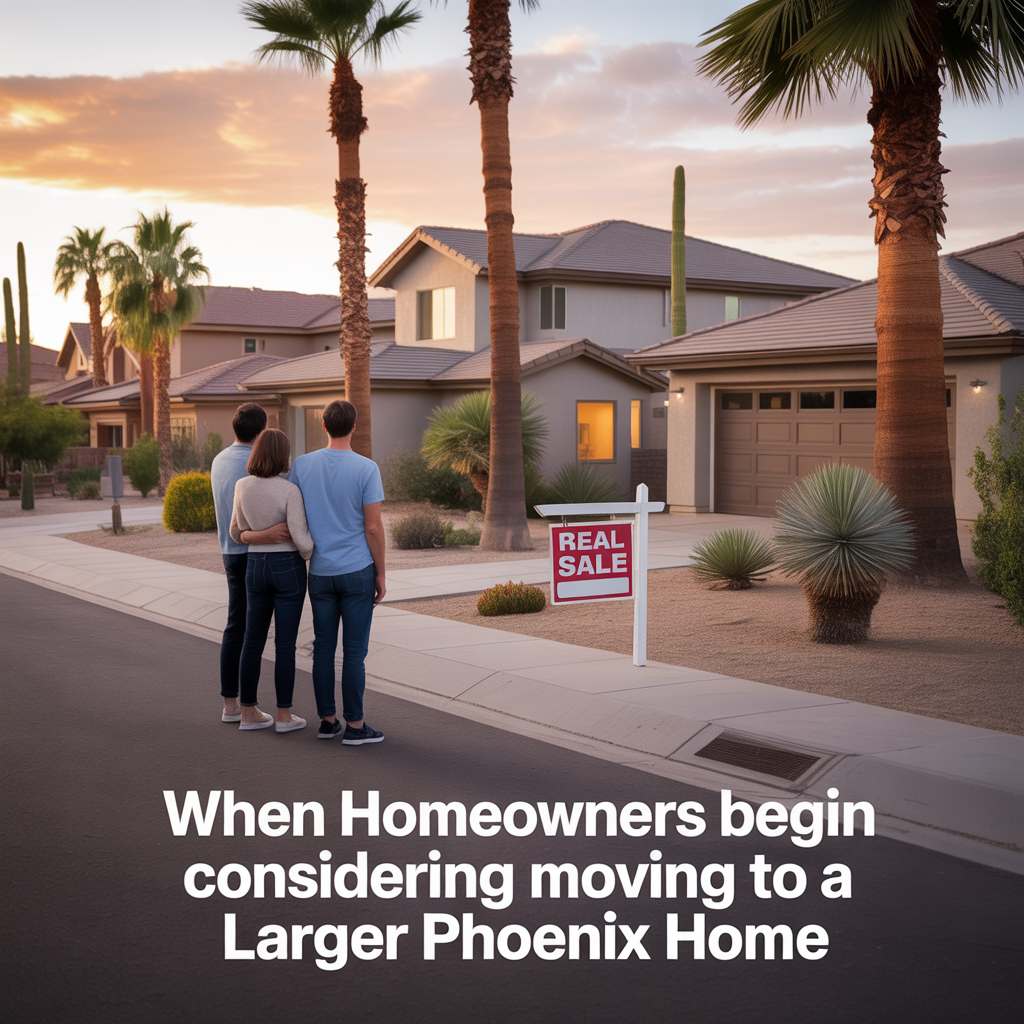
When Homeowners Begin Considering Moving to a Larger Phoenix Home
-

Signs Your Phoenix Home Is Starting to Feel Too Small for Your Family
-

How Desert Landscaping Evolves Over Years of Phoenix Homeownership