


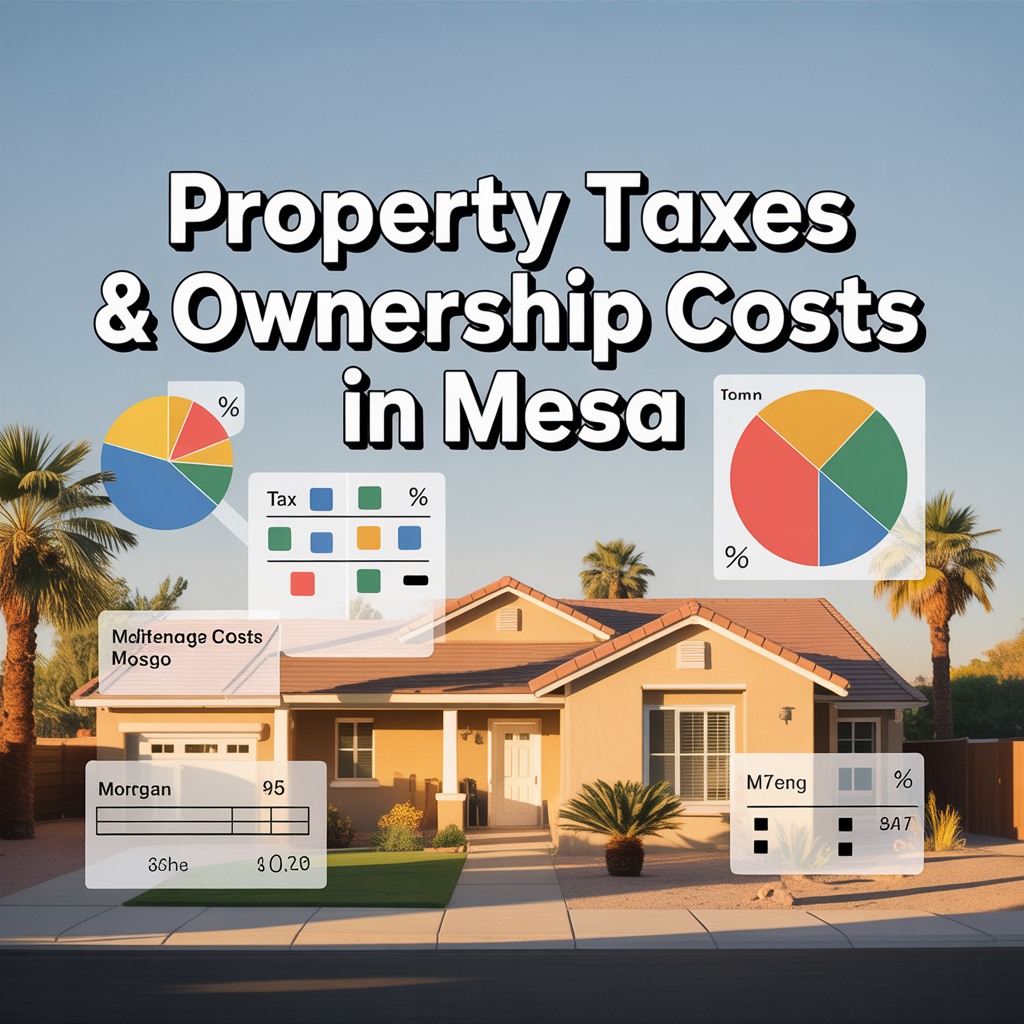
Mesa Lifestyle Guide → [Mesa Lifestyle Guide] & For more info on Mesa Real Estate → [Mesa Real Estate Guide]
Written by: Renee Burke
Mesa’s appeal as a place to put down roots often comes down to the numbers—especially when you’re balancing a mortgage with everything else life brings. Property taxes and ownership costs here are refreshingly straightforward and manageable, especially compared to other parts of the Phoenix metro. As someone who’s helped countless families crunch these figures, I can assure you they won’t keep you up at night, but understanding them will give you peace of mind.
Let’s walk through it step by step, focusing on what really matters for Mesa homeowners.
Property Tax Basics in Mesa
Mesa sits in Maricopa County, where property taxes fund our excellent schools, parks, roads, and public safety—essentials that make East Valley living so reliable. The median effective property tax rate here hovers around 0.49% of a home’s assessed value, well below the national average of about 1.02%. For a typical Mesa home valued at $304,700, that translates to an annual tax bill of roughly $1,448—manageable, and often lower than what folks expect when they move from out of state.
Taxes are calculated on the assessed value, which is usually 10% of the market value thanks to Arizona’s low assessment ratio. Multiple taxing districts layer on—city, county, school, and special districts like community college or fire—but the total stays reasonable. Rates can vary slightly by neighborhood; for instance, zip code 85212 (near Eastmark) sees medians around $2,485 due to higher home values, while 85210 stays closer to $846.
What reassures buyers is the predictability. Notices come in February, payments are due twice a year (October and March), and online tools from the Maricopa County Treasurer make it simple. No surprises if you stay on top of it.
Variations Across Mesa Neighborhoods
Taxes aren’t uniform, which is why location matters in your budget planning. Older west Mesa areas like 85204 or 85210 benefit from lower median home values ($317,700 and $302,300), keeping bills around $1,000–$1,500. Newer eastside spots like 85212 push toward $2,500+ because values climb to $461,600, but those higher taxes support premium schools and infrastructure growth.
Here’s a quick snapshot of median annual tax bills by key Mesa zips:
| ZIP Code | Median Home Value | Median Tax Bill | Effective Rate |
|---|---|---|---|
| 85201 | $300,800 | $860 | 0.28% |
| 85204 | $317,700 | $1,043 | ~0.33% |
| 85210 | $302,300 | $846 | ~0.28% |
| 85212 | $461,600 | $2,485 | ~0.54% |
| 85213 | $439,000 | $2,129 | ~0.48% |
These numbers reflect real data up to early 2025, with slight increases possible as values rise modestly. Neighborhoods like Dobson Ranch or Red Mountain Ranch fall in the middle, offering value without the premium.
Exemptions and Relief Opportunities
Arizona shines for homeowners with targeted relief. The biggest is the Senior Freeze for those 65+, freezing taxes at a base year amount if income qualifies—huge for long-term Mesa retirees enjoying our mild winters. Widows/widowers and disabled veterans get similar breaks, dropping effective rates even lower.
Everyone benefits from the owner-occupied exemption, reducing assessed value further. I always guide clients to apply early through the Maricopa Assessor’s office; it’s straightforward and can shave hundreds off your bill. Protesting an assessment? Common here—about 10-15% success rate if values seem off, especially post-remodel or in cooling markets.
Beyond Taxes: Full Ownership Costs
Property taxes are just one piece; smart budgeting looks at the whole picture. HOA fees in newer communities (Eastmark, Mulberry) run $100–$300/month for pools and landscaping, but older no-HOA spots like Lehi or central Mesa keep it at zero [conversation context]. Utilities average $250–$350/month, lower in energy-efficient new builds (solar preps help) but higher for older homes without updates.
Maintenance is key in our desert climate: $1–$2 per square foot annually covers AC tune-ups ($300–500), pool service ($100/month if you have one), and yard care. Insurance runs $1,200–$2,000/year, spiking near wildfire zones like Desert Uplands but stable elsewhere. For a $400,000 home, total non-mortgage ownership might hit $8,000–$12,000 yearly—about 2–3% of value, far below coastal markets.
Budgeting for Long-Term Ownership
Buyers often fear escalating costs, but Mesa’s stable taxes (capped by state law at 1% annual growth without voter approval) ease that. Appreciation here averages 4–6% yearly, outpacing tax hikes, so equity builds steadily. For investors or multi-gen families, factor in rental potential—eastside taxes support strong cap rates.
Common worry: “Will taxes double if values soar?” Not likely; assessments lag market shifts, and relief programs protect most. Compare to Maricopa County’s 0.40% effective rate overall, and Mesa feels like a sweet spot.
Hidden Savings and Smart Strategies
To keep costs low: Opt for solar (federal credits plus utility rebates cut bills 50–70%). Bundle insurance. Appeal assessments annually—worth the hour. In older neighborhoods, renovation loans can offset upfront fixes while boosting value faster than taxes rise.
For families, top-rated schools (like in The Groves) justify eastside premiums, but west Mesa offers similar quality at half the tax load. It’s about aligning costs with your lifestyle—space in Lehi or walkability in Dobson Ranch.
Making Ownership Feel Effortless
Owning in Mesa means costs that support your life, not strain it. These neighborhoods—from quiet Desert Uplands to vibrant Mulberry—deliver value that lasts, with taxes and expenses that let you focus on sunsets and neighbors, not spreadsheets.
If you’re thinking about making a move in Mesa, you don’t have to figure it out alone. Let’s sit down with your numbers, map out a budget tailored to your dreams, and ensure every dollar works as hard as you do. I’m here as your East Valley guide, ready to make homeownership feel simple, secure, and right.
Get the full Phoenix Market Insights → [Market Insights]


-
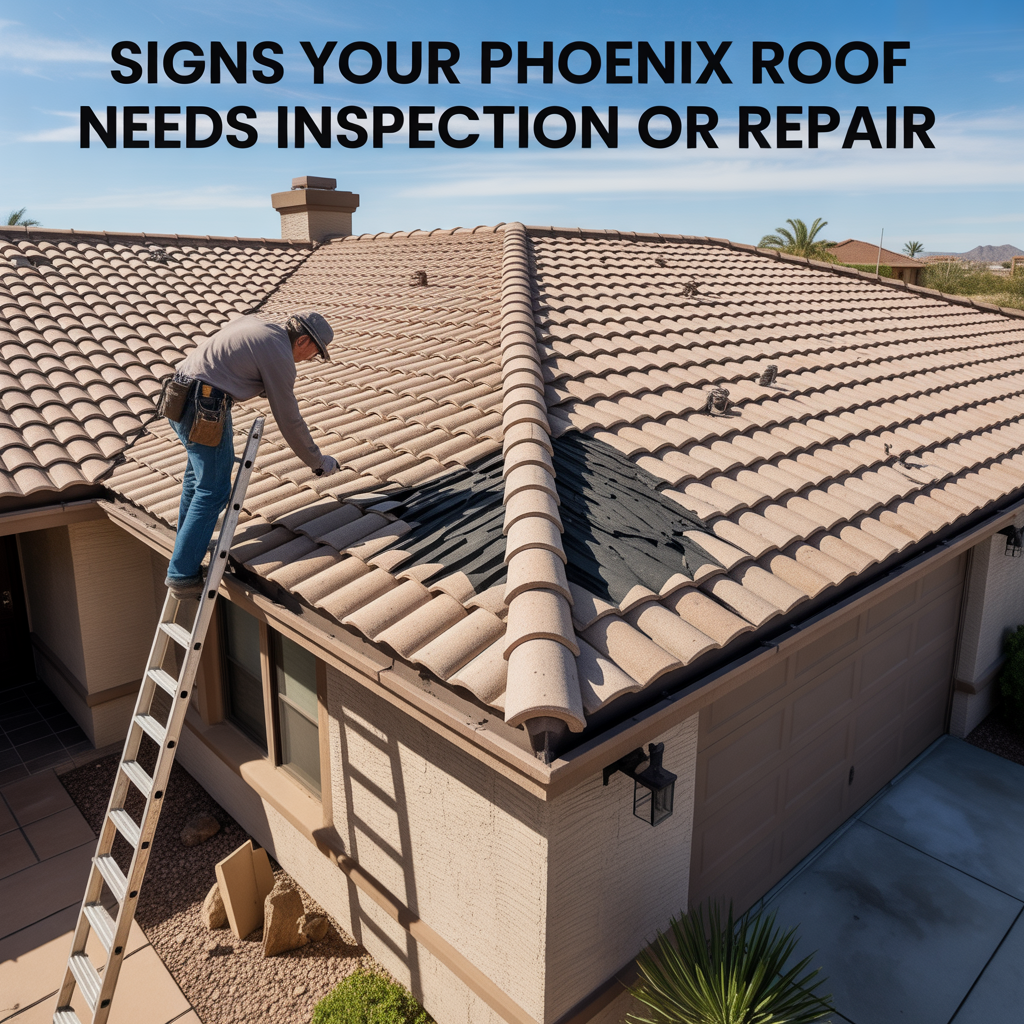
Signs Your Phoenix Roof Needs Inspection or Repair
-
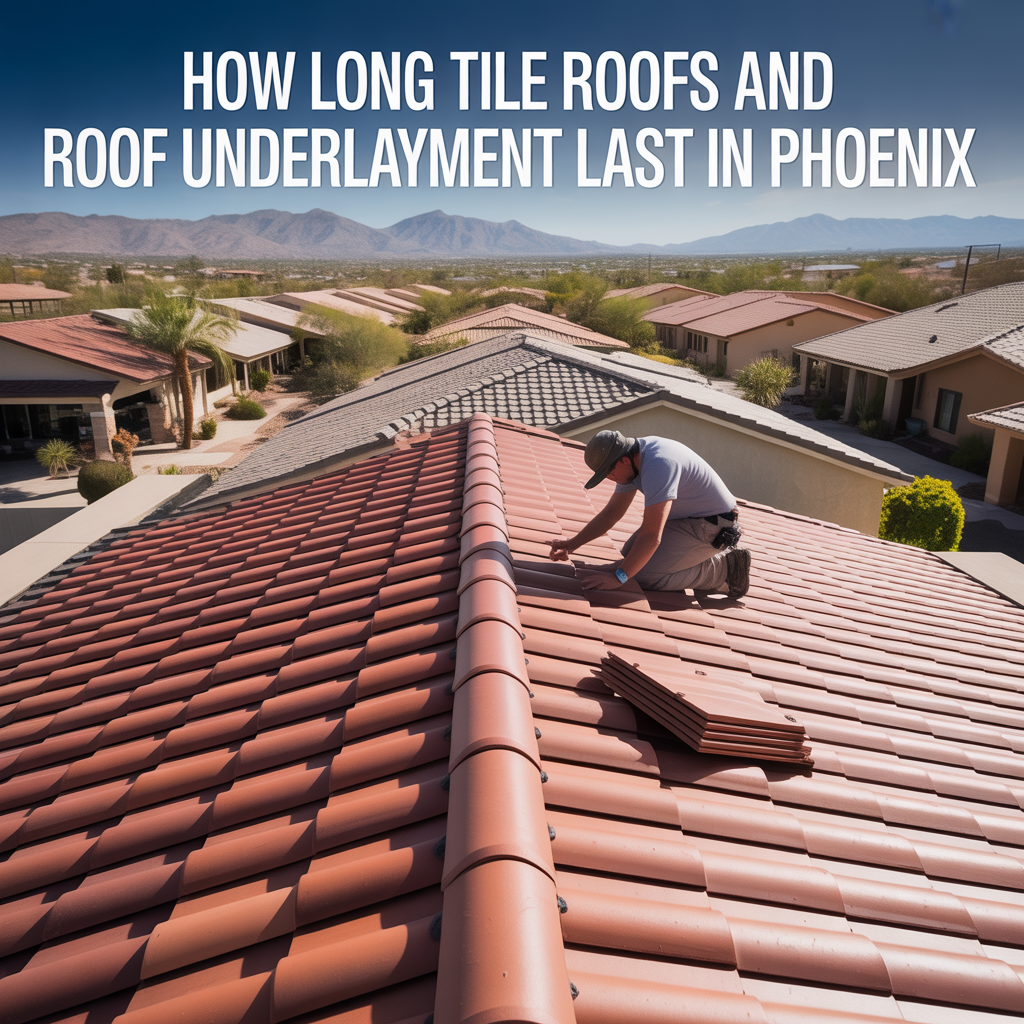
How Long Tile Roofs and Roof Underlayment Last in Phoenix
-

How Smart Thermostats Improve Cooling Efficiency in Arizona Homes
-

Why AC Systems Struggle During Extreme Phoenix Heat Waves
-
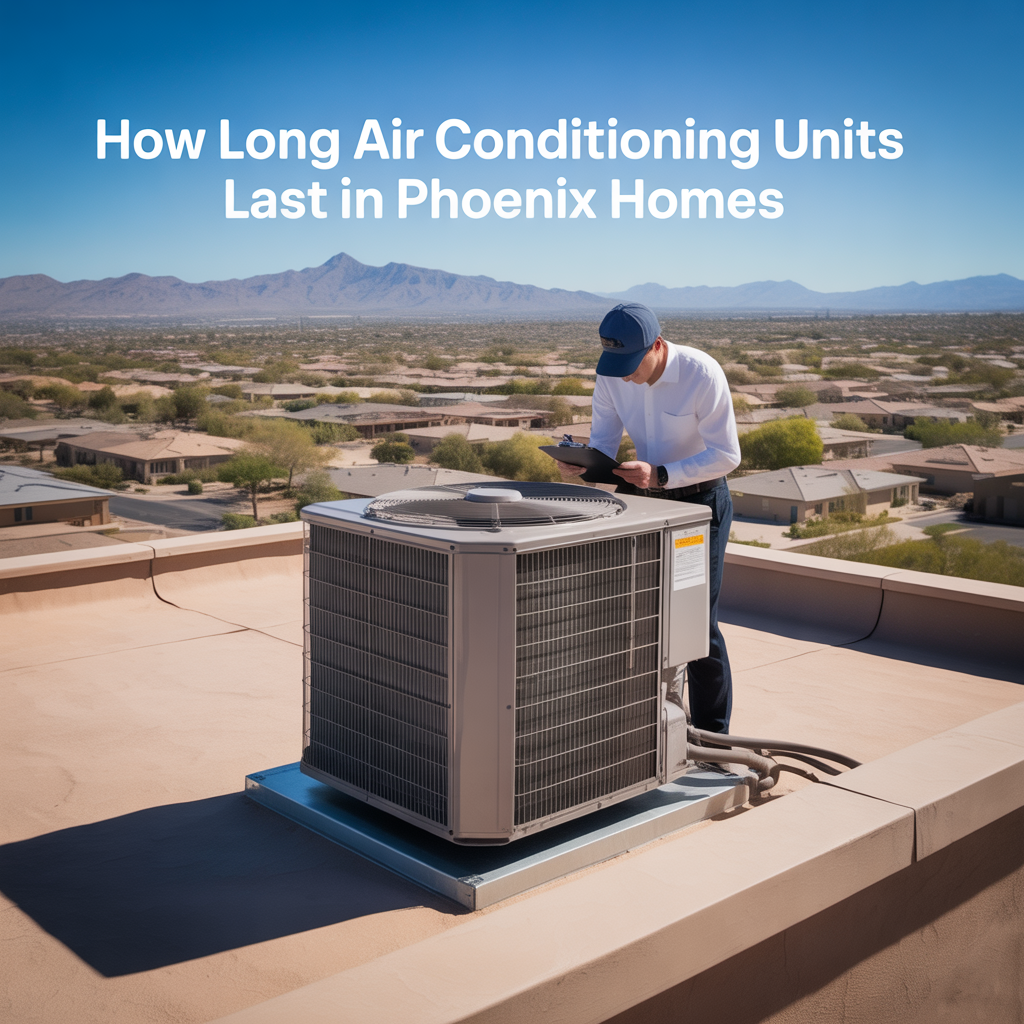
How Long Air Conditioning Units Last in Phoenix Homes
-

Warning Signs Your Air Conditioner Is About to Fail
-

How Often Phoenix AC Systems Need Maintenance
-
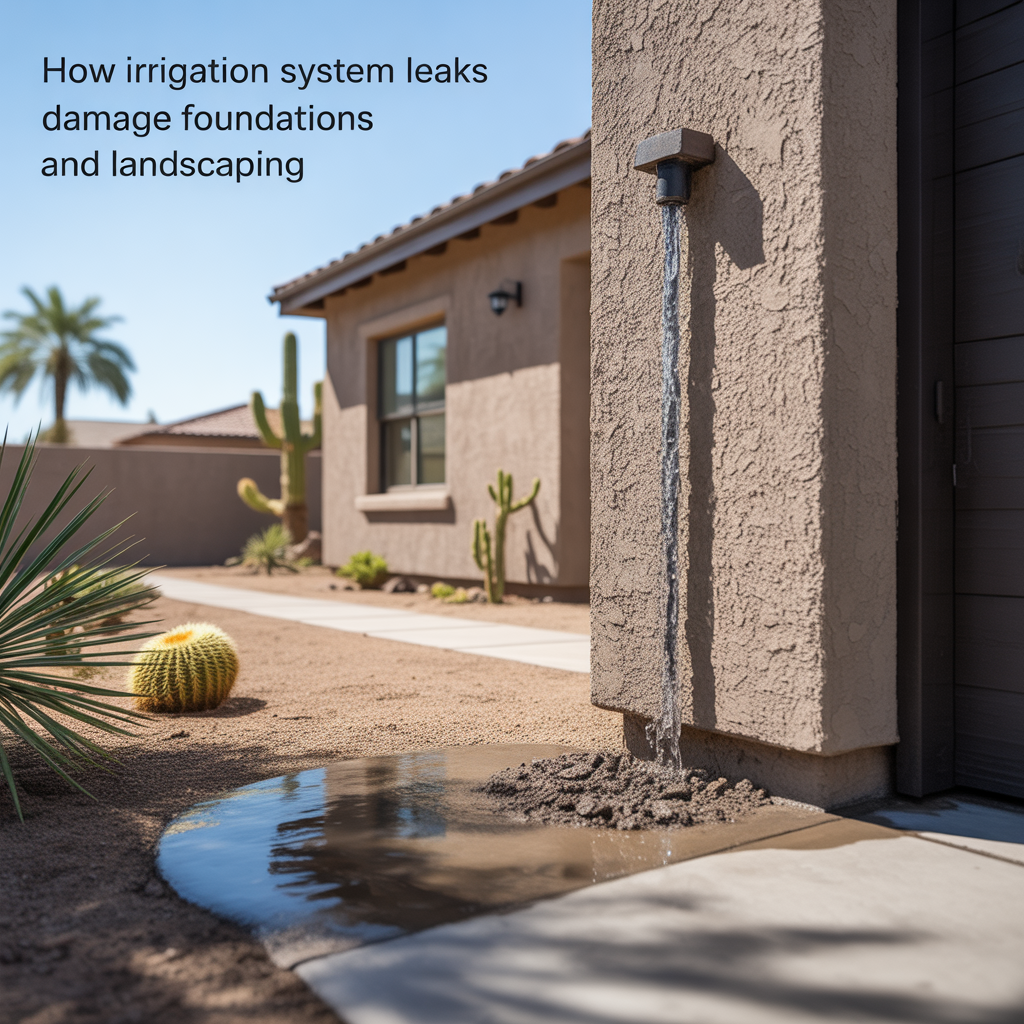
How Irrigation System Leaks Damage Foundations and Landscaping
-

Preventing Roof Damage Before Arizona Monsoon Storms
-
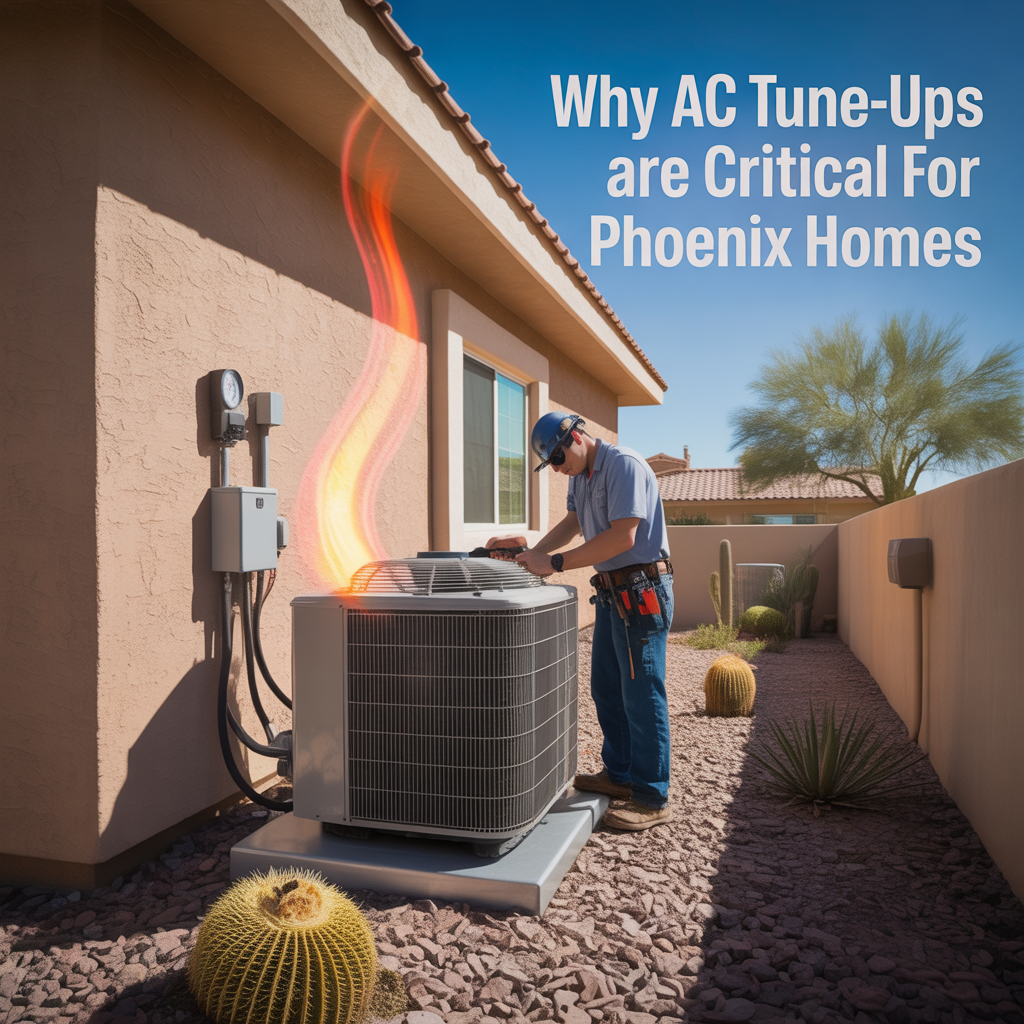
Why AC Tune-Ups Are Critical for Phoenix Homes
-
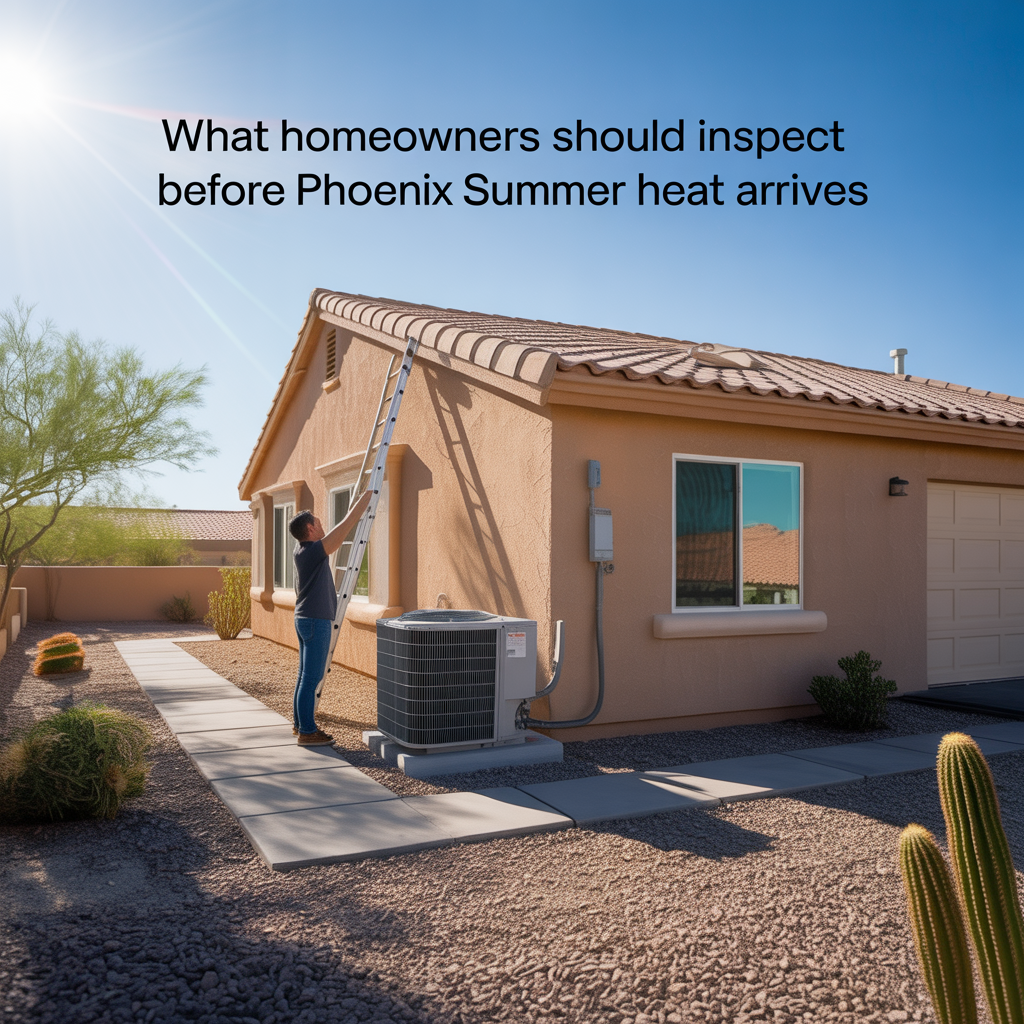
What Homeowners Should Inspect Before Phoenix Summer Heat Arrives
-
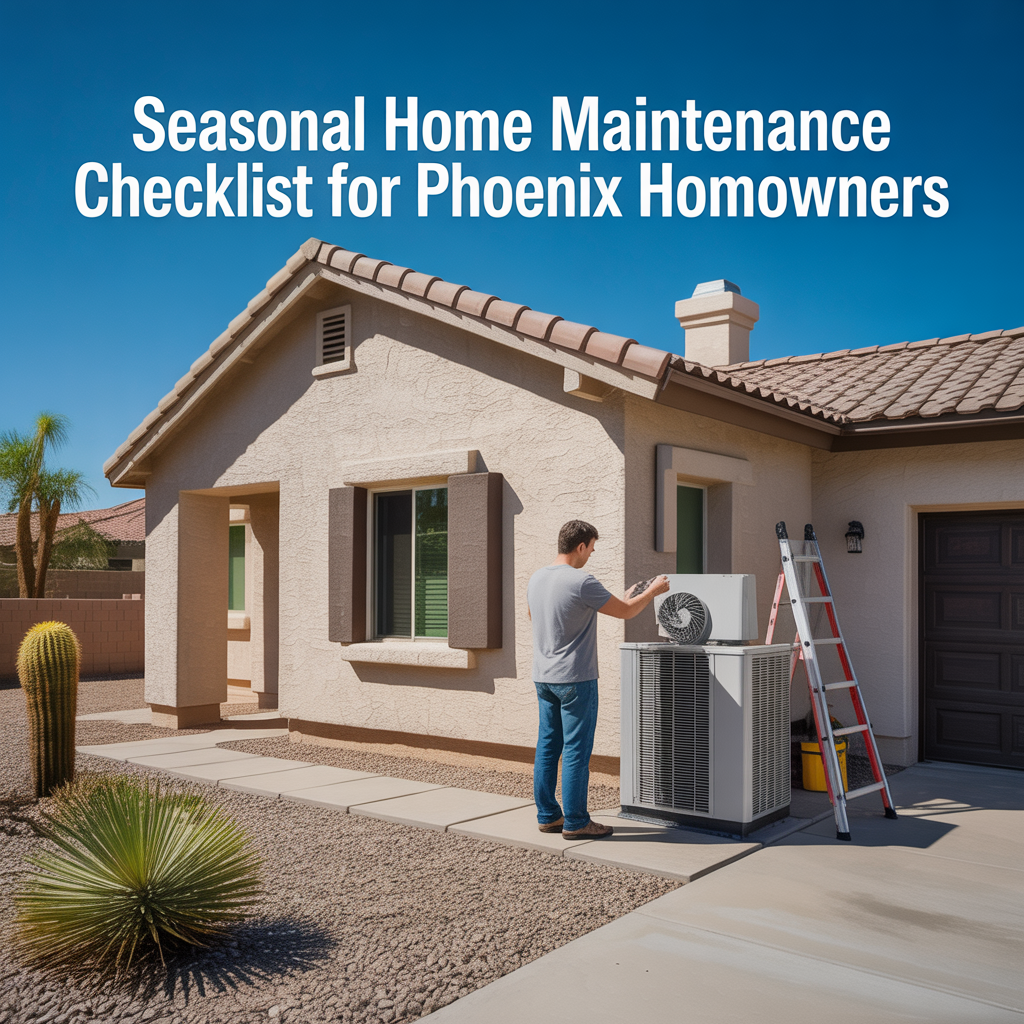
Seasonal Home Maintenance Checklist for Phoenix Homeowners
-
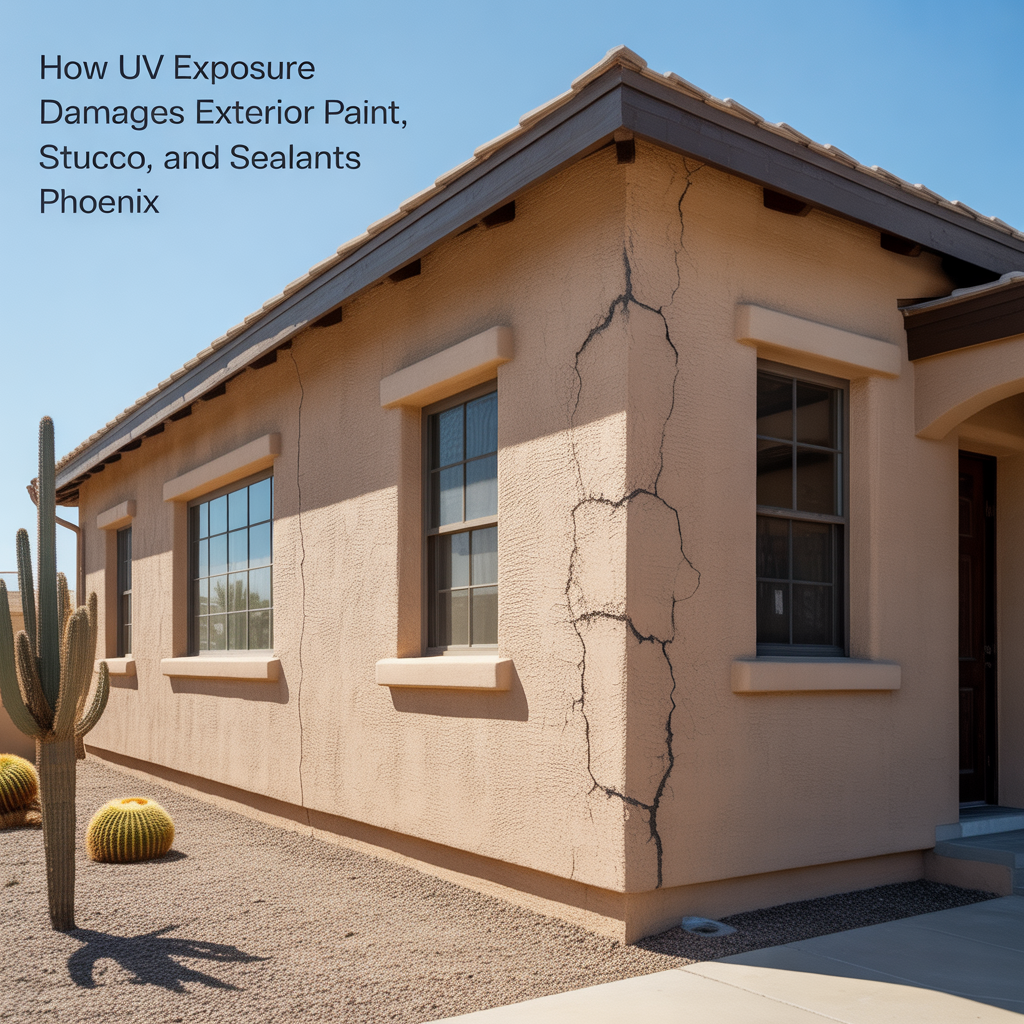
How UV Exposure Damages Exterior Paint, Stucco, and Sealants
-

How Extreme Heat Shortens the Lifespan of Home Systems
-

Why Phoenix Roofs Wear Out Faster Than Many Other Cities
-
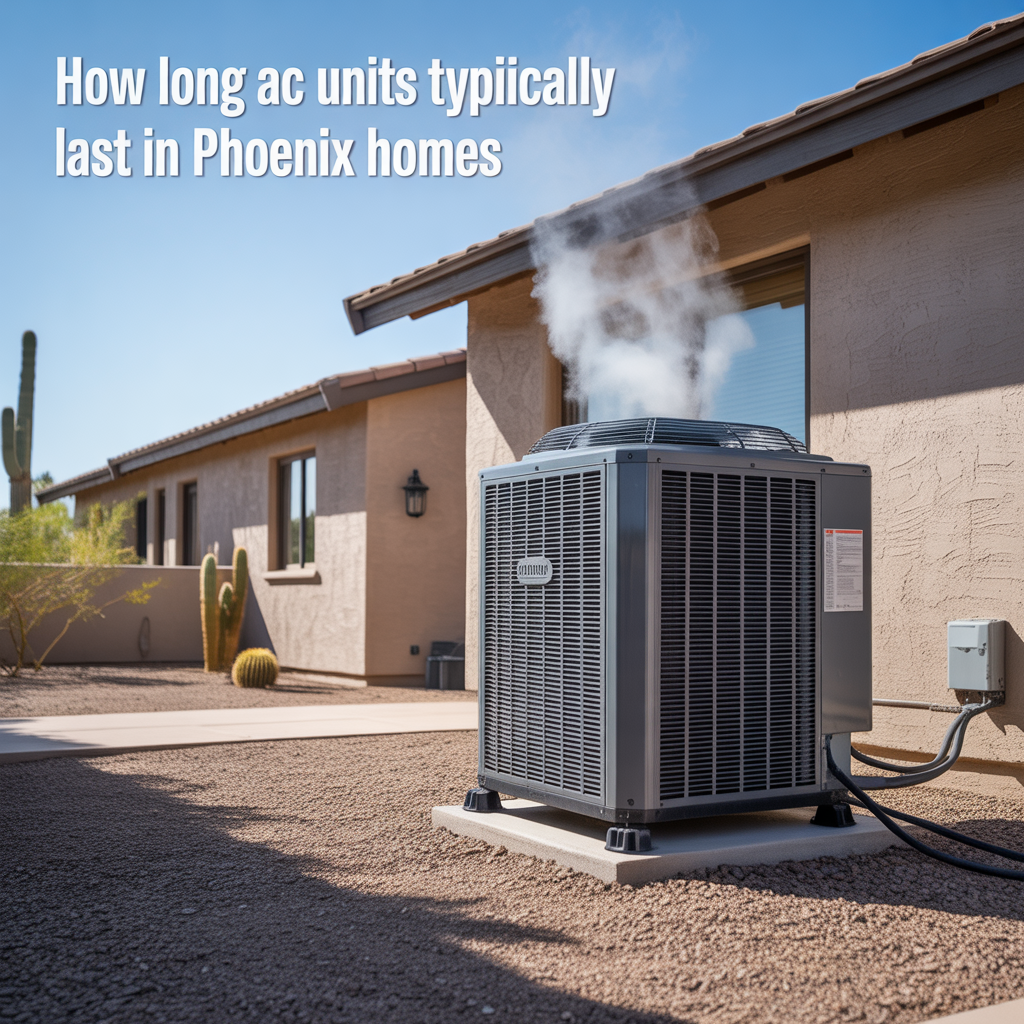
How Long AC Units Typically Last in Phoenix Homes
-

Building a Long-Term Protection Strategy
-
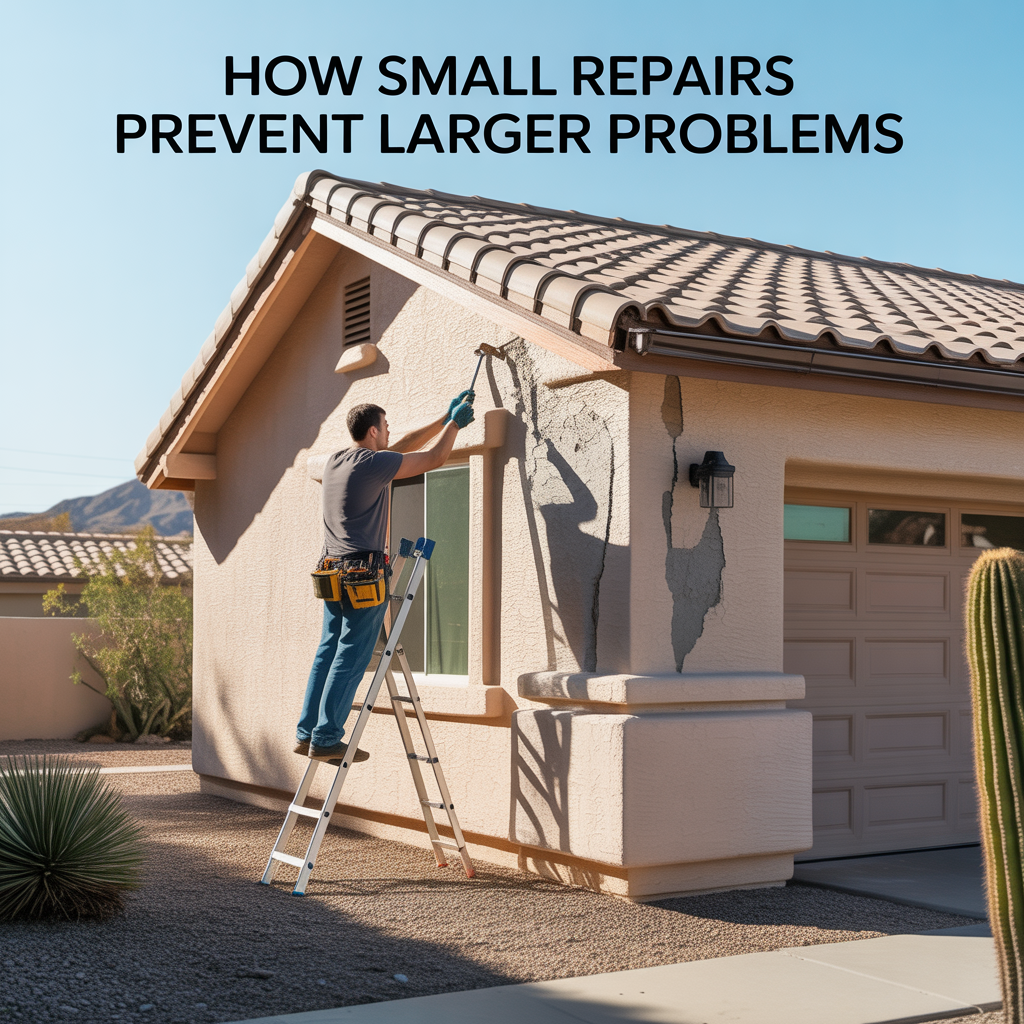
How Small Repairs Prevent Larger Problems
-

Protecting Older Phoenix Homes
-
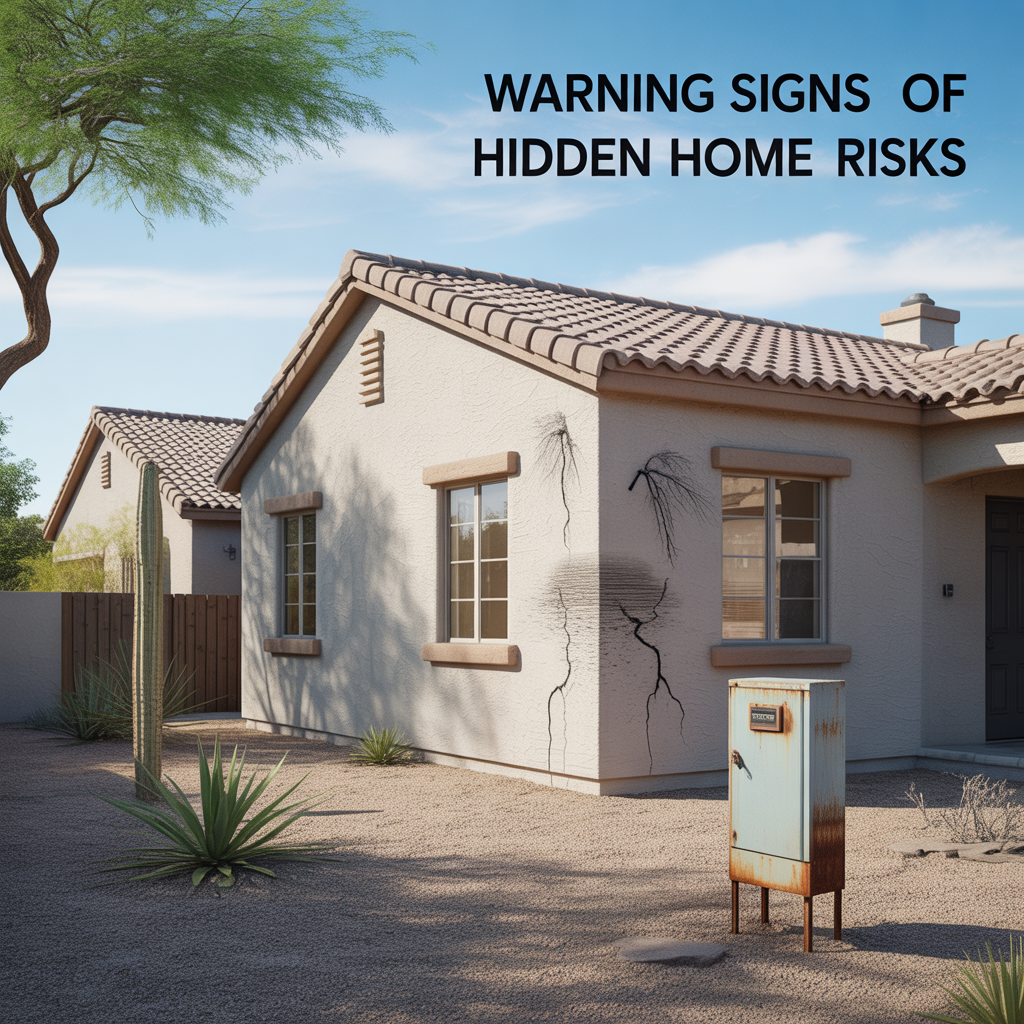
Warning Signs of Hidden Home Risks
-

Preventative Maintenance That Reduces Insurance Claims
-

Reducing Liability Exposure Around Your Property
-

Liability Coverage Limits Explained
-

When Umbrella Insurance Makes Sense
-

Protecting Yourself From Guest Injury Claims