



Mesa Lifestyle Guide → [Mesa Lifestyle Guide] & For more info on Mesa Real Estate → [Mesa Real Estate Guide]
Written by: Renee Burke
When you’re packing for a family trip or heading out for an early flight, one of the first questions that comes up in Mesa is how long it really takes to get to Phoenix Sky Harbor Airport — that bustling hub just west of us where most East Valley folks catch their planes. It’s not just about the miles on the map; it’s about the time of day, the route you choose, and those little realities like school traffic or a random monsoon shower that can turn a 20-minute promise into a 45-minute lesson in patience. Over the years, I’ve driven these roads with families during home tours, timing trips from every corner of Mesa to Sky Harbor, helping them see how proximity and patterns make all the difference in feeling connected to the bigger world without the stress.
Sky Harbor sits about 15-25 miles west of most Mesa neighborhoods, depending on where you start — close enough for quick getaways, far enough that peaks matter. Off-peak, you’re looking at 20-30 minutes door-to-door; rush hours stretch it to 35-55 minutes with real-world variables like construction, wrecks, or Cubs games at Sloan Park spilling onto Power Road. No fancy apps needed here — these are the honest averages from daily drivers, factoring in gas stops, kid meltdowns, and that last-minute coffee run. Let’s break it down by key Mesa areas, route by route, so you can picture your morning departure feeling calm and on time, whether you’re in a downtown loft or an Eastmark townhome.
From Downtown Mesa and Fiesta District: The Urban Quick Hop (20-40 Minutes)
Living downtown or in the Fiesta District puts you closest to Sky Harbor in straight-line distance — about 12-15 miles via Main Street west to US-60 or University Drive to Loop 202. Off-peak mornings (before 6:30 a.m. or after 9 a.m.), it’s a breezy 20-25 minutes: hop onto US-60 west at Dobson Road, cruise past Tempe to the 143 Airport exit, and you’re circling terminals by 7 a.m. Families love this for early Allegiant flights out of Gateway (ironically 25 minutes east), but Sky Harbor’s Delta or Southwest hops feel like a neighborhood jaunt.
Rush hour realities (6:30-9 a.m. westbound) bump it to 30-40 minutes as US-60 slows at Val Vista and Alma School ramps — Riverview Park joggers and school shuttles merge in, but Main Street’s grid offers a surface-street dodge via Southern Avenue (adds 5 minutes, skips freeway crawl). Afternoons (3-6 p.m.) reverse smoother eastbound, but evening flights risk Sloan Park tailgaters on Power. Weekends? 22 minutes flat, perfect for grandma’s Phoenix visit. Park at the Arts Center garage pre-trip for stress-free coffee at Cartel Roasting — total door-to-plane under 45 minutes with kids.
Tradeoffs here shine urban: walkable tacos post-return, but plane noise faint from takeoffs (mostly daytime).
From Dobson Ranch and Superstition Springs: Central Convenience (25-45 Minutes)
Central Mesa’s heart — Dobson Ranch to Superstition Springs — averages 18-22 miles to Sky Harbor via US-60 west, making it the sweet spot for balanced access. Best-case off-peak: 25-30 minutes, entering US-60 at Alma School or Dobson ramps, smooth sail past Tempe to the 143 exit. Mornings before 6 a.m. from a Brisas Elementary feeder home feel effortless — drop coffee at Kneaders, arrive by 6:45 a.m. for 8 a.m. flights.
Peak mornings (7-8:30 a.m.) stretch to 35-45 minutes as westbound US-60 bottlenecks at Val Vista (Riverview traffic piles on), but Meridian Road south to Loop 202 shaves 10 minutes (total 30-38). Evenings post-Skyline High pickup (4-6 p.m.) flow better eastbound, but afternoon flights risk 40 minutes if Chandler shoppers join. Families bundle it smart: Target diapers en route home, total trip under an hour with buffer.
Weekends dip to 25 minutes, monsoon rains adding 10-15 (wipers on). Proximity to Superstition Springs Center means quick post-flight groceries — ranches here ($400K) balance airport ease with park picnics.
From Eastmark and Cadence: The Eastern Edge (30-50 Minutes)
Eastmark’s master-planned charm sits 22-28 miles from Sky Harbor, routing via Power Road south 3 minutes to Loop 202 west — off-peak a steady 30-35 minutes, gliding past Higley with lake views calming kids. Early mornings (5:30-6:30 a.m.) hit 28 minutes door-to-plane, perfect BASIS drop-offs then flights.
Rush westbound (6:30-9 a.m.) climbs to 40-50 minutes as Loop 202 slows at Ellsworth/Power merges (Eastmark commuters outbound), but Williams Field Road local lanes parallel (adds 5 minutes, skips toll). Afternoons reverse faster (30-40 minutes east from airport), post-Glasshouse dinners flowing home. Gateway Airport tempts as alternative (10 minutes north), but Sky Harbor’s options win for families.
Weekends 32 minutes, summer heat pushing AC pre-cool. Eastmark walkability offsets drives — Audain Park mornings free up airport days.
From Red Mountain Ranch, Las Sendas, and Northeast: Mountain Gateway (35-55 Minutes)
Northeast Mesa’s elevated enclaves average 25-32 miles via Ellsworth south to US-60/Loop 202 west — off-peak 35-40 minutes, dawn Usery hikes blending into drives. Early birds (5-6:30 a.m.) glide 33 minutes, Zaharis drop-offs seamless.
Morning peaks (7-8:30 a.m.) push 45-55 minutes — Ellsworth south clogs to US-60 Val Vista, Apache Trail wrecks adding 15. Signal Butte to Power offers reverse relief (faster east to Gateway, 12 minutes). Evenings post-Red Mountain High (4-6 p.m.) ease 38-45 minutes homeward. Families time hikes pre-commute, sunset benches rewarding waits.
Weekends 35 minutes, monsoons slowing Apache curves. Gated views soothe longer hauls — $550K estates feel worlds away from terminals.
Gateway Airport Alternative: The East Valley Ace (10-20 Minutes Local)
Phoenix-Mesa Gateway (AZA) changes everything east — Eastmark 8-12 minutes north on Power, northeast 12-15 via Ellsworth. Allegiant domestics and cargo keep it growing, noise daytime-faint. Sky Harbor remains king for international/hubs, but Gateway saves hours for Florida beach runs.
Real-world averages (AZ511, Waze data): 20% buffer peaks, 10% rain/construction. Test via Google Maps live.
| Starting Area | Off-Peak Time | Peak AM (West) | Peak PM (East) | Best Route |
|---|---|---|---|---|
| Downtown/Fiesta | 20-25 min | 30-40 min | 25-35 min | US-60 W / Main |
| Dobson/Superstition | 25-30 min | 35-45 min | 28-38 min | US-60 W / Alma |
| Eastmark/Cadence | 30-35 min | 40-50 min | 30-40 min | Loop 202 W / Power |
| NE (Las Sendas) | 35-40 min | 45-55 min | 35-45 min | Ellsworth S / US-60 |
Why Drive Times Matter for East Valley Life
Sky Harbor proximity weaves into routines — downtown spontaneity for flights, Eastmark’s Loop 202 for balance. Growth widens SR 24 2026, shaving east times. Families plan buffers: pre-flight Riverview picnics, post-return Chiwas tacos.
Tradeoffs: Close means noise (faint), far means patience — test morning simulations.
Real times build confidence — no surprises, just smooth skies ahead. If Sky Harbor drives spark home hunt questions — routes fitting family flights — you dont have to figure it out alone. Ive timed these with families like yours, matching addresses to airports that welcome.
Reach out anytime — lets clock your perfect path. Here in the East Valley, wings wait just down the road, ready for wherever next calls.
Get the full Phoenix Market Insights → [Market Insights]


-

Signs Your Phoenix Roof Needs Inspection or Repair
-

How Long Tile Roofs and Roof Underlayment Last in Phoenix
-

How Smart Thermostats Improve Cooling Efficiency in Arizona Homes
-

Why AC Systems Struggle During Extreme Phoenix Heat Waves
-

How Long Air Conditioning Units Last in Phoenix Homes
-

Warning Signs Your Air Conditioner Is About to Fail
-

How Often Phoenix AC Systems Need Maintenance
-

How Irrigation System Leaks Damage Foundations and Landscaping
-

Preventing Roof Damage Before Arizona Monsoon Storms
-

Why AC Tune-Ups Are Critical for Phoenix Homes
-

What Homeowners Should Inspect Before Phoenix Summer Heat Arrives
-

Seasonal Home Maintenance Checklist for Phoenix Homeowners
-

How UV Exposure Damages Exterior Paint, Stucco, and Sealants
-

How Extreme Heat Shortens the Lifespan of Home Systems
-

Why Phoenix Roofs Wear Out Faster Than Many Other Cities
-
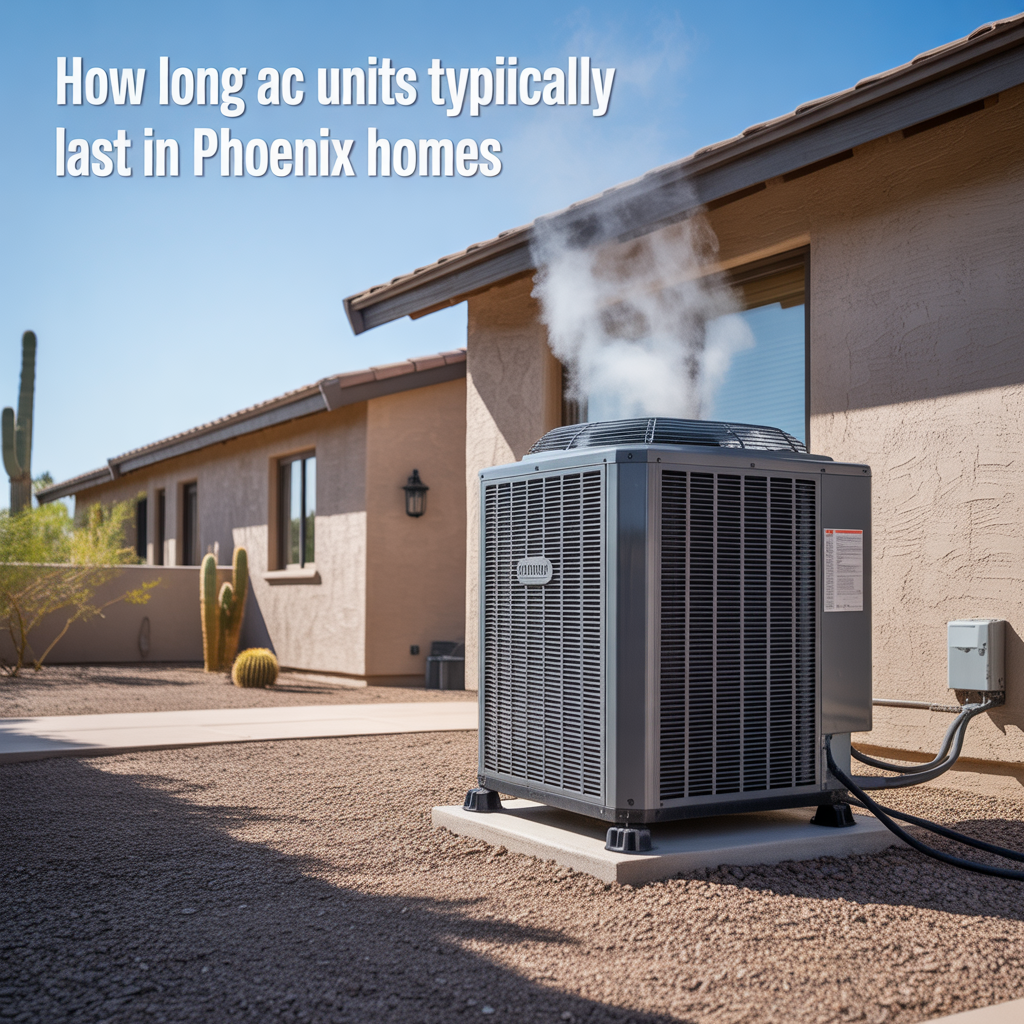
How Long AC Units Typically Last in Phoenix Homes
-

Building a Long-Term Protection Strategy
-

How Small Repairs Prevent Larger Problems
-

Protecting Older Phoenix Homes
-

Warning Signs of Hidden Home Risks
-

Preventative Maintenance That Reduces Insurance Claims
-

Reducing Liability Exposure Around Your Property
-

Liability Coverage Limits Explained
-

When Umbrella Insurance Makes Sense
-

Protecting Yourself From Guest Injury Claims