



Mesa Lifestyle Guide → [Mesa Lifestyle Guide] & For more info on Mesa Real Estate → [Mesa Real Estate Guide]
Written by: Renee Burke
First-time buyers stepping into Mesa’s market often hear about the thrill of ownership—lower entry prices, steady appreciation, state programs like Home Plus AZ—but the real tradeoff that catches them off guard is choosing between affordable character in westside neighborhoods and polished convenience in eastside new builds. You can snag a spacious ranch in Dobson Ranch for $350K–$400K with a big yard and no HOA, or pay $450K+ for a shiny Eastmark townhome with a community pool and warranties. Both build equity in our 3–6% growth market, but the lifestyle and hidden costs pull you in opposite directions, shaping years of your life in ways agents gloss over.
It’s not just about the sticker price; it’s trading freedom for ease—and many wish someone had laid it bare upfront.
Westside Value: Space and Freedom vs. Fixer Fatigue
Older west and central Mesa—think 85204 zips or near Stapley—offers first-timers larger lots (8,000+ sq ft), block construction that beats desert heat, and prices 20–30% below eastside medians. No HOA means paint your door lime green or park the RV—no fees, full control. Proximity to light rail and downtown arts means walkable errands, quick Phoenix commutes via US-60.
The tradeoff? Maintenance reality. That $375K charmer needs $5K–$10K year one: AC overhaul ($3K), roof tweaks, quirky plumbing from the ’70s. Summers spike utilities to $300/month without modern insulation. Buyers love the citrus trees and neighborly vibe initially, but tire of endless projects while eastside peers grill poolside worry-free.
Eastside New Builds: Turnkey Ease vs. Locked-In Lifestyle
Southeast havens like Eastmark, Cadence, or Mulberry deliver cookie-cutter appeal: open layouts, smart-home wiring, energy-efficient bones slashing bills 20–30%. Warranties cover big fixes; splash pads and trails mean kid entertainment included. Schools rank A+ (85212), Gateway jobs minutes away via Loop 202.
Here’s the rub: Smaller lots (4–6K sq ft), HOAs at $100–$300/month enforce uniformity—bye-bye dream shed or loud parties. Resale feels scripted; personalization costs extra with approvals. First-timers trading up later face “starter trap” stigma, where equity builds slower amid uniform supply.
The Money Tradeoff: Upfront Savings vs. Long-Term Carry
State aids like Home in Five (up to 6% DPA, forgivable for teachers/first responders) make both reachable with 3% down. Westside’s lower taxes ($1K–$1.5K/year) and no HOA stretch budgets, but surprise repairs eat reserves—plan two months’ payments extra. Eastside’s $2K+ taxes and fees inflate mortgages $200/month, yet lower utils and no fixes preserve cash flow.
Appreciation evens out (7–8% decade average), but westside flips faster for profit; eastside holds rental yields (4–6%) better.
| Tradeoff Dimension | Westside Older (e.g., Dobson Ranch) | Eastside New (e.g., Eastmark) |
|---|---|---|
| Price Entry | $350K–$400K | $450K+ |
| Lot/Space | Large, flexible | Compact, amenity-focused |
| Monthly Carry | Low HOA/tax, high maintenance | Higher fees, low fixes |
| Lifestyle | Custom, neighborly | Turnkey, community events |
| Resale | Quick flips, character premium | Steady holds, family appeal |
Lifestyle Lock-In: Adventure vs. Predictability
Westside suits tinkerers craving workshops or gardens—Lehi’s acreage calls RV lovers. But dated layouts frustrate remote workers needing offices. Eastside’s flow shines for young families—playgrounds beat solo yards—but HOA rules chafe free spirits. Commutes flip too: west zips to Tempe; east fights Power Road rush.
Nobody explains how this cements habits: westside grill masters rarely leave; eastsiders nest in bubbles.
Navigating the Choice with Clarity
First-timers thrive by test-driving both: rent west for a year, tour east HOAs. Prioritize reserves over perfection—$10K buffer trumps granite counters. Programs favor primary residences, so commit long-term.
The tradeoff builds character, literally—westside equity funds dreams; eastside ease nurtures now.
If you’re thinking about making a move in Mesa, you don’t have to figure it out alone. Let’s weigh your must-haves against these realities, finding the tradeoff that fits your life perfectly. I’m here as your East Valley guide, ready to make first-time ownership feel empowering and right.
Get the full Phoenix Market Insights → [Market Insights]


-

How the Phoenix Desert Climate Shapes Everyday Life Inside the Home
-

How Phoenix Weather Patterns Shape Everyday Home Routines
-
Why Homes Often Feel More Comfortable After the First Year of Ownership
-
How Living in Phoenix Changes the Way Homeowners Use Their Homes
-
What New Phoenix Homeowners Learn During Their First Year of Ownership
-

How Daily Life Changes After the First Year of Living in a Phoenix Home
-
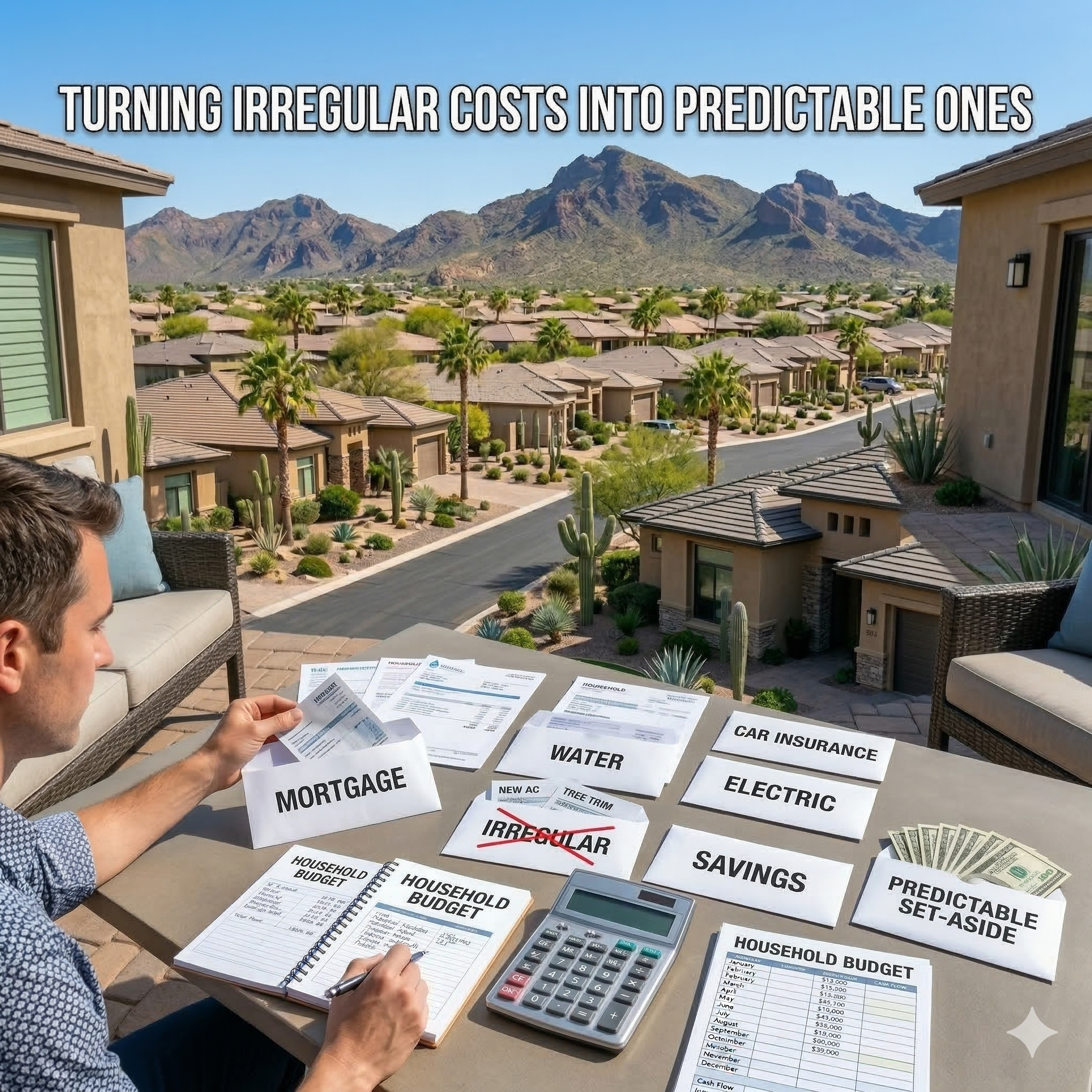
Turning Irregular Costs Into Predictable Ones
-

Budgeting for Ongoing Ownership
-
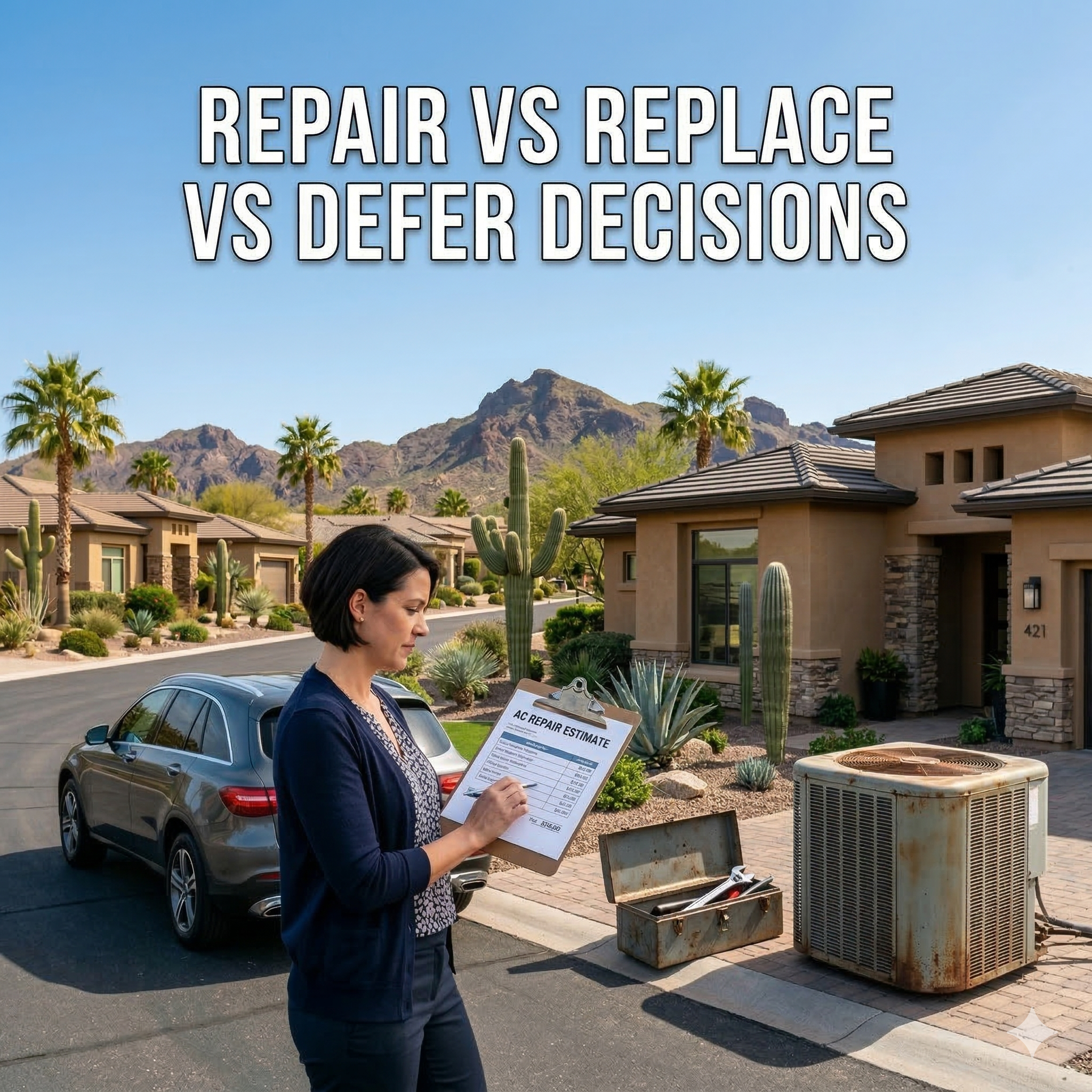
Repair vs Replace vs Defer Decisions
-

Planning Homeownership Like a Long-Term Asset
-

What Home Expenses You Can Safely Delay
-
Stopping Cost Creep Early
-

Cash Flow vs Net Worth Stress
-

Why “It’s Not That Much” Adds Up
-

Warning Signs Your Ownership Budget Is Tightening
-
The Cumulative Cost of Small Home Repairs
-
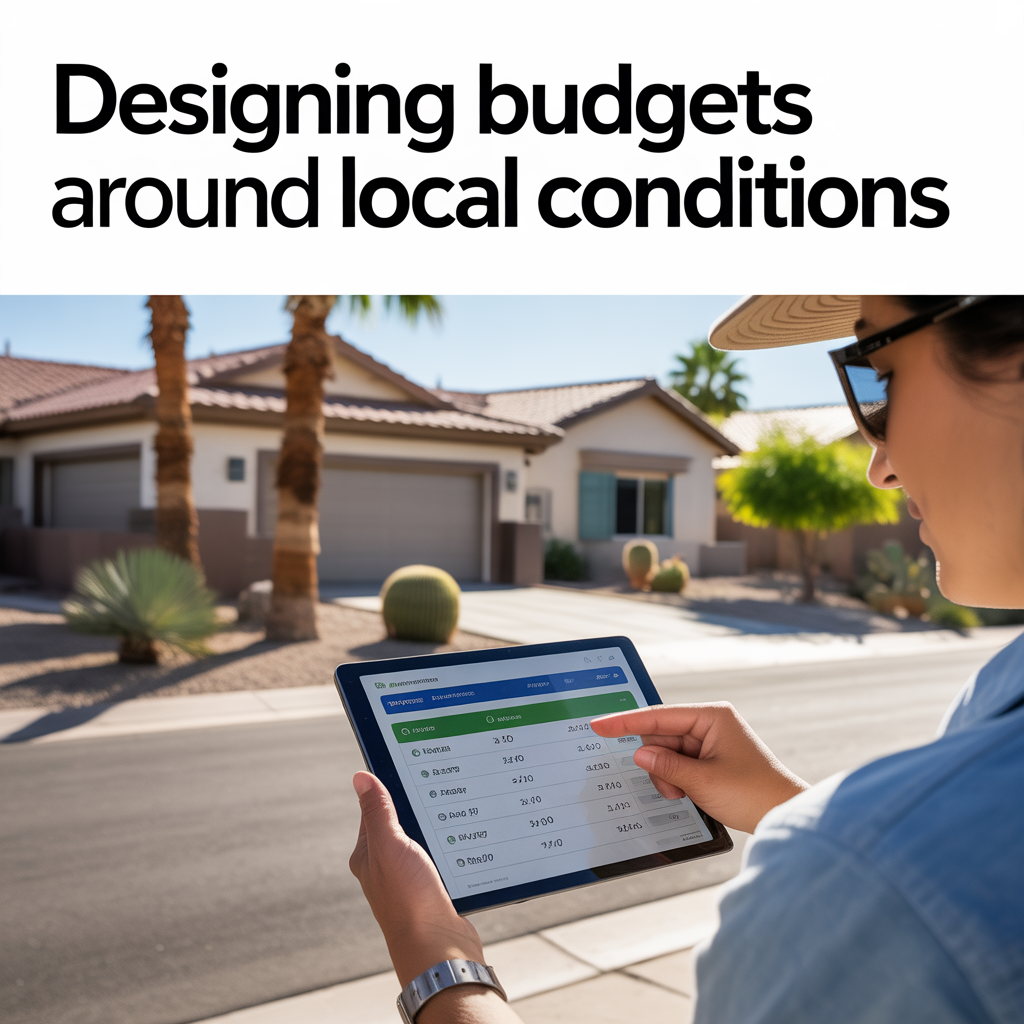
Designing Budgets Around Local Conditions
-
Utility Costs Over Time in Desert Climates
-

Insurance Increases Explained for Arizona Homeowners
-
How Inflation Impacts Phoenix Homeownership Costs
-

Avoiding Debt-Driven Homeownership Decisions
-

Replacing Systems on Your Timeline
-

Why Emergency Repairs Cost More
-

Timing Major Expenses Without Financial Shock
-
How Much to Keep in a Phoenix Home Reserve Fund