



Mesa Lifestyle Guide → [Mesa Lifestyle Guide] & For more info on Mesa Real Estate → [Mesa Real Estate Guide]
Written by: Renee Burke
Luxury homes in Mesa carry such promise—those sprawling estates in Desert Uplands or golf-adjacent retreats in Red Mountain Ranch often tempt owners to pour their hearts (and budgets) into upgrades that feel perfect in the moment. But there’s a quiet risk lurking in that impulse: over-improving, where you invest more than the market—or your neighborhood—can support. It’s not about regret for your own joy; it’s about resale reality, where a dream kitchen worth $200,000 might only lift your home’s value by $50,000. I’ve walked families through this gentle heartbreak more times than I’d like, and understanding it upfront can save so much stress.
Let’s unpack this thoughtfully, tying back to our talks on luxury appreciation, neighborhood value, and long-term holds.
What Over-Improvement Really Means Here
In Mesa’s luxury tier ($800K+), over-improving happens when upgrades exceed neighborhood comps—the “most expensive house on the block” trap. Picture sinking $150,000 into a resort-style pool and outdoor kitchen in The Groves, only to find similar homes sold recently for $1.1M without those features. Buyers hesitate: “Why pay a premium when the house next door offers 90% of the luxury for less?” Appraisers cap value at area norms, leaving you upside down at sale.
This differs from median homes, where kitchens recoup 60–80%. Luxury buyers expect high-end already; exotic touches like a home theater for your film collection or marble imported from Italy scream “personal taste,” not broad appeal. In eastside master-plans, HOA guidelines amplify it—non-compliant upgrades (think unapproved pavilions) must be ripped out, erasing ROI entirely.
Neighborhood-Specific Pitfalls
Mesa’s luxury pockets appreciate differently, so risks vary. Northeast havens like Desert Uplands reward custom patios blending into desert views (5–8% uplift), but overbuild with a four-car garage plus casita, and you outpace comps averaging $1.2M–$1.5M. Red Mountain Ranch buyers crave golf serenity; a $300K smart-home overhaul shines if subtle, flops if flashy amid $900K–$1.2M peers.
Eastmark’s polished new luxury tolerates less: over-improved spec homes sit longer, as buyers favor builder warranties over owner quirks. Westside gems like renovated Dobson Ranch ranches risk less (broader comps), but pushing into true luxury blurs lines—$800K upgrades on a $500K base rarely pencil out.
Common thread: Mesa’s steady 3–6% growth rewards functional luxury (energy-efficient AC, solar)—not excess that spikes ownership costs like taxes (0.49% rate on bloated assessments) or insurance ($3K–$5K/year for elaborate setups).
Financial and Emotional Toll
The numbers sting: national data shows pools recoup 40–50% here, home theaters 30–40%, versus 70% for minor kitchens. Over-improving erodes equity—say you drop $250K on a Lehi equestrian estate; comps cap uplift at $100K, plus 6–9% selling costs mean net loss. Unpermitted work (electrical for that wine cellar) triggers fines or disclosure nightmares, stalling sales in our 50–60 DOM luxury market.
Emotionally, it’s tougher: that custom space you adore becomes a resale anchor, forcing price cuts or rental pivots. I’ve seen owners hold too long, watching neighbors appreciate freely while theirs lags.
| Upgrade Type | Typical Cost | Recoup % in Mesa Luxury | Risk Level | Safer Alternative |
|---|---|---|---|---|
| Gourmet Kitchen | $100K–$200K | 50–70% | Medium | Quartz + Pro Appliances |
| Pool/Spa Oasis | $150K+ | 40–60% | High | Simple Heated Pool |
| Home Theater | $75K–$150K | 30–50% | Very High | Flex Media Room |
| Outdoor Kitchen | $100K | 50–65% | Medium | Built-in Grill Setup |
| Full Smart Home | $50K–$100K | 60–80% | Low | Zoned HVAC + Solar |
Spotting and Sidestepping the Trap
Before dreaming big, comp check: What sold nearby last 6 months? Aim upgrades to 10–15% above neighborhood median—$1.3M max in $1.1M Desert Uplands. Hire pros familiar with luxury ROI (not cheapest bids); they flag code/HOA snags early. Permits always—Maricopa skips none. Budget 20% contingency for desert surprises like rock-hard soil.
Prioritize timeless: Our sun demands UV-resistant stone, heat-beating insulation. Niche passions (salad greenhouse)? Keep portable. Consult appraisers pre-project for value caps.
Balanced Beauty Wins in Mesa
Over-improving tempts because luxury feels limitless, but Mesa rewards harmony—enhance what buyers already love (views, space, efficiency) without outshining peers. Your home stays a joy to own, easy to pass on.
If you’re thinking about making a move in Mesa—or refining a luxury gem—you don’t have to figure it out alone. Let’s review your vision against real comps, ensuring every dollar builds value, not risk. I’m here as your East Valley guide, ready to nurture your dreams wisely.
Get the full Phoenix Market Insights → [Market Insights]


-
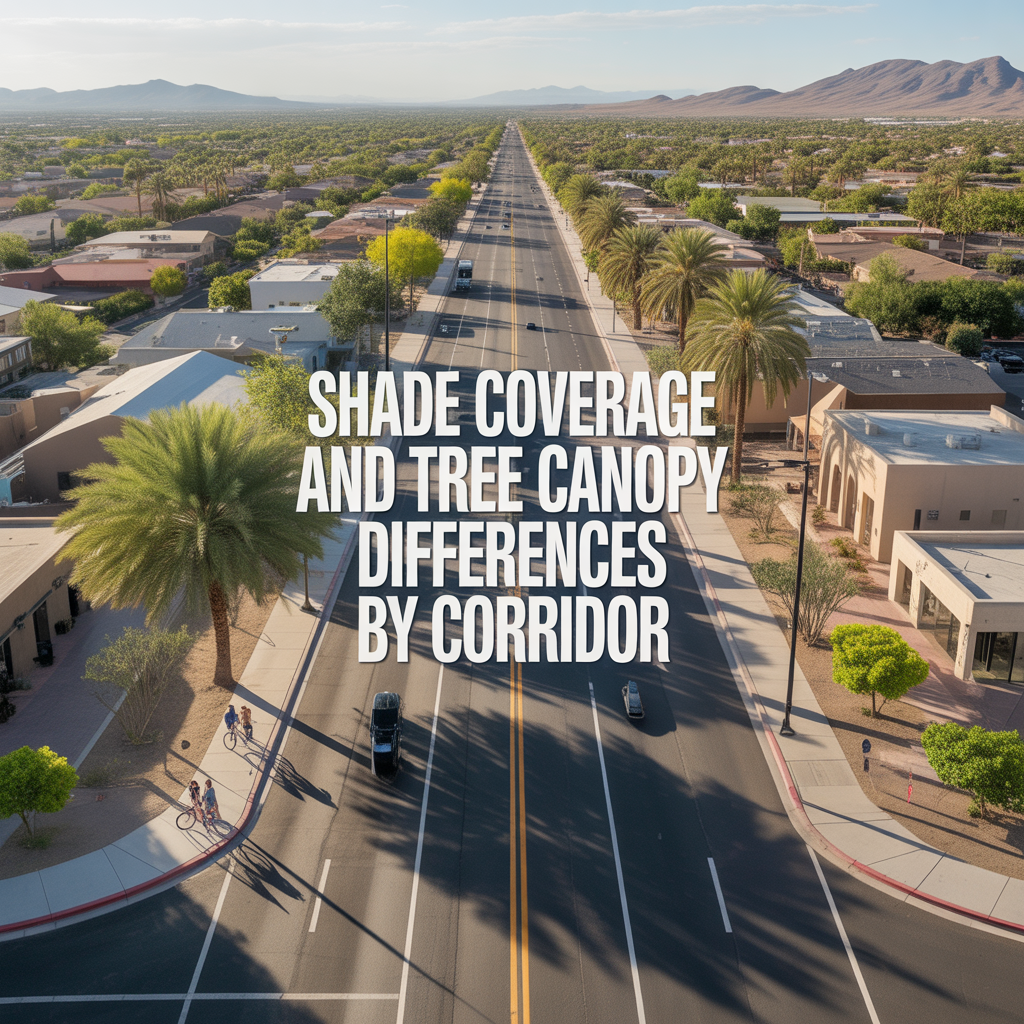
Shade Coverage and Tree Canopy Differences by Corridor
-

Summer Walkability Reality Near ASU and Mill Avenue
-

Choosing Proximity Based on Personality and Routine
-
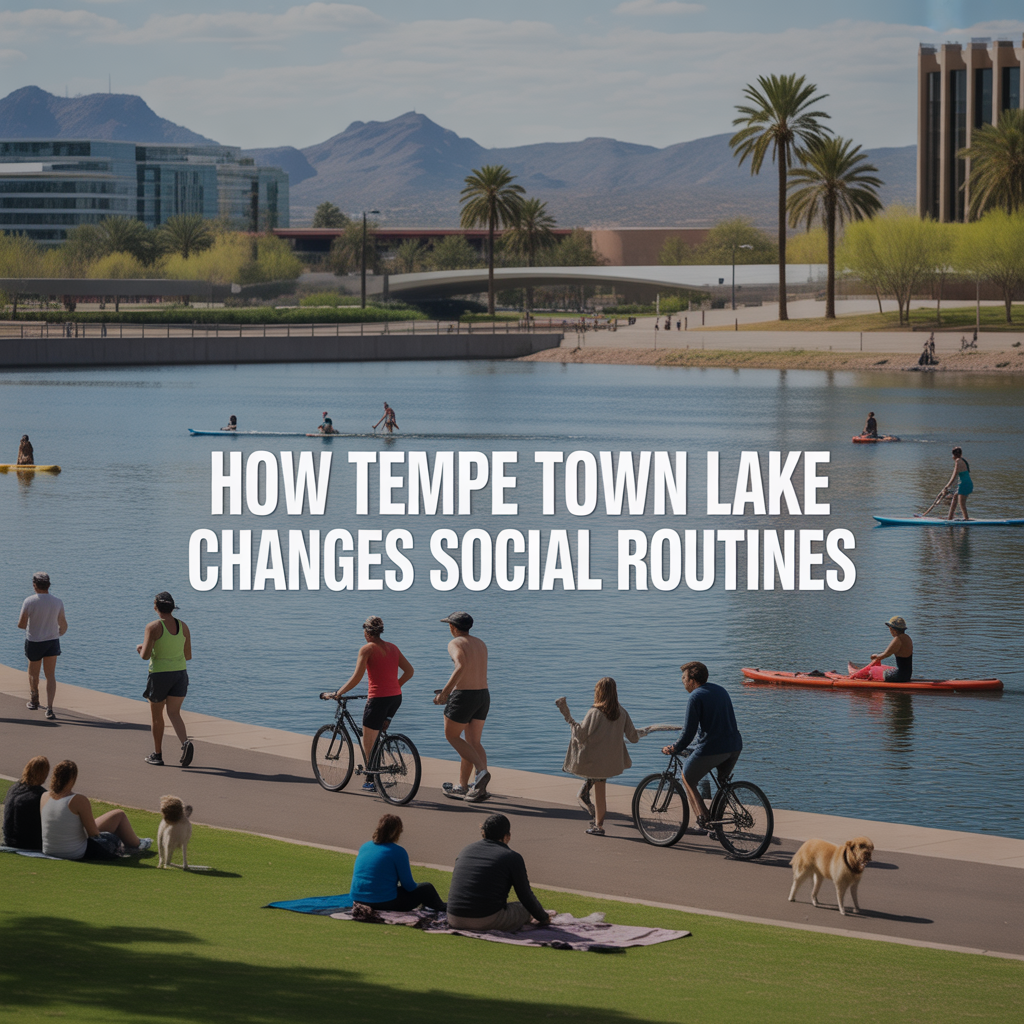
How Tempe Town Lake Changes Social Routines
-
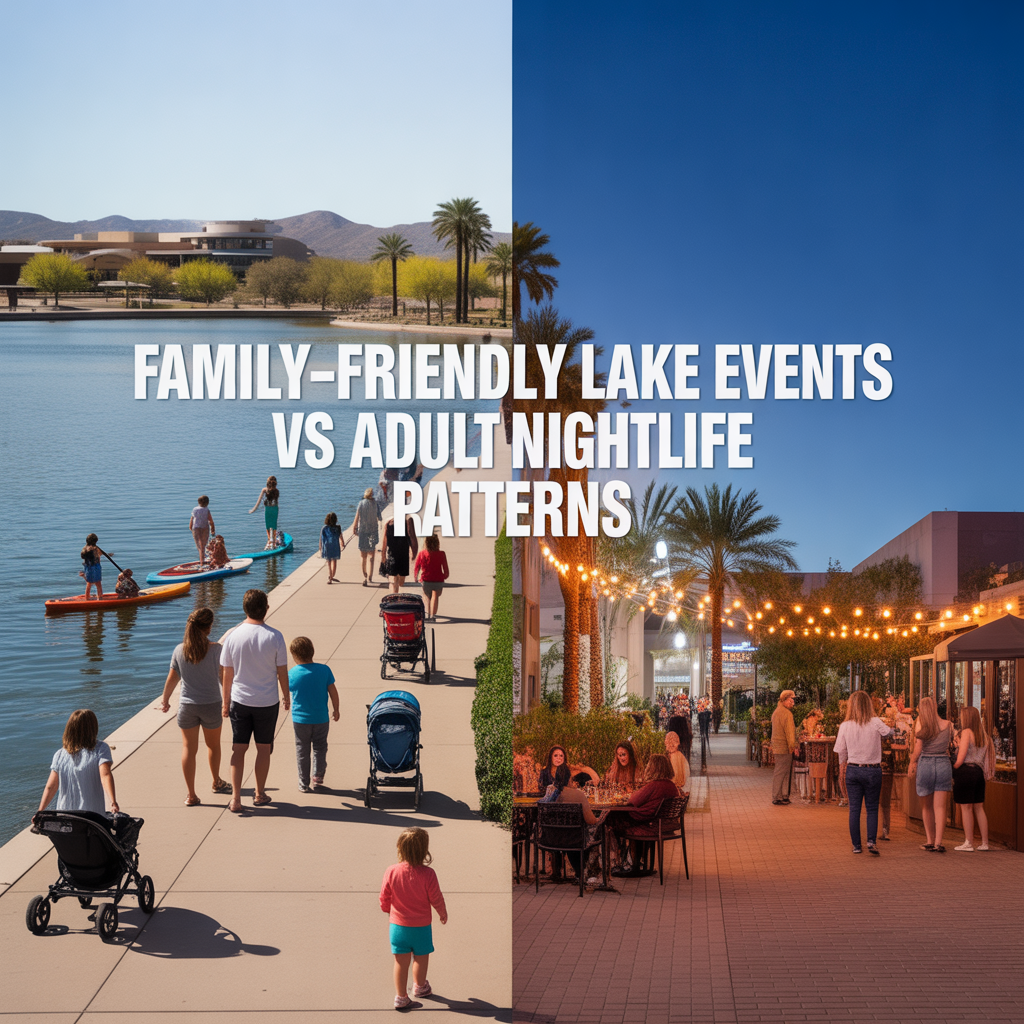
Family-Friendly Lake Events vs Adult Nightlife Patterns
-

Parking Structures and Rideshare Realities on Peak Nights
-
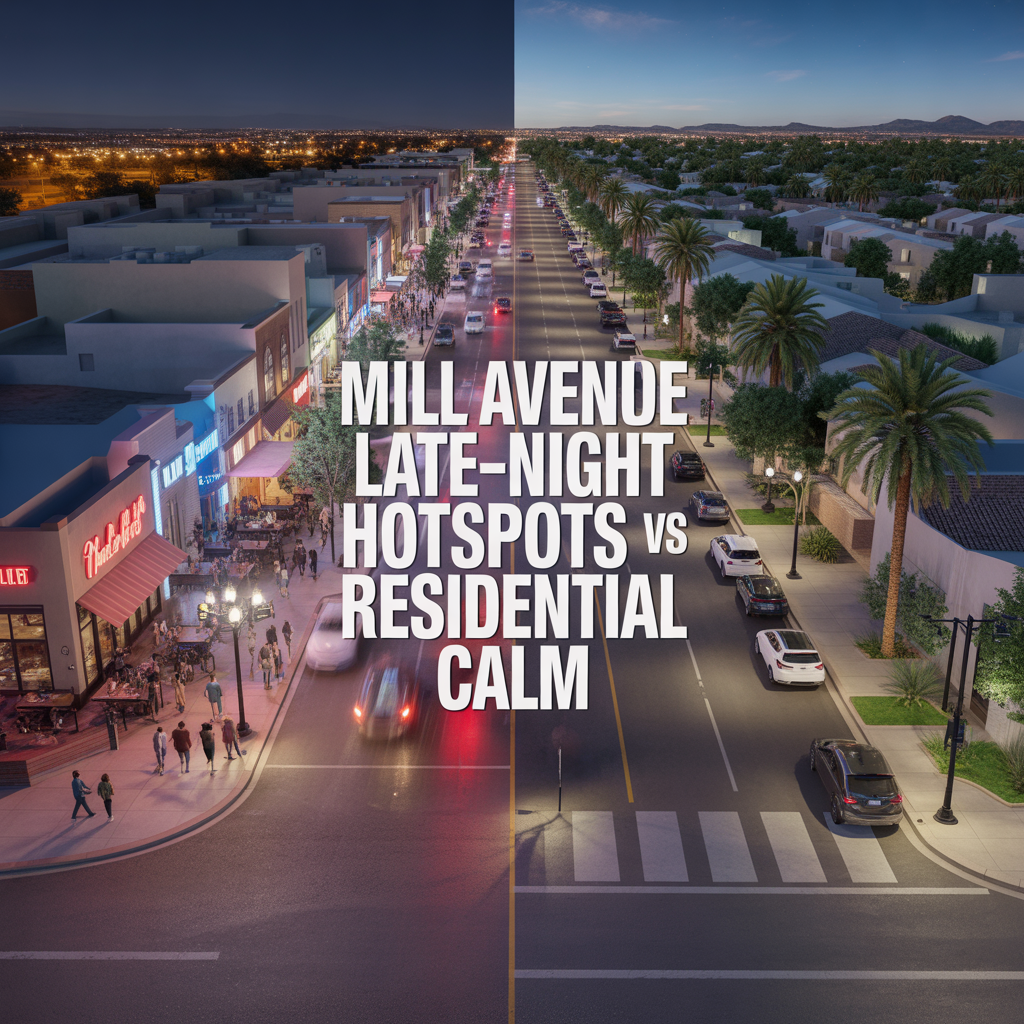
Mill Avenue Late-Night Hotspots vs Residential Calm
-

ASU Game Days and Event Calendar Impacts
-

Cross-Valley Trip Efficiency From Tempe
-

Micro-Mobility and Bike Utility by Corridor
-

Park-And-Ride, Game Day, and Event Access Patterns
-

Airport Timing Strategy Around ASU and Rush Hour Traffic
-

Light Rail Use Cases That Actually Improve Daily Life
-
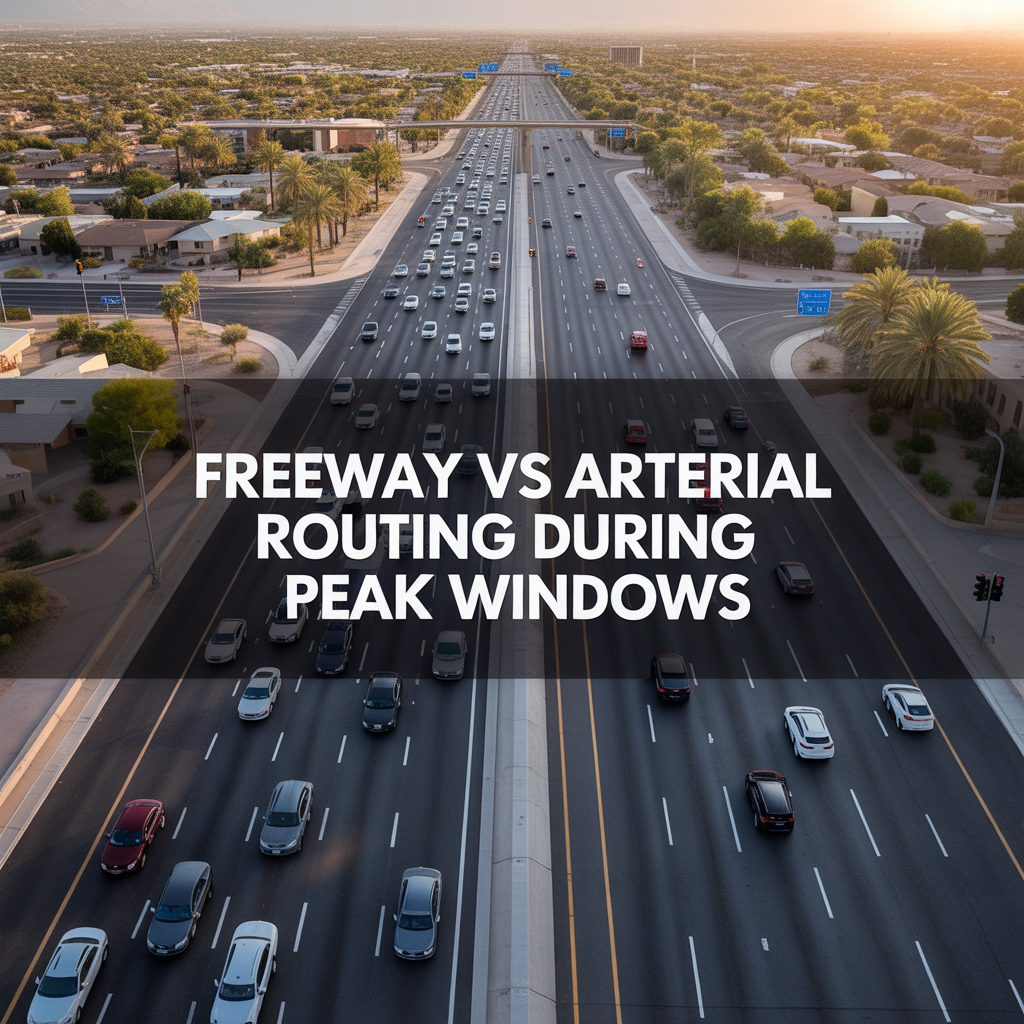
Freeway vs Arterial Routing During Peak Windows
-

Real-World Drive Times to Sky Harbor From Different Tempe Pockets
-

How Traffic and Commute Direction Affect Daily Life in North vs South Tempe
-

Bike Paths, Walkability, and Short-Distance Transportation in Tempe
-

Driving Access From Tempe to Phoenix Sky Harbor Airport
-

Light Rail Access Between Tempe, Downtown Phoenix, and Mesa
-
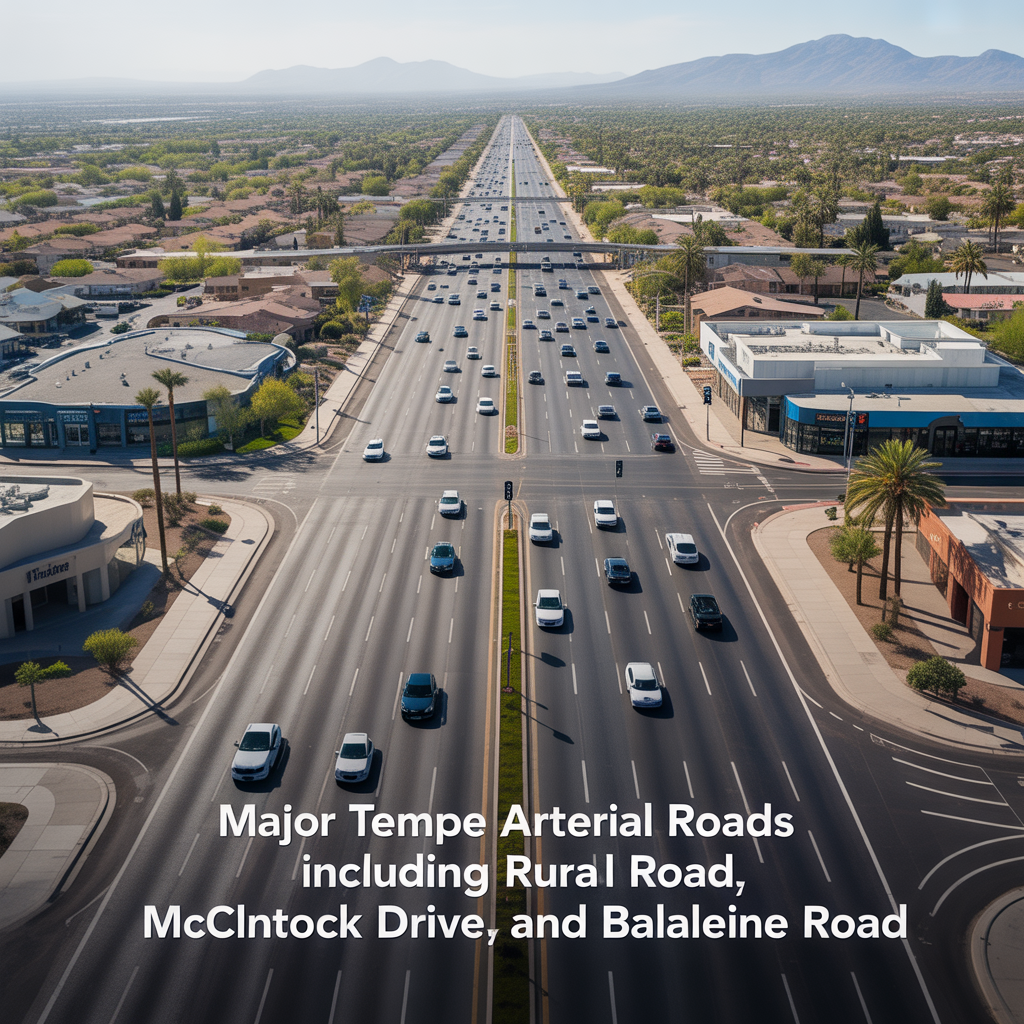
Major Tempe Arterial Roads Including Rural Road, McClintock Drive, and Baseline Road
-

ASU Traffic Patterns and Peak Congestion Near Campus
-

Typical Commute Times From Tempe to Phoenix, Scottsdale, and Chandler
-

Tempe Freeway Access to US-60, Loop 101, and Loop 202
-
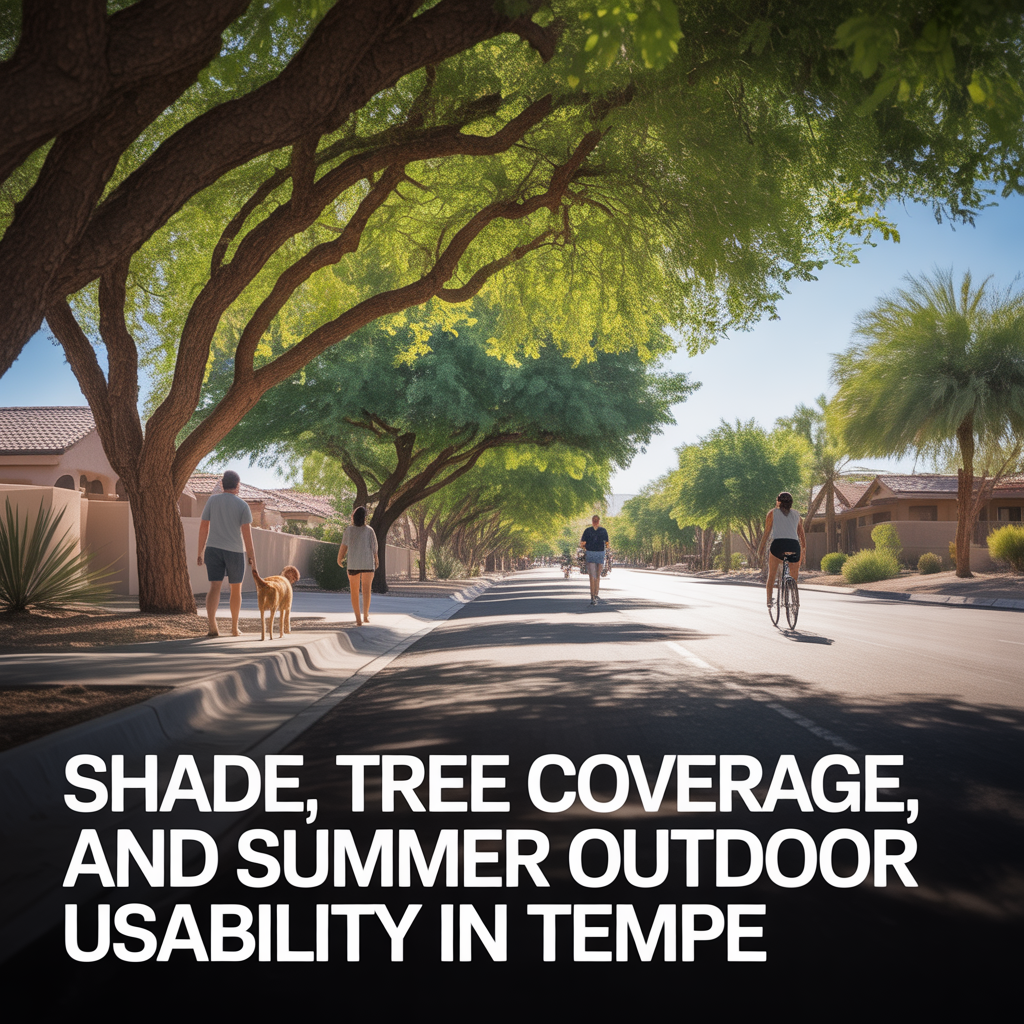
Shade, Tree Coverage, and Summer Outdoor Usability in Tempe
-

Outdoor Recreation Near Downtown Tempe and ASU