



Mesa Lifestyle Guide → [Mesa Lifestyle Guide] & For more info on Mesa Real Estate → [Mesa Real Estate Guide]
Written by: Renee Burke
What Relocating Buyers Misjudge About Mesa
Relocating buyers often arrive in Mesa with stars in their eyes, drawn by our endless sunshine and stories of East Valley value, only to stumble over assumptions that don’t match the reality of daily life here. They picture a uniform suburb, much like they’ve read online, but Mesa unfolds differently—westside grit blending into eastside polish, with lifestyle shifts that catch newcomers off guard. I’ve helped hundreds of families unpack these surprises over the years, turning initial doubts into deep appreciation once they see the full picture.
It’s not about hidden flaws; it’s about understanding our unique rhythm so your move feels like home from day one.
Mesa Isn’t One Neighborhood
The biggest misjudge? Treating Mesa as a monolith. West Mesa, with its older ranches and no-HOA freedom near downtown arts, feels worlds apart from eastside master-plans like Eastmark or Cadence, where resort pools and new builds hum with young families. Relocators from tighter markets assume “Mesa” means cookie-cutter suburbia, missing Lehi’s rural horse properties or Desert Uplands’ quiet luxury views. They chase Gilbert-level polish everywhere, overlooking westside value—$300K homes with yards twice the size—only to regret eastside premiums later.
Drive the Loop 202 yourself: north feels semi-rural, central walkable, southeast booming. Picking blind leads to “I love the price, but not the vibe” regrets.
Commute Realities Beat Expectations
Everyone loves our freeway access on paper—US-60 west to Phoenix, Loop 202 south to Chandler—but rush hour on Power Road or Ellsworth stalls dreams of 20-minute drives. Relocators underestimate east-west flow: west Mesa zips to Tempe via light rail, but eastside Gateway growth means airport traffic spikes. They assume Gilbert-like ease, missing how Usery proximity trades slight congestion for trailhead mornings.
Pro tip: North Mesa’s Loop 202 shines for airport jobs; central suits hybrid workers. Test drives reveal truths Zillow can’t.
Older Homes Hide Strengths (and Fixes)
West and central Mesa’s mid-century stock—solid block construction, mature citrus—thrives in our heat better than some new builds, yet buyers fear “dated” as “disaster.” They overlook updates like solar-ready roofs or efficient HVAC, assuming CA-style teardowns. Maintenance surprises hit: $500 AC tunes yearly, pool alchemy in hard water. But no-HOA flexibility lets you personalize, unlike rigid eastside rules—many find character trumps turnkey after settling in.
Eastside newness dazzles initially, but westside value builds equity faster long-term.
Lifestyle Lags Flashier Neighbors
Mesa’s not Gilbert’s event hub or Chandler’s dining scene—downtown revitalization brings music and markets, but nightlife leans quiet. Relocators expect Scottsdale energy, missing our outdoor soul: Usery hikes, Red Mountain golf, farmers’ stands. Families love parks, but singles sometimes pine for Tempe buzz 15 minutes away. Heat hits harder too—110°F summers demand indoor plans, not eternal pool parties.
It’s active living, not constant stimulation—perfect if you crave space over spectacle.
Cost of Living Sneaks Up Subtly
Taxes at 0.49% thrill compared to coastal bites, but HOAs ($100–$300/month eastside), utilities ($300 summer peaks), and insurance ($1,500–$2,500) add up. Buyers lowball AC reliance or yard water needs, assuming flat affordability. Groceries and gas mirror Phoenix, but no state income tax softens it. Long-term, 3–6% appreciation outpaces costs, but first-year surprises strain budgets.
| Misjudgment | Reality in Mesa | West vs East Difference |
|---|---|---|
| Uniform Suburb | Diverse zones (urban to rural) | West: Character/value; East: Polish/HOA |
| Easy Commutes | Freeway-dependent, area-specific | West: Light rail; East: Growth traffic |
| Older = Problem | Solid bones, customization | West heavy; East minimal |
| Vibrant Nightlife | Outdoor focus, quiet evenings | Central arts; Suburbs serene |
| Budget Simplicity | Hidden utils/HOA | West lower; East amenity fees |
Growth Pains Buyers Overlook
Phoenix-Mesa Gateway Airport’s expansion promises jobs but brings noise eastward—relocators miss flight paths. Population influx strains Superstition Springs shopping, yet infrastructure like 202 expansions keeps pace. Schools shine eastside (85212 zips), vary west—research districts deeply.
Crime pockets exist (avoid certain west corridors), but neighborhoods like Dobson Ranch feel safer than stats suggest.
Settling In with Eyes Open
Mesa rewards those who embrace its layers—affordable roots, growth horizon, desert authenticity. Misjudges fade with local guidance, turning “Is this right?” into “Why didn’t I come sooner?”
If you’re thinking about making a move in Mesa, you don’t have to figure it out alone. Let’s map your priorities to our neighborhoods, debunk myths with real streets and stories, and make relocation feel welcoming and wise. I’m here as your East Valley guide, ready to ease you home.
Get the full Phoenix Market Insights → [Market Insights]


-

Designing Outdoor Living Spaces for Phoenix’s Unique Climate
-

How Pools and Shade Structures Change Backyard Living in Phoenix
-

Why Covered Patios Are One of the Most Valuable Features of Phoenix Homes
-

How Phoenix Homeowners Transform Their Outdoor Living Spaces Over Time
-

Ways Phoenix Homeowners Improve Indoor Comfort Over Time
-

How Long Cooling Seasons Influence Phoenix Home Design
-

How Phoenix Summer Heat Changes Daily Life Inside the Home
-

How Long-Term Homeowners Adjust Layouts to Fit Changing Needs
-

Converting Spare Bedrooms Into Home Offices in Phoenix Homes
-

How Life Stage Changes Affect the Way Phoenix Homes Are Used
-

When Homeowners Start Rethinking Space Inside Their Phoenix Home
-
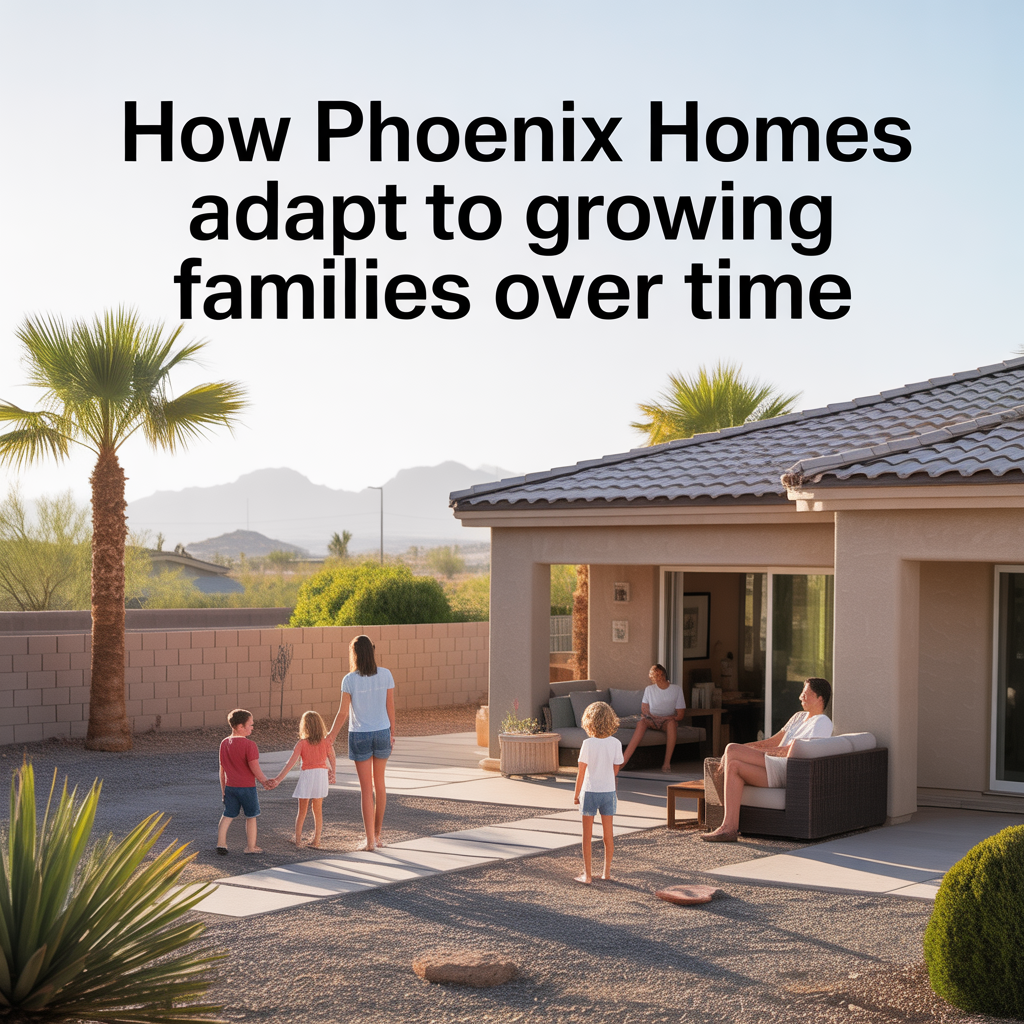
How Phoenix Homes Adapt to Growing Families Over Time
-

How Local Parks, Restaurants, and Shops Shape Life in Phoenix Neighborhoods
-

Why Long-Term Residents Experience Neighborhoods Differently Than New Buyers
-

How Phoenix Communities Shape Everyday Life for Local Residents
-
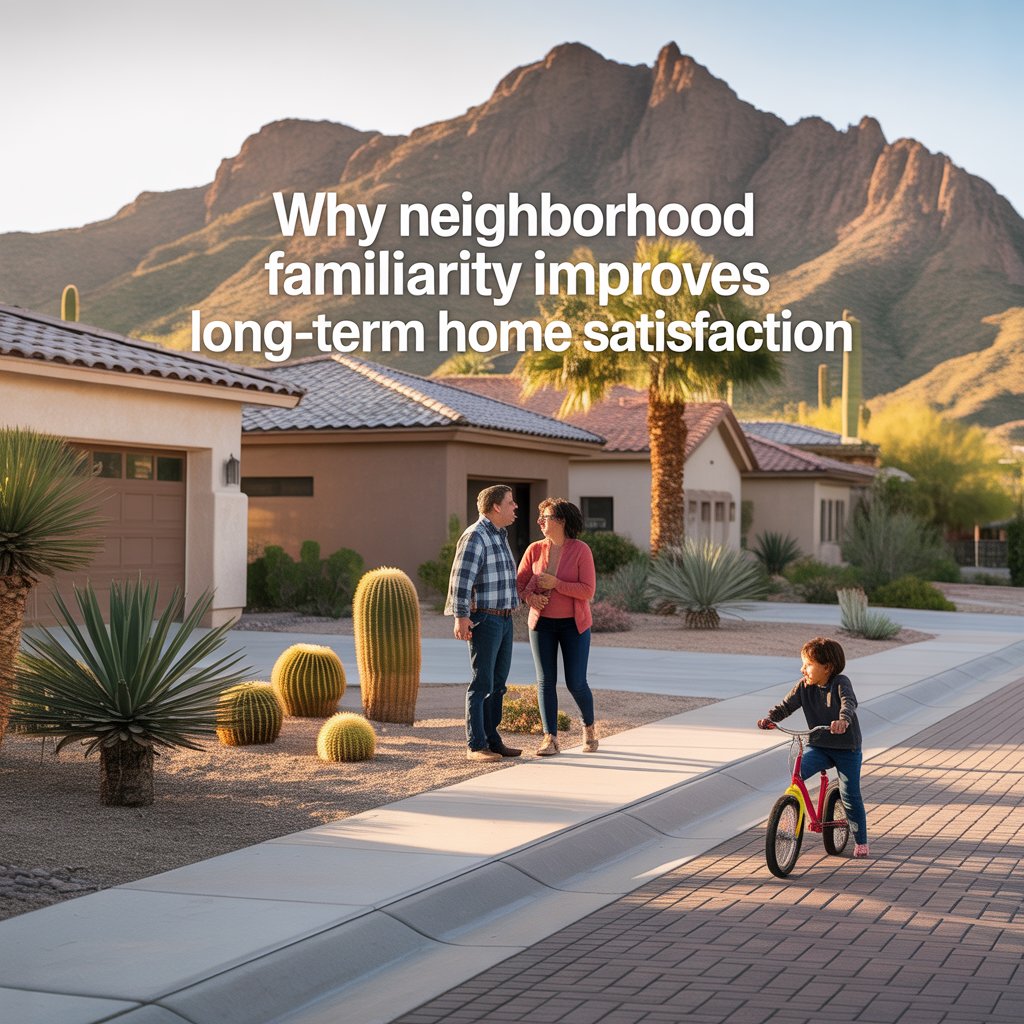
Why Neighborhood Familiarity Improves Long-Term Home Satisfaction
-
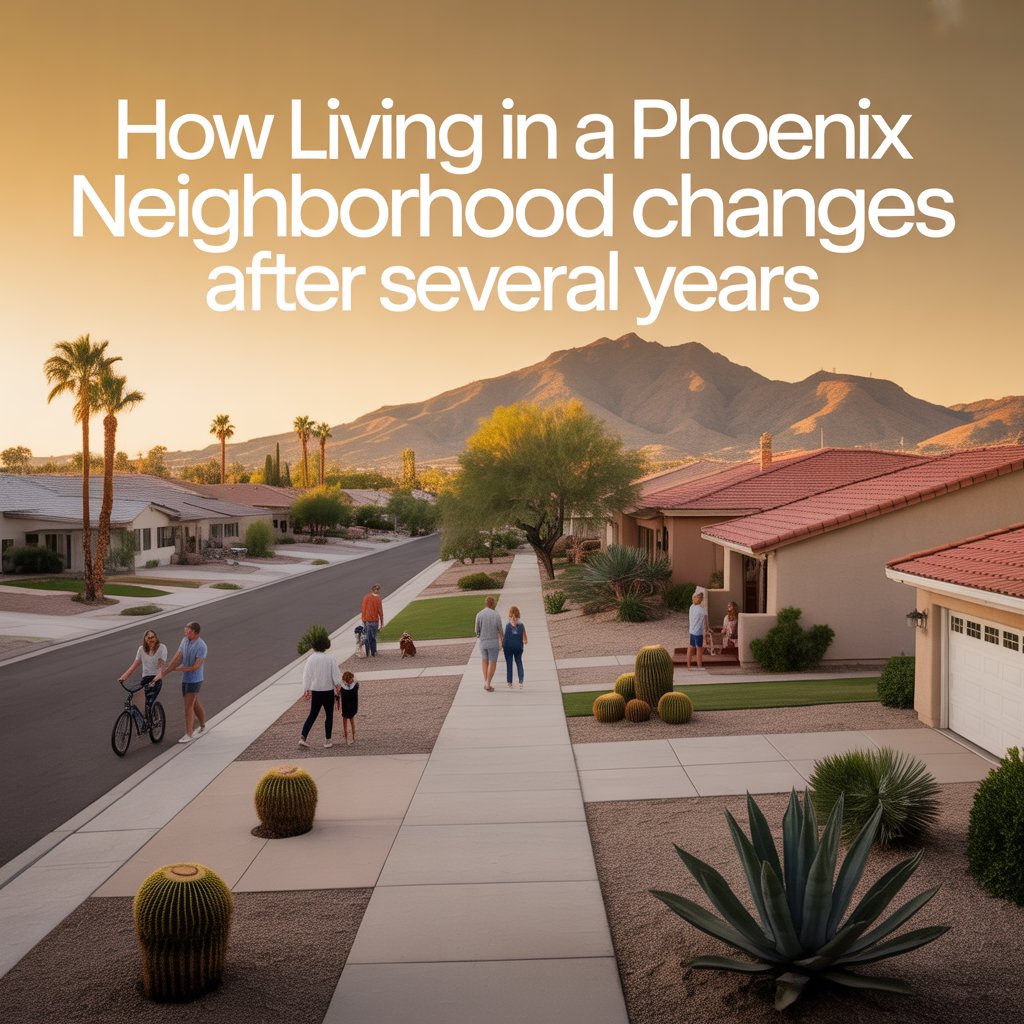
How Living in a Phoenix Neighborhood Changes After Several Years
-
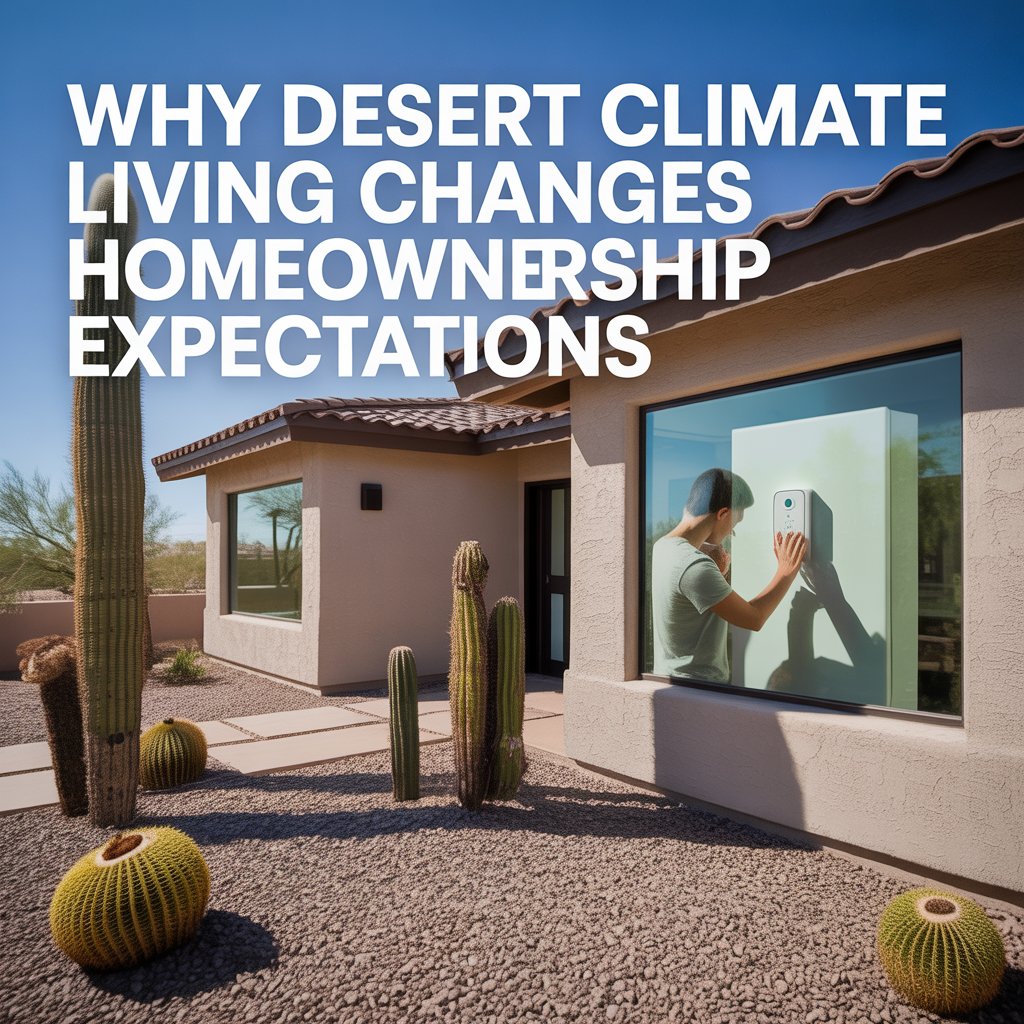
Why Desert Climate Living Changes Homeownership Expectations
-
Common Home Improvements That Make Phoenix Homes More Comfortable
-

How Extreme Summer Heat Changes the Way Phoenix Homes Are Used
-

Why Shade Structures and Covered Patios Matter for Phoenix Homes
-

Cost of Living in Phoenix: Housing, Utilities, and Everyday Expenses
-

The Best Neighborhoods in Phoenix for Lifestyle, Schools, and Value
-

Homes for Sale in Phoenix Under $650K: Where Buyers Are Still Finding Deals
-
Phoenix Housing Market Forecast: Will Home Prices Rise or Fall?