


Mesa Lifestyle Guide → [Mesa Lifestyle Guide] & For more info on Mesa Real Estate → [Mesa Real Estate Guide]
Written by: Renee Burke
Those school-day mornings in Mesa have a rhythm all their own—familiar to anyone who’s navigated the East Valley with kids in tow or eyes on a family-friendly home. As someone who’s helped countless families settle here, I understand the subtle tension of drop-offs that stretch a five-minute drive into twenty. In Mesa, with its sprawling campuses and growing neighborhoods, school traffic weaves into daily life, shaping commutes, home values, and even where families feel most at ease.
Let’s explore the patterns, the pinch points, and how this all ties into choosing the right spot in our community—gently, with the local insight that comes from years on these roads.
The Heart of Mesa’s School Traffic
Mesa Public Schools anchors over 60,000 students across dozens of campuses, from bustling elementaries like Jefferson to high schools like Red Mountain and Skyline. Peak chaos hits during drop-off (7:45–8:15 a.m.) and pick-up (2:30–3:30 p.m.), when arterials like Southern Avenue, Val Vista Drive, and Ellsworth Road swell with parent shuttles. North Mesa, feeding into US-60 commuters, feels it heaviest, while eastside spots near Power Road handle overflow from newer subdivisions.
It’s the density of family life here—strong schools drawing families to Superstition Springs or Red Mountain Ranch—that amplifies every bell. A calm neighborhood street transforms as SUVs circle for that front-row spot, crossing guards waving through the stream.
Key Bottlenecks and Daily Flows
Certain corridors bear the brunt. Southern Avenue east of Val Vista sees queues spilling from schools like Madison or Meridian, with speeds dipping to 15 mph amid idling lines. Ellsworth near Apache doubles up as parents juggle Mesa Community College and nearby junior highs. Power Road, serving growing areas like Weaver Ranch, tests its lanes as elementary runs collide with high school shuttles.
Elementary zones pinch tightest—younger walkers mean more stops, more guards at intersections like McDowell and Louisiana by Red Mountain High. West Mesa flows smoother toward Gilbert borders, but rain or monsoons add universal delays, flooding curbs on flat terrain. By midday, it eases, leaving afternoons for the pickup rush.
Safety layers it all: photo radar in active zones enforces 25 mph strictly, with fines that remind drivers to breathe deep.
Safety Efforts Easing the Strain
Mesa prioritizes kids’ safety, which reshapes traffic subtly but surely. Flashing beacons on Stapley and McKellips create deliberate pauses, while crossing guards at over 50 spots guide the flow. Expanded speed cameras in 2025 have curbed speeding dramatically, and parent advocacy pushes for bus stop-arm tech—reflecting real concerns from near-misses that make headlines.
These measures foster walkable neighborhoods, a quiet win for families who value biking to school over endless circling.
How It Shapes Lifestyle and Real Estate
School traffic isn’t just inconvenience—it’s a lens for home choices. Properties walking distance to zoned schools like Fremont or Stapley command 5–10% premiums; families pay for that morning peace. Investors note faster leasing here—tenants prioritize proximity, even if it means navigating lines.
Savvy picks avoid trap streets: cul-de-sacs near entrances trap you, while homes off alleys or with side yards offer escape hatches. Near Veterans Oasis or Usery trails, traffic feels lighter amid open space. Appreciation holds firm too—top schools insulate values, traffic or not.
I always point clients to resilient spots: east of Higley for breathing room, or north of Brown Road where shuttles smooth high school hauls.
Tips for Smoother Days
Grace comes from knowing the flow:
- Stagger times—elementary first, high school five minutes later.
- Side streets like Dobson parallel arterials without the jam.
- Carpool flex lanes on University move early birds swiftly.
City plans—wider medians on Baseline, smarter signals—promise incremental relief, balancing growth with livability.
A Gentle Local Assurance
Mesa’s school-day traffic pulses with community life—families rooting down, schools thriving. You adapt to its beat, and it rewards with connection over frustration.
If you’re sizing up a Mesa move and want routes tailored to your schools—or investment angles amid the flow—I’m right here. Let’s chart a path that fits your mornings perfectly. You don’t have to navigate the East Valley solo.
Get the full Phoenix Market Insights → [Market Insights]


-

Signs Your Phoenix Roof Needs Inspection or Repair
-

How Long Tile Roofs and Roof Underlayment Last in Phoenix
-

How Smart Thermostats Improve Cooling Efficiency in Arizona Homes
-
Why AC Systems Struggle During Extreme Phoenix Heat Waves
-
How Long Air Conditioning Units Last in Phoenix Homes
-

Warning Signs Your Air Conditioner Is About to Fail
-

How Often Phoenix AC Systems Need Maintenance
-
How Irrigation System Leaks Damage Foundations and Landscaping
-
Preventing Roof Damage Before Arizona Monsoon Storms
-
Why AC Tune-Ups Are Critical for Phoenix Homes
-

What Homeowners Should Inspect Before Phoenix Summer Heat Arrives
-

Seasonal Home Maintenance Checklist for Phoenix Homeowners
-
How UV Exposure Damages Exterior Paint, Stucco, and Sealants
-

How Extreme Heat Shortens the Lifespan of Home Systems
-
Why Phoenix Roofs Wear Out Faster Than Many Other Cities
-
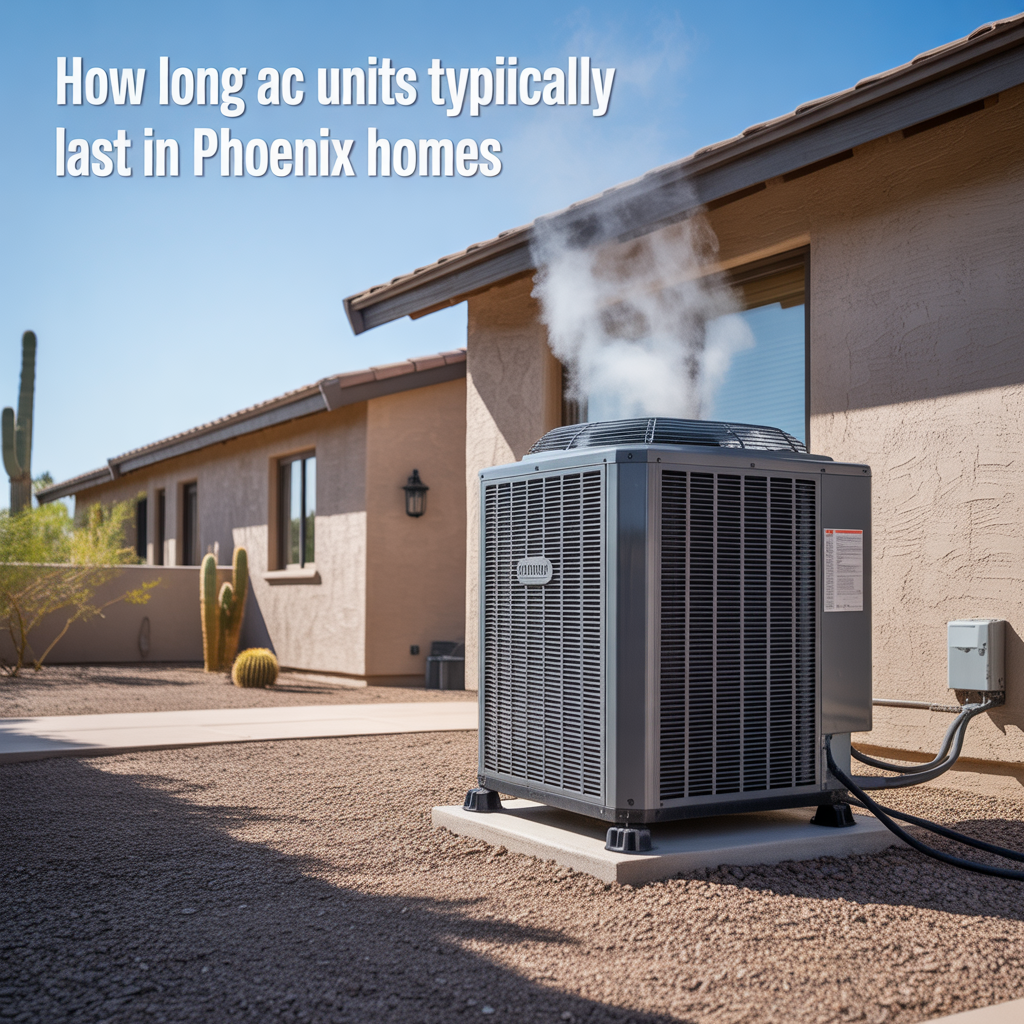
How Long AC Units Typically Last in Phoenix Homes
-

Building a Long-Term Protection Strategy
-

How Small Repairs Prevent Larger Problems
-

Protecting Older Phoenix Homes
-

Warning Signs of Hidden Home Risks
-

Preventative Maintenance That Reduces Insurance Claims
-

Reducing Liability Exposure Around Your Property
-

Liability Coverage Limits Explained
-

When Umbrella Insurance Makes Sense
-

Protecting Yourself From Guest Injury Claims