


Phoenix Lifestyle Guide → [Phoenix Lifestyle Guide] & For more info on Phoenix Real Estate → [Phoenix Real Estate Guide]
Written by: Renee Burke
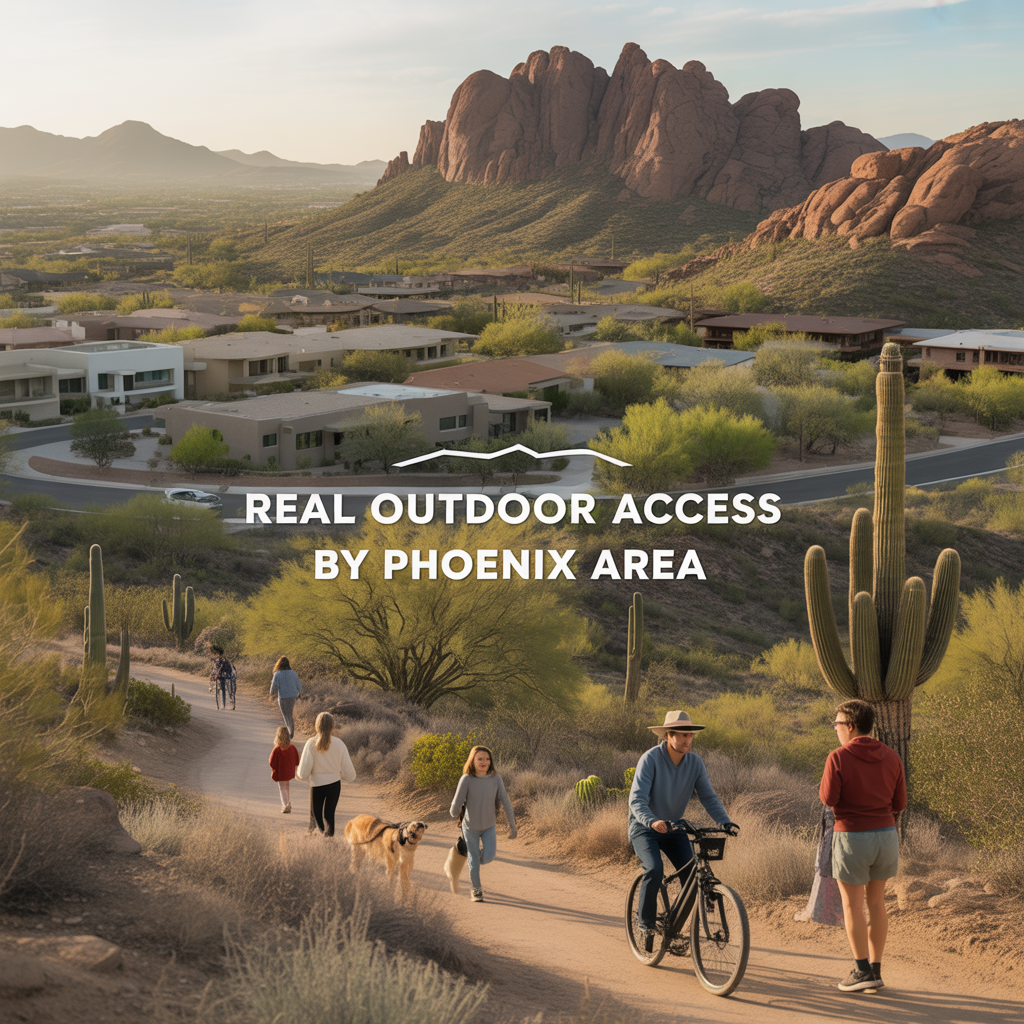
Phoenix’s outdoor access is one of those gifts that draws people here and keeps them rooted—vast desert trails, shaded paths, and mountain views right at the edge of everyday neighborhoods. No matter where you settle in the metro area, fresh air and adventure are rarely more than a short drive or walk away.
The Heart of Phoenix’s Outdoor Wealth
Phoenix and its surrounding areas encompass over 41,000 acres of desert parks and mountain preserves, laced with more than 200 miles of trails for hiking, biking, horseback riding, and even wheelchair-accessible paths. These aren’t distant escapes; they’re woven into the fabric of neighborhoods, making it easy to slip out for a sunrise hike, an evening bike ride, or a family picnic without reshaping your whole day.
What sets our Valley apart is how accessible it all feels—whether you’re in the urban core or the growing suburbs. From South Mountain’s expansive network to the Sonoran Desert’s quiet trails, outdoor spaces influence how homes are valued and how communities bond.
Central and South Phoenix: South Mountain and Papago
Living in central or south Phoenix means South Mountain Park and Preserve is practically your backyard—one of the largest urban parks in the U.S., with over 50 miles of trails offering everything from challenging climbs to gentle desert walks. The National Trail provides sweeping views of the skyline, while shorter loops like the Marcos De Niza or Fat Man’s Pass suit families or casual explorers.
Papago Park, just minutes from downtown, adds red rock formations, easy gravel paths like the 1.4-mile Galvin Bikeway Trail, and spots like Hole-in-the-Rock for quick outings. These areas draw hikers, bikers, and picnickers, creating lively weekend energy that spills into nearby neighborhoods.
North and Northeast Phoenix: Piestewa and Sonoran
North Phoenix shines with Piestewa Peak and the Dreamy Draw Recreation Area, where trails climb through diverse desert landscapes to rewarding summit views—perfect for those who crave a moderate challenge close to home. The Phoenix Mountain Preserve offers pathways parallel to SR-51, blending urban access with rugged hikes.
The Sonoran Preserve in northern Phoenix protects over 18,000 acres with 36 miles of multi-use trails across trailheads like Desert Vista and Apache Wash, ideal for longer bikes or horseback rides amid thriving desert flora. These spots make North Phoenix homes appealing for active families who value trail proximity without isolation.
East Valley: Superstition and Canal Paths
The East Valley—Mesa, Chandler, Gilbert—feels like an outdoor playground with the Superstition Wilderness offering 170 miles of singletrack, including the Black Mesa Trail lined with cholla cactus groves. McDowell Mountain Regional Park provides 50 miles of trails for hiking, biking, and equestrian use, with options like the 15.3-mile Pemberton Trail for full-day adventures.
Canal paths like the Rio Salado Pathway stretch 19 miles from Mesa Riverview Park through Tempe, perfect for paved biking or walking along the Salt River banks. Mesa Riverview Park itself features shaded playgrounds, a splash pad, and fishing lakes tied to Cubs spring training vibes. This seamless blend elevates East Valley living, where homes near these paths hold steady appeal.
West Valley and Scottsdale Edges: Desert Preserves
West Valley areas connect via pathways like the Highline Canal Trail, running east-west near Baseline Road and into South Mountain, great for steady bike rides or jogs. Reach 11 Recreation Area offers 1,500 acres for varied activities, while the Skunk Creek Pathway links north from Glendale to Adobe Dam Regional Park.
Scottsdale-adjacent spots like the McDowell Sonoran Preserve provide rocky loops such as the Quartz/Taliesin, with views of Thompson Peak—accessible via bike lanes on quiet roads. These preserves ensure West Valley and northeast homes offer genuine nature without long hauls.
How Outdoor Access Shapes Neighborhood Choices
Outdoor proximity isn’t just a perk—it’s a lifestyle anchor that affects daily rhythms and home values in Phoenix. Neighborhoods near trailheads often see stronger community ties through group hikes or bike clubs, plus resale boosts from buyers prioritizing that “walk to nature” feel.
For families, it means easy school break adventures; for empty-nesters, restorative evening strolls. I see it all the time—clients drawn to Ahwatukee for South Mountain access or North Phoenix for Sonoran trails, where the outdoors becomes part of home.
Gentle Steps to Find Your Outdoor Fit
Exploring these spaces yourself helps match a neighborhood to your real preferences. Start with:
- A short test hike or bike from potential listings to gauge convenience and crowds.
- Checking city apps or sites like phoenix.gov/parks for trail maps, conditions, and events.
- Noting seasonal shifts—monsoon wildflowers or winter mildness that make paths magical.
- Visiting at different times to feel the vibe, from dawn quiet to sunset families.
These moments reveal how outdoor access truly integrates with Valley living.
A Warm Invitation
If you’re thinking about making a move in Phoenix, you don’t have to figure it out alone. Whether it’s mapping trails from a North Phoenix home or East Valley paths that suit your stride, I’m here to guide you thoughtfully toward spaces that nourish your love for the outdoors.
Reach out anytime—I’d love to share local favorites and help you find a neighborhood where adventure is just steps away.
Get the full Phoenix Market Insights → [Market Insights]


-
Cost of Living in Rhode Island: Housing, Taxes, Utilities, and Everyday Expenses
-

What If My Commute Becomes Worse Than Expected?
-

How Aging Home Systems Affect Property Value
-

Energy Efficiency Upgrades for Phoenix Homes
-
How to Plan for Major Home System Replacements
-

When Phoenix Homeowners Should Replace Water Heaters
-

Repair vs Replace Decisions for Phoenix HVAC Systems
-

Creating a Long-Term Home Maintenance Plan
-

How Often Phoenix Homes Should Be Professionally Inspected
-

Early Warning Signs of Major Home System Failures
-

How Preventative Maintenance Protects Phoenix Property Value
-

The Best Annual Home Maintenance Plan for Phoenix Homes
-

Electrical Safety Inspections for Older Phoenix Homes
-

Why Whole-Home Surge Protection Matters in Arizona
-

Preparing a Phoenix Home for Electric Vehicle Charging
-

Signs Your Home’s Electrical System Is Overloaded
-

When Phoenix Homes Need Electrical Panel Upgrades
-

Water Pressure Problems in Phoenix Homes Explained
-

Preventing Irrigation Leaks That Waste Water in Desert Landscapes
-

Signs of Hidden Plumbing Leaks in Phoenix Houses
-

How Long Water Heaters Last in Arizona Homes
-

How Hard Water Affects Plumbing Systems in Phoenix Homes
-

Preventing Water Damage in Phoenix Homes During Storms
-

Roof Maintenance Tips Before Phoenix Monsoon Season
-

How Arizona Sun Damages Roofing Materials Over Time