


Phoenix Lifestyle Guide → [Phoenix Lifestyle Guide] & For more info on Phoenix Real Estate → [Phoenix Real Estate Guide]
Written by: Renee Burke
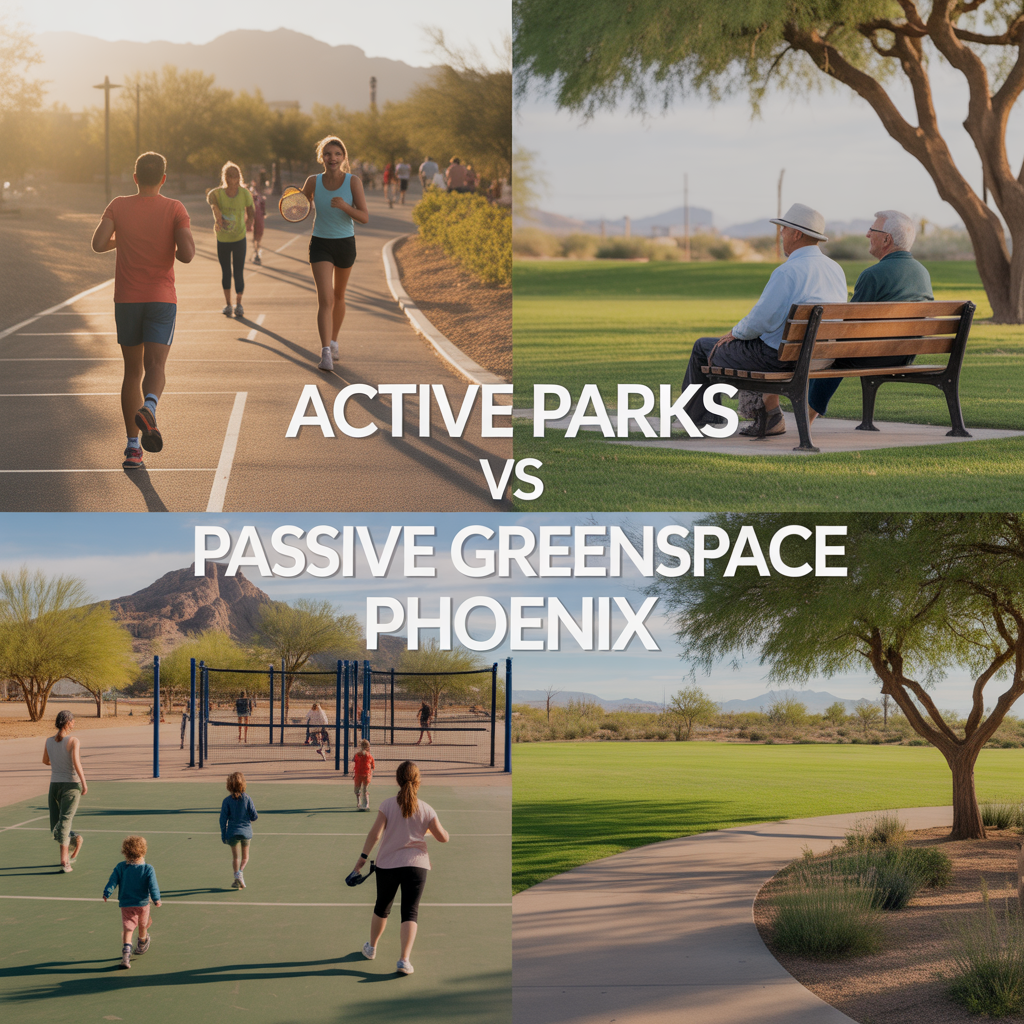
Phoenix offers a thoughtful mix of outdoor spaces that reflect how we actually live here — from lively playgrounds and sports fields that buzz with activity to quiet desert washes and open turf where you can breathe without an agenda. The distinction between active parks and passive greenspace matters more than most buyers realize when choosing a neighborhood.
Defining Active Parks
Active parks are the heartbeats of Phoenix neighborhoods. These are the spaces designed for movement, play, and community — places where kids scream with joy on playgrounds, families kick a soccer ball, and pickup basketball games draw a crowd.
Typical features include:
- Playgrounds with slides, swings, and climbing structures (often shaded).
- Sports courts (basketball, tennis, pickleball), multipurpose fields, and lighted areas for evening use.
- Splash pads, pools, and picnic ramadas for group gatherings.
- Walking paths, fitness stations, and sometimes dog parks.
Phoenix has 182 city parks, many of which fall into this category, plus 32 community and neighborhood recreation centers that anchor even more active spaces with classes, leagues, and events. These parks support daily habits like after-school play, weekend sports, and family picnics — they’re where life happens out loud.
Understanding Passive Greenspace
Passive greenspace, on the other hand, invites quiet reflection and gentle presence. Think wide-open turf, desert washes, shaded walking loops, or natural areas where the main “activity” is watching the sunset or letting your dog sniff around freely.
These spaces emphasize:
- Open lawns or natural desert for unstructured time.
- Paved or soft‑surface loops for walking, jogging, or biking without a destination.
- Benches, shade trees, and minimal infrastructure to let the landscape speak.
- Linear greenbelts or canal banks that connect neighborhoods without demanding participation.
Much of Phoenix’s passive space comes from the 41,000+ acres of desert parks and preserves, retention basins turned greenbelts, and canal corridors that double as low‑key trails. They’re perfect for morning meditation walks, evening decompression, or simply having nature nearby without the energy of a playground.
Phoenix’s Unique Blend
What sets Phoenix apart is how these two types weave together across the city. The official parks system balances:
- Active hubs: Community parks with full amenities, recreation centers offering youth sports and fitness classes, and pools (29 city pools) for cooling off.
- Passive expanses: Vast preserves like South Mountain and Phoenix Mountains (over 200 miles of trails), plus canal paths and open spaces that function as breathing room.
On city maps, they might all show as “parks,” but in daily life, active ones draw families and groups, while passive ones attract solo walkers, dog owners, and those seeking calm. The city’s strategic plan even emphasizes clean, accessible parks alongside trail connections to blend the two seamlessly.
How They Shape Neighborhood Life
Your choice between active and passive access quietly defines your days:
Active parks turn a neighborhood into a destination; passive space makes it feel restorative. Many best areas offer both nearby — a playground two blocks away and a canal trail five minutes out.
Common Missteps When Choosing
Buyers often overlook the nuance:
- Assuming all “green” on a map means playgrounds (many are passive turf or basins).
- Overvaluing distance to a preserve without nearby passive walks for daily use.
- Choosing active parks that are too far for spontaneous visits, missing the convenience.
In Phoenix’s heat, usability hinges on shade, access, and type — active for energy, passive for ease.
Why This Matters for Your Phoenix Home
The mix of active parks and passive greenspace isn’t just nice‑to‑have — it’s how Phoenix neighborhoods support different life stages. Young families thrive near shaded playgrounds and rec centers; empty nesters or pet owners often prefer canal paths and quiet preserves.
When advising clients, we layer habits against reality: Do you need courts and pools weekly, or daily shaded loops? Proximity to South Mountain for hikes, or a neighborhood park for grandkids? This ensures your home’s outdoor access aligns with how you’ll actually live, not just weekend dreams.
A Gentle Next Step
If you’re thinking about making a move in Phoenix and wondering whether active parks or passive greenspace fits your rhythm better, you don’t have to decode it alone. I’ve spent years walking these neighborhoods, noting which spaces hum with play and which offer quiet reprieve — and how they elevate nearby homes.
Reach out when you’re ready, and we’ll map your habits to the perfect blend, ensuring outdoor life feels effortless from day one. If you’re thinking about making a move in Phoenix, you don’t have to figure it out alone. I’m here as your thoughtful guide, ready to find the spaces that make every day feel right.
Get the full Phoenix Market Insights → [Market Insights]


-

Designing Outdoor Living Spaces for Phoenix’s Unique Climate
-

How Pools and Shade Structures Change Backyard Living in Phoenix
-

Why Covered Patios Are One of the Most Valuable Features of Phoenix Homes
-

How Phoenix Homeowners Transform Their Outdoor Living Spaces Over Time
-
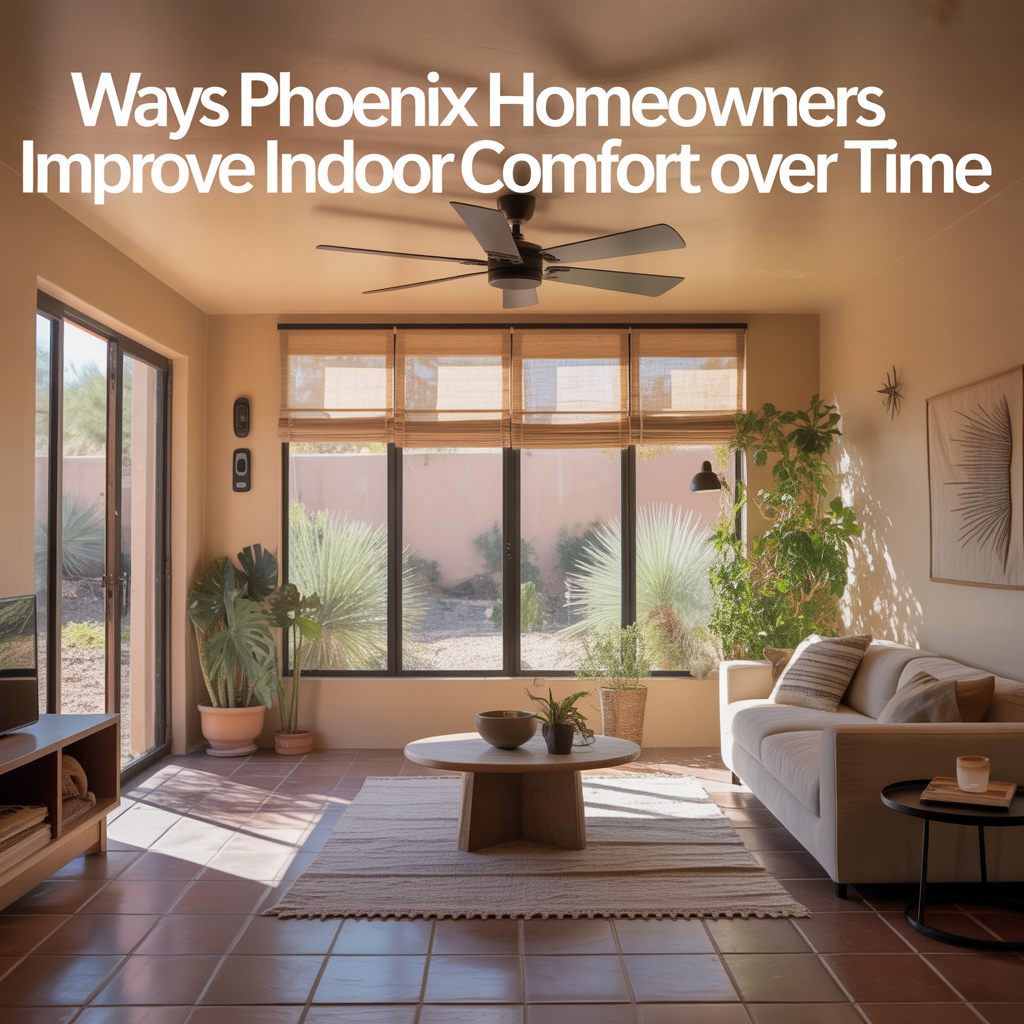
Ways Phoenix Homeowners Improve Indoor Comfort Over Time
-

How Long Cooling Seasons Influence Phoenix Home Design
-
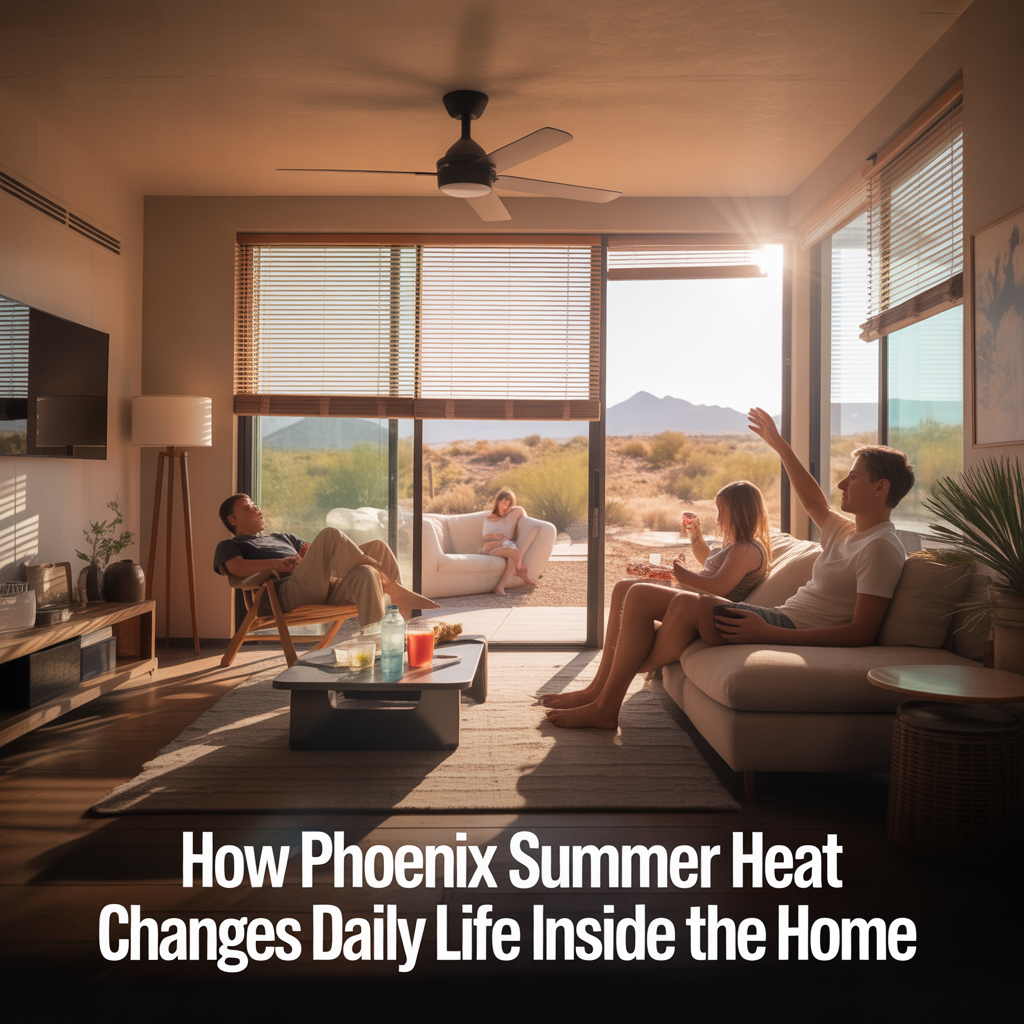
How Phoenix Summer Heat Changes Daily Life Inside the Home
-

How Long-Term Homeowners Adjust Layouts to Fit Changing Needs
-

Converting Spare Bedrooms Into Home Offices in Phoenix Homes
-

How Life Stage Changes Affect the Way Phoenix Homes Are Used
-

When Homeowners Start Rethinking Space Inside Their Phoenix Home
-
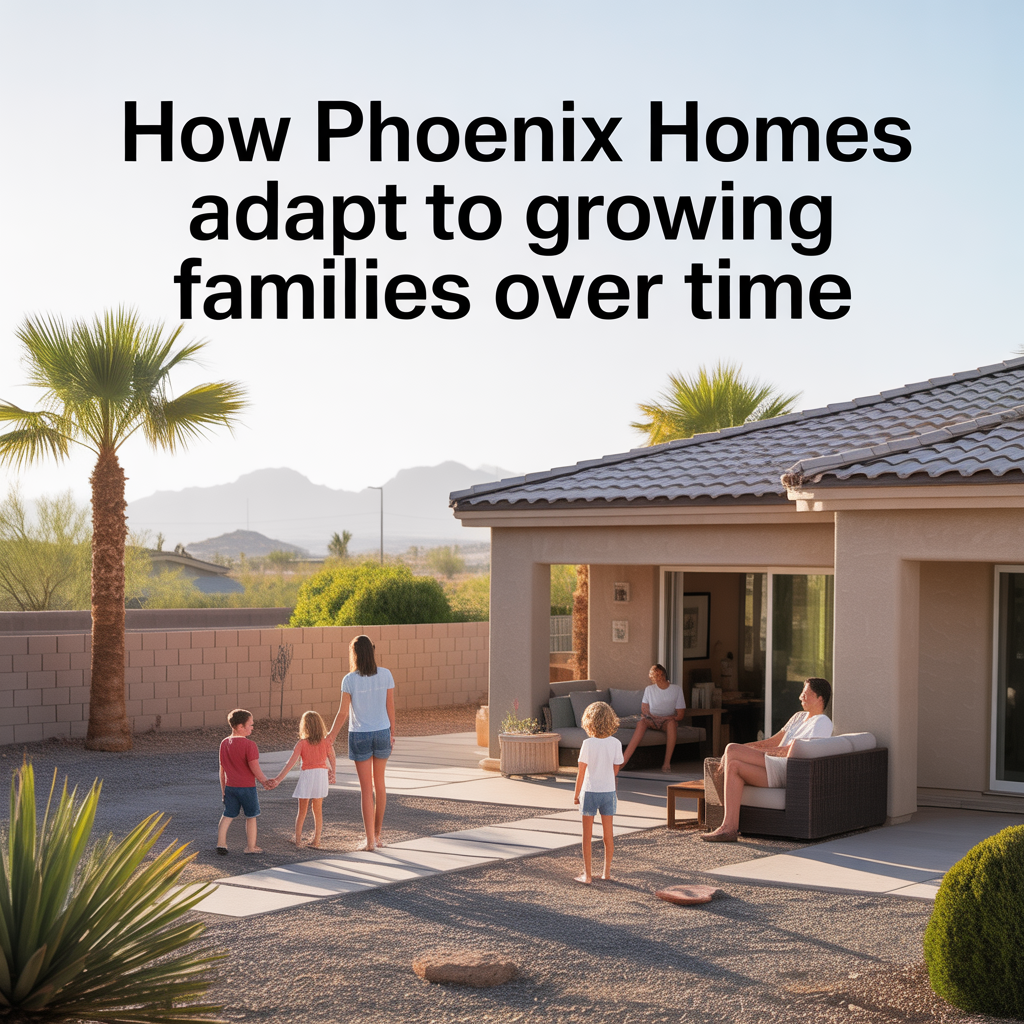
How Phoenix Homes Adapt to Growing Families Over Time
-

How Local Parks, Restaurants, and Shops Shape Life in Phoenix Neighborhoods
-

Why Long-Term Residents Experience Neighborhoods Differently Than New Buyers
-

How Phoenix Communities Shape Everyday Life for Local Residents
-
Why Neighborhood Familiarity Improves Long-Term Home Satisfaction
-
How Living in a Phoenix Neighborhood Changes After Several Years
-
Why Desert Climate Living Changes Homeownership Expectations
-
Common Home Improvements That Make Phoenix Homes More Comfortable
-

How Extreme Summer Heat Changes the Way Phoenix Homes Are Used
-
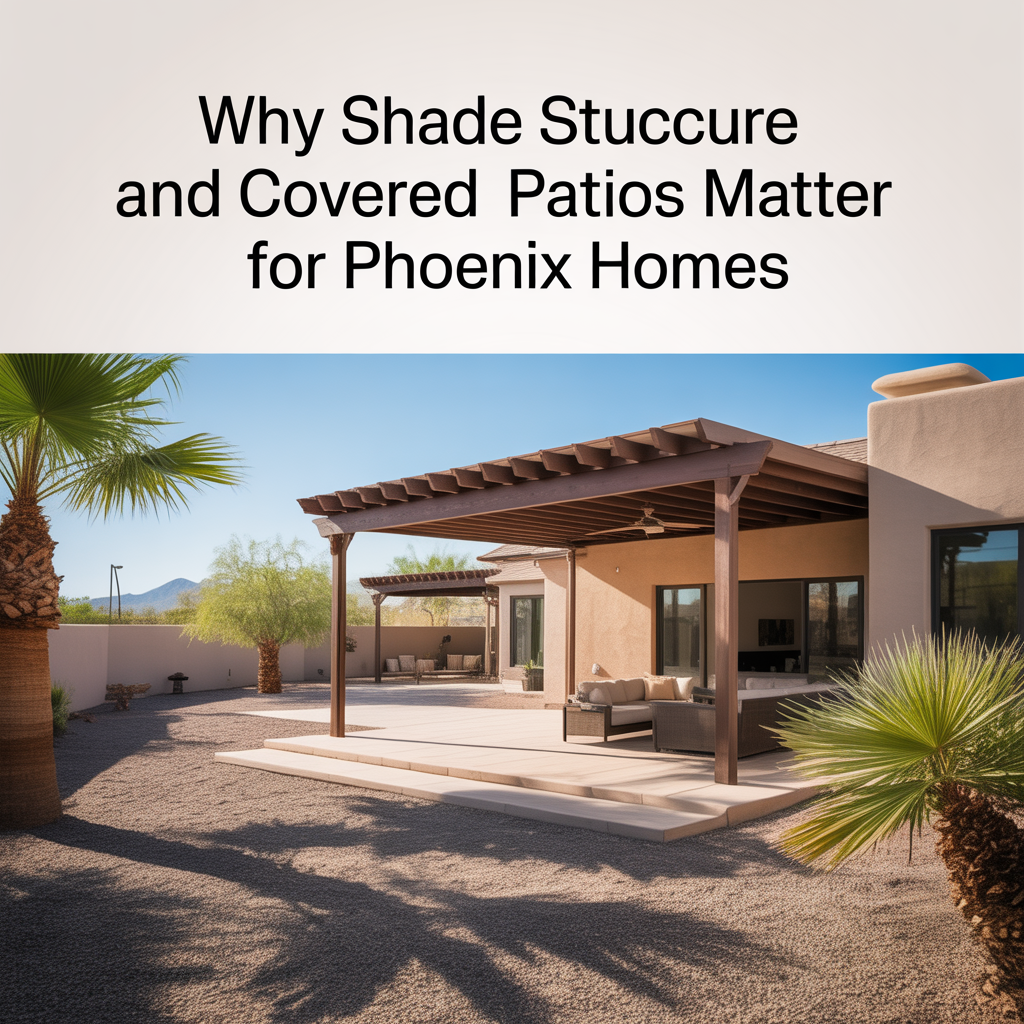
Why Shade Structures and Covered Patios Matter for Phoenix Homes
-

Cost of Living in Phoenix: Housing, Utilities, and Everyday Expenses
-

The Best Neighborhoods in Phoenix for Lifestyle, Schools, and Value
-

Homes for Sale in Phoenix Under $650K: Where Buyers Are Still Finding Deals
-
Phoenix Housing Market Forecast: Will Home Prices Rise or Fall?