



Phoenix Lifestyle Guide → [Phoenix Lifestyle Guide] & For more info on Phoenix Real Estate → [Phoenix Real Estate Guide]
Written by: Renee Burke
Daily outdoor life in Phoenix isn’t just about “liking nature” — it’s about how you move through the Valley from sunrise to sunset, season by season. Our desert, trails, canals, and neighborhood parks quietly shape everything from your morning routine to where your kids burn off energy after school.
Morning: Soft Light and Gentle Movement
Most Phoenicians who love the outdoors learn to treat early mornings as a gift. With more than 41,000 acres of desert parks and preserves and over 200 miles of trails wrapped around the city, there’s almost always a trailhead or walking path within a short drive of home.
For many people, mornings look like:
- A quick hike or jog at a nearby preserve like South Mountain, the Sonoran Preserve, or a Phoenix Mountains trail before work.
- A quiet walk around a flatland neighborhood park — one of 180+ such parks scattered across the city — while the air is still cool.
- A stroller walk or dog walk along a canal path, taking advantage of paved or hard‑packed multi‑use trails that make early movement feel easy and low‑stress.
Those little habits add up. When I’m helping clients choose a neighborhood, we often talk about whether they picture themselves as early hikers, canal walkers, or “around the block with a coffee” people — because each part of Phoenix supports those in slightly different ways.
Midday: Shade, Pools, and Strategic Choices
By late morning and afternoon, especially in the warmer months, outdoor habits get more strategic. Most residents shift toward shaded, structured, or water‑based activities that still let them be outside without fighting the heat.
Across Phoenix, you’ll find:
- Dozens of city pools — 29 at last count — where families cool off, kids take swim lessons, and adults sneak in water fitness classes.
- Community and neighborhood recreation centers that offer open gym time, structured sports, and youth programs, giving kids and teens a way to stay active even when the sun is high.
- Shaded playgrounds and ramadas in many city parks, where midday meetups or lunches outside are still possible if you stick to covered areas.
For work‑from‑home professionals or parents, this is when we talk about proximity to a good rec center, pool, or shaded park. The difference between “there’s a park, technically” and “we actually use it three times a week” often comes down to shade, water, and programming.
Late Afternoon: Canal Paths and Neighborhood Loops
As the sun begins to soften, outdoor habits start to shift back toward movement and connection. Phoenix’s canal system plays a huge role here. There are roughly 180 miles of canals across the metro, with around 57 miles of improved, paved, or enhanced canal banks in and around the city — many of them lined with public art, benches, and access points to nearby neighborhoods and shops.
Late afternoons often look like:
- Jogging, biking, or walking along the canals — a “linear trail” network used by more than 750,000 people annually for commuting, exercise, or quiet time.
- Looping around the nearest community park while kids play on fields or courts. With 182 city parks and 32 community/recreation centers, many neighborhoods have a natural gathering spot within a short drive.
- Quick, after‑school park stops where kids can run, climb, and play, while parents chat with neighbors under a ramada.
When I’m walking an area with clients in that late‑day light, we’re not just looking at houses — we’re paying attention to who’s out walking dogs, which parks feel lively, and how those daily habits actually show up on the ground.
Evenings: Cooling Off and Connecting
Evenings in Phoenix tend to be where outdoor habits and social life blend together. As temperatures ease, patios, fields, and trails fill up again.
Some common evening rhythms around the city include:
- Families heading to evening sports practices and games on city fields, supported by youth and teen sports programs offered through the parks and recreation system.
- Adults taking sunset walks or bike rides along lit sections of canal paths, many with dedicated crossings and ADA‑accessible routes that feel approachable even after dark.
- Community events, fitness classes, and seasonal programs at recreation centers that keep people active without needing a private gym membership.
In certain areas, you’ll also see people wrapping a walk or ride into a stop at a neighborhood restaurant or cafe near the canal or park — using these outdoor corridors as a gentle transition from workday to evening.
Weekends: Big Desert, Small Rituals
Weekends are when Phoenix’s outdoor assets really shine. With South Mountain, the Sonoran Preserve, and other major desert parks inside city limits, it’s very common for residents to anchor a Saturday or Sunday around time outside.
Weekend habits often include:
- Longer hikes on preserve trails, from family‑friendly loops to more challenging summit routes.
- Picnics, birthday parties, and gatherings at larger community parks with fields, splash pads, and shaded areas.
- Canal walks that turn into day trips — art spotting along the Grand Canalscape, exploring public murals, or stopping at local shops and cafes along the way.
For a lot of my clients, the question isn’t whether they’ll use the outdoors, but how. Do they want to be ten minutes from a desert trailhead, or across the street from a shaded park? Close to a canal that connects to other parts of the city, or near a recreation center where kids can play all year?
Matching Your Habits to the Right Part of Phoenix
Phoenix offers an abundance of options: desert preserves, city parks, canals, pools, and rec centers all interwoven into daily life. But not every part of the city emphasizes the same mix, and that’s where thoughtful home searching makes all the difference.
When I sit down with someone planning a move, we talk about outdoor habits as much as bedrooms and budgets:
- Are you sunrise hikers, evening walkers, or weekend‑only explorers?
- Do you value structured programs for kids, or mostly unstructured park time?
- Would you use a nearby pool regularly, or is a walkable canal path more realistic?
Those answers help us narrow in on pockets of Phoenix where your daily outdoor life will feel natural and sustainable — not like something you have to drive across town to enjoy.
A Gentle Next Step
If you’re thinking about making a move in Phoenix and your daily outdoor habits matter to you, you don’t have to piece it all together on your own. With so many parks, trails, canals, pools, and rec centers spread across the city, it can be hard to see which neighborhoods truly fit the way you live — not just what looks good on a map.
Reach out when you’re ready, and we’ll walk through your routines together — morning to night, weekday to weekend — and map them to the parts of Phoenix that feel like a natural extension of your life. If you’re thinking about making a move in Phoenix, you don’t have to figure it out alone. I’m here to be your long‑term guide, helping you find a home where stepping outside feels exactly right.
Get the full Phoenix Market Insights → [Market Insights]


-

How the Phoenix Desert Climate Shapes Everyday Life Inside the Home
-

How Phoenix Weather Patterns Shape Everyday Home Routines
-
Why Homes Often Feel More Comfortable After the First Year of Ownership
-
How Living in Phoenix Changes the Way Homeowners Use Their Homes
-
What New Phoenix Homeowners Learn During Their First Year of Ownership
-

How Daily Life Changes After the First Year of Living in a Phoenix Home
-
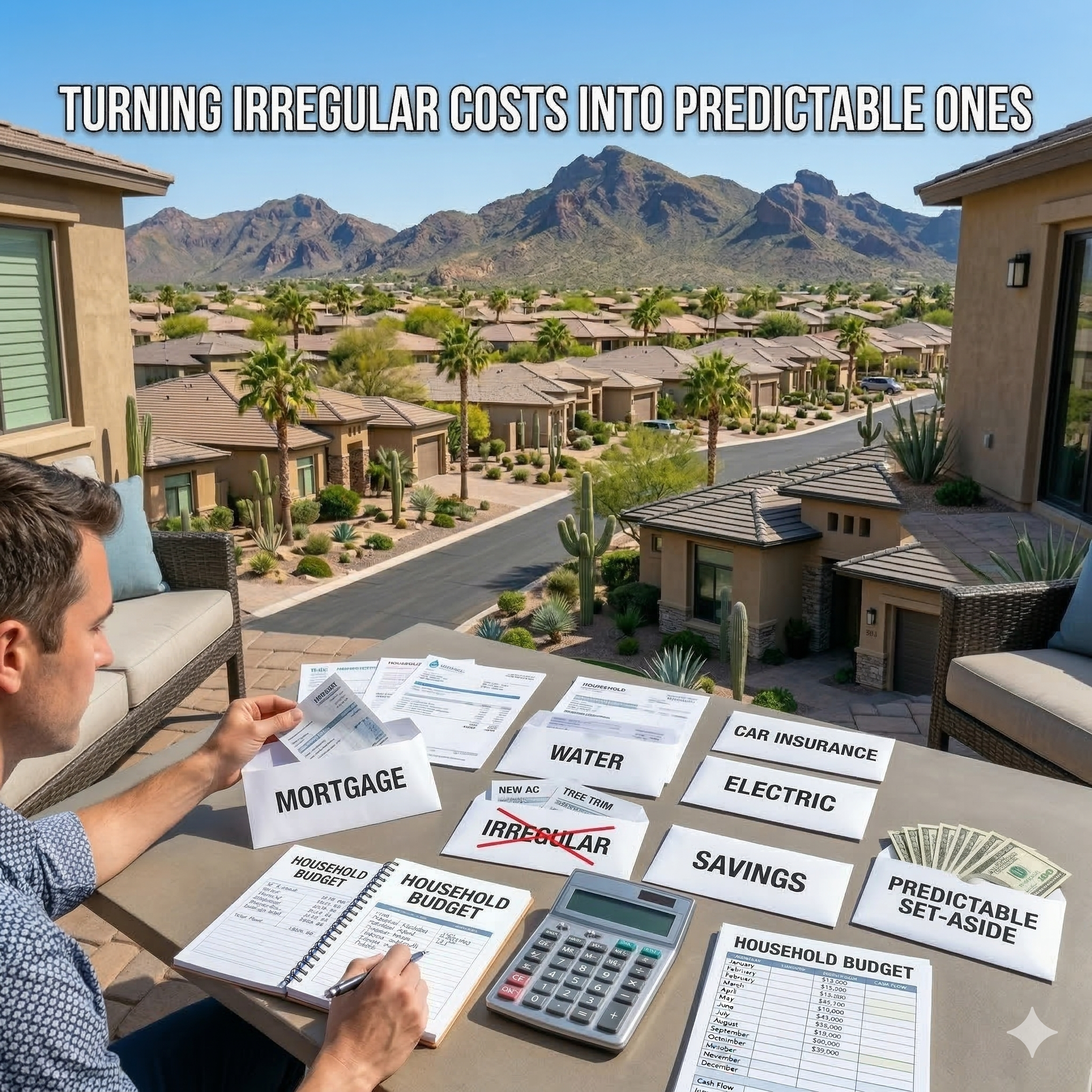
Turning Irregular Costs Into Predictable Ones
-

Budgeting for Ongoing Ownership
-
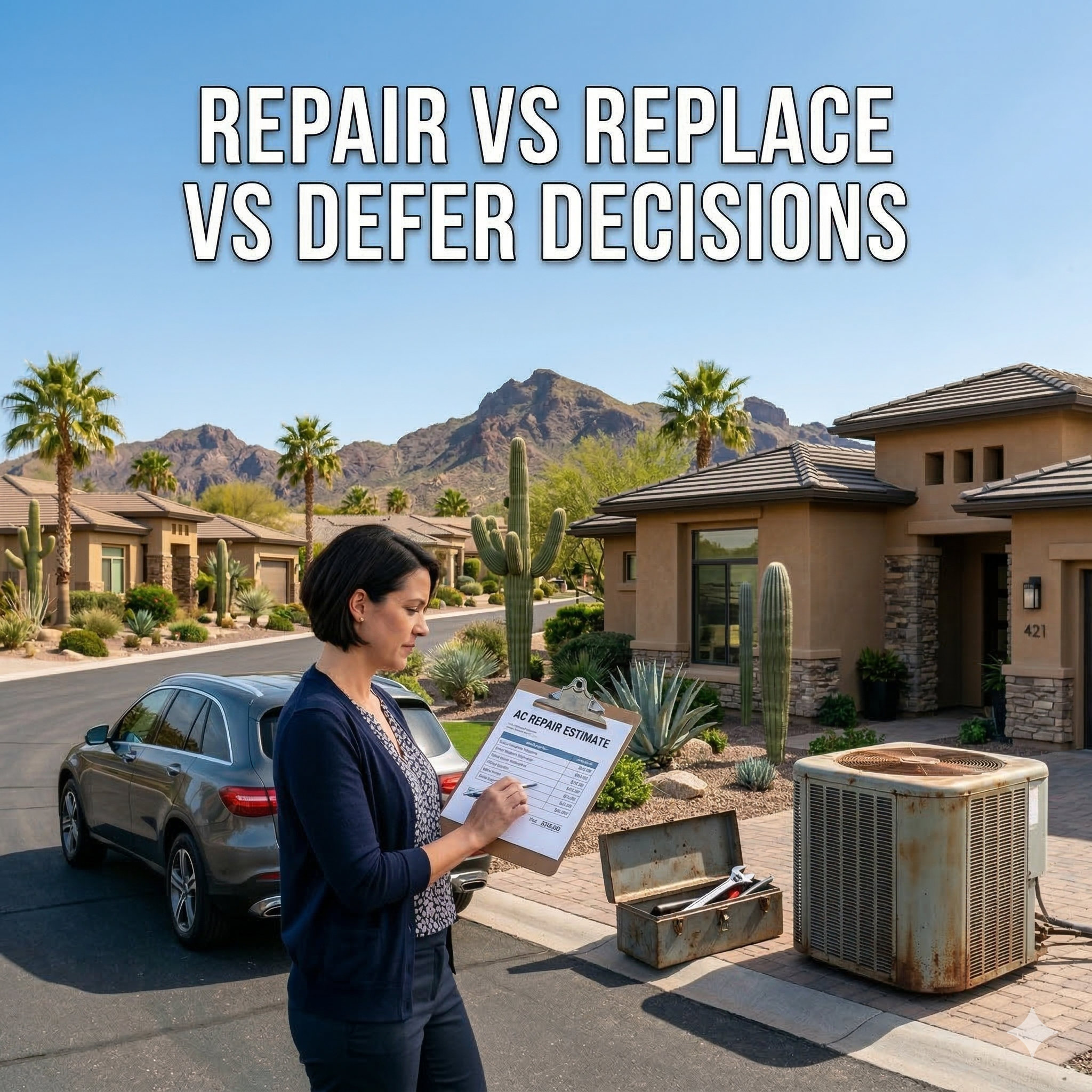
Repair vs Replace vs Defer Decisions
-

Planning Homeownership Like a Long-Term Asset
-

What Home Expenses You Can Safely Delay
-

Stopping Cost Creep Early
-

Cash Flow vs Net Worth Stress
-

Why “It’s Not That Much” Adds Up
-

Warning Signs Your Ownership Budget Is Tightening
-

The Cumulative Cost of Small Home Repairs
-

Designing Budgets Around Local Conditions
-
Utility Costs Over Time in Desert Climates
-

Insurance Increases Explained for Arizona Homeowners
-

How Inflation Impacts Phoenix Homeownership Costs
-

Avoiding Debt-Driven Homeownership Decisions
-

Replacing Systems on Your Timeline
-

Why Emergency Repairs Cost More
-

Timing Major Expenses Without Financial Shock
-
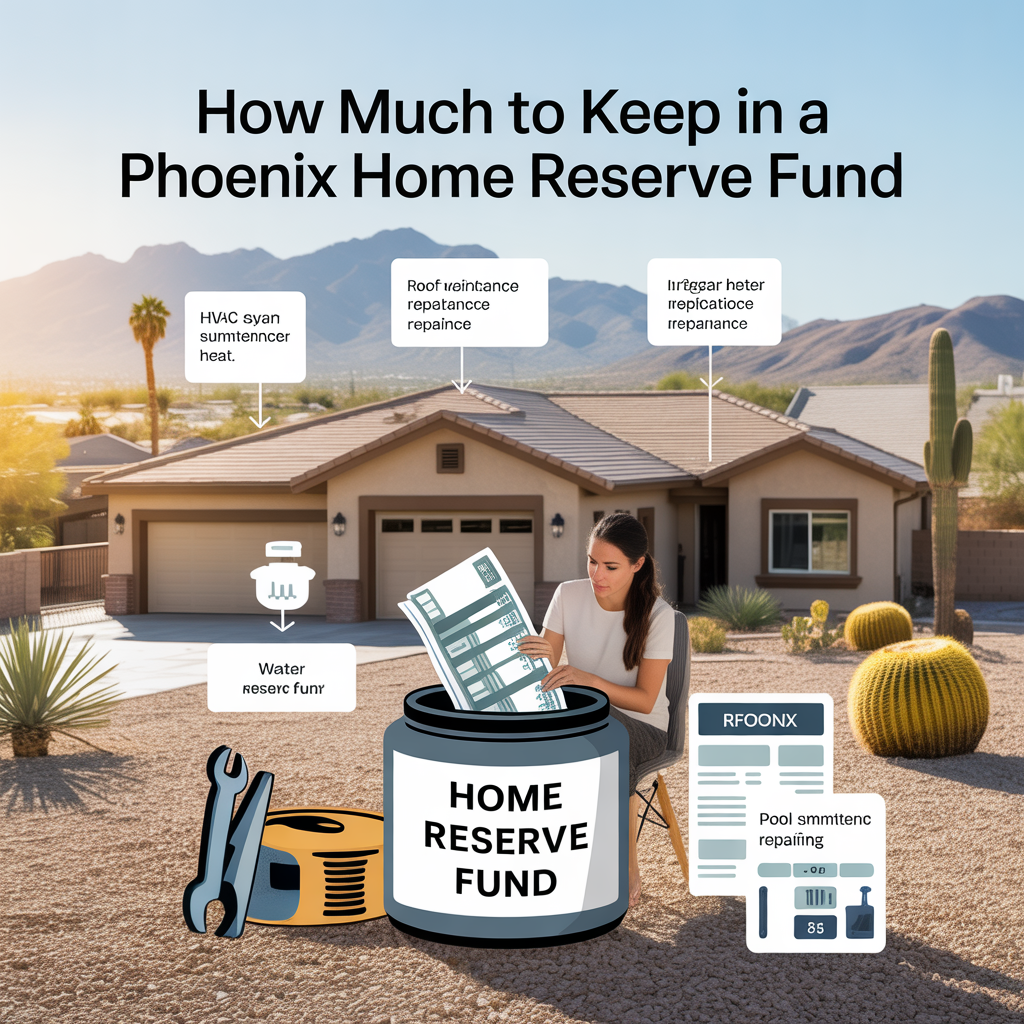
How Much to Keep in a Phoenix Home Reserve Fund