



Phoenix Lifestyle Guide → [Phoenix Lifestyle Guide] & For more info on Phoenix Real Estate → [Phoenix Real Estate Guide]
Written by: Renee Burke
Living in the Valley means you’ve likely felt that familiar frustration—a cross-town trip that should take 30 minutes stretches into an hour, all because of one clogged stretch of freeway. Phoenix’s growth has made certain corridors notorious for heavy, stop-and-go traffic, especially during morning and evening rushes when West Valley workers head east or East Valley families aim downtown.
I’ve navigated these routes for years, advising clients on how they shape daily life and home choices. These aren’t just traffic jams; they’re reminders to pick neighborhoods where your commute aligns with your rhythm, not against it.
The I-10 Backbone: East-West Crunch
No conversation about heavy cross-valley trips starts anywhere but Interstate 10. This east-west lifeline carries over 300,000 vehicles daily through central Phoenix, from the 7th Street to 16th Street core near Sky Harbor. West Valley commuters from Avondale or Goodyear merge in, only to crawl past the airport toward Tempe and Mesa.
Rush hour amplifies it—7 to 9 a.m. eastbound, 4 to 6 p.m. westbound—when semis, airport traffic, and suburban drivers collide. The Broadway Curve, where Loop 202 dumps more volume, turns a straight shot into a parking lot. For South Mountain-area residents, this feels personal; what looks like a quick hop on paper becomes a daily tax on your patience.
Construction or a single fender-bender ripples for miles, which is why I gently nudge clients toward homes with Loop 202 alternatives if I-10 defines their route.
Loop 101 and North-South Pressures
Heading north-south? Loop 101’s stretch from Broadway Road to Apache Boulevard/Main Street bears the brunt, especially bordering ASU in Tempe. Game days or class changes spike it further, blending student traffic with East Valley commuters funneling onto U.S. 60 or Loop 202.
This corridor links major employers in Scottsdale and Mesa, but the Price Freeway interchange creates a bottleneck that tests everyone’s nerves. Northbound mornings feel heaviest, with Peoria and Glendale drivers joining the fray toward Phoenix proper. It’s the kind of slow grind that makes you rethink living too far from your job.
West Valley extensions along Loop 303 are growing, but for now, 101 remains a pressure point—particularly if your trips cross from Chandler to Paradise Valley.
Superstition Freeway’s East Valley Squeeze
U.S. 60—the Superstition Freeway—hits hard between Alma School and Dobson Roads in Mesa. Retail hubs, park-and-rides, and office parks feed constant volume, turning what should be a swift Valley traverse into bumper-to-bumper reality.
East Valley families heading west to Phoenix or south to Chandler feel it most; afternoon peaks reverse the flow, clashing with shoppers and school dismissals. Sharp on-ramps exacerbate weaving, and monsoons make it treacherous. I’ve seen buyers rule out Mesa homes entirely over this stretch, opting for Gilbert spots with quieter arterials.
It’s a reminder that East-West balance matters—proximity to 60 can be convenient until it isn’t.
I-17 Northward Challenges
Interstate 17, the Black Canyon Freeway, weighs heavy from Camelback Road to Peoria Avenue. Trucks climbing grades near old Metrocenter slow the pace, while tight interchanges at I-10 create weaving chaos. Northbound commutes to Anthem or Flagstaff feel endless; southbound evenings pack in Anthem commuters and delivery rigs.
Durango Curve remains a flashpoint—congestion plus speed traps keep tensions high. For Northwest Valley folks in Surprise or Sun City, this corridor defines cross-valley pain, pushing many toward remote work or Loop 101 bypasses.
West Side Arterials: Local Heavy Hitters
Beyond freeways, surface streets amplify the ache. 67th Avenue, from McDowell to Indian School, sees relentless stop-go with left-turn conflicts and pedestrian crossings. 51st Avenue at Camelback or Thomas Road buzzes with shoppers and commuters, narrow lanes breeding rear-ends.
27th Avenue and Camelback tops danger lists for good reason—pedestrians, retail pull-offs, and impatient turns clog the flow. These aren’t freeway epics but daily grinds for Maryvale or West Phoenix residents crossing to central hubs. Indian School Road’s 40-mile span, especially west of 53rd Avenue, mirrors this—high pedestrian activity and lane dances make cross-valley feel heavier than it should.
Why These Areas Drag on Lifestyle
These heavy zones aren’t abstract; they shape how you live. A 45-minute I-10 slog means less family time, more stress, higher gas tabs. Families in Goodyear dread the eastbound merge; Tempe professionals time meetings around 101 pulses.
Misconceptions abound—“Just leave earlier”—but peaks overlap with school runs and shift changes. Heat-fueled fatigue in summer worsens it, turning commutes into endurance tests. I address this patiently with buyers: Map your routes, test at rush hour, prioritize alternatives like Loop 202’s South Mountain Freeway for through-traffic relief.
Proximity to park-and-rides or micro-mobility like Pocket eases some pain—park west of the worst, rail or scoot the rest. Hybrid schedules help too, but awareness prevents regret.
Real Estate Angles on Traffic Reality
When touring homes, traffic intelligence guides us. West Valley gems shine if they sidestep 67th Avenue; East Valley picks favor quiet Gilbert roads over Superstition exposure. Sellers highlight bypasses—“Loop 303 just minutes away”—to counter perceptions.
Neighborhoods near relief valves—like Peoria’s Arrowhead or Chandler’s Price Corridor—hold appeal for cross-valley workers. Long-term, widening projects promise easing, but Phoenix grows faster than lanes expand. Choose thoughtfully; a home’s location should lift your days, not weigh them down.
| Corridor | Peak Direction | Key Pain Points | Neighborhood Impact |
|---|---|---|---|
| I-10 (7th-16th St) | East AM, West PM | Airport merges, Broadway Curve | South Phoenix, Avondale |
| Loop 101 (Broadway-Apache) | North AM | ASU pulses, Price interchange | Tempe, Scottsdale edge |
| US-60 (Alma School-Dobson) | West PM | Retail feeders, on-ramps | Mesa, Chandler |
| I-17 (Camelback-Peoria) | South PM | Truck grades, Durango Curve | Glendale, Peoria |
| 67th Ave (McDowell-Indian School) | Both | Turns, pedestrians | Maryvale, West Phoenix |
Navigating with Confidence
Test drives reveal truth—use apps like Waze religiously, note event spikes (Suns games flood I-10). Monthly passes for rail cut solo drives. And yes, Loop 202’s expansions offer hope, diverting pass-throughs from local pain.
Phoenix traffic tests us, but smart choices—neighborhoods tuned to your flow—make it manageable.
A Warm Note to Close
If heavy cross-valley trips are factoring into your Phoenix plans—maybe weighing a West Valley move or East Valley upgrade—you don’t have to sort it alone.
I’ve mapped these realities for years, pairing lifestyles with spots where commutes feel lighter and life flows easier.
If you’re thinking about making a move in Phoenix, you don’t have to figure it out alone. Let’s talk your routes, your worries, your dreams—and find the neighborhood that turns traffic into just background noise.
Get the full Phoenix Market Insights → [Market Insights]


-
Cost of Living in Rhode Island: Housing, Taxes, Utilities, and Everyday Expenses
-

What If My Commute Becomes Worse Than Expected?
-

How Aging Home Systems Affect Property Value
-

Energy Efficiency Upgrades for Phoenix Homes
-
How to Plan for Major Home System Replacements
-

When Phoenix Homeowners Should Replace Water Heaters
-

Repair vs Replace Decisions for Phoenix HVAC Systems
-
Creating a Long-Term Home Maintenance Plan
-

How Often Phoenix Homes Should Be Professionally Inspected
-
Early Warning Signs of Major Home System Failures
-

How Preventative Maintenance Protects Phoenix Property Value
-

The Best Annual Home Maintenance Plan for Phoenix Homes
-

Electrical Safety Inspections for Older Phoenix Homes
-
Why Whole-Home Surge Protection Matters in Arizona
-

Preparing a Phoenix Home for Electric Vehicle Charging
-

Signs Your Home’s Electrical System Is Overloaded
-
When Phoenix Homes Need Electrical Panel Upgrades
-

Water Pressure Problems in Phoenix Homes Explained
-

Preventing Irrigation Leaks That Waste Water in Desert Landscapes
-

Signs of Hidden Plumbing Leaks in Phoenix Houses
-

How Long Water Heaters Last in Arizona Homes
-

How Hard Water Affects Plumbing Systems in Phoenix Homes
-

Preventing Water Damage in Phoenix Homes During Storms
-

Roof Maintenance Tips Before Phoenix Monsoon Season
-
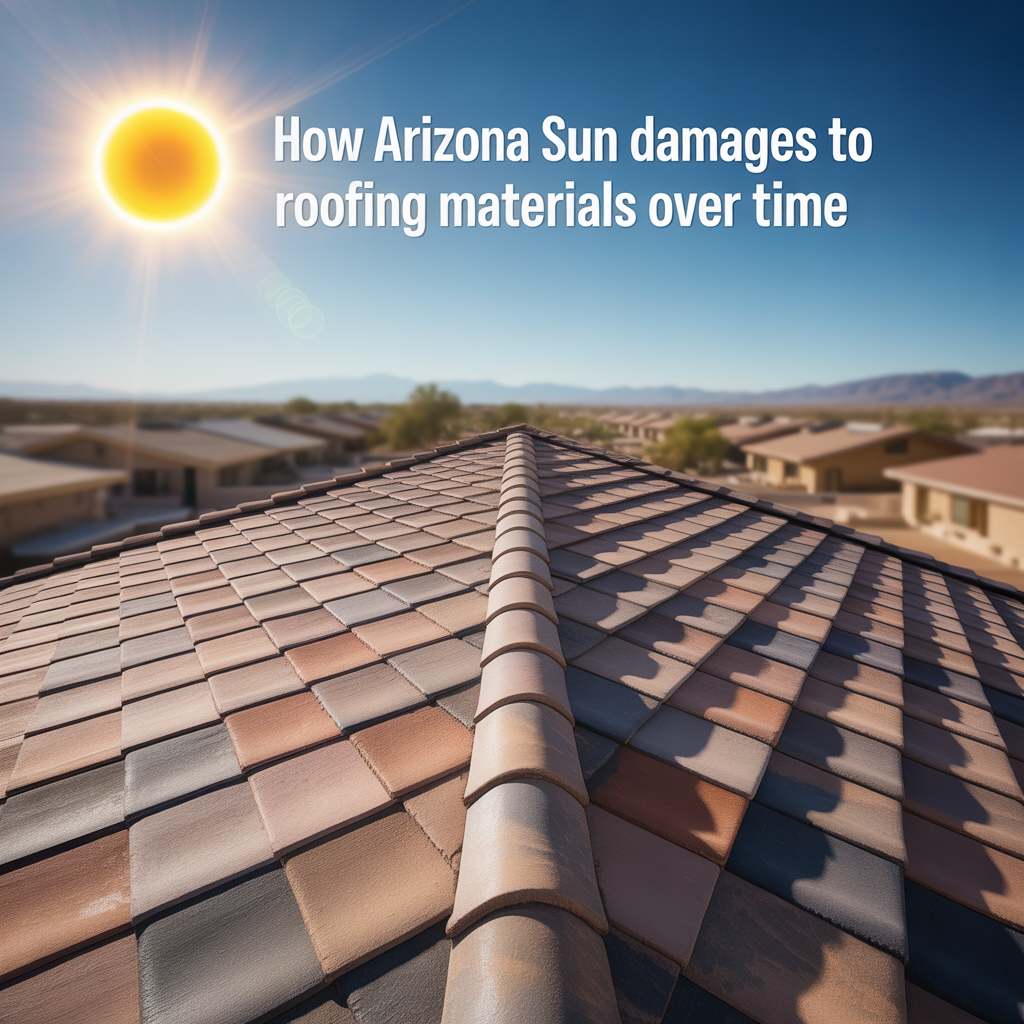
How Arizona Sun Damages Roofing Materials Over Time