



Phoenix Lifestyle Guide → [Phoenix Lifestyle Guide] & For more info on Phoenix Real Estate → [Phoenix Real Estate Guide]
Written by: Renee Burke
Congestion in the Valley doesn’t just slow your car — it reshapes your entire day, from when you leave for school drop-off to how you plan date nights. Phoenix drivers lose 76 hours a year to traffic, up from pre-pandemic levels, turning predictable routines into careful calculations. As someone who’s seen families adjust their lives around these patterns, I know it’s about more than frustration — it’s about reclaiming time for what matters.
Our sprawling layout means congestion ripples into every corner of daily life. Morning rushes stretch breakfasts, midday deliveries clog arterials, and evenings shift family dinners later. Thoughtful adaptations make it manageable, letting you hold onto the Valley’s sunny rhythm.
Morning Routines: Earlier Starts, Shifted Schedules
Peak inbound flows from 6:30-9 a.m. push families outward to beat the crawl. West Valley parents in Buckeye leave 45 minutes early for downtown schools, swapping leisurely coffee for grab-and-go at Circle K.
- School runs time to 6:45 a.m. drop-offs, with carpool lines forming pre-sunrise.
- Gym sessions slide to 5:30 a.m. — OrangeTheory in Gilbert fills before 6, as Loop 202 Santan backs up.
- Grocery stops vanish; weekly Costco hauls happen Sundays when stacks ease.
This creates a new normal: quicker showers, packed lunches prepped nightly, and podcasts filling the extra windshield time. Remote workers gain quiet mornings, but hybrid folks layer errands into lunch hours.
Midday Shifts: The New Congestion Frontier
Post-pandemic, midday traffic rivals rush hour — Thursday 4 p.m. now peaks, blending deliveries, flex commutes, and appointments. Lunch runs to Fry’s stretch 20 minutes longer, nudging meetings to screens.
- Remote pros bundle pharmacy picks with coffee at 11 a.m., dodging 1 p.m. Loop 101 snarls.
- Delivery booms fill Amazon vans on Baseline, slowing soccer mom carpools.
- Caregivers schedule doctor visits pre-noon; afternoon Phoenix Children’s waits balloon.
Routines adapt with neighborhood clusters — Arcadia folks walk to Lincoln shops, while Queen Creek families stock deeper pantries. It fosters intentionality: meal prep Sundays, online orders for sundries.
Evening Patterns: Later Dinners, Earlier Nights
Outbound 3:30-6:30 p.m. waves turn 5 p.m. errands into 6:30 arrivals. Families eat at 7 now, with kids’ practices wrapping by 8 to miss I-10’s Dysart crawl.
- Date nights shift to 6 p.m. dinners in Chandler, home by 9 before northbound 101 locks.
- Grocery after work? Skip it — evening aisles overflow, prices spike.
- Socializing localizes: Verrado block parties beat Glendale drives.
This builds tighter neighborhood bonds — backyard hangs replace central bar hops. Sleep schedules advance too; 10 p.m. bedtimes reclaim lost hours.
Long-Term Lifestyle Molds
Congestion nudges bigger changes. Families pick homes near school-work triangles — Ahwatukee over Avondale for Sky Harbor ease. Hybrid schedules bloom; full remote rises in edges like Queen Creek.
Social circles shrink to 10-mile radii, deepening local ties but thinning urban networks. Wellness adapts: Peloton replaces rush-hour gym drives, desert walks fill gaps. Economically, it’s $774 per driver yearly — gas, time, stress — favoring carpool HOVs and light rail hops.
Yet resilience shines. ADOT’s Loop 303 and 202 widenings promise relief by 2027, while apps like AZ511 turn frustration into foresight. Phoenix routines evolve stronger, prioritizing presence over pace.
If you’re thinking about making a move in Phoenix, you don’t have to figure it out alone. Whether congestion’s rewriting your days or you’re ready for a neighborhood that flows better, I’d love to map it with you. Reach out anytime — together, we’ll shape routines as steady and warm as our Valley sunrises.
Get the full Phoenix Market Insights → [Market Insights]


-

Designing Outdoor Living Spaces for Phoenix’s Unique Climate
-

How Pools and Shade Structures Change Backyard Living in Phoenix
-

Why Covered Patios Are One of the Most Valuable Features of Phoenix Homes
-

How Phoenix Homeowners Transform Their Outdoor Living Spaces Over Time
-

Ways Phoenix Homeowners Improve Indoor Comfort Over Time
-

How Long Cooling Seasons Influence Phoenix Home Design
-

How Phoenix Summer Heat Changes Daily Life Inside the Home
-

How Long-Term Homeowners Adjust Layouts to Fit Changing Needs
-

Converting Spare Bedrooms Into Home Offices in Phoenix Homes
-

How Life Stage Changes Affect the Way Phoenix Homes Are Used
-

When Homeowners Start Rethinking Space Inside Their Phoenix Home
-
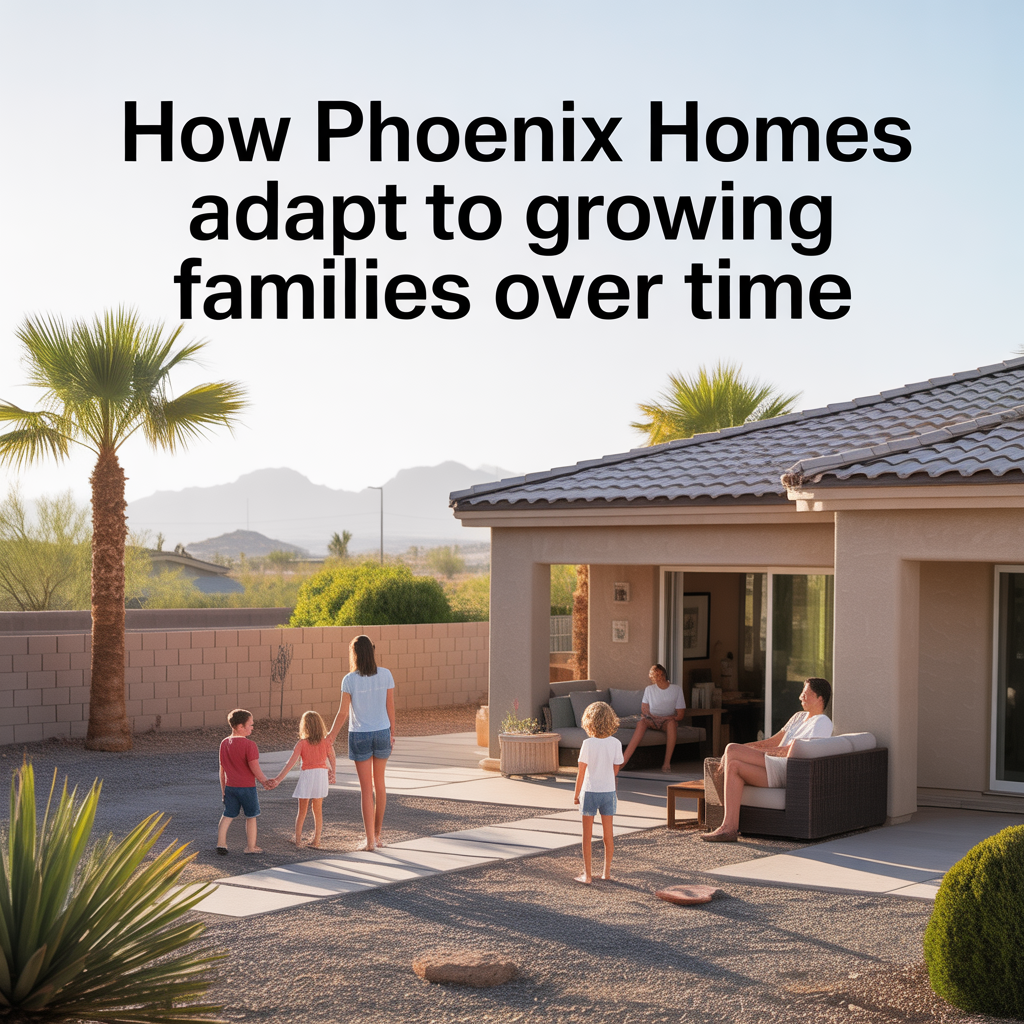
How Phoenix Homes Adapt to Growing Families Over Time
-

How Local Parks, Restaurants, and Shops Shape Life in Phoenix Neighborhoods
-

Why Long-Term Residents Experience Neighborhoods Differently Than New Buyers
-

How Phoenix Communities Shape Everyday Life for Local Residents
-
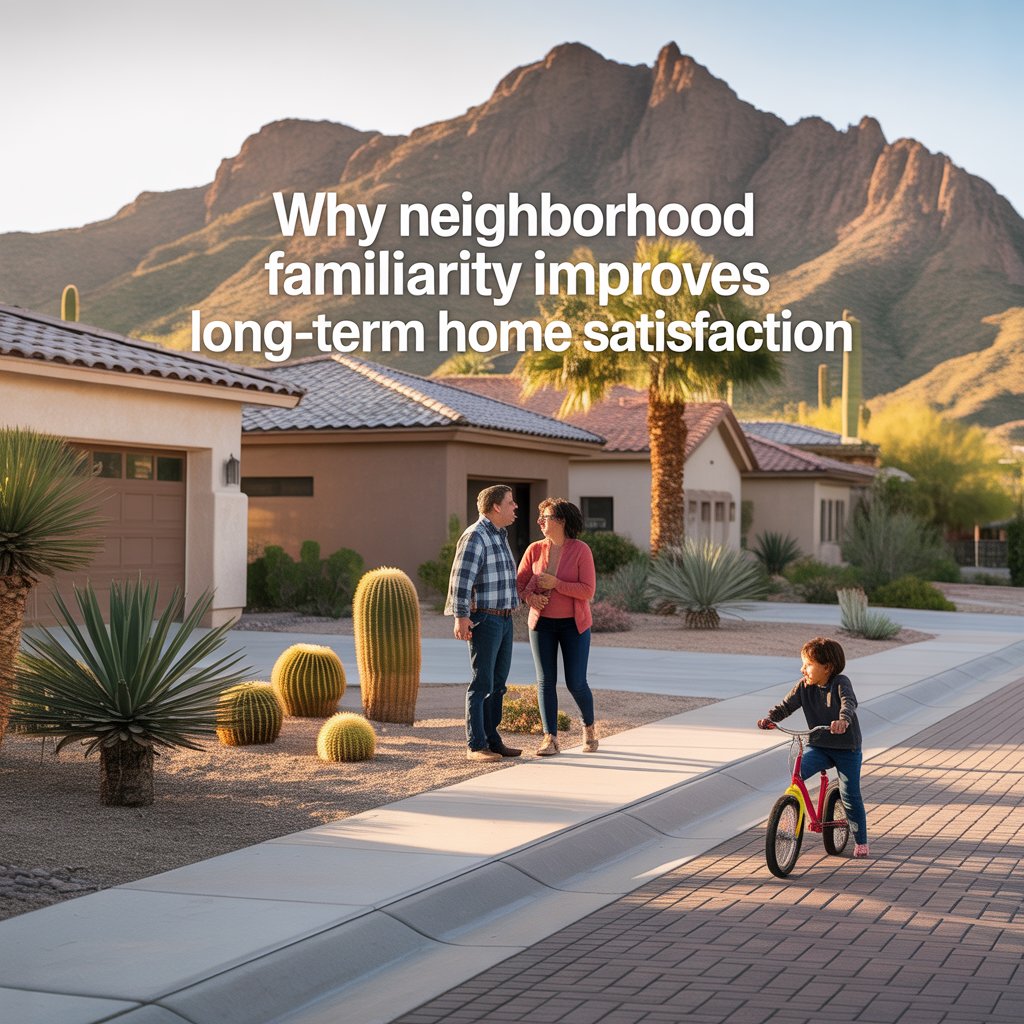
Why Neighborhood Familiarity Improves Long-Term Home Satisfaction
-

How Living in a Phoenix Neighborhood Changes After Several Years
-

Why Desert Climate Living Changes Homeownership Expectations
-

Common Home Improvements That Make Phoenix Homes More Comfortable
-

How Extreme Summer Heat Changes the Way Phoenix Homes Are Used
-

Why Shade Structures and Covered Patios Matter for Phoenix Homes
-

Cost of Living in Phoenix: Housing, Utilities, and Everyday Expenses
-

The Best Neighborhoods in Phoenix for Lifestyle, Schools, and Value
-

Homes for Sale in Phoenix Under $650K: Where Buyers Are Still Finding Deals
-

Phoenix Housing Market Forecast: Will Home Prices Rise or Fall?