



Phoenix Lifestyle Guide → [Phoenix Lifestyle Guide] & For more info on Phoenix Real Estate → [Phoenix Real Estate Guide]
Written by: Renee Burke
Phoenix freeways form a web that holds our Valley together, linking suburbs to jobs, schools, and sunsets with remarkable precision. Once you grasp the main connections — how I-10 threads through the heart, Loop 101 arcs north, and Loop 202 belts the south — navigating feels intuitive, not overwhelming. I’ve traced these routes with clients for years, turning what seems complex into simple paths home.
Our system revolves around three spines: I-10 east-west, I-17 north-south, and U.S. 60 diagonal, with loops creating shortcuts and outer rings. These hubs shape daily choices, from morning coffee runs to weekend escapes. Let’s map the essentials.
The Core Spines: I-10, I-17, and U.S. 60
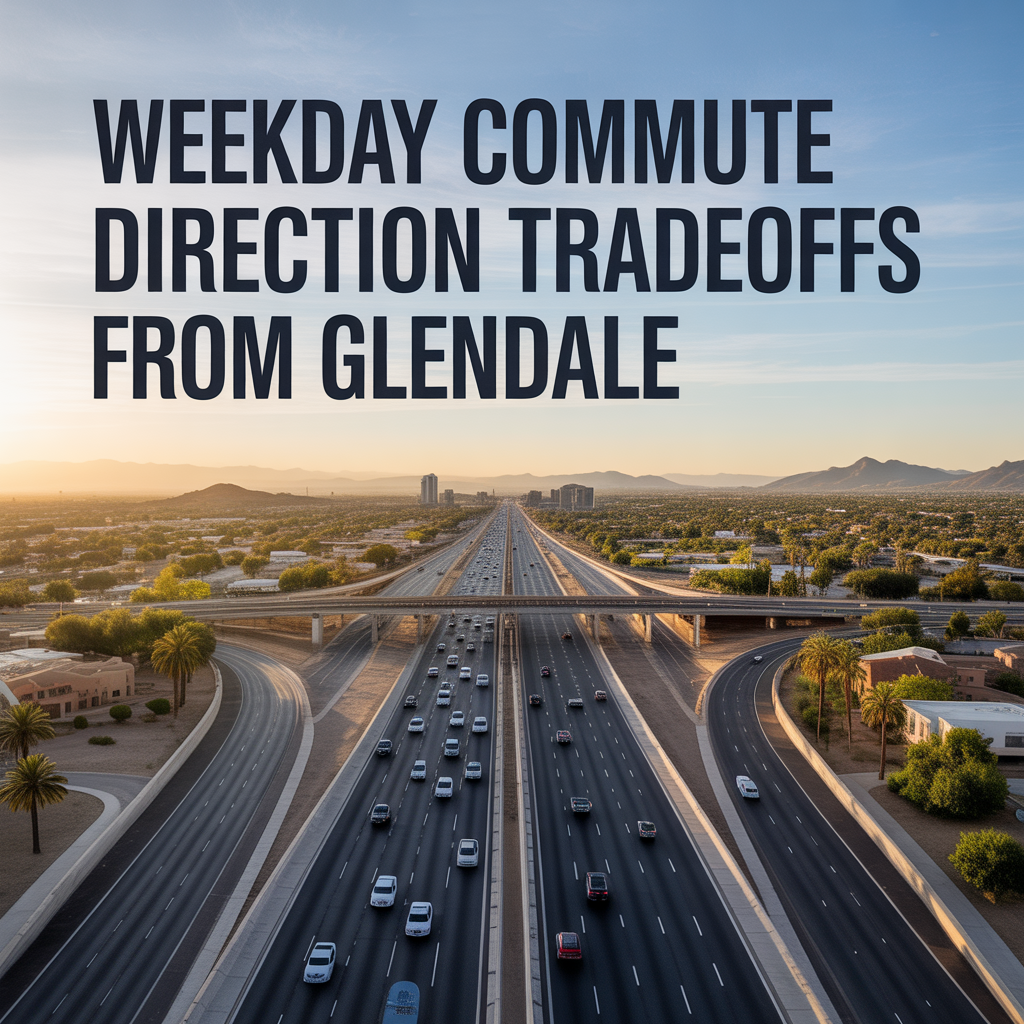
I-10 (Papago and Maricopa Freeways) runs the Valley’s length, from Buckeye through downtown to Chandler. It’s the busiest artery — westbound evenings crawl from Sky Harbor, eastbound mornings flow from suburbs.
- Key ties: Stack Interchange with I-17 (west Phoenix), Mini-Stack with SR-51/Loop 202 (near airport), Broadway Curve to U.S. 60 (Tempe).
- Serves: West Valley (Goodyear) to East Valley (Casa Grande gateway).
I-17 (Black Canyon Highway) links Phoenix north to Flagstaff, curving through Glendale. Southbound mornings feed downtown; northbound evenings escape to Anthem.
- Major node: Stack with I-10, future Loop 303 upgrade.
- Vital for: North suburbs, Sedona trips.
U.S. 60 (Superstition Freeway) diagonals east from Tempe through Mesa and Apache Junction. Westbound mornings crush from Gilbert; it’s East Valley’s workhorse.
- Connects: SuperRedTan Interchange (Loop 202), I-10 Broadway Curve.
Beltway Champions: Loops 101 and 202
Loop 101 (Agua Fria, Pima, Price Freeways) traces an inverted U north-to-southeast: west (Avondale), north (Peoria), east (Scottsdale), south (Chandler).
- Critical junctions: I-10 in Avondale (widening 2026), SR-51 Mini-Stack, Loop 202 in Tempe (weave hotspot), Santan terminus.
- Unlocks: North Scottsdale, Deer Valley Airport without core traffic.
Loop 202 (Red Mountain, Santan, South Mountain Freeways) belts south: Red Mountain (Tempe to Mesa), Santan (Gilbert to Chandler), South Mountain (Ahwatukee to I-10 west).
- Standouts: Mini-Stack start, SuperRedTan with U.S. 60, I-10 stacks in Chandler and west Phoenix.
- Game-changer: Bypasses downtown for East-West Valley hops.
Emerging and Support Links
Loop 303 (Bob Stump Memorial Parkway) rings far West Valley from I-10 near 91st Ave north to I-17. Widening to Glendale eases Buckeye growth.
- Ties: Future SR-30 south, Loop 101 east.
SR-51 (Arizona Veterans Highway) stubs north from Mini-Stack through Phoenix to Cave Creek. Private toll road speeds central-north access.
SR-143 (Hohokam Expressway) funnels Sky Harbor east; short but essential.
| Connection | Links | Best For |
|---|---|---|
| Stack (I-10/I-17) | West Valley ↔ Downtown | Core transits |
| Mini-Stack (I-10/202/51) | Airport ↔ Tempe | Central hub |
| SuperRedTan (202/60) | Mesa ↔ Gilbert | East Valley |
| Loop 101/202 Tempe | Scottsdale ↔ Chandler | Beltway skip |
| Loop 303/I-10 | Buckeye ↔ Glendale | West growth |
How Connections Shape Choices
These links dictate lifestyle: South Mountain Freeway saves Ahwatukee 30 minutes to West Valley. Loop 101 spares North Scottsdale the Stack. Construction (Loop 101 Pima 2026) shifts flows — surface arterials like Shea or Baseline bridge gaps.
For homebuyers, proximity to hubs boosts ease: Chandler near Santan/I-10 stacks feels connected without chaos. Test peak drives; what glides off-peak stalls in rush.
Mastering these turns Phoenix’s scale manageable — 80 miles end-to-end becomes neighborhoods away.
If you’re thinking about making a move in Phoenix, you don’t have to figure it out alone. Whether decoding freeway ties for your commute or finding a home where connections flow seamlessly, I’d be happy to guide you. Reach out anytime — together, we’ll navigate the Valley with confidence.
Get the full Phoenix Market Insights → [Market Insights]


-

Separating Lifestyle Spending From Homeownership Costs
-
How Usage Changes Monthly Ownership Costs
-

Planning Around Utility Cost Volatility
-

Why Variable Expenses Drive Most Budget Stress
-

Fixed Costs That Aren’t Actually Fixed
-

Budgeting for the House You’ll Own in Five Years
-

Why Ownership Cash Flow Feels Tighter Over Time
-
How Escrow Masks Long-Term Cost Growth
-

Why Your Mortgage Payment Isn’t Your True Housing Cost
-

Cross-Valley Trips: When They Feel Easy vs Heavy
-

Remote-Work Friendly Pockets in Glendale
-

School-Run Congestion Zones and Timing
-

Arterial Routing and “Daily Loop” Efficiency
-

State Farm Stadium and it’s Effect on Life and Property Value
-

Freeway Access as a Lifestyle Multiplier in Glendale
-

Event-Night Traffic Impacts and Avoidance Strategies
-
Weekday Commute Direction Tradeoffs From Glendale
-

Season Shifts in Outdoor Time in Glendale
-

Shade, Tree Cover, and Neighborhood Comfort
-

Dog and Kid Friendly Outdoor Routines
-

Trail Access That Feels Routine-Friendly
-

Sports Parks and Family Recreation Patterns
-
Map Proximity vs Summer Usability in Glendale
-

Daily-Use Parks vs Weekend Outdoor Trips
-

Top 10 “Date Night Out” Spots in Glendale