



Phoenix Lifestyle Guide → [Phoenix Lifestyle Guide] & For more info on Phoenix Real Estate → [Phoenix Real Estate Guide]
Written by: Renee Burke
When you live in the Valley, you quickly learn that how you get around is almost as important as where you live. The Phoenix metro area stretches wide, with freeways twisting through mountain preserves, downtown corridors, and growing suburban hubs. Whether you’re commuting to work, heading to a Suns game, or just trying to save a little gas and stress, the park‑and‑ride lots scattered around our region have quietly become one of the most practical, underappreciated conveniences of daily life here.
As someone who has lived and worked in the Phoenix area for years, I’ve seen these transit spots evolve—becoming cleaner, safer, and better integrated with our bus and light rail systems. They’re not just places to leave your car; for many residents, they’re the starting point to an easier rhythm of life.
Why Park‑and‑Ride Matters in Phoenix
Phoenix isn’t a compact, walkable city in the traditional sense. It’s a network of cities—Tempe, Mesa, Glendale, Chandler, Peoria—all connected by freeways and arterials that can mean anything from a smooth 15‑minute drive to a 50‑minute crawl. For a long time, the default answer was “just drive,” but that’s starting to shift.
Rising gas prices, long daily commutes, and the Valley Metro system’s steady growth have made public transit a more viable—and surprisingly comfortable—option. For many professionals, students, or families who live in the suburbs but work or study downtown, park‑and‑ride facilities are the bridge that makes it all possible.
If you’ve ever felt like options for reducing commute stress in Phoenix were limited, you might be pleasantly surprised by how many well-maintained park‑and‑ride locations surround the metropolitan area.
The Valley Metro Light Rail Connection
The light rail line is the backbone of Phoenix’s regional transit, running 28 miles from northwest Phoenix through downtown, into Tempe and Mesa. If you’ve spent time near any of the larger park‑and‑ride hubs, you’ve probably noticed how integrated they are with the light rail.
Key stations such as:
- 19th Avenue and Dunlap Park‑and‑Ride — A busy northwest terminal with quick freeway access.
- Central Avenue and Camelback — A popular uptown choice for downtown commuters.
- Sycamore/Main Street in Mesa — Convenient for East Valley residents heading toward Tempe or central Phoenix.
These sites typically offer ample parking, shaded waiting areas, and easy-ticket kiosks. For many locals, this combination means they can drive the “first mile” comfortably, then leave the rest of the trip to the train—saving both time and energy, especially during rush hour or big downtown events.
Hidden Benefits Beyond the Obvious
One thing I often mention to clients moving here from other parts of the country is how these systems indirectly shape neighborhood lifestyles. Living near a reliable park‑and‑ride can be a meaningful convenience—especially if you split your time between city and suburb.
Here are a few quiet perks I’ve seen people appreciate over time:
- Predictable Transit Schedules: You can plan your mornings with less stress once you know the light rail or bus timing.
- Lower Vehicle Wear: Fewer miles in daily stop‑and‑go traffic means less wear on your car.
- Access for All Ages: Teens, college students, and retirees often rely on nearby park‑and‑rides for independence without driving in heavy traffic.
- Enhanced Neighborhood Appeal: In certain markets, proximity to a well-used park‑and‑ride—even if you never use it daily—adds a layer of connectivity that some buyers quietly prioritize.
It’s also worth noting how the lighting, landscaping, and patrols at these facilities have improved. Ten years ago, some lots were viewed as purely functional. Today, many are clean, well-lit, and actively maintained—creating a much more welcoming experience.
East Valley Options: Mesa, Chandler, Gilbert
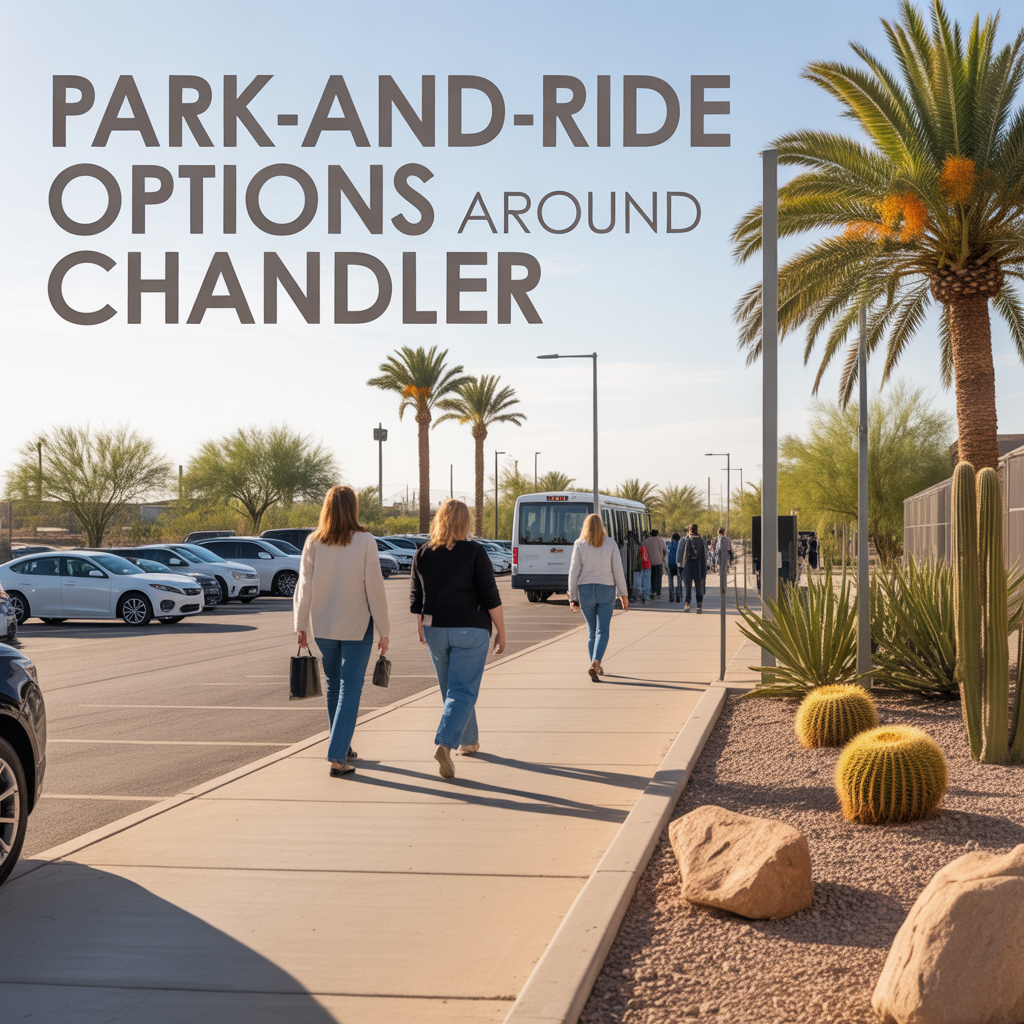
If you live in the East Valley, you have access to some of the region’s most convenient park‑and‑ride setups. Near the Superstition Freeway corridor, the Dana Park and Gilbert Road/Main Street sites connect smoothly into the rail line, making downtown Phoenix or ASU commutes easier than you’d expect.
In Chandler and Gilbert, where many neighborhoods sit slightly removed from the rail route, bus-linked park‑and‑rides serve as comfortable staging spots for professionals heading to major employment areas or Sky Harbor Airport. Mesa’s Sycamore Transit Center remains a centerpiece—blending bus and rail effortlessly.
For buyers considering these areas, that accessibility can be a quiet lifestyle upgrade. It’s not just about cutting commute time—it’s about flexibility. You can attend events, meetings, or games downtown without worrying about parking or late-evening drives back home.
West Valley and Northwest Corridors
Toward the west side, the system extends beautifully to match the region’s suburban growth. Glendale, Peoria, and Surprise may not be on the light rail yet, but their regional park‑and‑ride lots linked via express bus routes give residents a solid connection into central Phoenix.
A few notable sites include:
- Arrowhead Towne Center Park‑and‑Ride (Peoria): Ideal for Loop 101 commuters heading downtown.
- 91st Avenue and Maryland Transit Center (Glendale): Serves East Valley and downtown routes, particularly useful for state employees or event-goers.
- Surprise Park‑and‑Ride: A hidden gem for northwestern residents, catering to express routes and intercity travel.
With freeway expansions and Valley Metro’s plans to extend high-capacity routes westward, these locations will likely become even more relevant—especially as new employers gravitate toward the I‑10 and Loop 303 corridors.
Central Phoenix: Urban Flexibility
For those living closer to downtown, the concept of “park‑and‑ride” sometimes looks a little different. Here, smaller lots tucked near light rail stations or bus hubs serve as convenience stops for quick trips.
Along Central Avenue, near Thomas or Campbell, you’ll find micro‑lots and structured garages designed for short-term parkers who prefer to leave the car on the fringe and use transit downtown. Many downtown residents who work near the State Capitol or university district use these options to avoid parking fees and congestion.
What’s especially appealing about central Phoenix’s park‑and‑ride network is how seamlessly it interacts with the cultural core—sports arenas, museums, theaters, ASU Downtown, even medical campuses. You can enjoy urban living with suburban convenience just minutes away.
Tips for Using Park‑and‑Ride Comfortably
If you haven’t used the system before, your first visit might feel a little unfamiliar. Here are some small but helpful tips that longtime riders often share:
- Arrive early during weekday mornings. The most popular lots fill quickly between 6:30 and 8:30 a.m.
- Use Valley Metro’s mobile app. You can track light rail and bus timing in real time and purchase fares digitally.
- Check for shaded spots. Many lots have covered parking, which can be a lifesaver in the summer.
- Mind event schedules. Game nights or festivals downtown can affect parking and return trips—plan accordingly.
- Consider monthly passes if you commute regularly; they offer significant savings and convenience.
Once you build the routine, you’ll find that Phoenix’s transit network feels intuitive—and the park‑and‑ride connections give you the flexibility of driving without the hassle of parking downtown.
How Park‑and‑Ride Fits Into Real Estate Choices
As a real estate professional, I’m often asked whether proximity to public transit really matters in Phoenix. The honest answer? It depends on your lifestyle—but more people value it today than ever before.
For homebuyers who work downtown or in Tempe, being within ten minutes of a park‑and‑ride can make suburban living much more practical. For sellers, highlighting access to these facilities can subtly elevate your property’s appeal—especially for first-time buyers or multi-generational households trying to balance different commuting needs.
It also reflects something deeper about how the Phoenix area is maturing. The Valley is no longer simply a “drive everywhere” region. We’re seeing thoughtful infrastructure layered into communities—walkability trails, bike corridors, and cross‑city transit. Park‑and‑ride hubs are part of that story, offering balance between independence and connection.
Looking Ahead
Over the next few years, Valley Metro is expected to expand several major projects—including westward light rail extensions, route modernization, and technology upgrades that make transit safer and more efficient. For homeowners and prospective buyers, staying aware of where those growth corridors intersect can offer long-term value insights.
Neighborhoods near new or improved transit infrastructure often benefit from subtle increases in desirability—not just from commuters, but from anyone who appreciates access and mobility as part of their daily lifestyle.
Phoenix will always be a driving city at heart, but that doesn’t mean we can’t have smarter options. The park‑and‑ride system represents a small but meaningful shift in how we live, move, and connect across this beautiful desert metro.
A Warm Note to Close
If you’ve been considering a move within the Phoenix area—maybe downsizing closer to work, finding a home near a light rail extension, or just exploring better commute options—you don’t have to figure it out alone.
I’ve helped countless clients navigate these local nuances, from identifying neighborhoods with easy transit access to understanding how park‑and‑ride proximity might shape your day‑to‑day rhythm.
If you’re thinking about making a move in Phoenix, you don’t have to figure it out alone. Let’s talk through what matters most to you—your commute, your lifestyle, and your goals—and find a place that makes the best kind of sense for how you really live.
Get the full Phoenix Market Insights → [Market Insights]


-
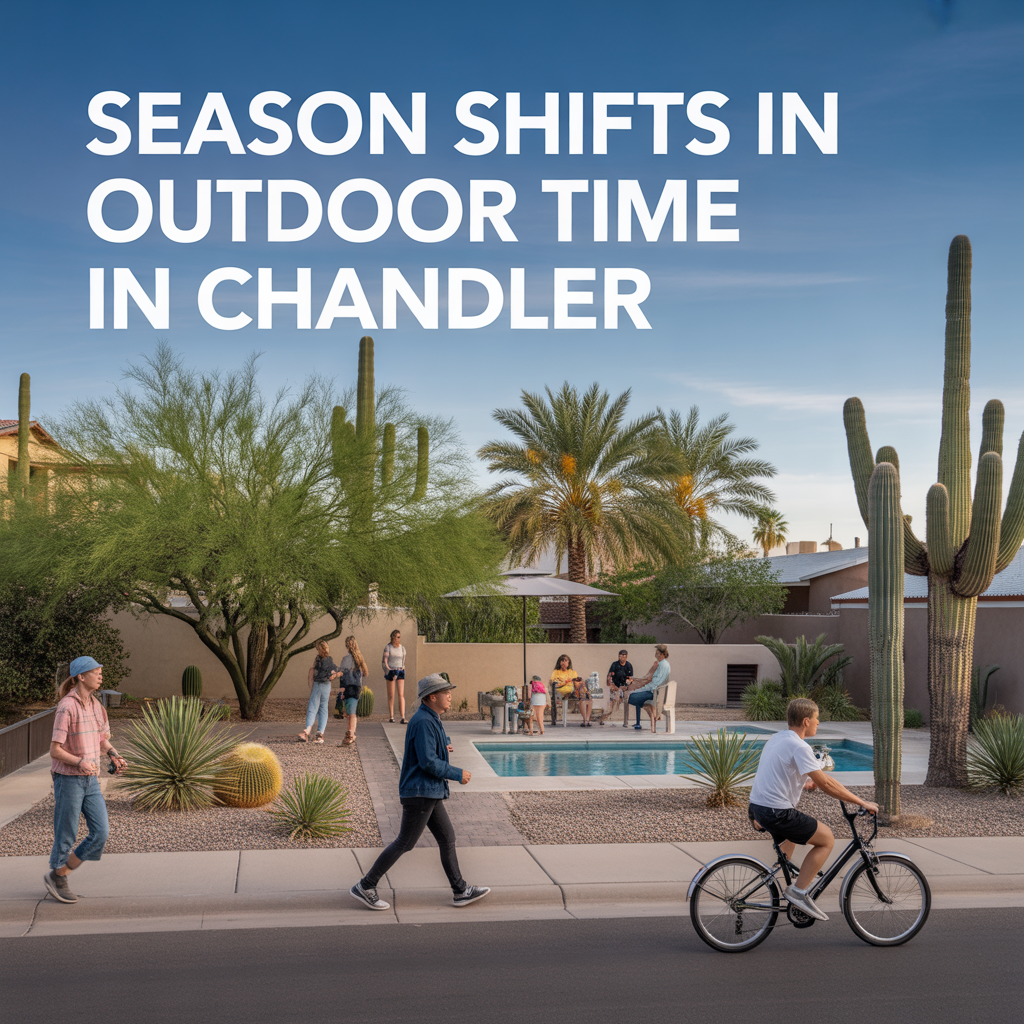
Season Shifts in Outdoor Time in Chandler
-

Seasonal Crowding and Tourism in Chandler
-
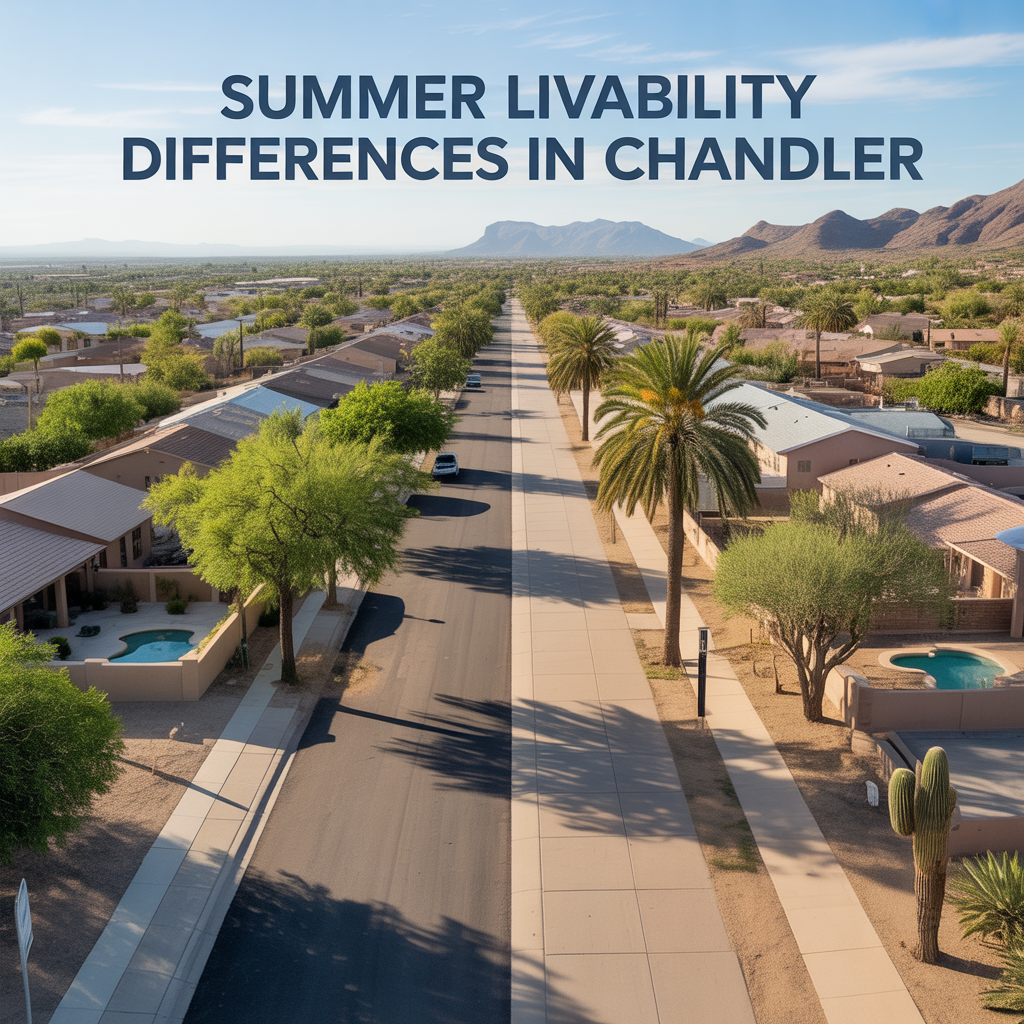
Summer Livability Differences in Chandler
-
Areas That Feel “Always On” Chandler
-
Parking and Rideshare Realities Chandler
-
Family Entertainment Hubs Around Chandler
-
Chandler Late‑Night Hotspots vs Quiet Pockets
-
Live Music and Arts in Chandler
-

Event Impacts on Chandler Evenings
-
Areas Where Cross‑City Trips Feel Heavy
-
Micro‑Mobility Utility by Chandler Area
-
Micro‑Mobility Utility by Chandler Area
-
Park‑and‑Ride Options Around Chandler
-
Local Transit and Bus Use Cases in Chandler
-
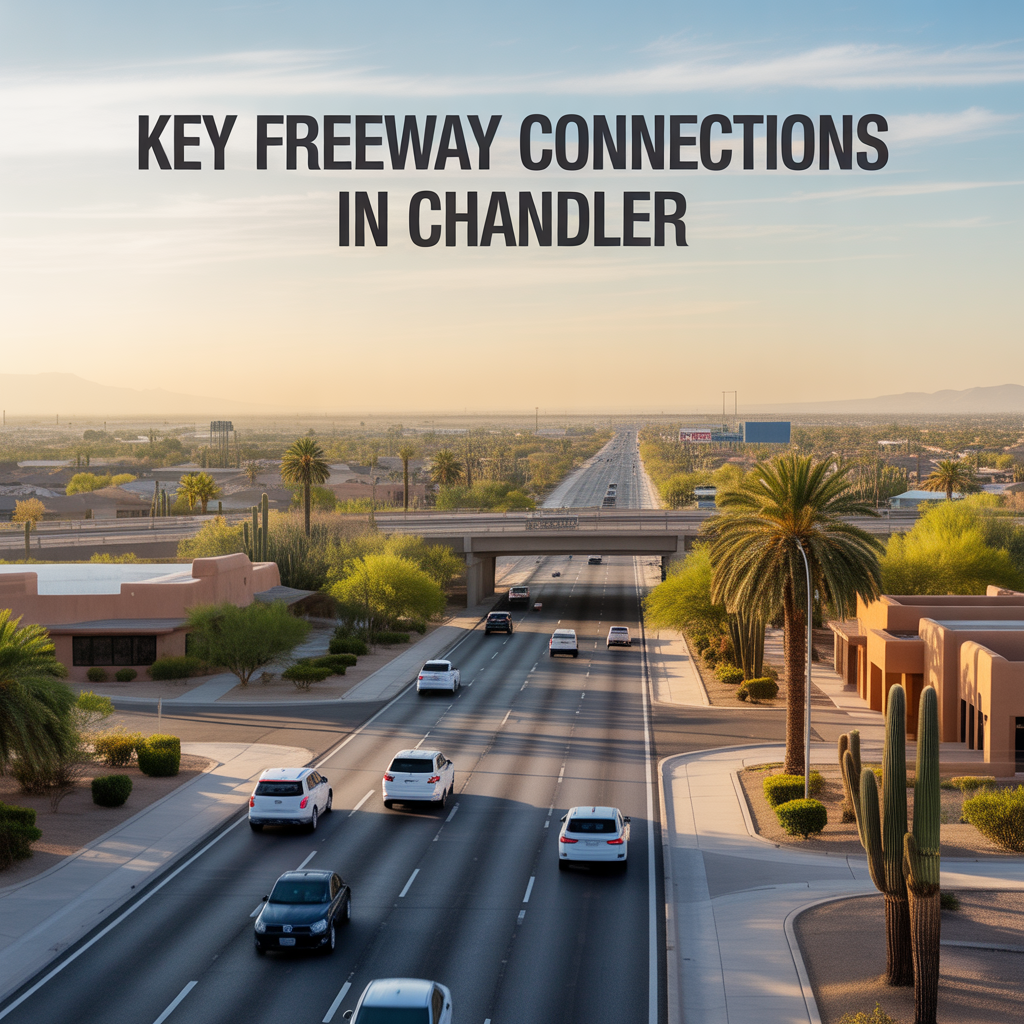
Key Freeway Connections in Chandler
-
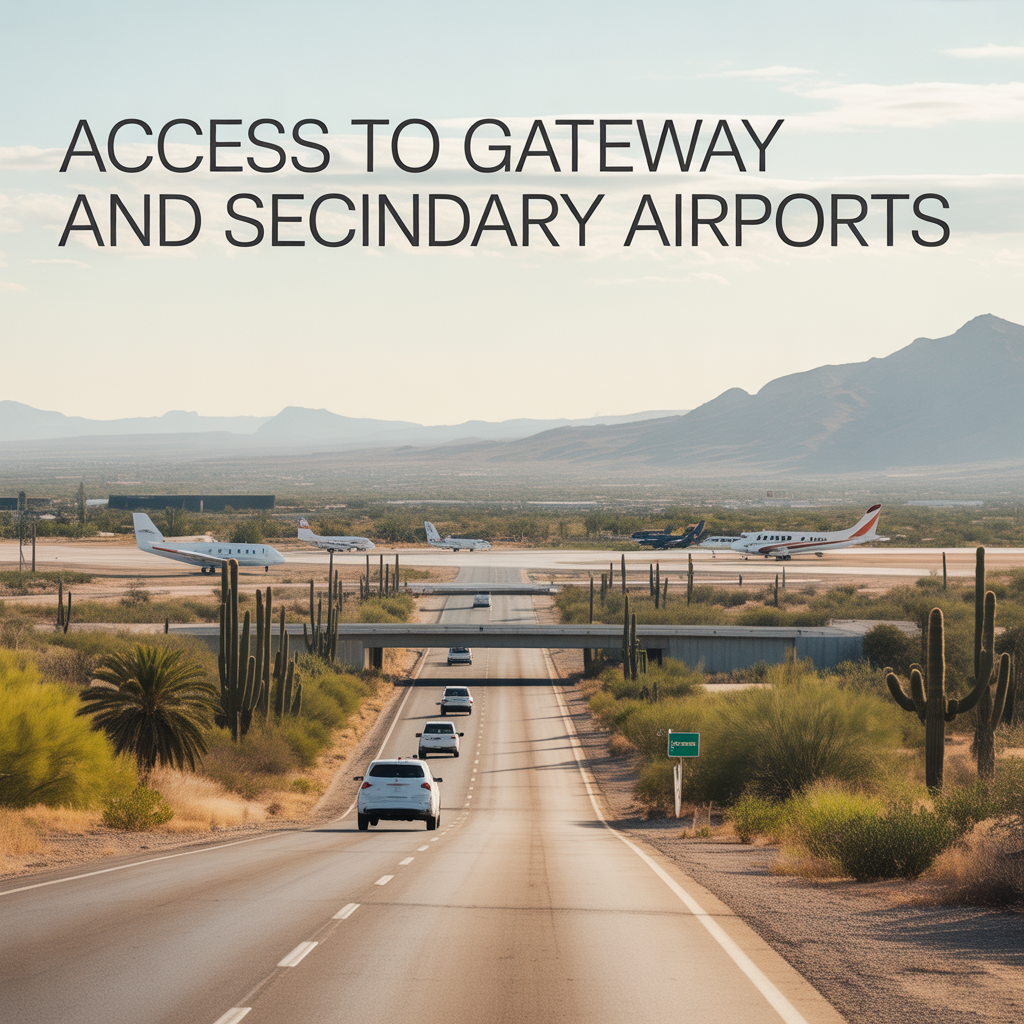
Access to Gateway and Secondary Airports
-

Real‑World Drive Times to Sky Harbor
-

How Congestion Shapes Chandler Routines
-

Tradeoffs of Living Farther South Chandler
-
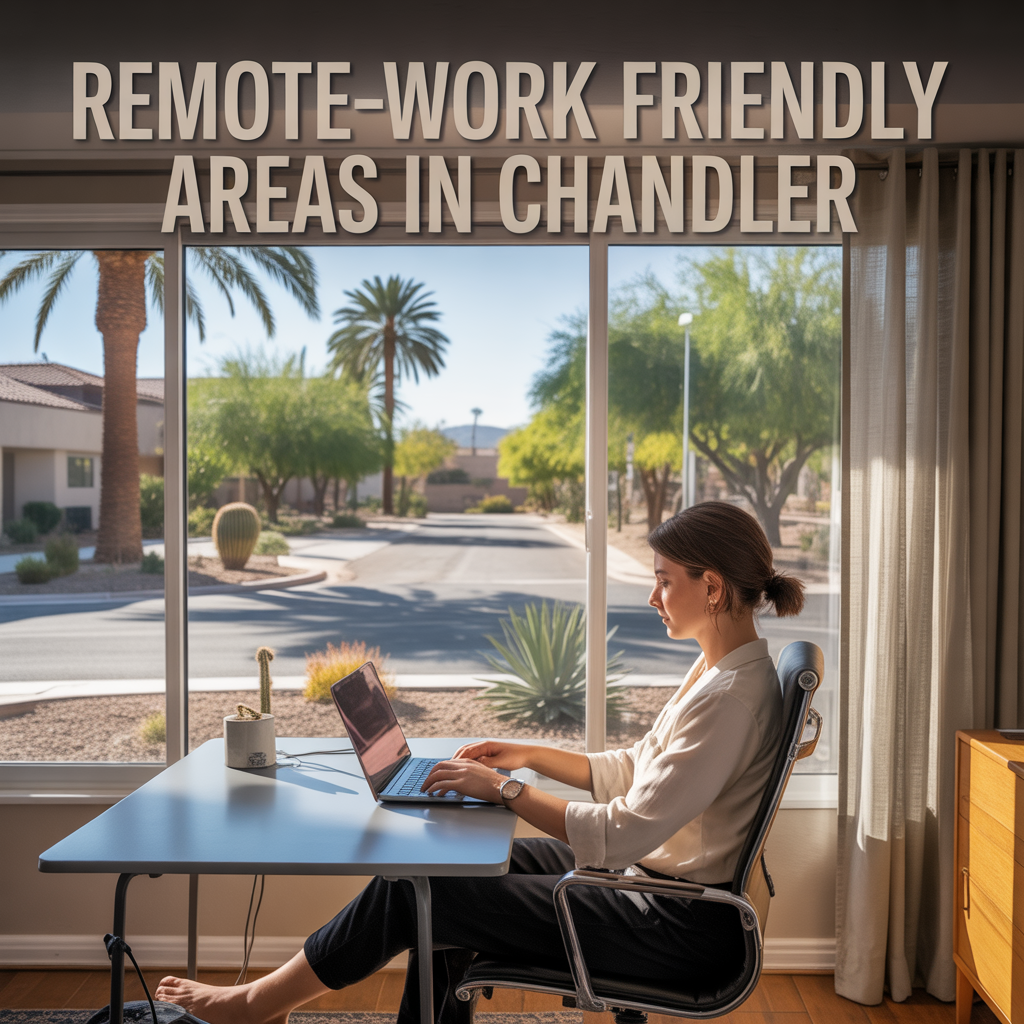
Remote‑Work Friendly Areas in Chandler
-
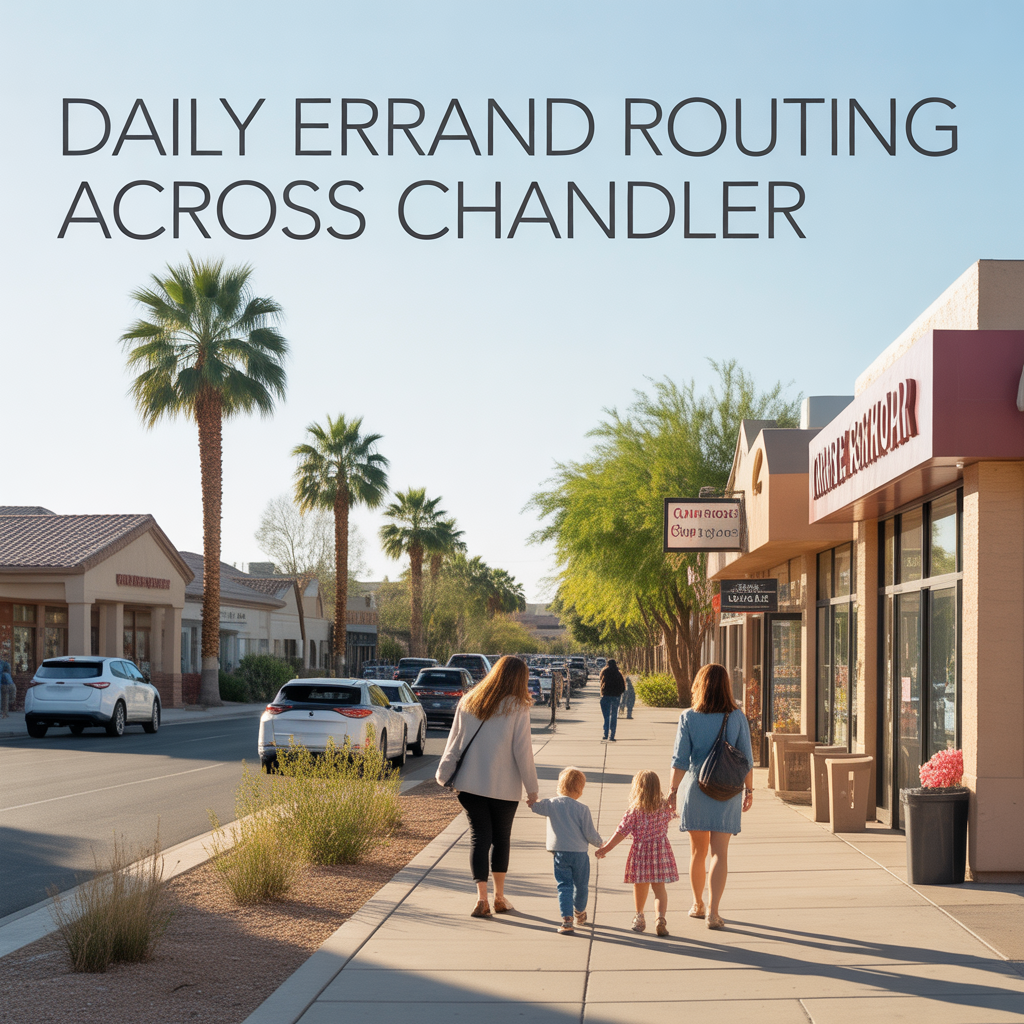
Daily Errand Routing Across Chandler
-
Reverse Commutes in Chandler Pros/Cons
-
Chandler Freeway Slowdown Hotspots
-
Peak Traffic Directions in Chandler
-
Season Shifts in Outdoor Time in Chandler