



Phoenix Lifestyle Guide → [Phoenix Lifestyle Guide] & For more info on Phoenix Real Estate → [Phoenix Real Estate Guide]
Written by: Renee Burke
Parking and rideshare choices in the Valley can make or break your day—whether you’re circling downtown for a free spot or summoning an Uber to skip the hassle altogether. Phoenix’s sprawling layout means surface lots, meters, and apps each play a role, shaped by our growth, events, and freeway rhythms. Recent downtown meter expansions have locals talking, nudging more toward rideshare for evenings out.
I’ve helped countless clients weigh these realities when picking homes, ensuring their garage isn’t the only reliable spot. It’s about blending convenience with cost, especially around hotspots like Footprint Center or Roosevelt Row.
Downtown Parking Pressures
Downtown Phoenix tests even patient drivers. Street meters now blanket areas like Fillmore to McKinley between 4th and 6th Streets—newly installed to boost turnover amid ASU growth and rising residents. Rates hover at $1.50-$2 per hour, enforced 8 a.m. to 10 p.m. daily, with max stays of 2-4 hours to keep spots fresh for shoppers.
Pay lots near Jefferson or First Street spike to $20-40 during events, free overnight but vanishingly rare. Free on-street oases dwindle, pushing condos with garages to premium prices. Light rail stations offer metered P&R, but game nights fill them fast. ADA spots grant extra free time, yet citations sting at $50+.
Residents grumble about losing “blissful” free parking, but turnover helps businesses breathe. If downtown’s your vibe, budget for a reserved spot or embrace walking from fringes.
Suburban and Venue Lot Dynamics
Suburbs ease up—Gilbert or Chandler streets offer ample free parking, though event hubs like Westgate or Sloan Park charge $10-30 on busy nights. State Farm Stadium lots open early but exodus via Loop 101 crawls post-game. Encanto Park or Mesa Riverview stay generous, with shaded free spots for family days.
Neighborhood zones restrict outsider parking near homes, enforced at resident request—handy in Glendale or Peoria near stadiums. Airport long-term at Sky Harbor runs $9-15 daily, but off-site shuttles save cash. Meters in uptown like Biltmore cap at 2 hours, feeding office crowds.
Rideshare Surge and Patterns
Uber and Lyft thrive here, doubling down on event surges. Downtown pickups cluster at Jefferson corners post-concert, with 2-3x fares from Scottsdale or Mesa during peaks. Waits average 5-10 minutes off-peak, ballooning to 30+ near Footprint or Chase Field.
West Valley rides from Arrowhead flow smoother, but Loop 101 construction adds delays. Shared options like Uber Pool cut costs along I-10, while premium SUVs handle groups to Talking Stick. Airport queues move briskly, but drop-offs avoid peak arrivals. Families favor predictable fares over parking roulette at K1 Speed or Science Center.
Apps integrate with Valley Metro—ride to a P&R, then rail in. Safety shines: tracked rides beat dark lot walks.
Event and Rush Hour Multipliers
Game days or First Fridays transform realities—Stadium lots sell out, rideshare multipliers hit 3x, meters max out instantly. Evening concerts extend downtown crunch till midnight, while Tempe’s Mill Avenue self-parks via nearby garages at $15.
Rush hours layer pain: I-10 meters fill pre-9 a.m., rideshares slow in merges. Monsoons ground e-scooters like Pocket, funneling all to cars or Ubers.
| Zone | Parking Cost Peak | Rideshare Wait Peak | Best Hack |
|---|---|---|---|
| Downtown | $30+ lots, $2/hr meters | 20-30 min events | Light rail + walk |
| Stadiums (State Farm) | $20-30 lots | 15-45 min post-game | P&R at Arrowhead |
| Tempe/Mill | $10-15 garages | 10 min nights | Street fringes |
| East Valley (Mesa) | Free ample | 5-10 min | Freestone lots |
| Airport | $12/day long-term | 10 min queues | Off-site shuttles |
Lifestyle and Cost Balances
Parking scarcity nudges urbanites to rideshare, saving $200 monthly vs. garages but adding surge unpredictability. Families in quiet pockets like Ahwatukee self-park freely, dipping into hubs via Loop 202. Night owls near Roosevelt Row walk or scooter, avoiding post-bar drives.
Fears of “no spots ever” soften with apps like SpotHero for pre-booked lots. Multi-family zoning now mandates just 1.5 spaces/unit, freeing land but pressuring streets. Rideshare evens cross-valley equity—Glendale to Scottsdale feels seamless.
Real Estate Through This Lens
Homes with 2-car garages command premiums in metered zones; East Valley abundant lots draw sellers. Buyers ask: “Walk to rail or Uber everything?” Downtown edges win for culture lovers, suburbs for car families. Test a busy Friday—park, then rideshare home.
Navigating with Ease
Pre-pay meters via app, carpool to venues, bookmark P&Rs. Phoenix evolves—less free parking, more fluid options.
A Warm Note to Close
If parking woes or rideshare rhythms factor into your Valley move—maybe downtown convenience or suburban ease—you don’t have to sort it alone.
I’ve guided folks through these details for years, matching garages to garages and apps to adventures.
If you’re thinking about making a move in Phoenix, you don’t have to figure it out alone. Let’s talk your drives, your nights out, your flow—and find the spot where getting there feels as good as being there.
Get the full Phoenix Market Insights → [Market Insights]


-
How the Phoenix Desert Climate Shapes Everyday Life Inside the Home
-
How Phoenix Weather Patterns Shape Everyday Home Routines
-
Why Homes Often Feel More Comfortable After the First Year of Ownership
-
How Living in Phoenix Changes the Way Homeowners Use Their Homes
-
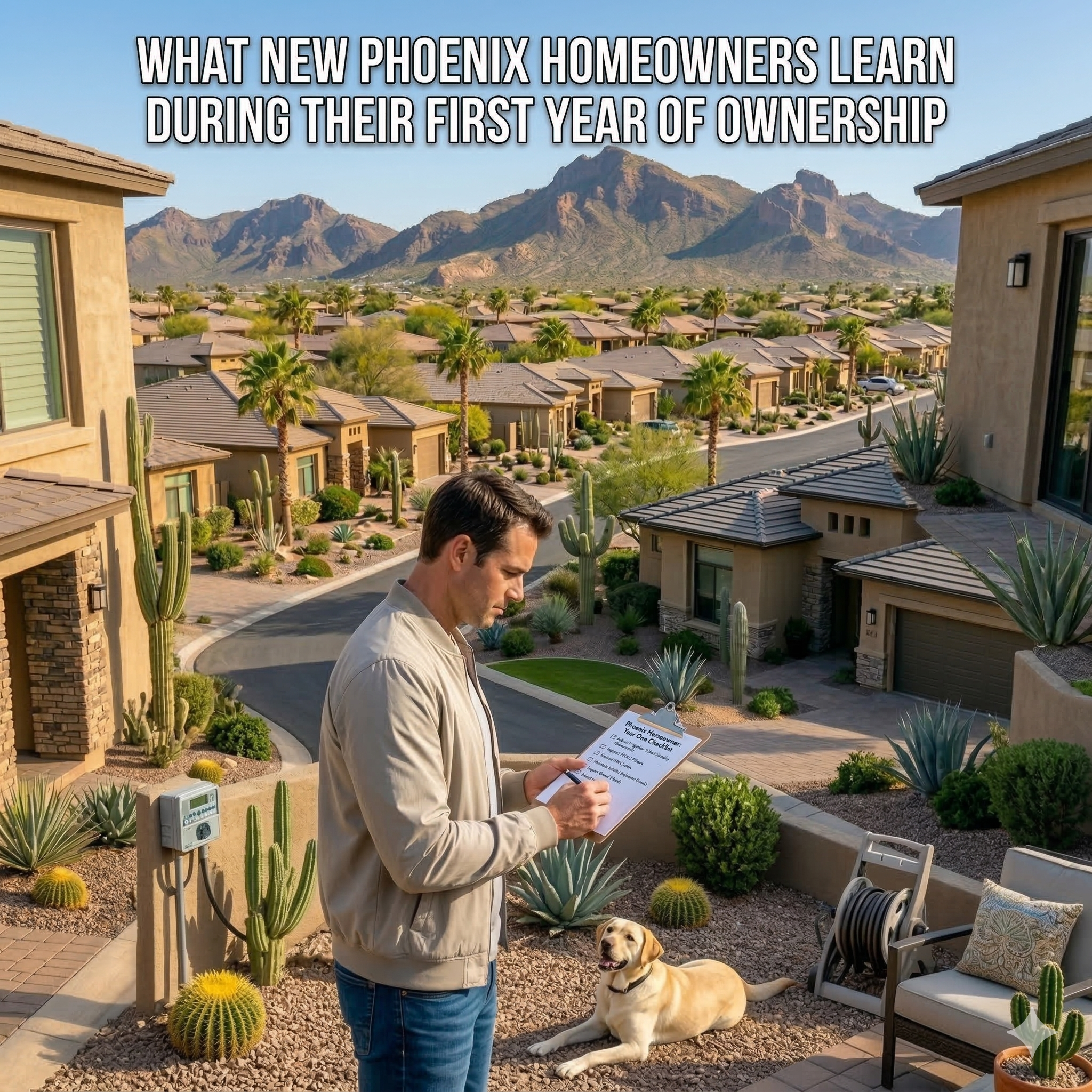
What New Phoenix Homeowners Learn During Their First Year of Ownership
-

How Daily Life Changes After the First Year of Living in a Phoenix Home
-
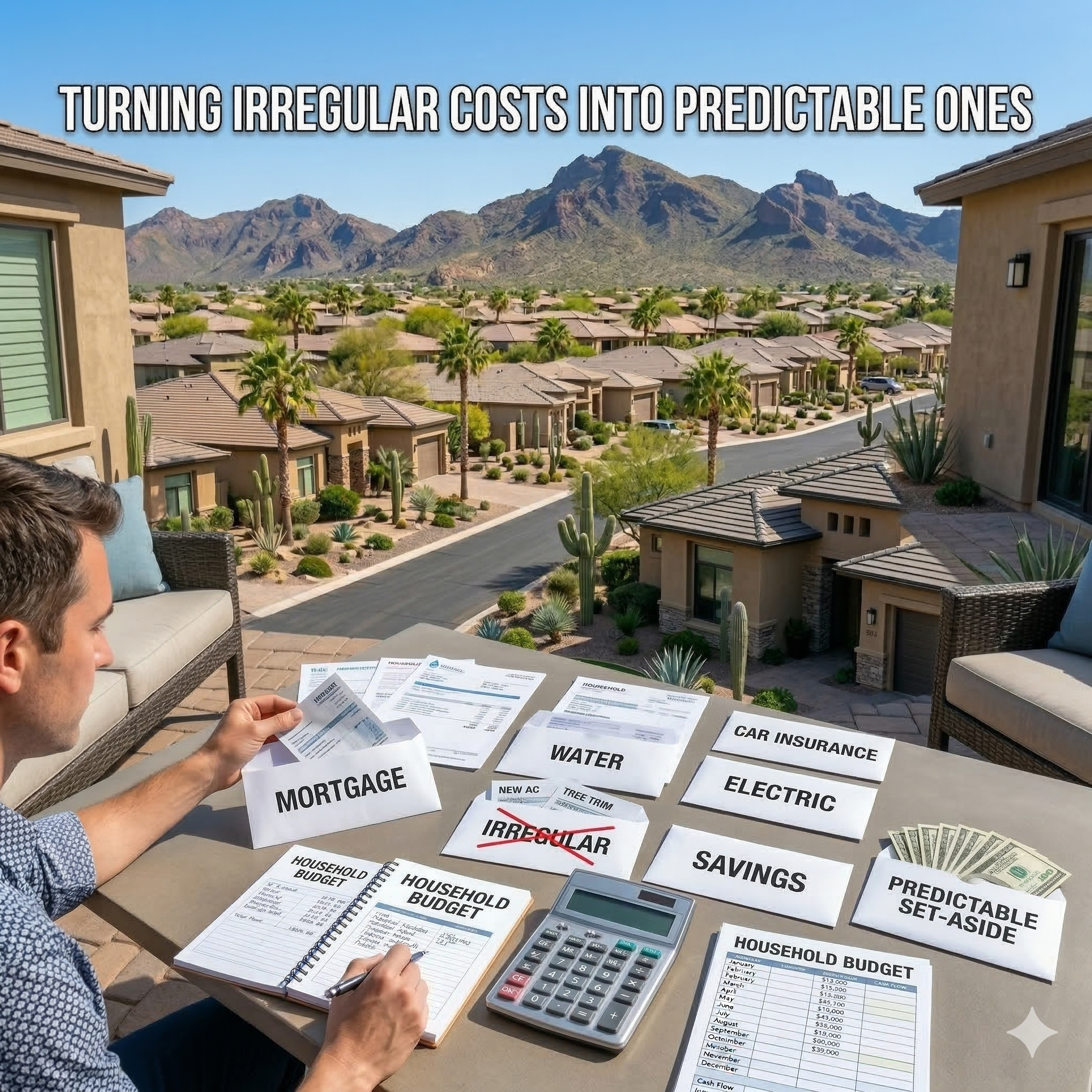
Turning Irregular Costs Into Predictable Ones
-

Budgeting for Ongoing Ownership
-
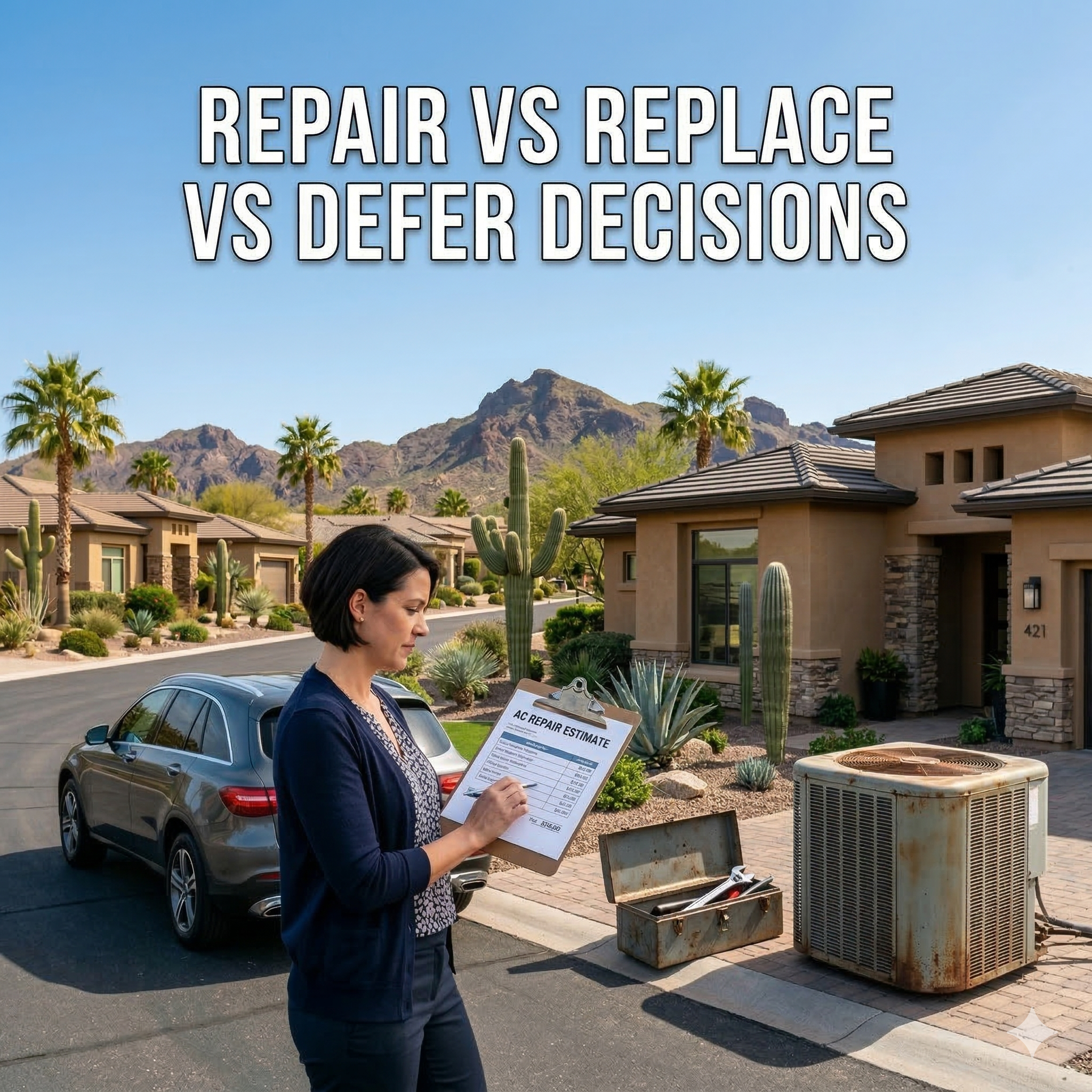
Repair vs Replace vs Defer Decisions
-

Planning Homeownership Like a Long-Term Asset
-
What Home Expenses You Can Safely Delay
-
Stopping Cost Creep Early
-

Cash Flow vs Net Worth Stress
-
Why “It’s Not That Much” Adds Up
-
Warning Signs Your Ownership Budget Is Tightening
-
The Cumulative Cost of Small Home Repairs
-
Designing Budgets Around Local Conditions
-
Utility Costs Over Time in Desert Climates
-

Insurance Increases Explained for Arizona Homeowners
-
How Inflation Impacts Phoenix Homeownership Costs
-

Avoiding Debt-Driven Homeownership Decisions
-

Replacing Systems on Your Timeline
-

Why Emergency Repairs Cost More
-

Timing Major Expenses Without Financial Shock
-
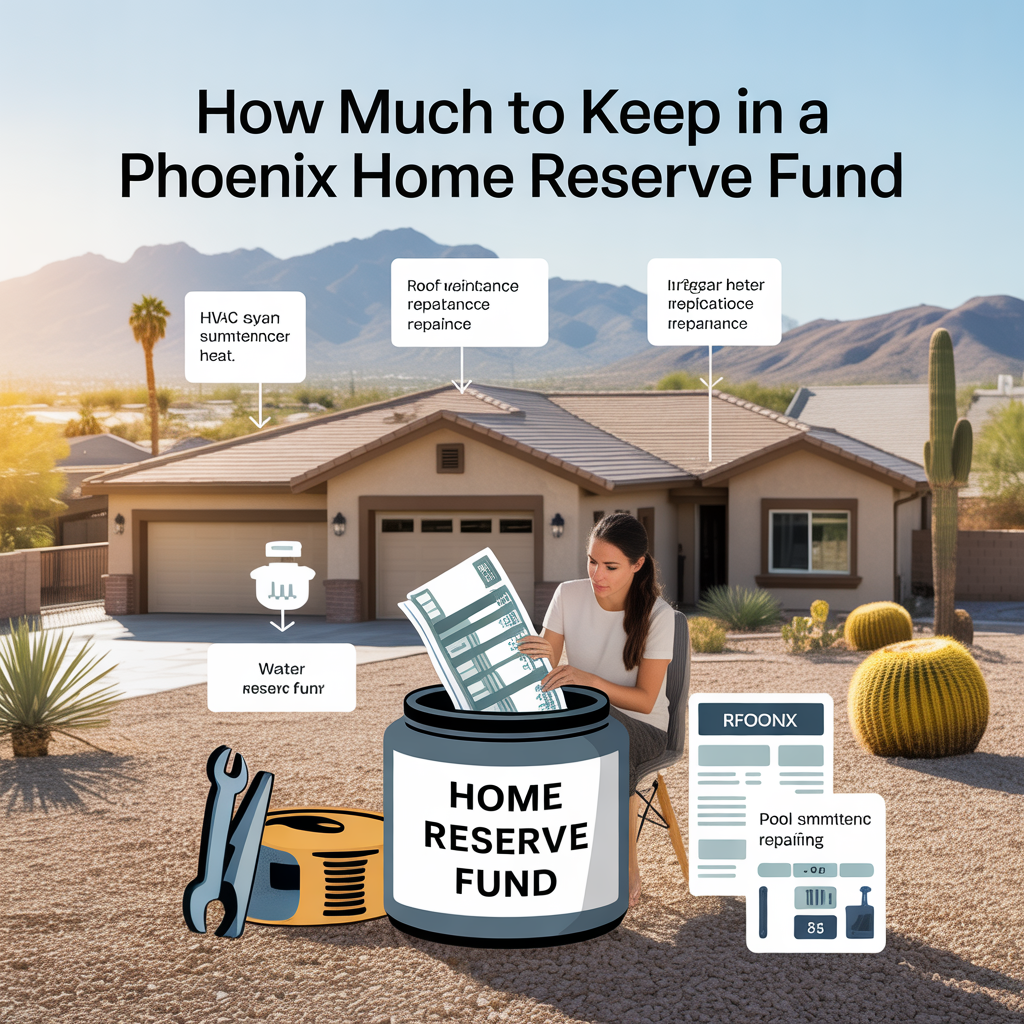
How Much to Keep in a Phoenix Home Reserve Fund