



Phoenix Lifestyle Guide → [Phoenix Lifestyle Guide] & For more info on Phoenix Real Estate → [Phoenix Real Estate Guide]
Written by: Renee Burke
Living in the Valley means knowing exactly where the freeways like to test your patience — those stubborn spots where a smooth drive suddenly turns into a standstill. As someone who’s navigated these roads for decades, I can tell you Phoenix’s slowdown hotspots aren’t random; they’re tied to our growth, our jobs, and the way our highways weave together. Spotting them early can save you time, stress, and even help you pick the right neighborhood.
These hotspots shift slightly with construction and seasons, but the core ones stay remarkably consistent. They’re where multiple freeways merge, construction crews work, or sheer volume overwhelms the lanes. Let’s walk through the worst offenders, based on what locals endure daily and what ADOT data shows.
Core Central Hotspots: The Stack and Mini-Stack
At the heart of Phoenix traffic woes sits the infamous Stack Interchange — where I-10 meets I-17. This is consistently one of the nation’s worst bottlenecks, with speeds dropping to 22-34 mph during peaks.
- Morning eastbound I-10 from I-17 to SR-51 (Mini-Stack) crawls as West Valley drivers head downtown or to Sky Harbor.
- Evening westbound I-10 backs up from the airport area all the way to Loop 303, thanks to merging traffic and residential growth.
The Mini-Stack (I-10 and Loop 202/SR-51) isn’t far behind, especially eastbound mornings and westbound evenings. Tunnel maintenance closures here amplify the pain — plan detours via Loop 202 South Mountain if possible.
West Valley Nightmares: I-10 and Loop 303
Westbound I-10 between Loop 101 and Loop 303 is a daily grind, often called the metro’s worst stretch. Lanes drop from five to three near Dysart and Litchfield, with on-ramps piling on.
- Afternoons see backups starting at 75th Avenue, stretching to the 303 interchange.
- Construction widening Loop 303 (I-17 to 51st Ave, and beyond) will disrupt through 2028, adding third lanes but temporary chaos.
The Loop 101/I-10 interchange in Avondale is ramping up too — a new project starts spring 2026, impacting 300,000 daily drivers as it widens both freeways.
East Valley Pressure Points: Loops 101/202 and U.S. 60
The Loop 101/202 interchange near Tempe is notorious — engineers call it one of Phoenix’s worst for weaving and merges.
- Northbound 101 mornings through West Valley (I-10 to Thunderbird) swings wildly from 75 mph to stop-and-go.
- East Valley sees U.S. 60 westbound from Loop 101 to I-10 congested, with speeds at 32 mph peaks.
Loop 202 Santan (Chandler to Gilbert) adds lanes through 2027 but bottlenecks persist near Val Vista and the 101.
North and Emerging Growth Zones
North on Loop 101 (Shea to Princess in Scottsdale) faces widening through early 2026, with overnight restrictions following. I-17 southbound near Black Canyon City clogs Sunday evenings heading home from Flagstaff.
West Valley’s Loop 303 expansions (Van Buren to SR-85 by mid-2026) signal more hotspots ahead as Buckeye booms.
Monsoon season worsens everything — surface streets like Baseline or Northern become lifelines when freeways flood-prone spots slow.
Navigating Hotspots Like a Local
The silver lining? Phoenix drivers are resilient. Leave 20 minutes early, use AZ511 for real-time updates, or hop HOV lanes where available — extensions to I-85 help westbound I-10.
For homebuyers, these spots influence everything. Avoid westbound I-10 commutes if possible; Ahwatukee or South Tempe sidestep many central snarls. Growth eases some older bottlenecks but creates new ones — like Loop 303’s ramps.
Thursday 4-5 p.m. is now the week’s worst hour, with midday creeping up too. Flex work helps, but knowing your route’s hotspots keeps life calmer.
Ahead: Relief on the Horizon?
ADOT’s busy — Loop 202 South Mountain diverts core traffic, and SR-30 plans promise southwest relief. Still, 76 hours lost yearly per driver means planning matters.
If you’re eyeing a move, let’s map your daily drive together. These hotspots are navigable with the right knowledge.
If you’re thinking about making a move in Phoenix, you don’t have to figure it out alone. I’d love to chat about how these patterns fit your lifestyle — reach out, and we’ll make your path through the Valley smoother.
Get the full Phoenix Market Insights → [Market Insights]


-
Cost of Living in Rhode Island: Housing, Taxes, Utilities, and Everyday Expenses
-

What If My Commute Becomes Worse Than Expected?
-

How Aging Home Systems Affect Property Value
-

Energy Efficiency Upgrades for Phoenix Homes
-
How to Plan for Major Home System Replacements
-

When Phoenix Homeowners Should Replace Water Heaters
-

Repair vs Replace Decisions for Phoenix HVAC Systems
-

Creating a Long-Term Home Maintenance Plan
-

How Often Phoenix Homes Should Be Professionally Inspected
-

Early Warning Signs of Major Home System Failures
-

How Preventative Maintenance Protects Phoenix Property Value
-

The Best Annual Home Maintenance Plan for Phoenix Homes
-

Electrical Safety Inspections for Older Phoenix Homes
-

Why Whole-Home Surge Protection Matters in Arizona
-

Preparing a Phoenix Home for Electric Vehicle Charging
-

Signs Your Home’s Electrical System Is Overloaded
-
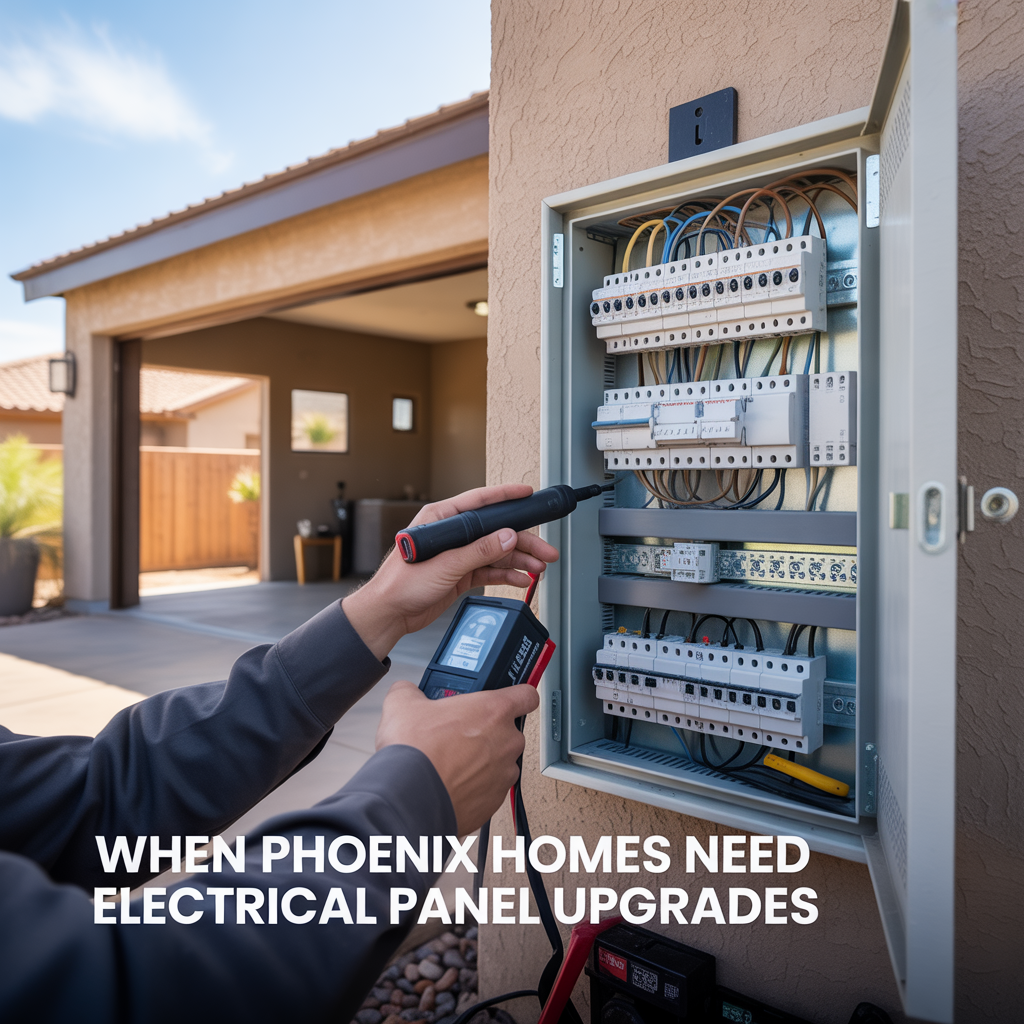
When Phoenix Homes Need Electrical Panel Upgrades
-

Water Pressure Problems in Phoenix Homes Explained
-

Preventing Irrigation Leaks That Waste Water in Desert Landscapes
-

Signs of Hidden Plumbing Leaks in Phoenix Houses
-

How Long Water Heaters Last in Arizona Homes
-

How Hard Water Affects Plumbing Systems in Phoenix Homes
-

Preventing Water Damage in Phoenix Homes During Storms
-

Roof Maintenance Tips Before Phoenix Monsoon Season
-

How Arizona Sun Damages Roofing Materials Over Time