



Phoenix Lifestyle Guide → [Phoenix Lifestyle Guide] & For more info on Phoenix Real Estate → [Phoenix Real Estate Guide]
Written by: Renee Burke
Living on the edges of the Valley — places like Queen Creek, Buckeye, or far north Peoria — offers a slower rhythm that many families crave. You trade the hum of central Phoenix for elbow room, saguaro-dotted views, and homes that feel like a retreat. I’ve guided so many through this choice, and it always comes down to what feeds your days: the pull of affordability and space, balanced against the realities of distance.
These farther-out areas shine for growing families or remote workers who prioritize yards over walkability. But like any Valley decision, it’s about weighing what you gain against what shifts. Let’s look closely, with the thoughtfulness these choices deserve.
The Upsides: Space, Savings, and Serenity
Farther out means breathing room in every sense. Neighborhoods 20-40 miles from downtown deliver bigger lots, newer builds, and a pace that lets you savor sunsets from your own backyard.
- Affordability unlocks dreams: Median homes in Buckeye hover around $450K-$550K, versus $900K+ in Arcadia. That extra budget buys four bedrooms, a pool, or RV garage — luxuries central areas reserve for million-dollar tags. Property taxes stay reasonable too, often 10-20% lower per square foot.
- Community and nature woven in: Master-planned spots like Verrado or Encanterra host farmers markets, trail systems, and resort pools without leaving your zip code. Wake to quail calls, not car horns; hike Estrella Mountains before breakfast.
- Future growth potential: These edges boom with jobs — logistics in Buckeye, tech in Queen Creek. Resale holds as infrastructure like Loop 303 catches up, turning today’s value buys into tomorrow’s equity.
- Family-first vibe: Top schools (Buckeye Union, Queen Creek Unified), low crime, and playgrounds everywhere foster roots. Commutes shorten for remote or edge-employed folks.
It’s peaceful living where kids bike freely and evenings mean barbecues, not bar crawls.
The Downsides: Distance and Daily Friction
That space comes at a cost — time and convenience erode on longer drives. What feels freeing on move-in day can wear thin over months.
- Commute creep: Downtown jobs mean 45-75 minutes each way on I-10 or Loop 202 during peaks. Even Queen Creek to Tempe adds 30-50 minutes; wrecks or monsoons double it. Gas, wear-and-tear, and stress pile up — $1,000+ yearly for some.
- Errand sprawl: No quick corner Sprouts; Costco trips from Buckeye span 25 miles. Dining leans chain-heavy until local gems mature. Social life shifts to planned outings, not spontaneous coffee with friends in Biltmore.
- Amenity lag: Fewer specialists, waitlists at pediatricians, and high school sports farther afield. Hospitals like Banner Estrella help, but Sky Harbor flights require 90-minute buffers.
- Isolation for some: Tight-knit HOAs bond neighbors, but variety dips — less cultural events, diverse eats, or urban buzz. Young singles may feel the pull back inward.
Growth helps, but roads trail population. What’s “farther out” today edges closer yearly.
| Factor | Farther Out (Buckeye/Queen Creek) | Central (Arcadia/Tempe) |
|---|---|---|
| Home Price | $450K-$650K | $800K-$1.2M |
| Commute to Downtown | 45-75 min peaks | 10-25 min |
| Yard/Space | 1/4+ acres common | Small lots/patios |
| Groceries Nearby | 10-15 min drive | Walkable |
| Events/Dining | Local fairs/chains | Festivals/gourmet |
| Schools/Crime | Excellent/low | Strong/variable |
Who It Fits — And When to Reconsider
Families with school-age kids or remote setups thrive here — think Verrado’s walking paths for dog walks between calls. Empty-nesters love the low-maintenance luxury of 55+ communities like Sun City Festival. But urban creatives, frequent flyers, or dual-commuters often circle back central after a year.
Test it: Drive peak hours, map errands, visit at dusk. I’ve seen buyers save $300K upfront but lose hours weekly — or gain peace that money can’t buy.
Making the Edges Work for You
Blend smart: Choose Loop 202-adjacent spots for buffer access. Stock a deep pantry, join online Valley groups for playdates. As ADOT widens 303 and 202, these areas connect faster — patient buyers win big.
Living farther out is a bet on space over speed, roots over rush. It suits those who let the desert’s quiet recharge them.
If you’re thinking about making a move in Phoenix, you don’t have to figure it out alone. Whether weighing edge serenity against central spark or plotting a life with more sky than stoplights, I’d be honored to walk the tradeoffs with you. Reach out anytime — together, we’ll find the spot where your Valley story unfolds just right.
Get the full Phoenix Market Insights → [Market Insights]


-
Signs Your Phoenix Roof Needs Inspection or Repair
-
How Long Tile Roofs and Roof Underlayment Last in Phoenix
-
How Smart Thermostats Improve Cooling Efficiency in Arizona Homes
-
Why AC Systems Struggle During Extreme Phoenix Heat Waves
-
How Long Air Conditioning Units Last in Phoenix Homes
-

Warning Signs Your Air Conditioner Is About to Fail
-

How Often Phoenix AC Systems Need Maintenance
-
How Irrigation System Leaks Damage Foundations and Landscaping
-
Preventing Roof Damage Before Arizona Monsoon Storms
-
Why AC Tune-Ups Are Critical for Phoenix Homes
-
What Homeowners Should Inspect Before Phoenix Summer Heat Arrives
-
Seasonal Home Maintenance Checklist for Phoenix Homeowners
-
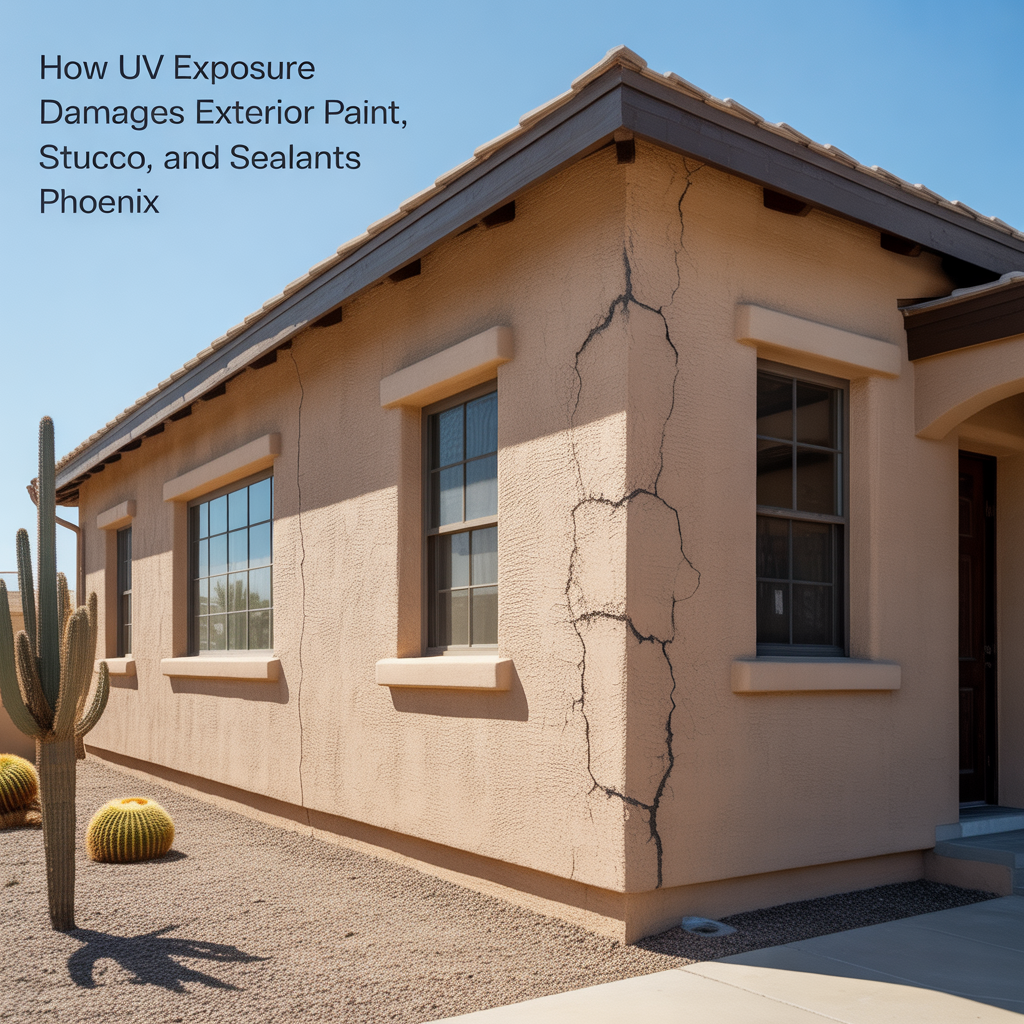
How UV Exposure Damages Exterior Paint, Stucco, and Sealants
-

How Extreme Heat Shortens the Lifespan of Home Systems
-
Why Phoenix Roofs Wear Out Faster Than Many Other Cities
-
How Long AC Units Typically Last in Phoenix Homes
-
Building a Long-Term Protection Strategy
-
How Small Repairs Prevent Larger Problems
-

Protecting Older Phoenix Homes
-
Warning Signs of Hidden Home Risks
-

Preventative Maintenance That Reduces Insurance Claims
-

Reducing Liability Exposure Around Your Property
-

Liability Coverage Limits Explained
-

When Umbrella Insurance Makes Sense
-

Protecting Yourself From Guest Injury Claims