


Phoenix Lifestyle Guide → [Phoenix Lifestyle Guide] & For more info on Phoenix Real Estate → [Phoenix Real Estate Guide]
Written by: Renee Burke
There are few markets in the country that reveal the difference between appreciation and cash‑flow investing as vividly as Phoenix. Values rise, neighborhoods evolve, and rental demand shifts, often within the same square mile. For anyone thinking about buying income property here, understanding how you expect a property to make you money—now or later—is just as important as knowing where to buy.
Phoenix has always been a city of cycles and reinvention. We’ve weathered housing booms, corrections, and growth spurts that often seem to come out of nowhere. That’s what makes this such a fascinating and rewarding place to invest. But it also means you need clarity on your investment strategy before the numbers ever enter a spreadsheet.
Defining the Two Paths
At its core, an appreciation‑first investor looks for long‑term value growth—the kind that comes from buying in an area positioned for transformation, stability, or sustained demand. Equity growth is the prize; rental income is secondary.
A cash‑flow‑first investor, on the other hand, starts and ends with monthly performance. They want dependable rental income that covers expenses and ideally produces profit every month, even if property values rise only gradually over time.
Neither approach is wrong. In Phoenix, both have their moments—and both require a clear-eyed understanding of our local dynamics.
The Appreciation‑First Mindset in Phoenix
If you’ve lived here for a while, you know how quickly neighborhoods can shift. Think about downtown’s Roosevelt Row a decade ago, or the rise of Arcadia Lite, North Central, and the once‑quiet pockets of Tempe now driven by tech employment and lifestyle amenities. Appreciation‑first investors focus on these kinds of stories—places where infrastructure, job growth, and redevelopment signal increasing long‑term value.
In Phoenix, some of the appreciation‑driven factors include:
- In‑migration and job growth. Our economy keeps drawing people in—from California, the Midwest, and beyond. Employers expanding into the Valley mean sustained housing demand in urban and suburban job corridors.
- Land scarcity and infill potential. Central Phoenix is no longer a bargain territory; limited buildable land drives home values higher over time, especially near established employment centers like Biltmore or Midtown.
- Lifestyle‑driven rebirth. Historic districts—Willo, Coronado, and Garfield—have seen strong appreciation as buyers seek character and walkable neighborhoods near light rail and local restaurants.
Appreciation‑focused investors often accept modest or even neutral cash flow in exchange for solid long‑term equity gains. They view the property like a living organism—growing, maturing, and becoming more valuable as the neighborhood itself evolves.
The Cash‑Flow‑First Approach in Phoenix
Phoenix also rewards a different kind of investor—those who prize monthly consistency and the comfort of knowing their property pays for itself from the start.
You’ll usually find stronger cash flow in areas where property prices are more moderate relative to rent potential. For example, west‑valley cities like Glendale, Avondale, and parts of Goodyear often deliver better rent‑to‑price ratios than the East Valley. Same for older sections of Mesa or south Phoenix, where revitalization is slower but rental demand remains strong thanks to workforce proximity and affordability.
Here’s what typically drives the cash‑flow‑first model locally:
- Affordability gap. In parts of the West and South Valley, homes remain hundreds of thousands of dollars less than in Scottsdale or Arcadia, even though renters still want quick access to downtown or freeways.
- Consistent tenant base. These areas attract long‑term renters—working professionals, families, and students—who value affordability and stability.
- Shallow entry points. With lower purchase costs, investors can diversify more easily, spreading risk across multiple doors rather than one high‑value asset.
Cash‑flow investors tend to love newer build‑to‑rent developments in the outer suburbs, small multifamily properties, or single‑family homes in HOA‑controlled neighborhoods with predictable maintenance budgets.
Where the Strategies Overlap
The most successful investors I’ve worked with rarely live in one extreme. Instead, they apply elements of both philosophies. A property might begin as a cash‑flow play—steady rents, conservative returns—but in three or four years becomes an appreciation winner as a new freeway interchange, retail corridor, or employer shifts the dynamics.
Phoenix’s growth map changes constantly. The Loop‑303 corridor, for instance, transformed vast stretches of farmland into logistics centers almost overnight, driving tenant demand and resale values alike. Conversely, areas already at their pricing peak—say, North Scottsdale—might bring slimmer immediate returns but excellent long‑term stability.
It’s less about choosing sides and more about aligning your time horizon, risk tolerance, and property management style.
Common Misconceptions I Hear Often
“Phoenix is too expensive to cash‑flow now.”
Not entirely true. While it’s harder than it was five or ten years ago, properties with smart financing, strong tenant positioning, and minimal overhead can still generate solid returns. You just need to look beyond the glossy ZIP codes and run proformas diligently.
“Appreciation investing is pure speculation.”
Appreciation isn’t guessing—it’s strategic patience. If you’re tracking infrastructure commitments, demographic shifts, or public‑private redevelopment projects, you’re investing on data, not hope.
“You have to pick one path forever.”
In reality, your focus can evolve. An investor might start with positive cash flow to offset holding costs, then shift toward appreciation opportunities once equity builds and risk appetite grows.
Understanding Phoenix Cycles
Phoenix has a rhythm. Our market tends to run about a year or two behind coastal trends but with sharper peaks and troughs. When national headlines shout “slowdown,” Phoenix often holds steady thanks to continued population growth. When the market heats, it tends to heat fast.
Years of experience have taught me that cyclical awareness—and patience—beats timing the market. Appreciation‑first investors benefit most when they allow their asset at least a full cycle to mature (typically 5–8 years). Cash‑flow investors, conversely, ride out market dips more comfortably since their income covers the long game.
If you remember 2011‑2013, you saw investors buying homes in bulk at $80–100 per square foot. Many of those same homes now trade five times higher. That kind of growth rewards those who think in decades, not quarters.
Lifestyles and Intangibles
Numbers matter, but let’s not forget Phoenix lifestyles drive both rentability and appreciation. Urban buyers want proximity—light rail, downtown culture, coffee shops, parks. Suburban renters crave space, schools, and community amenities.
Neighborhoods that balance both—say, Gilbert’s Agritopia, North Peoria’s Lake Pleasant district, or Tempe’s South Mountain foothills—appeal to a new class of renter who values design and location together. These lifestyle drivers have a direct line to both appreciation and cash flow success.
And as our heat waves get longer and sustainability becomes a higher priority, homes with energy‑efficient upgrades, shaded yards, and solar often outperform on both axes: lower tenant turnover and higher resale appeal.
Financing and Mindset Differences
Appreciation‑first investors may lean on higher‑leverage financing, betting that future price growth will outpace interest rates. They’re comfortable with thinner margins now for meaningful wealth creation later.
Cash‑flow investors tend to prefer conservative structures—larger down payments, longer holds, and self‑management or reliable local property management to preserve yield. Each approach comes with trade‑offs: risk exposure, liquidity, and day‑to‑day involvement.
Before buying, I always encourage clients to ask: What do I need this property to do for me in years one through five? Then, what do I want it to become in year ten? The answer often points clearly toward one strategy or the other.
How to Decide What’s Right for You
Start with your financial stage. Are you building wealth from scratch and need reliable income today? Cash flow may take priority. Do you already own assets and want to grow equity for future leverage or lifestyle goals? Appreciation could serve you better.
Next, think about your personality. Hands‑on investors with time and interest in management may squeeze stronger cash flow from value‑add rentals. More passive investors often prefer newer, high‑growth neighborhoods where tenant turnover is lower, even if returns are deferred.
Finally, weigh your exit timeline. If you expect to sell or refinance within five years, focus on areas poised for quick momentum—Tempe, downtown, or hot infill projects. If you’re holding indefinitely, stable cash‑flow suburbs with low vacancy rates might fit like a glove.
Phoenix: A Market That Rewards Intention
No matter which strategy you choose, Phoenix rewards those who do their homework and stay patient through cycles. The Valley’s diversity of submarkets—from Glendale’s workforce neighborhoods to Scottsdale’s luxury condos—means both appreciation and cash flow can coexist here; they just do so differently in each ZIP code.
The real key is clarity. Know your why, tailor your search to it, and let local expertise guide you beyond what the spreadsheets can see.
If you’re thinking about buying, selling, or repositioning investment property in the Phoenix area, you don’t have to figure it all out alone. I’m here to help you sort through your goals, neighborhood options, and strategies—calmly, thoughtfully, and with your best interests first. Reach out anytime, and let’s talk about what the right next step looks like for you today and for your tomorrow.
Get the full Phoenix Market Insights → [Market Insights]


-

How the Phoenix Desert Climate Shapes Everyday Life Inside the Home
-

How Phoenix Weather Patterns Shape Everyday Home Routines
-

Why Homes Often Feel More Comfortable After the First Year of Ownership
-

How Living in Phoenix Changes the Way Homeowners Use Their Homes
-
What New Phoenix Homeowners Learn During Their First Year of Ownership
-

How Daily Life Changes After the First Year of Living in a Phoenix Home
-
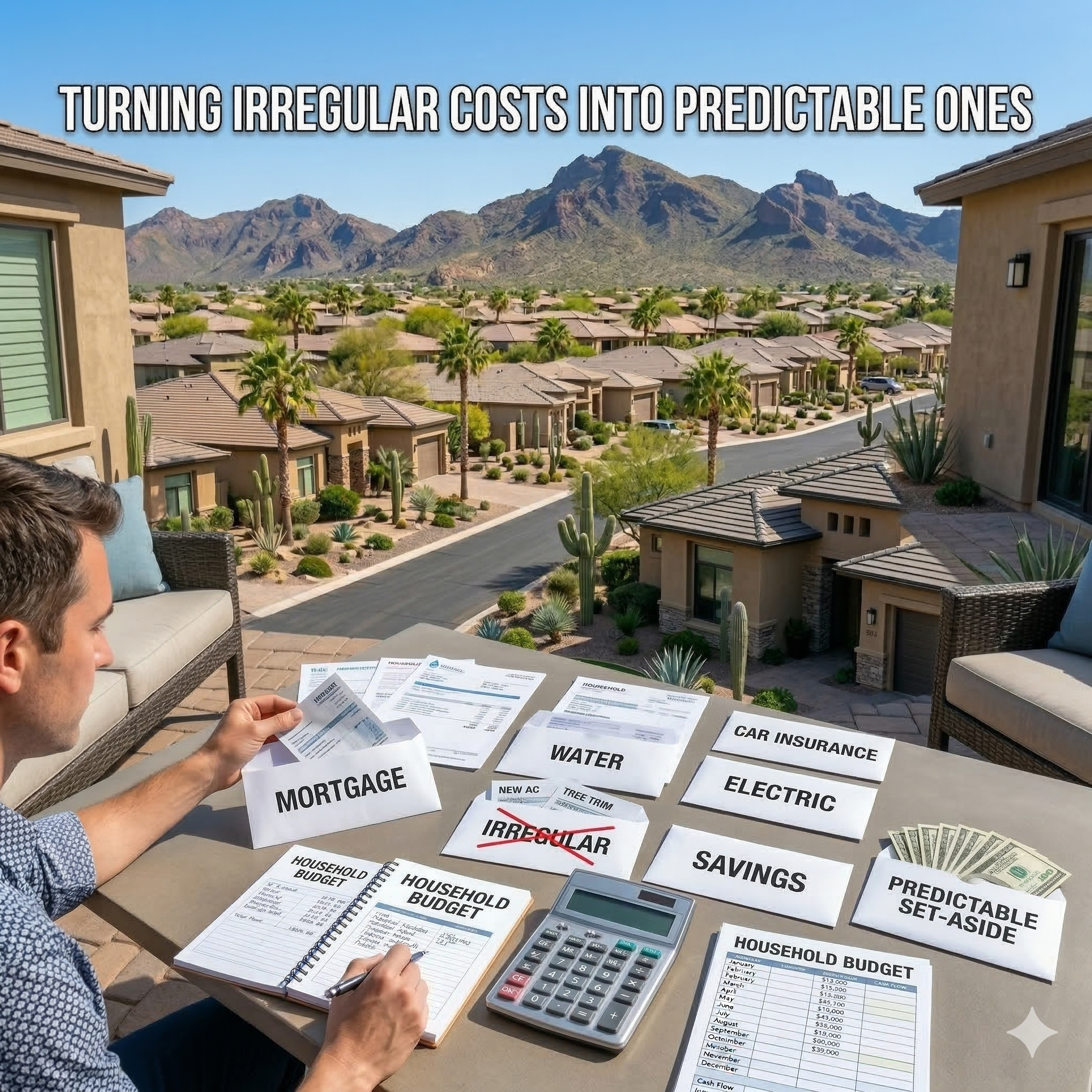
Turning Irregular Costs Into Predictable Ones
-

Budgeting for Ongoing Ownership
-
Repair vs Replace vs Defer Decisions
-

Planning Homeownership Like a Long-Term Asset
-

What Home Expenses You Can Safely Delay
-

Stopping Cost Creep Early
-

Cash Flow vs Net Worth Stress
-
Why “It’s Not That Much” Adds Up
-

Warning Signs Your Ownership Budget Is Tightening
-
The Cumulative Cost of Small Home Repairs
-
Designing Budgets Around Local Conditions
-
Utility Costs Over Time in Desert Climates
-

Insurance Increases Explained for Arizona Homeowners
-
How Inflation Impacts Phoenix Homeownership Costs
-

Avoiding Debt-Driven Homeownership Decisions
-

Replacing Systems on Your Timeline
-

Why Emergency Repairs Cost More
-

Timing Major Expenses Without Financial Shock
-
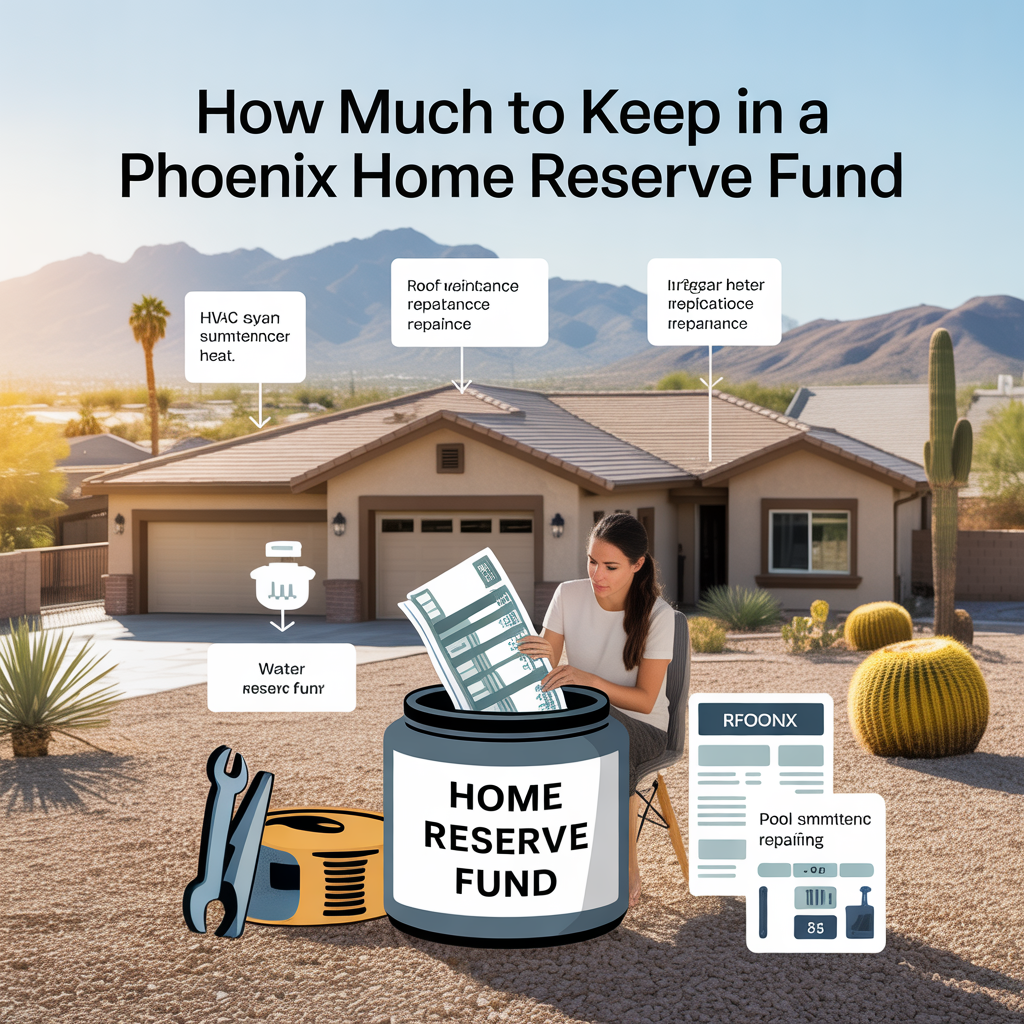
How Much to Keep in a Phoenix Home Reserve Fund