



Phoenix Lifestyle Guide → [Phoenix Lifestyle Guide] & For more info on Phoenix Real Estate → [Phoenix Real Estate Guide]
Written by: Renee Burke
There’s a gentle rebalancing unfolding across the Phoenix metro—one that feels like a deep breath after years of intensity. No longer dominated by frenzied bidding wars or total freezes, our market in early 2026 sits comfortably in that nuanced middle ground where both buyers and sellers hold real cards to play. It’s less about one side “winning” and more about strategy meeting opportunity, whether you’re eyeing a Glendale starter or a Scottsdale retreat.
I’ve guided families through every twist here in the Valley, and right now, control depends on your neighborhood, price point, and preparation. Let’s break it down pocket by pocket, so you see exactly where the leverage lies.
The Metro-Wide Balance Point
Phoenix as a whole leans neutral—around 3-4 months of inventory, with days on market settling at 60-70. That’s shifted from the seller-heavy squeeze of 2021-2022, when sub-1-month supply sparked escalations galore. Buyers now negotiate comfortably on well-priced homes, often securing concessions like repairs or rate buydowns. Yet sellers who stage sharply and price to true comps still see multiple offers in prime spots.
Pending sales tick up modestly year-over-year, showing demand’s quiet return without overheating. It’s a collaborative market—neither side dominates, but preparation tips the scales.
East Valley: Sellers Hold Edge in Family Hubs
Gilbert and Chandler tilt seller-favorable, with 2-3 months’ supply keeping competition alive for top schools and 202 freeway access. In Agritopia or Fulton Ranch, updated move-ups draw steady showings—buyers concede on list price for walkable charm and community pools. Median days on market here? A crisp 50-60.
Mesa’s more balanced—3.5 months inventory lets first-timers haggle in Superstition Springs, but resale ranches near Usery trails favor prepared sellers. Queen Creek’s growth edge gives buyers breathing room amid new builds, yet Encanterra golf homes stay seller-strong. East Valley control? Sellers lead if priced right; buyers gain on overasks.
West Valley: Buyer Leverage Builds
Glendale and Peoria hover buyer-leaning at 4+ months supply, especially south of Bell Road. Arrowhead Lakes listings negotiate 1-2% off list, with stadium proximity not overriding picky inspections. Surprise’s Vistancia trails shine for families, but longer DOM (70 days) hands buyers repair credits and closing help.
Buckeye’s outer boom adds inventory—new construction incentives like 3% builder rates tilt power to shoppers comparing floor plans. West Valley feels buyer-empowered for affordability plays, though equity-rich sellers in Westwing Mountain close confidently with mountain views popping.
North Scottsdale & Paradise Valley: Seller Territory Persists
Luxury north holds seller control—Scottsdale’s DC Ranch and Silverleaf run 1.5-2 months supply, where cash relos from California snap view estates without flinching at mid-6% rates. DOM under 45 days here; presentation trumps all.
Paradise Valley’s ultra-tight under 200 actives keeps Mummy Mountain and golf estates firm—buyers adapt with jumbo buydowns, conceding premiums for privacy. North control stays seller-sided, rewarding exclusivity over concessions.
Central & South Phoenix: Buyers Finding Footing
Arcadia and Biltmore balance at 3 months—mid-century charmers near Papago see negotiations, but curb appeal pulls offers. Tempe’s urban vibe gives buyers edge on condos east of Mill Avenue, with 75-day DOMs inviting term tweaks.
South in Ahwatukee or Laveen, 4-5 months supply empowers families near South Mountain—starters $500K range snag inspections and credits. Central control favors buyers who tour thoughtfully, though revitalizing pockets like downtown Glendale reward sharp sellers near Westgate buzz.
Key Metrics Shaping Control
- Months Supply: Under 3? Seller’s edge (North luxury). 3-5? Neutral (most metro). Over 5? Buyer leverage (outer West/South).
- Sale-to-List Ratio: 98-100% holds steady—sellers win on value; dips to 96% signal buyer wins.
- Concessions: Common now (60% of deals)—buyers control terms, but sellers dictate pace with pricing.
New construction shifts dynamics too—builders’ incentives balance resale power, pulling control toward flexible buyers.
Forces Tipping the Scales
Sellers lead where lifestyle anchors demand: schools, trails, stadiums. Buyers command in affordability-stretched segments or new-build floods. Mid-6% rates level the field—lock-in thaws supply slowly, while job growth at TSMC draws relos.
Strategy reigns: Sellers stage for Valley light; buyers flex on timing. No extremes—just measured moves.
Myths Clouding the Picture
“Buyers rule everywhere?” Not in premium enclaves. “Sellers still own it?” Only if ignoring comps. “Control flips soon?” Stability favors the prepared over predictors.
Local nuance trumps headlines—your zip code tells the real story.
Control Through Clarity
Phoenix’s 2026 market hands power to those who understand their lane—sellers pricing precisely, buyers negotiating smartly. From Glendale’s hum to Scottsdale’s glow, leverage lives in preparation.
It’s the healthiest control we’ve seen in years: shared, sustainable, Valley-true.
Let’s Find Your Leverage
If you’re thinking about making a move in Phoenix—or sizing up control in your corner of the metro—you don’t have to figure it out alone.
I’ve helped families navigate these balances across every neighborhood, turning data into decisions that fit their lives. Whether a quick insight or full strategy session, I’m here as your steady local advisor.
Reach out anytime. Valley moves deserve the right leverage, trusted guidance, and heart—let’s secure yours together.
Get the full Phoenix Market Insights → [Market Insights]


-
Cost of Living in Rhode Island: Housing, Taxes, Utilities, and Everyday Expenses
-

What If My Commute Becomes Worse Than Expected?
-

How Aging Home Systems Affect Property Value
-

Energy Efficiency Upgrades for Phoenix Homes
-
How to Plan for Major Home System Replacements
-

When Phoenix Homeowners Should Replace Water Heaters
-

Repair vs Replace Decisions for Phoenix HVAC Systems
-

Creating a Long-Term Home Maintenance Plan
-

How Often Phoenix Homes Should Be Professionally Inspected
-

Early Warning Signs of Major Home System Failures
-

How Preventative Maintenance Protects Phoenix Property Value
-

The Best Annual Home Maintenance Plan for Phoenix Homes
-

Electrical Safety Inspections for Older Phoenix Homes
-

Why Whole-Home Surge Protection Matters in Arizona
-

Preparing a Phoenix Home for Electric Vehicle Charging
-

Signs Your Home’s Electrical System Is Overloaded
-
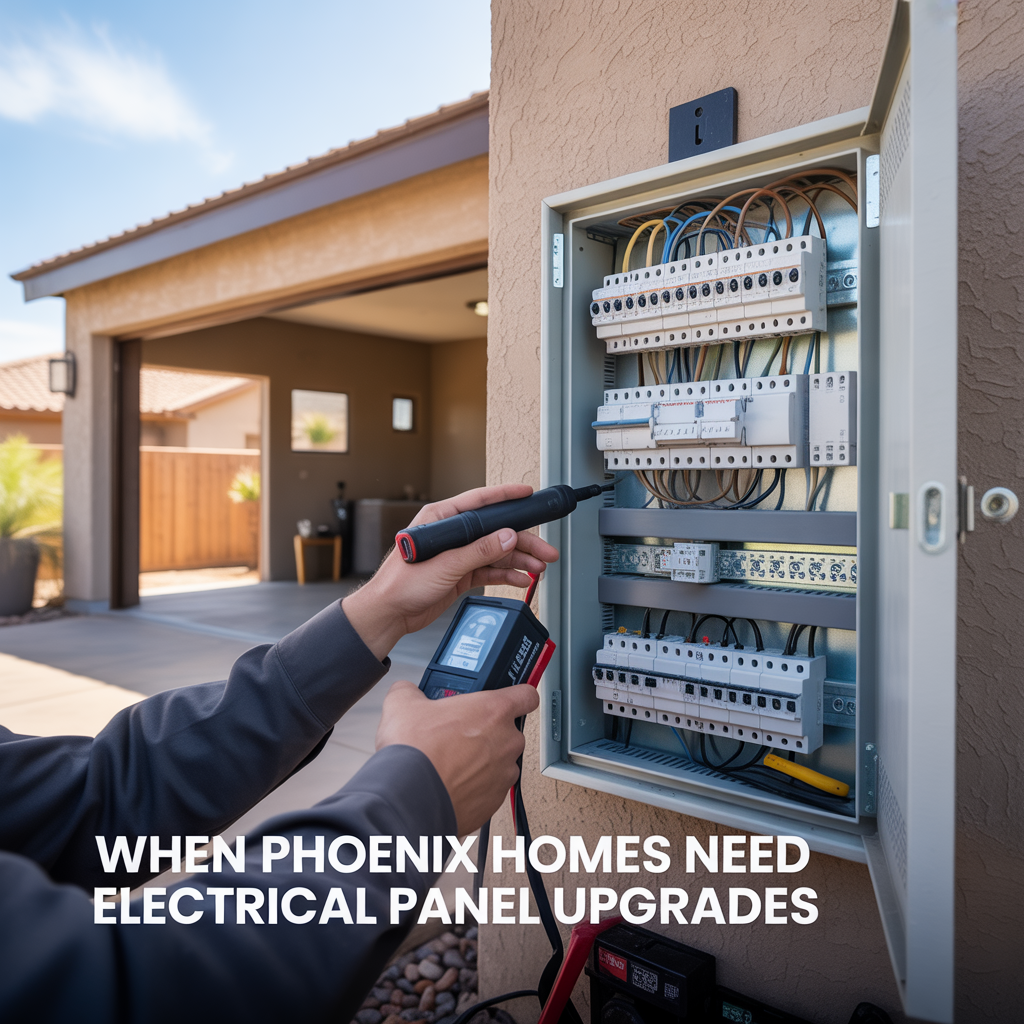
When Phoenix Homes Need Electrical Panel Upgrades
-

Water Pressure Problems in Phoenix Homes Explained
-

Preventing Irrigation Leaks That Waste Water in Desert Landscapes
-

Signs of Hidden Plumbing Leaks in Phoenix Houses
-

How Long Water Heaters Last in Arizona Homes
-

How Hard Water Affects Plumbing Systems in Phoenix Homes
-

Preventing Water Damage in Phoenix Homes During Storms
-

Roof Maintenance Tips Before Phoenix Monsoon Season
-

How Arizona Sun Damages Roofing Materials Over Time