



Phoenix Lifestyle Guide → [Phoenix Lifestyle Guide] & For more info on Phoenix Real Estate → [Phoenix Real Estate Guide]
Written by: Renee Burke
Timing your Phoenix home sale can feel like catching the perfect monsoon wave — exhilarating when it aligns, but worth planning carefully to ride smoothly. I’ve walked sellers through every season in the Valley, from the spring buzz of Gilbert to the quiet resolve of winter in Ahwatukee, and our market hums differently than most. With mild winters and scorching summers, buyers shop year-round, yet certain months deliver faster closes, higher offers, and less stress. Let’s break it down gently, so you can list with the calm assurance of knowing your window.
Spring (February to May): Prime Time for Peak Demand
Spring unfurls like our desert wildflowers, drawing families, relocators, and upgraders eager to settle before summer heat blankets the Valley. February listings catch early birds — professionals eyeing TSMC or Mayo Clinic jobs — while March through May explodes with school-transition shoppers prioritizing Chandler Unified or BASIS districts.
Homes fly here: expect 20-40 days on market, with sale prices 2-4% above annual averages, especially for updated single-stories under $650K. Patios glow in 75°F light; pools beckon without overwhelming utility worries. Neighborhoods like Peoria’s Pleasant Harbor or Central Phoenix’s Roosevelt Row see multiple bids, as out-of-staters tour nonstop. Prep tip: pressure-wash stucco and stage backyards early — curb appeal shines brightest now.
Summer (June to August): Underrated for Strategic Sellers
Summer slows foot traffic as temperatures climb, but that’s the beauty — fewer competitors mean your listing stands out to cash buyers, investors, and military families near Luke Air Force Base. Inventory dips, giving pristine homes leverage; July listings often close by fall, capturing motivated folks unbothered by AC-cooled showings.
Prices hold firm (sometimes +1% in West Valley hotspots like Buckeye), with 30-50 days on market. Evening tours under ramada misters highlight outdoor kitchens; longer days extend visibility. It’s perfect if you crave minimal disruption or a flexible timeline — think Goodyear gems drawing remote workers from California.
Fall (September to November): Balanced Opportunity with Momentum
Fall brings a refreshing breeze — literally — as 90s return, snowbirds land, and locals upgrade post-vacation. September listings peak for premiums (up to 2.5% over norms), closing by December with steady offers. Light rail spots in Mesa or Tempe attract young pros; Arcadia’s tree-shaded streets host imagined harvest dinners.
This sweet spot blends speed (40-55 days) and selection — enough buyers for competition, but not spring’s frenzy. Farmers markets and cooler evenings boost lifestyle appeal. Ideal for sellers eyeing tax-year closes or avoiding holiday chaos.
Winter (December to January): Reliable for Niche Buyers
Phoenix winters rival other cities’ springs — 70°F days lure retirees, remote execs, and sun-seekers browsing Scottsdale luxury or Fountain Hills views. December listings surprise with festive staging (subtle string lights on saguaros), closing by March as buyers prioritize before spring rush.
Pace eases to 50-70 days, but prices stabilize, shining in established enclaves like Paradise Valley. Low supply favors turnkey properties; it’s tax-smart and low-pressure for patient sellers buying next.
Seasonal Performance at a Glance
Spring leads Valley-wide, but fall rivals for ROI in growth areas; data underscores timing’s 2-3% impact.
Nuances That Tip the Scales
Beyond seasons, align with your story. Pools and solar pop in spring/summer; offices and trails anytime. Rates (mid-6s) boost affordability windows; inventory (4+ months now) favors sharp pricing. Thursdays list best for weekend traction; pre-inspect for seamless offers.
Neighborhood rhythms vary: East Valley peaks spring for schools, West surges fall with jobs, Central thrives year-round. Personal readiness trumps calendars — if moving cross-country, lean spring; downsizing? Winter’s calm suits.
Positioning for Any Season
Success hinges on prep: declutter, neutralize, highlight efficiencies like foam insulation or xeriscape. Price via hyperlocal comps — overpricing stalls anywhere. Virtual tours extend reach; drone shots capture mountain backdrops.
I’ve seen “off-season” listings outperform through targeted marketing — a Laveen pool home in August netting full ask.
A Warm Invitation
If you’re wondering the best moment to sell your Phoenix home, know this — you don’t have to figure it out alone. From spring sizzles in Gilbert to winter wonders in Scottsdale, I’d love to align the seasons with your needs, drawing on years of Valley wisdom.
Reach out anytime. Let’s pinpoint your ideal window and guide your home to the right buyers — steady, supported, and sold with ease.
Get the full Phoenix Market Insights → [Market Insights]


-

Dog Parks, Playgrounds, and Family-Friendly Parks in Tempe
-

Canal Paths and Bike Trails Connecting Tempe Neighborhoods
-

Papago Park Hiking Trails and Tempe Outdoor Access
-
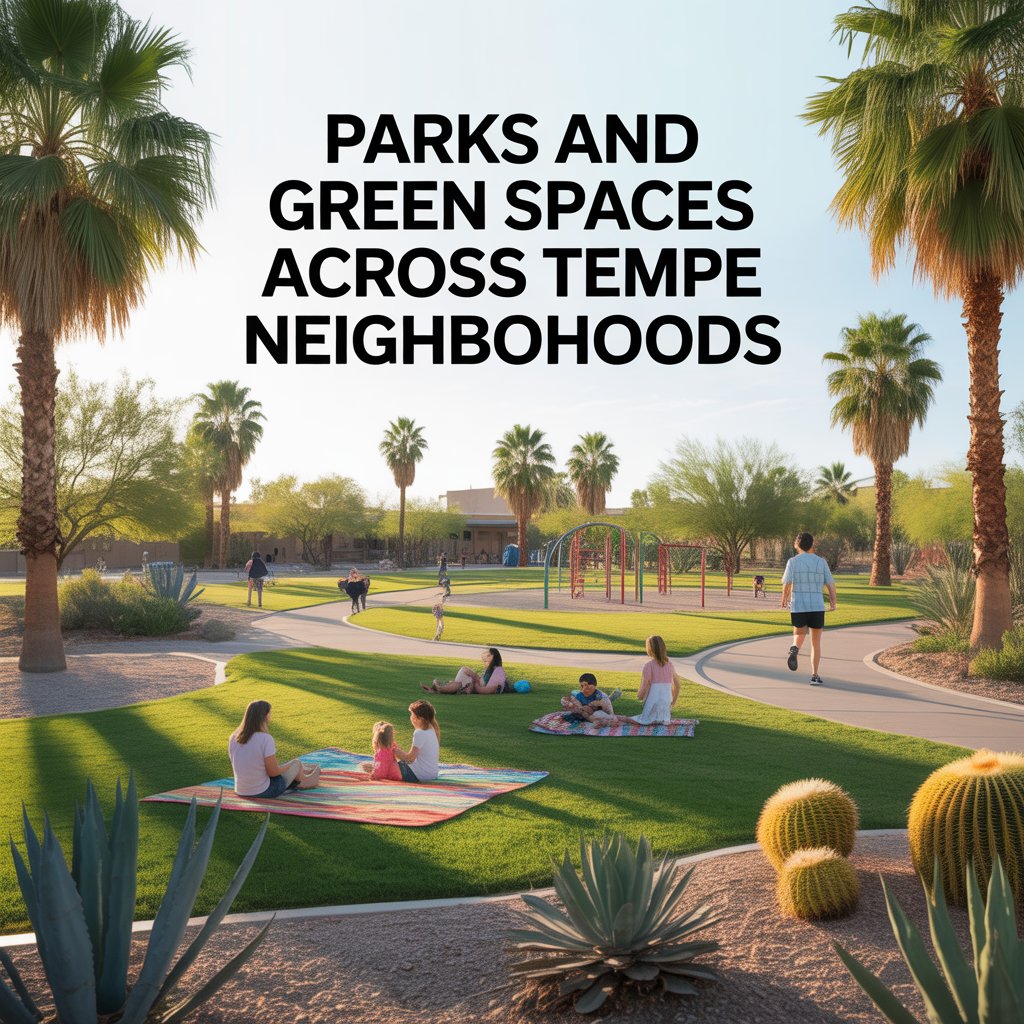
Parks and Green Spaces Across Tempe Neighborhoods
-

Tempe Town Lake Paths, Running Trails, and Daily Recreation
-

Breweries, Coffee Shops, and Lakefront Hangouts Around Tempe Town Lake
-

Parking, Rideshare, and Event Traffic Around Tempe Dining Districts
-

Late-Night Activity and Residential Quiet Zones Near Entertainment Areas
-

How ASU Influences Tempe’s Restaurant and Nightlife Scene
-

Dining Options in South Tempe Neighborhood Corridors
-
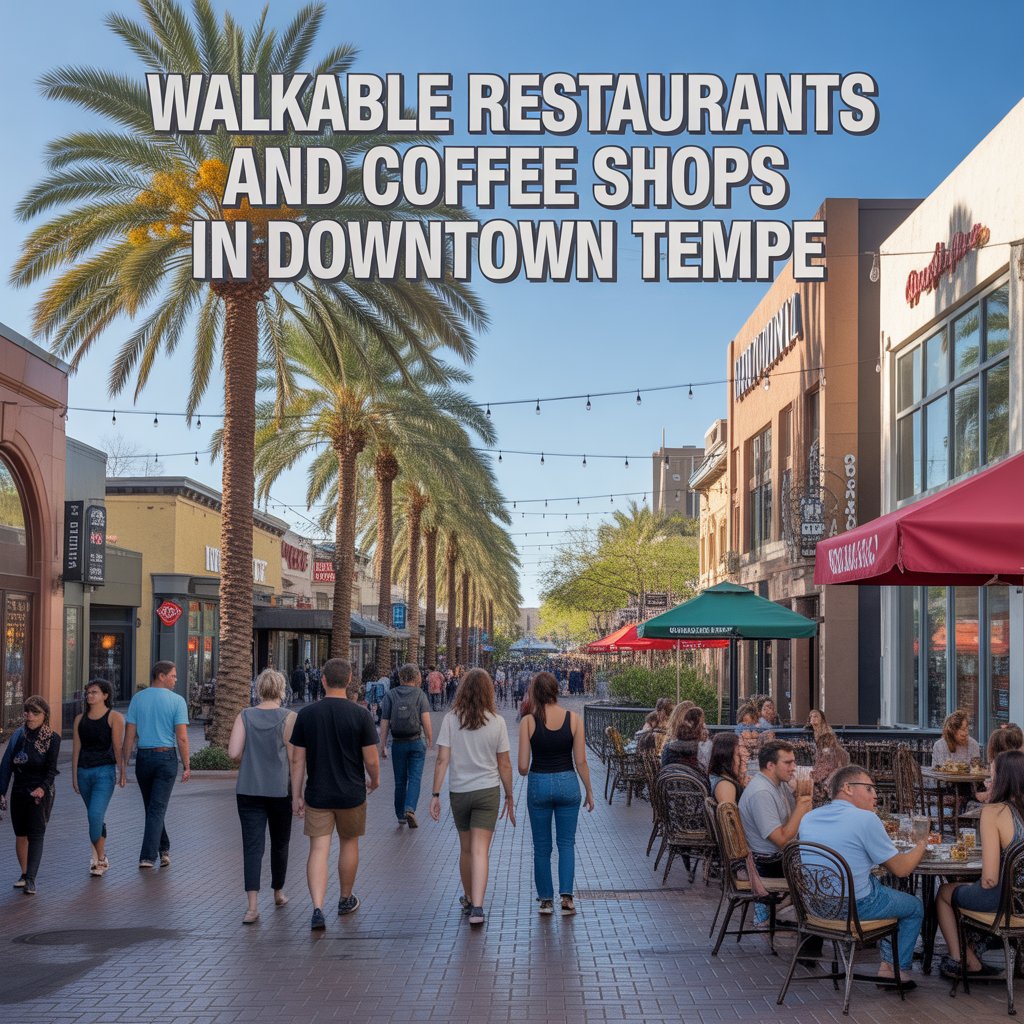
Walkable Restaurants and Coffee Shops in Downtown Tempe
-

Mill Avenue Restaurants, Bars, and Nightlife Near Arizona State University
-

How School Choice, Charter Options, and ASU Influence Education Options
-

Living Near Schools vs Residential Pockets in Tempe Neighborhoods
-

Parent Communities and School Networks in South Tempe Neighborhoods
-

How High School Boundaries Affect Commute Direction
-

Neighborhood-Based School Routines vs Cross-Corridor Runs
-

After-School Sports at Tempe Diablo Stadium and Local Parks
-

School-Day Traffic Patterns Along Rural, McClintock, and Baseline
-

How Often You Leave Tempe for Phoenix, Scottsdale, or Chandler
-

Noise, Game Days, and Event Cycle Patterns
-

Dining and Social Gravity Along Mill, Apache, and Baseline
-

Tempe Town Lake and Greenbelt Access You’ll Actually Use
-

Loop 101, US-60, and Arterial Efficiency by Corridor
-
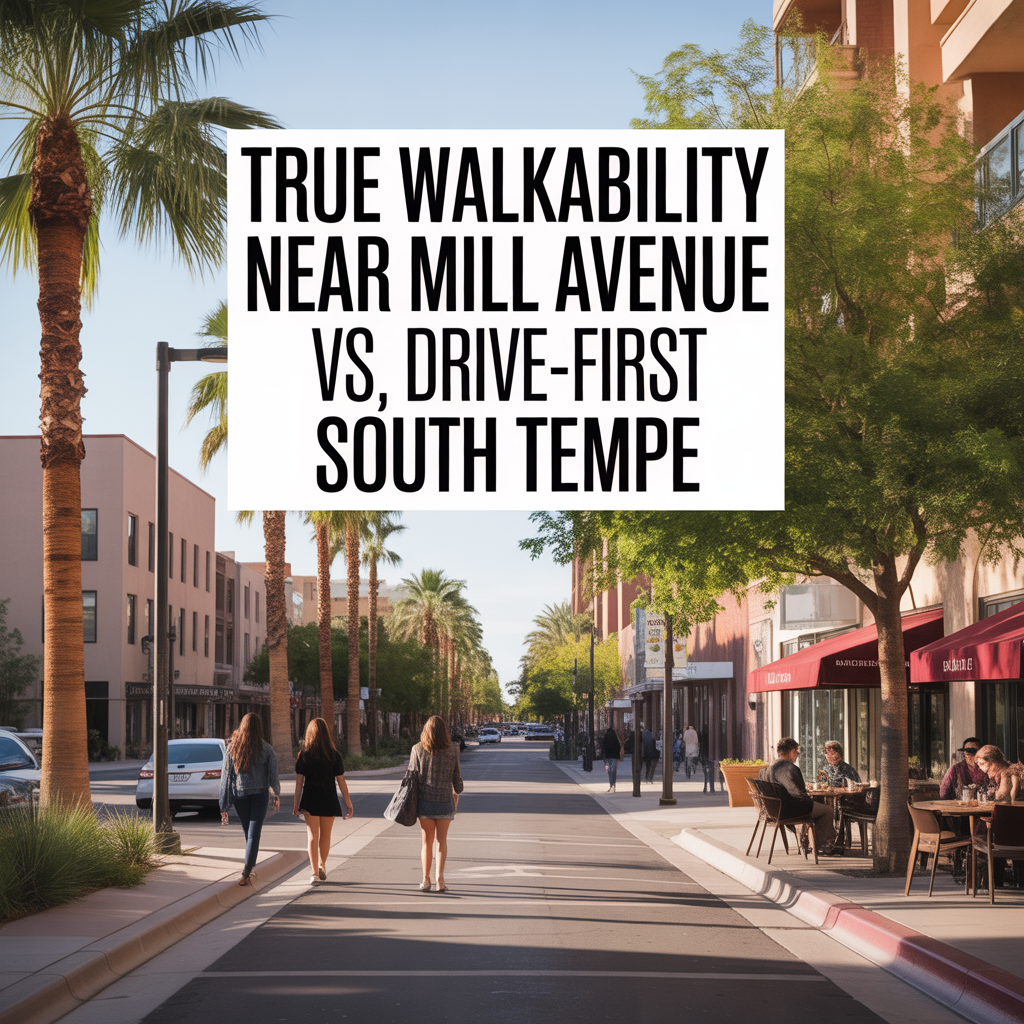
True Walkability Near Mill Avenue vs Drive-First South Tempe