


Phoenix Lifestyle Guide → [Phoenix Lifestyle Guide] & For more info on Phoenix Real Estate → [Phoenix Real Estate Guide]
Written by: Renee Burke
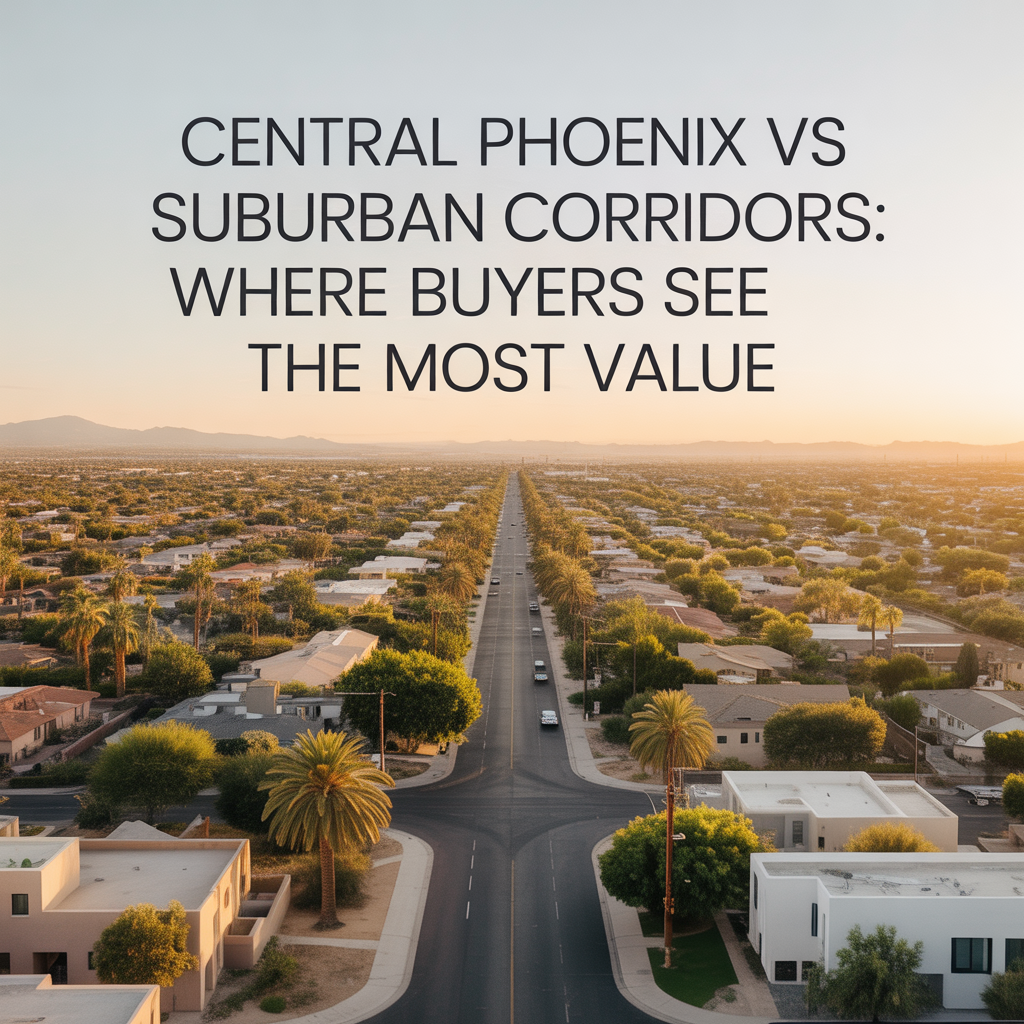
Choosing between Central Phoenix’s vibrant heartbeat and the suburban corridors’ spacious promise often boils down to where your dollars stretch furthest for lifestyle and long-term equity. I’ve walked buyers through both — from the eclectic charm of Roosevelt Row to the master-planned ease of Gilbert — and in today’s balanced 2026 market, value shines differently for urban seekers versus family-focused explorers. Central offers walkability and quick appreciation at a premium; suburbs deliver square footage, schools, and negotiation room. Let’s compare thoughtfully, so you see where your priorities land best.
Central Phoenix: Urban Access and Steady Appreciation
Central Phoenix — think Arcadia, Biltmore, and Uptown — captivates with its established energy: 15-25 minute drives to Sky Harbor or Downtown, light rail humming nearby, and neighborhoods alive with coffee shops, galleries, and AJ’s market runs. Homes here, often ‘50s ranchers or ‘80s contemporaries on lush lots, average $550K-$800K for 2,000-3,000 sq ft, blending historic curb appeal with mountain views.
Buyers find value in irreplaceable location: shorter commutes save hours weekly, fostering time for hiking Piestewa Peak or dining at Valley Ho. Resale holds firm — 3-5% annual growth outpaces suburbs — thanks to scarcity and demand from young professionals and empty nesters craving character over cookie-cutter. Trade-offs? Smaller yards, higher taxes ($2K+ yearly), and competition from condos softening under $400K.
Suburban Corridors: Space, Affordability, and Growth Potential
East Valley (Gilbert, Chandler) and West Valley (Peoria, Goodyear) corridors stretch dollars further: $450K buys 2,500 sq ft with pools and casitas, versus Central’s tighter footprints. Gilbert’s farm-to-table vibe and A-rated schools shine 25-40 minutes from Downtown via Loop 202; Goodyear’s resort communities offer golf and lakes at 30-45 minutes on I-10.
Value here is tangible — larger lots (8,000+ sq ft), lower entry medians ($350K-$620K), and builder incentives like rate buydowns in Buckeye. Families prioritize Chandler Unified and community pools; remote workers love proximity to Intel or Banner hubs (15-25 min). Appreciation tracks 2-4% yearly, fueled by job growth, though longer commutes test patience in peak traffic.
Value Comparison: Metrics That Matter
| Category | Central Phoenix | Suburban Corridors (East/West Valley) |
|---|---|---|
| Median Price | $550K-$800K | $450K-$620K |
| Sq Ft per $ | $250-$300 | $200-$260 |
| Commute to Downtown | 15-30 min | 25-50 min |
| Appreciation (YoY) | 3-5% | 2-4% |
| Schools/Amenities | Walkable urban, eclectic | Top-rated, parks/master-planned |
| Buyer Leverage | Low (fast sales) | Higher (concessions common) |
Central wins lifestyle density; suburbs excel affordability and space.
Buyer Priorities: Urban vs. Suburban Appeal
Central Suits: Urban professionals, downsizers, investors. Value in time savings — no freeway slog means more rooftop cocktails or Roosevelt Row strolls. Equity builds quickest here, with condos dipping but single-family resilient amid 4.8 months’ inventory.
Suburbs Attract: Growing families, first-timers. More house for dollars, plus incentives offsetting 6% rates. East Valley edges for schools/jobs; West offers raw growth near Amazon warehouses.
Market nuance: Central softens less (luxury buoys medians); suburbs see 2-3% price dips under $600K, creating entry deals.
Lifestyle and Long-Term Equity
Central’s walk scores (60-80) foster community — think neighbor chats over coffee. Suburbs counter with trails, splash pads, and space for home offices or ADUs. Resale favors Central’s scarcity; suburbs shine for rental yields in job corridors.
Test both: Drive rush hour, weekend a farmers market, imagine sunsets from your potential backyard.
Where Value Truly Lands
Buyers see most value where needs align — Central’s premium access for time-starved lives, suburbs’ bang-for-buck for roots and room. Neither’s “better”; Gilbert’s family pulse rivals Arcadia’s polish at half the density premium.
A Warm Invitation
If you’re weighing Central Phoenix vibrancy against suburban sprawl, know this — you don’t have to figure it out alone. From Biltmore’s buzz to Chandler’s charm, I’d love to tour what matches your value equation.
Reach out anytime. Let’s uncover the spot where your home dollars deliver joy, equity, and ease — supported, steady, and perfectly aligned.
Get the full Phoenix Market Insights → [Market Insights]


-
Cost of Living in Rhode Island: Housing, Taxes, Utilities, and Everyday Expenses
-

What If My Commute Becomes Worse Than Expected?
-

How Aging Home Systems Affect Property Value
-

Energy Efficiency Upgrades for Phoenix Homes
-
How to Plan for Major Home System Replacements
-

When Phoenix Homeowners Should Replace Water Heaters
-

Repair vs Replace Decisions for Phoenix HVAC Systems
-
Creating a Long-Term Home Maintenance Plan
-

How Often Phoenix Homes Should Be Professionally Inspected
-
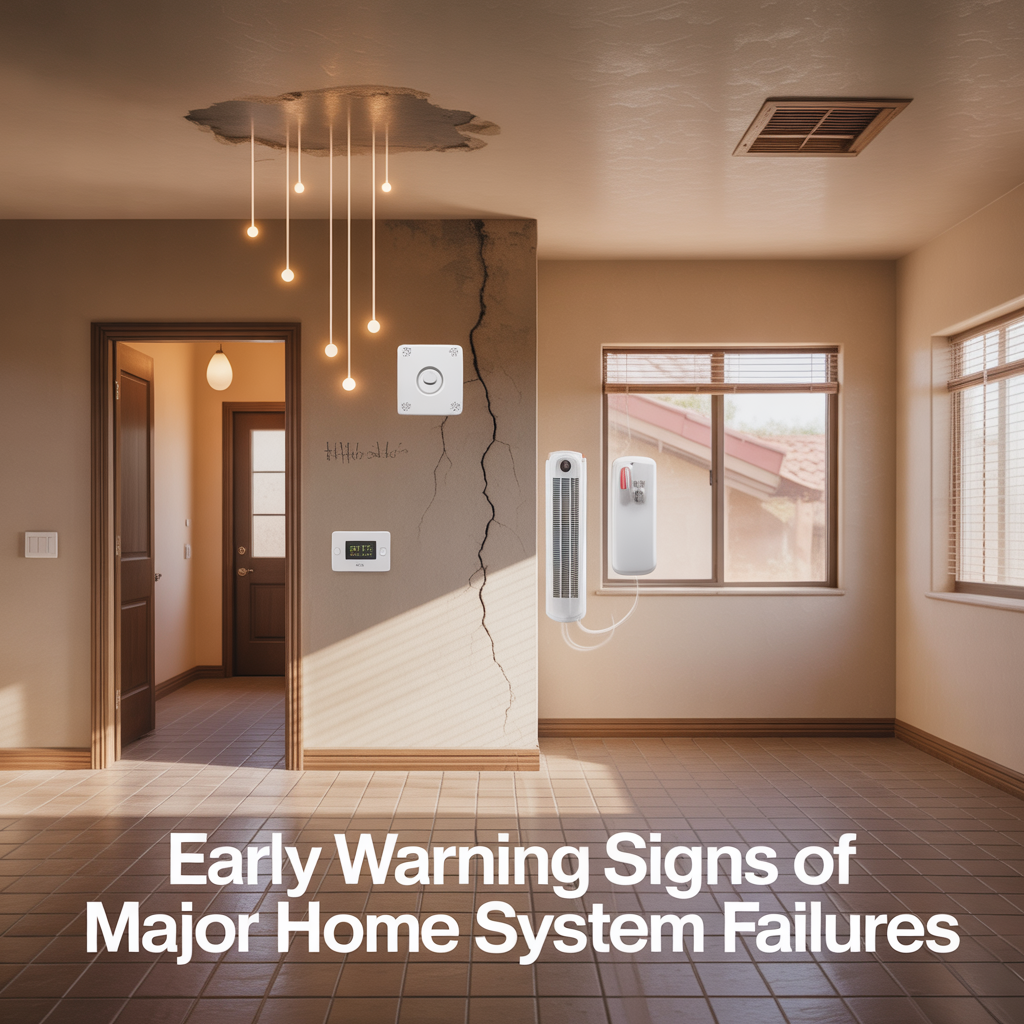
Early Warning Signs of Major Home System Failures
-

How Preventative Maintenance Protects Phoenix Property Value
-

The Best Annual Home Maintenance Plan for Phoenix Homes
-

Electrical Safety Inspections for Older Phoenix Homes
-

Why Whole-Home Surge Protection Matters in Arizona
-

Preparing a Phoenix Home for Electric Vehicle Charging
-

Signs Your Home’s Electrical System Is Overloaded
-
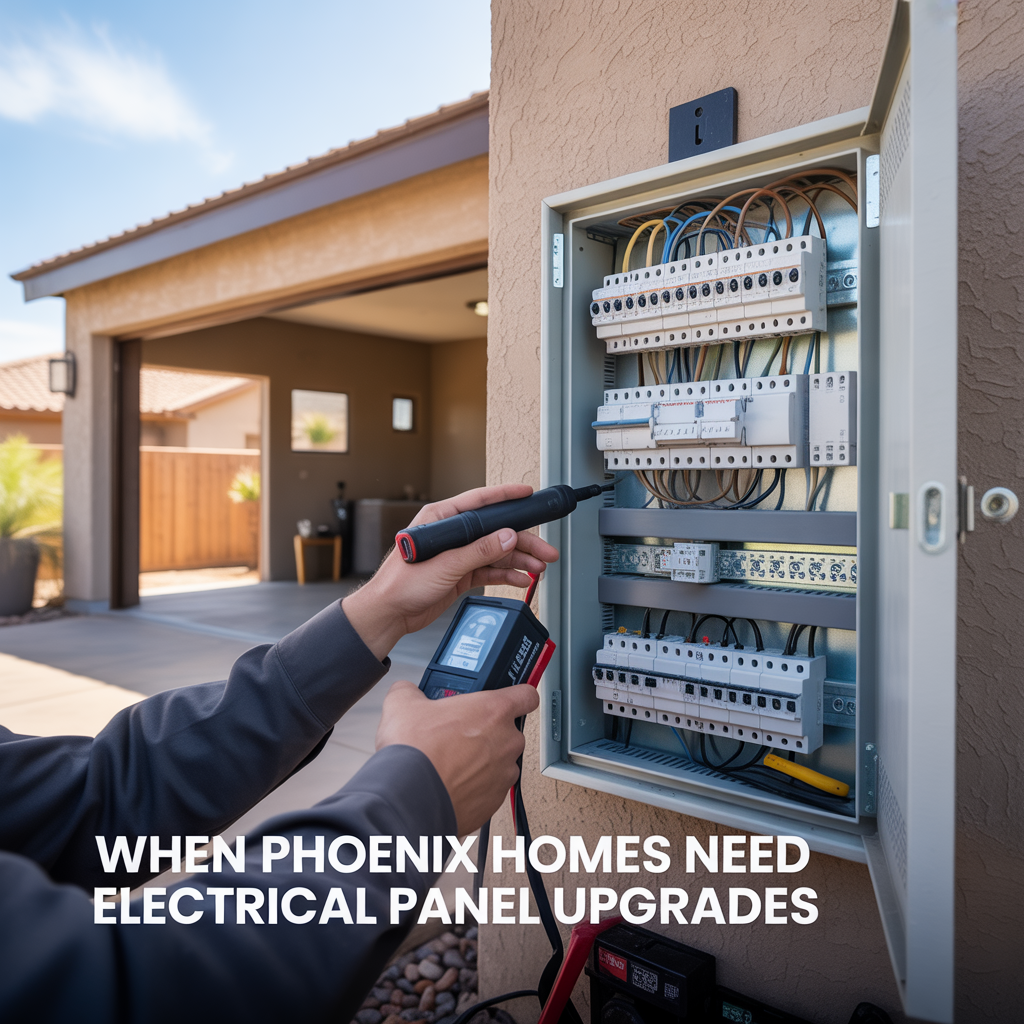
When Phoenix Homes Need Electrical Panel Upgrades
-

Water Pressure Problems in Phoenix Homes Explained
-

Preventing Irrigation Leaks That Waste Water in Desert Landscapes
-

Signs of Hidden Plumbing Leaks in Phoenix Houses
-

How Long Water Heaters Last in Arizona Homes
-

How Hard Water Affects Plumbing Systems in Phoenix Homes
-

Preventing Water Damage in Phoenix Homes During Storms
-

Roof Maintenance Tips Before Phoenix Monsoon Season
-

How Arizona Sun Damages Roofing Materials Over Time